


Table of Contents
- Introduction
- Why cold exposure sounds convincing for weight loss
- What the evidence says about whole-body cryotherapy
- Weight loss, body contouring and de-puffing are different
- Safety matters more than the short session length
- A more useful approach to weight-management goals
- Where cooling skincare has a clear cosmetic role
- Keep the supporting skincare routine simple
- Conclusion: choose care for the result it can deliver
- FAQ
Introduction
Whole-body cryotherapy is not a proven treatment for meaningful, lasting weight loss. Extreme cold prompts the body to regulate its temperature, but that response does not establish that a brief chamber session will reduce body fat or produce a lasting increase in metabolism. Claims of substantial calorie burning go further than the evidence supports.
The useful distinction is between losing weight, reducing a localised fat deposit and making skin look less puffy. These are different goals, and cold-based treatments do not address them interchangeably. Understanding the difference helps you assess a clinic's claims, recognise the risks of extreme cold and select cosmetic care for what it genuinely delivers.
Why cold exposure sounds convincing for weight loss
Temperature regulation uses energy
Your body works continuously to maintain a stable internal temperature. In cold conditions, it limits heat loss through responses such as narrowing blood vessels near the skin, and it can increase heat production through shivering and other processes.
This provides a plausible starting point for research into cold exposure and metabolism. It does not tell us how much additional energy a particular cryotherapy session uses, how long any change lasts or whether repeated sessions produce meaningful weight loss.
Whole-body cryotherapy generally involves a few minutes of exposure to extremely cold air in a purpose-built chamber. Equipment varies: some chambers enclose the whole person, while other units leave the head outside. Neither the intensity of the sensation nor the lowest advertised temperature tells you how effective the treatment will be for weight management.
Brown fat is not a shortcut to fat loss
Brown adipose tissue, often called brown fat, helps generate heat. Unlike white adipose tissue, which primarily stores energy, brown fat is specialised for energy expenditure and can become more active in response to cold.
This is an important area of metabolic research, but several steps separate that biological observation from a reliable treatment. Researchers must establish whether a specific exposure activates the relevant response, whether the effect is substantial and whether it changes body weight over time.
Studies involving hours in mildly cool rooms cannot simply be applied to a few minutes in an extreme-cold chamber. Duration, temperature, exposure method and the participants' health all matter. A change in a metabolic marker also does not automatically mean a visible or lasting reduction in body fat.
A physiological response to cold is not the same as a demonstrated weight-loss result. The useful question is whether the exact treatment produces a meaningful benefit that lasts.
What the evidence says about whole-body cryotherapy
Early findings need careful interpretation
Some small studies have reported changes in weight, waist measurements or body composition following repeated whole-body cryotherapy. Research has included selected groups, such as menopausal women and people participating in wider obesity-management programmes.
These findings are reasons to investigate further, not grounds for promising a result to everyone. A finding in one group does not establish the same outcome in people of different ages, health backgrounds or body compositions.
Mayo Clinic Press describes weight-loss research in which cryotherapy accompanied exercise and dietary changes. When several interventions happen together, a reduction in weight cannot automatically be credited to the cold exposure. The important comparison is whether adding cryotherapy improves outcomes beyond the same programme without it.
Lasting weight loss is the relevant outcome
A useful weight-management treatment needs to do more than change a measurement immediately after a course. It should demonstrate meaningful benefits over an appropriate follow-up period, with an acceptable balance of risks, costs and inconvenience.
Current evidence does not establish whole-body cryotherapy as a dependable way to achieve sustained weight loss. It also does not establish a reliable treatment schedule for that purpose. There is no sound basis for promising a particular number of kilograms lost after a package of sessions.
This does not mean that every possible metabolic effect has been ruled out. It means the evidence is insufficient to recommend purchasing whole-body cryotherapy specifically for weight loss, either on its own or as a supposedly essential addition to diet and exercise.
Why calorie-burning claims deserve scrutiny
You may see claims that a short cryotherapy session burns several hundred calories, sometimes with further calorie expenditure promised for hours afterwards. These figures should not be treated as established expectations.
Energy expenditure varies between individuals, and a temporary response does not prove a sustained metabolic increase. Nor is a calorie estimate equivalent to measured fat loss. Appetite, food intake, movement and other physiological responses influence longer-term weight.
Before accepting a numerical claim, look for research on the exact treatment being offered. Testimonials, an explanation of brown fat or a study of a different type of cold exposure do not validate a specific calorie total.
The same caution applies to before-and-after photographs. Changes in posture, lighting, clothing and the timing of a photograph can affect apparent body shape. Images alone cannot demonstrate that cryotherapy caused a reduction in fat.
Weight loss, body contouring and de-puffing are different
Whole-body cryotherapy is not fat freezing
Whole-body cryotherapy exposes a large area of the body to cold air for a short period. It should not be described as freezing away fat throughout the body or selectively destroying abdominal fat.
Cryolipolysis, often called fat freezing, is a separate body-contouring procedure. It uses controlled cooling at a selected treatment site to reduce a localised layer of subcutaneous fat. It requires its own assessment, equipment and discussion of risks.
Body contouring is not a treatment for obesity or a substitute for weight management. Reducing a localised bulge and reducing overall body weight are different endpoints. A qualified clinician can explain whether a contouring concern is suitable for treatment and what a realistic result would look like.
The established use of cold in one procedure does not validate every treatment with "cryo" in its name. Dermatological freezing, localised body contouring and whole-body chamber exposure have different purposes and protocols.
Less visible puffiness does not mean less fat
A face can look fuller because of temporary puffiness, facial fat distribution, skin laxity or a combination of factors. These observations should not be treated as interchangeable, and appearance alone cannot identify a medical cause.
Cosmetic de-puffing addresses the appearance of temporary swelling or tiredness. It does not remove facial fat, change bone structure or produce weight loss. A less puffy-looking face after a skincare treatment is therefore not evidence of a metabolic effect.
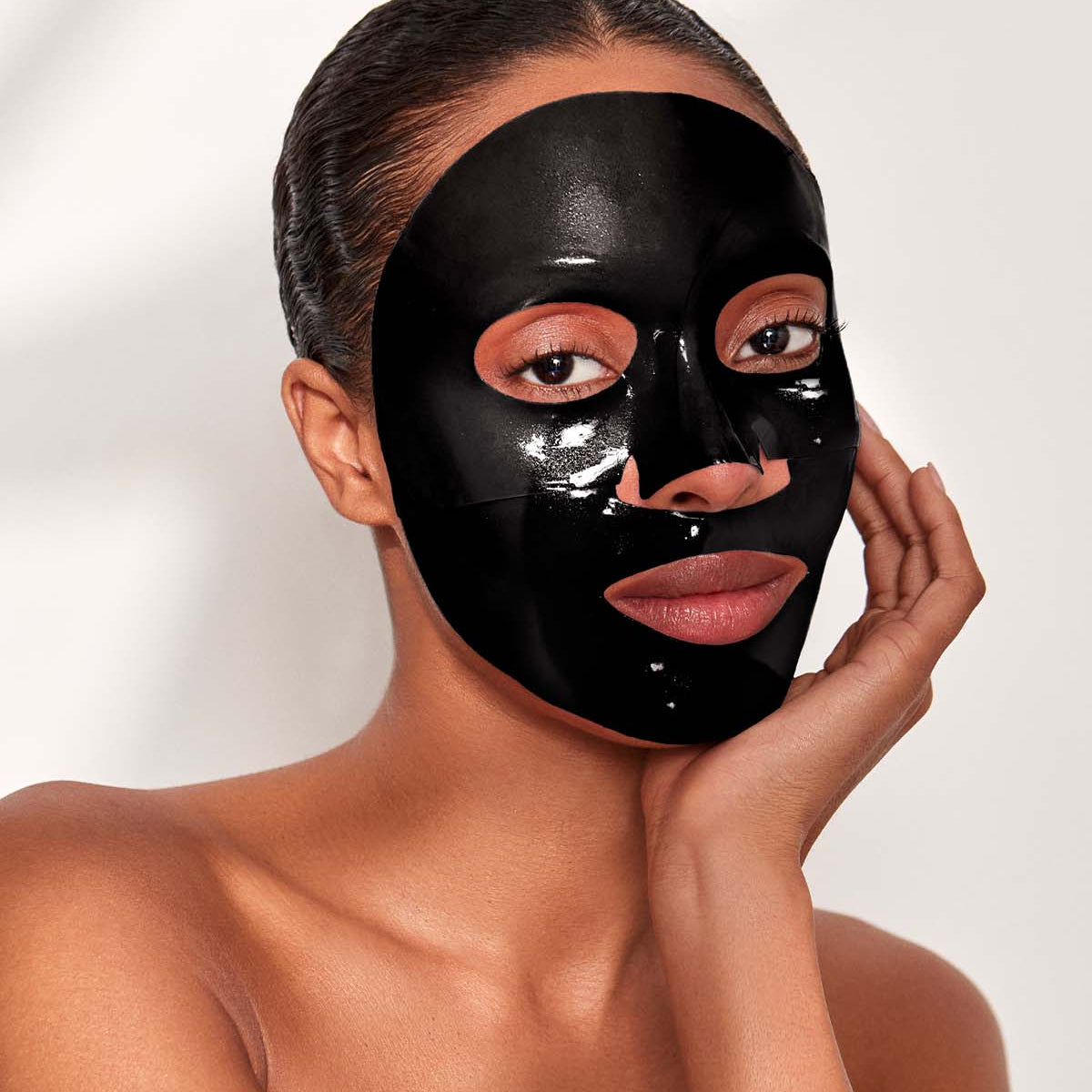
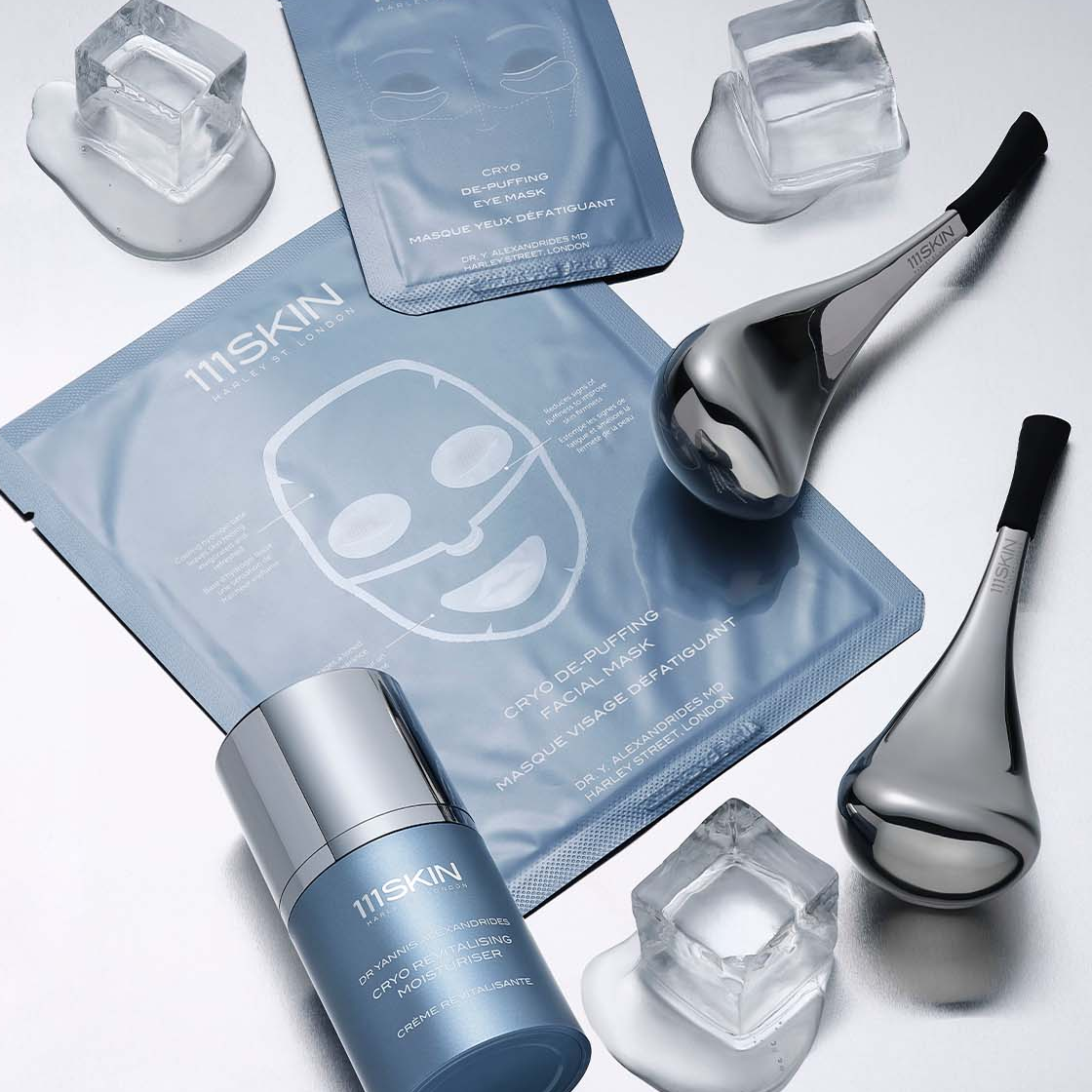
For this cosmetic goal, 111SKIN's Cryo De-Puffing Facial Mask is a relevant choice. Its two-piece hydrogel format, with Caffeine and peptides, addresses visibly puffy, tired-looking skin. The purpose is a refreshed appearance, not a reduction in body mass.
Persistent, unexplained or one-sided swelling belongs with a healthcare professional, especially if it is painful or accompanied by other symptoms. Repeatedly cooling the area is not a way to establish why it is swollen.
Safety matters more than the short session length
Extreme cold can injure skin
Whole-body cryotherapy is brief, but brevity does not make it risk-free. Cold-related injuries can include frostbite and cold burns, while other reported effects include irritation, numbness, tingling and dizziness.
Mayo Clinic Press also notes that acute cold exposure can temporarily raise blood pressure as blood vessels constrict. That makes health screening important even when a session is marketed as a wellness experience.
Protective clothing, appropriate equipment and supervision help manage exposure, but they do not turn an unproven weight-loss treatment into an effective one. Safety precautions and evidence of benefit are separate questions.
Do not try to reproduce a chamber treatment at home or extend exposure to increase a supposed calorie burn. More intense cold is not a reliable route to better results and can increase the risk of injury.
Medical suitability needs individual assessment
Speak to your doctor before considering whole-body cryotherapy, particularly if you have cardiovascular disease, high blood pressure, circulation problems, cold-triggered symptoms or reduced sensation. Diabetes-related nerve damage is especially relevant because it can make cold injury harder to detect.
Pregnancy and other significant health concerns also require medical advice before extreme-cold exposure. An online checklist or a facility's general reassurance cannot replace an individual assessment.
If you experience significant pain, marked skin colour changes, blistering, persistent numbness, chest discomfort or breathing difficulty during or after exposure, stop and seek appropriate medical help. You do not need to tolerate distress to obtain a benefit.
Questions to ask before booking
A responsible provider should be able to explain the treatment, its limitations and its safety arrangements clearly. Useful questions include:
- What is the exact treatment? Establish whether it is a whole-body chamber, a head-out unit or a localised treatment.
- What result is being promised? Ask whether the evidence concerns weight loss, body composition, recovery or simply how participants felt.
- How is suitability assessed? Ask who reviews medical history and when a doctor's clearance is needed.
- How is exposure supervised? Find out how you can communicate discomfort and leave immediately.
- What happens if something goes wrong? Ask about staff training, emergency procedures and management of cold-related injuries.
These questions also help reveal whether the consultation is centred on your goal or on selling a course. A provider should be comfortable discussing uncertainty without presenting a larger package as the answer.
A more useful approach to weight-management goals
Start with the outcome you actually want
Before choosing a treatment, separate health goals from cosmetic observations. Wanting better metabolic health, wanting a smaller waist measurement and wanting to look less puffy before an event call for different conversations.
If weight loss is appropriate for your health, a GP or suitably qualified clinician can help assess the wider picture. This can include medical history, medication, sleep, eating patterns, physical activity and factors that make weight management difficult.
Weight is not simply a measure of effort or discipline. A personalised plan can identify practical barriers and consider evidence-based support without relying on promises of a rapid metabolic reset.
For a localised contour concern, seek a clinical assessment of that area. For temporary facial puffiness or dry-looking skin, skincare can address appearance directly, with outcomes that are easier to define and evaluate.
Put time and budget towards demonstrated value
Cryotherapy packages can involve repeat appointments, travel and ongoing expense. Those commitments deserve the same scrutiny as any other intervention, especially when weight-loss benefits remain uncertain.
A practical decision process is:
- Define a measurable goal. Decide whether you are seeking a health outcome, a change in body weight, a contour change or a cosmetic skin benefit.
- Choose the right professional conversation. Discuss weight management with a clinician and skin or contour concerns with an appropriately qualified practitioner.
- Ask what improves the outcome. For an add-on treatment, establish whether it provides a demonstrated benefit beyond the care you are already receiving.
- Review the burden as well as the promise. Consider risks, appointments, cost and whether the treatment could displace more useful support.
Nutrition, movement, sleep and clinician-led treatment, where appropriate, remain more relevant to weight management than an unproven cold-exposure package. Sustainable care should fit your health, circumstances and preferences.
Recovery benefits do not establish weight-loss benefits
Some people choose cryotherapy because they feel refreshed afterwards or believe it helps post-exercise comfort. Research into recovery and other uses is separate from research into weight loss.
Even if a treatment helps someone feel ready to exercise, it does not follow that the treatment itself causes meaningful fat loss. An indirect possibility should not be presented as a guaranteed result.
If discomfort limits your movement, it is worth understanding the cause and seeking suitable advice. A physiotherapist or clinician may help you develop an activity plan that is comfortable and sustainable, without making extreme cold a prerequisite.
Where cooling skincare has a clear cosmetic role
111SKIN was founded by plastic and reconstructive surgeon Dr Yannis Alexandrides and Eva Alexandridis, drawing on Dr Yannis' practice at 111 Harley St. in London. That clinical inspiration is most useful when paired with a precise cosmetic goal: hydration, smoother-looking skin or a visibly refreshed appearance.
Cooling skincare belongs in that conversation, not in a weight-loss plan. Its appeal is the targeted format, the experience of application and the visible skin concern it addresses.
For a visibly puffy, tired-looking face
Cryo De-Puffing Facial Mask provides a two-piece hydrogel treatment for facial puffiness and tired-looking skin. Refrigeration before use is permitted for this mask, offering a cooling application experience.
Apply it to clean, dry skin after cleansing, morning or evening. Wear for 20 minutes, then remove before applying subsequent leave-on skincare. Its facial sections are designed for the face, not for treating body fat or the neck.
This is a practical choice when your goal is to look refreshed before an occasion. Assess the finish in terms of visible puffiness and skin appearance, not a change on the scales.
For puffiness beneath the eyes
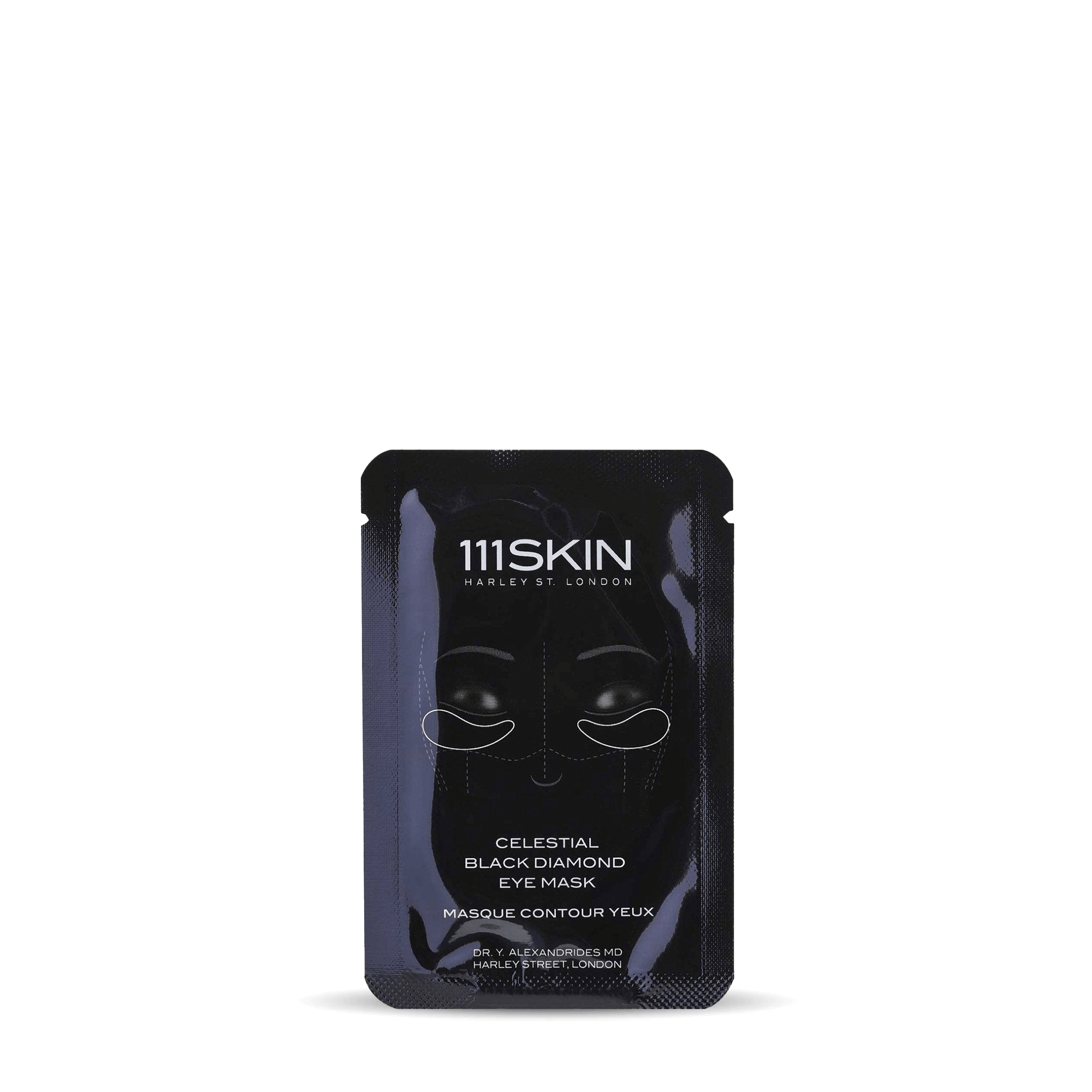
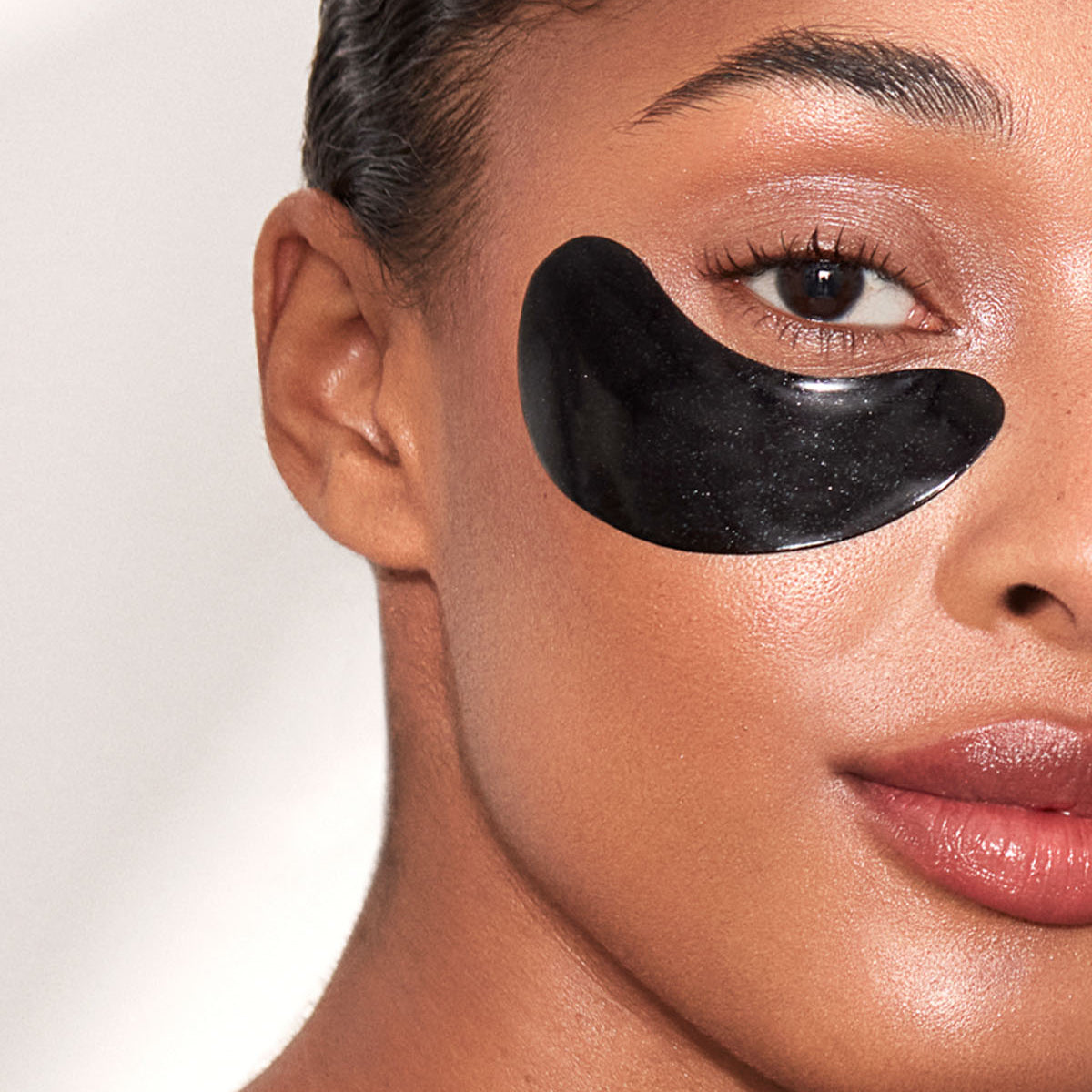
Cryo De-Puffing Eye Mask targets visible puffiness and tired eyes with a hydrogel format featuring Seaweed Extract, Vitamin E and Peptide Complex. It received InStyle Best Eye Mask at the Best Beauty Buys Awards 2022.
After cleansing, remove the protective films from both sides and place one mask beneath each eye. Wear for 20 minutes, remove and gently pat in the remaining product, morning or evening. Refrigeration before use is permitted for this eye mask.
Choose the facial or eye format according to the area you want to address. Neither requires whole-body cold exposure, and neither should be expected to alter facial fat.
Match the result to the treatment: de-puffing skincare addresses visible tiredness and puffiness; weight management addresses body weight and health.
Keep the supporting skincare routine simple
For skin that feels dry or looks tired, a consistent hydration routine has a clearer cosmetic purpose than pursuing extreme cold. Humectants attract water, while moisturising care helps soften skin and limit moisture loss. These roles complement a targeted de-puffing mask.
Keep the supporting steps compact:
- Cleanse. Apply 2 to 3 pumps of Cleansing Oil with dry hands to dry skin. Massage for 30 seconds, rinse with warm water and pat dry.
- Use your selected mask when needed. Follow the facial or under-eye method above, removing the mask before continuing.
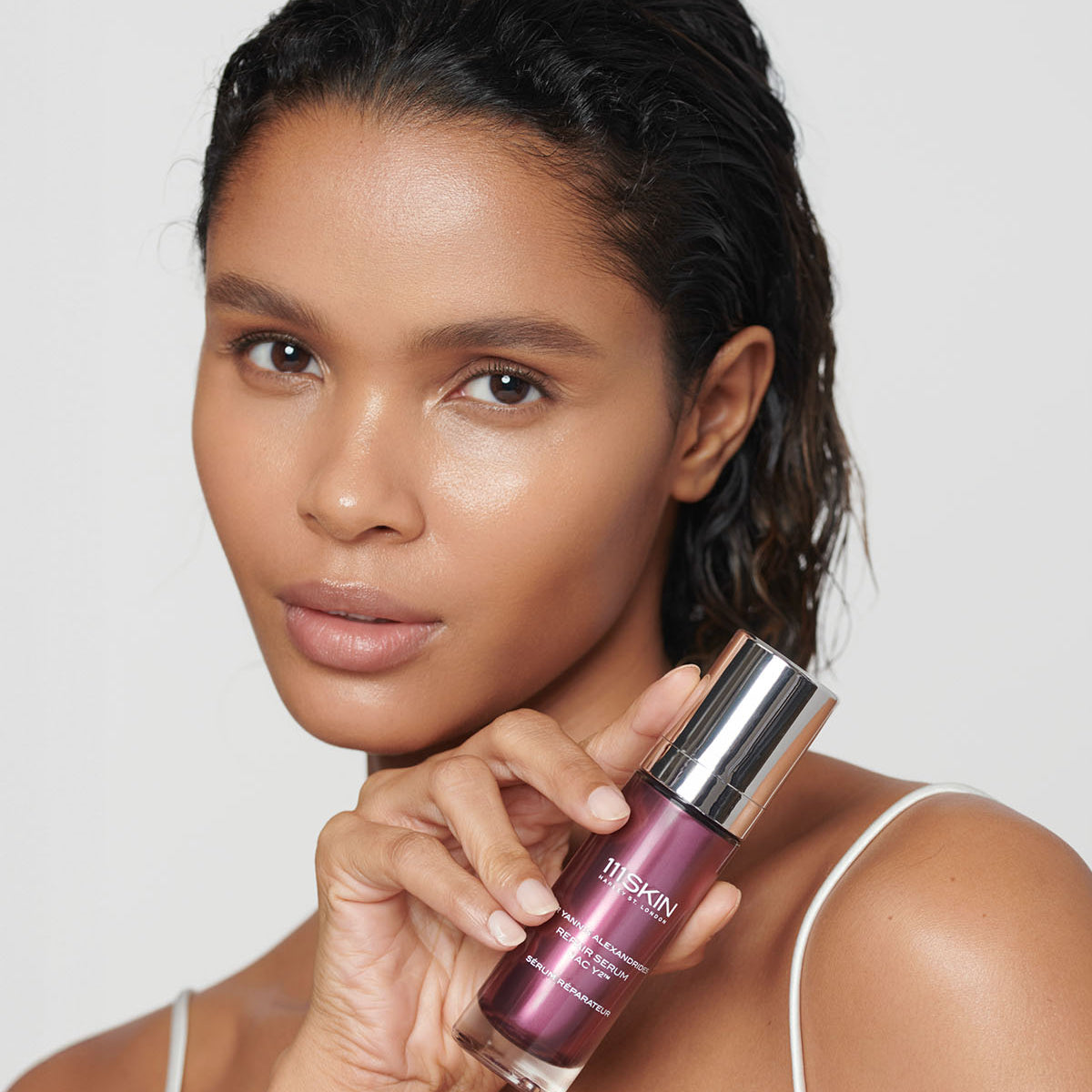
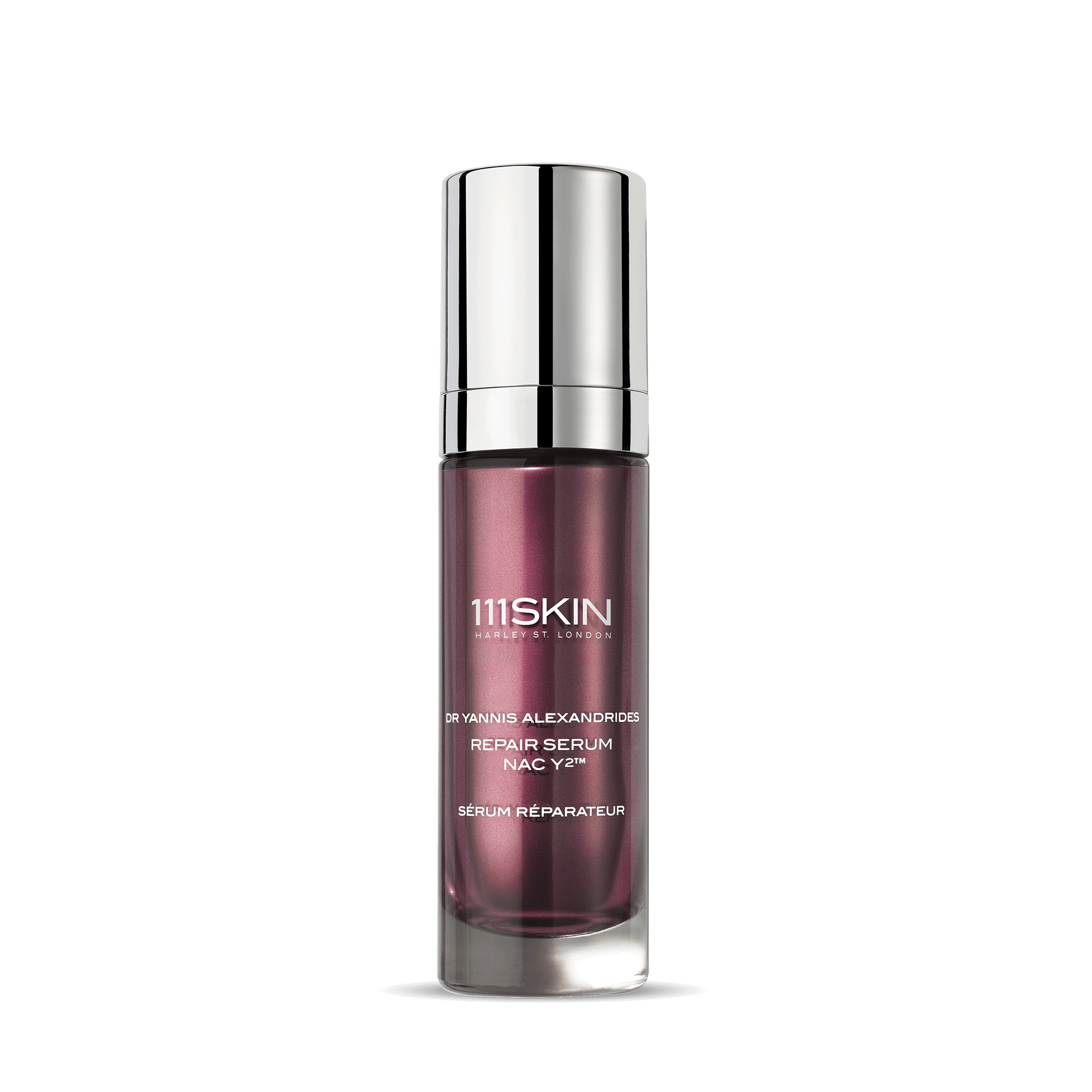
- Apply serum. Smooth 1 to 2 pumps of Repair Serum NAC Y²™ over the face and neck. Its cooling, velvety texture delivers hydration and supports smoother, plumper-looking skin while addressing visible redness and early signs of ageing.
- Moisturise. In the morning, apply a pea-sized amount of Repair Day Cream NAC Y²™ to the face, neck and décolletage after serum. In the evening, use Repair Night Cream NAC Y²™ in the same amount and areas.
- Protect in daylight. Apply Repair Sunscreen SPF50+ generously and evenly after moisturiser, 15 to 20 minutes before sun exposure, following its exposure and reapplication instructions.
The evening moisturiser in step 4 is Repair Night Cream NAC Y²™.
This routine supports skin comfort and appearance without attaching a weight-loss claim to skincare. Stop using a product if irritation occurs, and seek professional advice for persistent irritation.
Conclusion: choose care for the result it can deliver
Whole-body cryotherapy should not be relied on for weight loss. Its biological rationale is interesting, but meaningful, sustained results have not been established well enough to justify promises of substantial calorie burning, belly-fat reduction or a lasting metabolic boost.
For weight-management support, start with a qualified healthcare professional and a plan suited to your health. For visible facial puffiness, select a targeted cosmetic treatment such as Cryo De-Puffing Facial Mask or Cryo De-Puffing Eye Mask, then maintain hydration and sun protection. If you are unsure which skin concern to prioritise, the 111SKIN skincare quiz can help you explore a personalised routine.
As with any skincare product, patch test before first use. If you are pregnant or breastfeeding, consult your doctor before using any skincare products.
FAQ
Does whole-body cryotherapy burn enough calories to lose weight?
Whole-body cryotherapy has not been shown to produce a dependable calorie expenditure that translates into meaningful, lasting weight loss. Claims of several hundred calories burned per short session should not be treated as established expectations. A cold response alone does not demonstrate a weight-loss benefit.
Can whole-body cryotherapy target belly fat?
There is no reliable basis for promising that whole-body cryotherapy selectively reduces belly fat. Cryolipolysis is a different, localised body-contouring procedure and is not a treatment for overall weight loss. A clinician can help distinguish a contour concern from a weight-management goal.
How many cryotherapy sessions do you need for weight loss?
There is no established evidence-based number of whole-body cryotherapy sessions for weight loss. Buying more sessions does not resolve that uncertainty or guarantee a result. Discuss weight-management options with a qualified healthcare professional before committing to a treatment package.
Can a cryo face mask make your face look slimmer?
A de-puffing mask can refresh the appearance of visibly puffy, tired-looking skin, which is different from reducing facial fat. Cryo De-Puffing Facial Mask is designed for that cosmetic concern, not weight loss or permanent contour change. Persistent or unexplained facial swelling needs medical assessment.