


Table of Contents
- Introduction
- What whole-body cryotherapy does
- Whole-body cryotherapy benefits and their limits
- Which cryotherapy claims deserve caution?
- Safety comes before a cryotherapy session
- Deciding whether whole-body cryotherapy is worthwhile
- If your goal is less facial puffiness
- Build a comfortable routine around targeted care
- A clear next step
- FAQ
Introduction
Whole-body cryotherapy may temporarily ease perceived muscle soreness and leave some people feeling more refreshed after exercise. Evidence for faster recovery, better sleep and improved mood is still developing, while claims about weight loss, immunity and lasting skin rejuvenation are not established.
The important distinction is between feeling better after a session and achieving a proven improvement in health or performance. Extreme cold also carries risks, including frostbite and changes in blood pressure, so the decision deserves more consideration than a wellness trend might suggest.
For skincare, there is another useful distinction: a cryotherapy chamber and a targeted de-puffing mask have different purposes. Understanding those differences helps you choose care that addresses your actual concern, whether that is post-training discomfort, tired-looking eyes or facial puffiness.
What whole-body cryotherapy does
A brief exposure to extremely cold air
Whole-body cryotherapy involves standing in a specially cooled chamber for a short, supervised exposure to extremely cold air. Some systems enclose the whole body; others leave the head outside the cooled space and are more accurately described as partial-body systems. Their designs and operating procedures differ.
Sessions commonly last around two to three minutes, with temperatures that can fall below minus 100°C. These figures describe the experience, not a protocol to reproduce independently. The equipment, screening process and individual health assessment determine whether a session is appropriate.
The cold causes blood vessels near the skin to constrict and activates the body's stress response. Skin temperature falls, and blood pressure can rise temporarily. These immediate physiological changes explain why the experience can feel intense, but they do not establish every benefit advertised for it.
Why different cold treatments cannot be treated as equivalent
An ice bath, a local cold compress and a cryotherapy chamber all expose the body to cold, but they deliver it differently. Water transfers heat differently from air, while a local compress affects a much smaller area. Research on one method cannot automatically explain the results of another.
Medical cryotherapy is also a separate category. A dermatologist using controlled freezing to remove a skin lesion is performing a targeted medical procedure, not providing the same intervention as a wellness chamber.
This matters when reading lists of "cryotherapy benefits". A list may combine findings about sports recovery, local pain relief and medical tissue freezing, creating an impression that one chamber session can deliver them all. Ask which form of cold exposure was actually studied and what outcome it changed.
Whole-body cryotherapy benefits and their limits
Muscle soreness and the feeling of recovery
Post-exercise soreness is one of the main reasons people try whole-body cryotherapy. Some studies report reduced perceived soreness or an improved sense of recovery after cold exposure. That can be meaningful to someone who feels uncomfortable after demanding training.
However, feeling less sore is different from repairing muscle faster, restoring strength or improving performance at the next session. A Cochrane review found insufficient reliable evidence to conclude that whole-body cryotherapy prevents or treats muscle soreness after exercise. Other research has reported encouraging findings, but the overall picture remains mixed.
The practical expectation is therefore modest: some people experience short-term relief, but a chamber session is not a reliable shortcut to complete recovery. Sleep, adequate nutrition, sensible training loads and time between demanding sessions remain central.
For athletes, the goal also matters. Being comfortable between closely scheduled competitions is a different objective from maximising long-term strength development. Discuss cold exposure with a sports clinician or physiotherapist who understands the training programme, rather than assuming that less soreness always means a better training outcome.
Inflammation and pain
Cold can alter pain perception, and some whole-body cryotherapy studies have reported changes in inflammatory markers. Preliminary research in certain chronic pain conditions has also described improvements in symptoms.
These findings do not establish whole-body cryotherapy as a general treatment for inflammation. Inflammation is a complex response involved in both illness and normal repair. A change in a blood marker does not, by itself, show that someone will move better, recover sooner or remain healthier.
Persistent joint pain, unexplained swelling and ongoing back pain need an appropriate assessment. A wellness session should not delay diagnosis or replace prescribed treatment. If a clinician considers cryotherapy as an additional intervention, its place should be defined within that person's wider care.
For ordinary post-training discomfort, distinguish a temporary change in sensation from resolution of an injury. Reduced discomfort is not permission to train through pain or return to activity before an injury has been assessed.
Mood, alertness and sleep
Some people describe feeling alert, energised or uplifted after whole-body cryotherapy. Early studies have also explored mood, fatigue and sleep, with some positive findings. These are areas of ongoing research, not established reasons to use extreme cold as treatment.
The immediate sense of stimulation is plausible in the context of an acute stress response. Yet that sensation does not prove a lasting improvement in stress regulation, hormone balance or mental health. Nor does feeling invigorated after leaving the chamber guarantee better sleep that night.
For a person who enjoys the experience and has been appropriately screened, the subjective feeling may be part of its appeal. Ongoing insomnia, anxiety, depression or unexplained fatigue require care suited to those concerns. Whole-body cryotherapy should not replace that support.
Set the goal before assessing the result. Feeling less sore, sleeping better and restoring athletic performance are different outcomes; improvement in one does not establish improvement in the others.
Which cryotherapy claims deserve caution?
Weight loss, metabolism and "detox"
The body uses energy to maintain its temperature, but this does not make a brief cryotherapy session an established weight-loss method. Claims about burning a large, predictable number of calories in a few minutes are not a sound basis for booking treatment.
Some research has explored cryotherapy within broader programmes involving exercise, nutrition or rehabilitation. A result from a combined programme cannot show that cold exposure alone caused the change. Sustainable weight management needs an approach appropriate to the individual, not a calorie promise attached to a chamber session.
"Detox" is similarly unhelpful unless it identifies a specific substance and a demonstrated outcome. There is no established basis for presenting whole-body cryotherapy as a way to cleanse the body or remove unspecified toxins. Claims of a stronger immune system or disease prevention also go beyond what is established.
Collagen, wrinkles and lasting skin firmness
Whole-body cryotherapy is sometimes promoted for tighter skin, fewer wrinkles or increased collagen. These lasting cosmetic benefits are not established sufficiently to make the chamber a dependable skin-ageing treatment.
A temporary change in skin appearance after cold exposure should not be confused with structural remodelling. Likewise, the sensation of tightness does not demonstrate increased firmness. Visible fine lines, uneven tone and dehydration are distinct concerns and benefit from care selected for each one.
Dark spots, for example, are not the same concern as temporary puffiness. Dark Spot Correcting Serum targets visible dark spots and uneven tone, while a de-puffing mask addresses a different cosmetic observation. Keeping those goals separate makes it easier to judge whether a treatment is useful, without expecting one intervention to improve every aspect of the complexion.
Safety comes before a cryotherapy session
Who needs particular caution?
Speak to your doctor before trying whole-body cryotherapy, even if the provider describes it as a wellness service. Extreme cold places a short, intense demand on the body, and being generally active does not establish suitability.
Conditions that particularly warrant medical assessment include:
- Heart disease, uncontrolled high blood pressure or other cardiovascular concerns.
- Circulation problems, including Raynaud's phenomenon, in which cold can trigger marked changes in blood flow to the fingers or toes.
- Reduced skin sensation or nerve damage, which can make it harder to recognise harmful cold exposure.
- Cold-triggered hives, other reactions to cold, or a history of unusual skin responses.
- Active skin problems, open wounds or difficulty with wound healing.
This is not a complete screening checklist. Tell the clinician and provider about your medical history, medicines and previous reactions to cold. Whole-body cryotherapy is not recommended during pregnancy; seek medical advice about any proposed treatment during pregnancy or breastfeeding.
A provider's waiver is not the same as an individual medical assessment. If suitability is uncertain, postpone the session until that uncertainty has been resolved.
Skin injury and warning signs
Frostbite and other cold-related skin injuries are recognised risks of whole-body cryotherapy. Cold burns, irritation and cold-triggered rashes can occur, and some skin reactions develop after the exposure has finished.
Do not interpret pain, burning or pronounced numbness as proof that the session is working. Tell the operator immediately if you feel unwell, dizzy or uncomfortable, and end the exposure. There is no benefit in enduring symptoms to complete a timer.
Blistering, persistent numbness, marked colour changes or worsening pain need prompt medical assessment. Chest pain, breathing difficulty or fainting require urgent care. A moisturiser or soothing mask is not an appropriate response to a suspected cold injury.
For routine skin comfort, barrier-supporting skincare has a different role. It helps maintain hydration and comfort in everyday conditions; it cannot make extreme cold harmless or prevent frostbite.
What responsible supervision should involve
A suitable setting should explain its screening, equipment and emergency procedures clearly. Protective clothing must match the specific system, and trained staff should remain available throughout the exposure.
Before committing, ask:
- How is suitability assessed? Find out who reviews health information and when medical clearance is requested.
- How is the session monitored? Ask how you communicate with the operator and leave early.
- What protection does this equipment require? Follow the provider's instructions on dry skin, clothing and protective coverings.
- How are adverse reactions handled? The team should explain what happens during and after a problem.
Avoid providers that promise guaranteed disease treatment, dramatic fat loss or universal suitability. Clear limits are a sign of responsible care, not a lack of confidence.
Deciding whether whole-body cryotherapy is worthwhile
There is no established universal schedule that delivers the best result for everyone. Research uses different equipment, temperatures, exposure times and numbers of sessions. A recommendation to attend daily or buy a long course should not be mistaken for a medically established requirement.
Start with one clearly defined goal and ask whether a lower-risk, better-established approach addresses it. For exercise recovery, that might mean reviewing training load and sleep with a qualified professional. For persistent pain, it means assessment before symptom management.
Consider how you would recognise a useful change. "My legs felt less sore that evening" is a more specific observation than "my inflammation improved". Record adverse effects as well as perceived benefits, and do not increase exposure simply because the first experience felt tolerable.
Cost and convenience also matter. An intervention with uncertain added benefit should not displace regular movement, rehabilitation, nourishing food or sufficient rest. If you proceed after medical advice, use a supervised facility and keep expectations focused on the short-term outcomes that are most plausible.
If your goal is less facial puffiness
Target the cosmetic concern directly
A cryotherapy chamber is not necessary to address tired-looking eyes or visible facial puffiness. Targeted skincare offers a different proposition: a defined application area, a cosmetic benefit and a clear home-use method.
111SKIN was founded by plastic and reconstructive surgeon Dr Yannis Alexandrides and Eva Alexandridis, drawing on his practice at 111 Harley St. in London. That clinical inspiration informs a concern-led approach to skincare, including formats designed for hydration, smoothing and de-puffing at home. These cosmetic rituals do not reproduce medical cryotherapy or its effects on the body.
First identify what you are seeing. Puffiness is a change in apparent fullness, while dark circles may involve colour or shadow, and fine lines concern surface appearance. These can overlap, but improving one does not guarantee that all will change. Sudden, painful, persistent or one-sided swelling needs medical advice rather than a cosmetic treatment.
Facial and under-eye masks have different roles
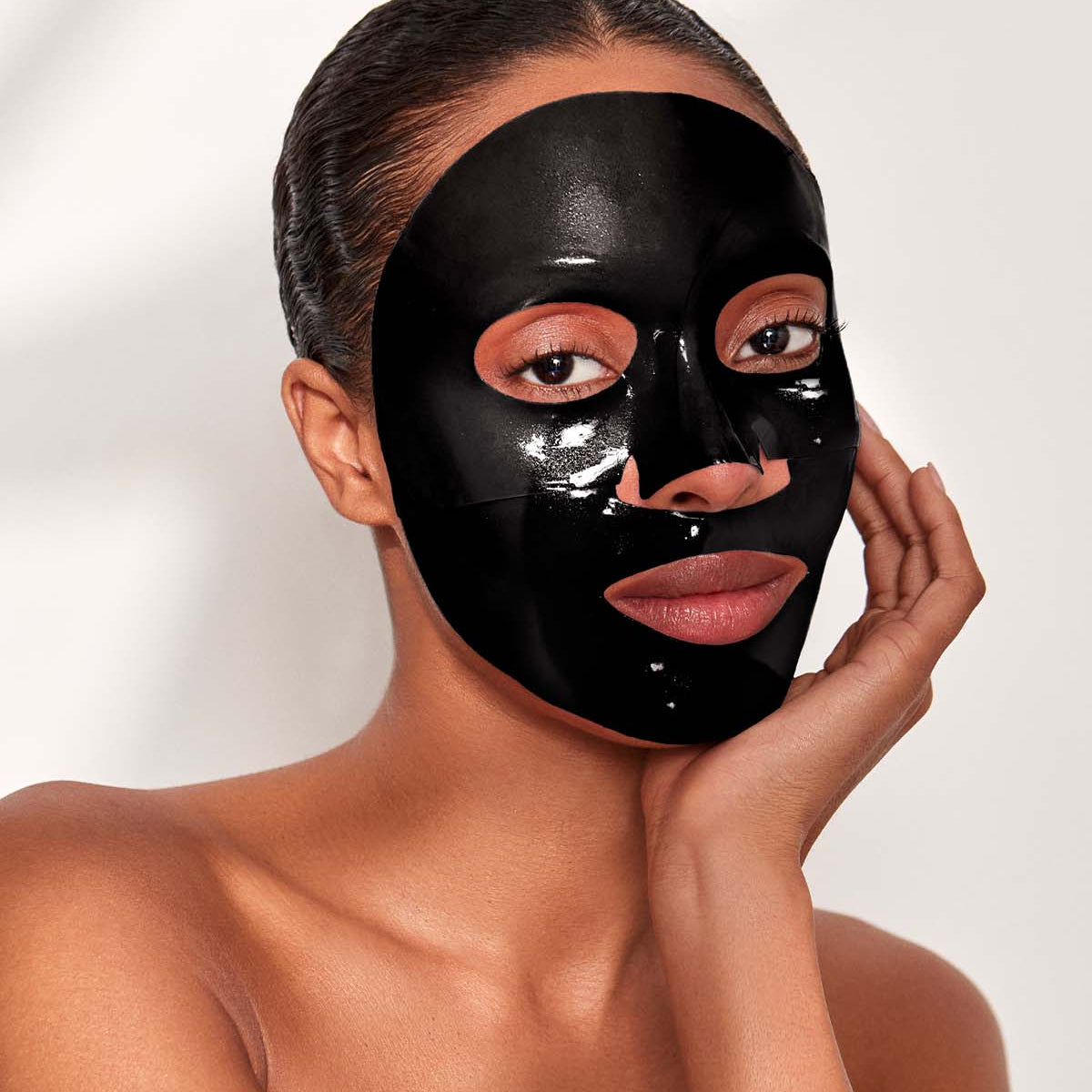
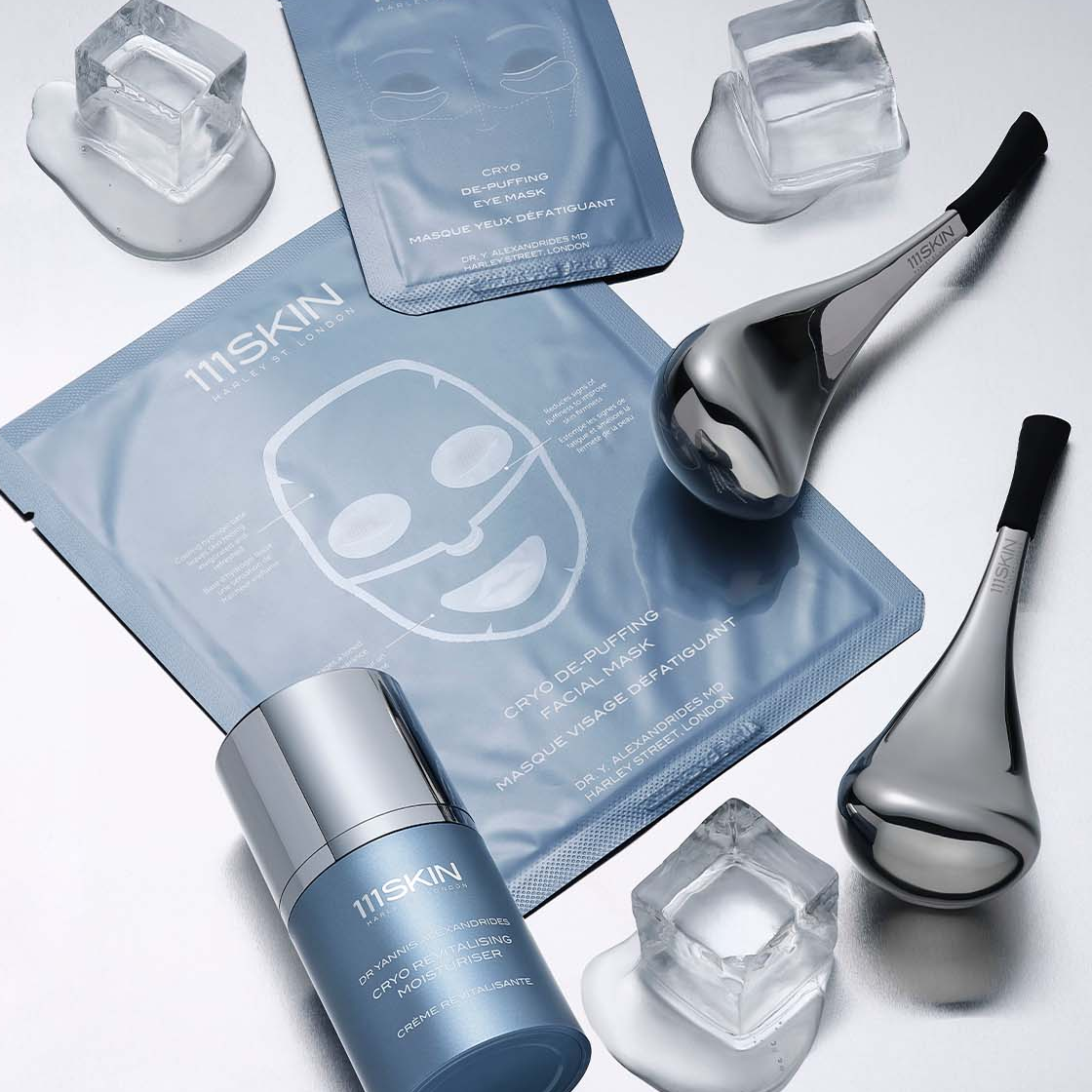
Cryo De-Puffing Facial Mask is a two-piece hydrogel mask for visibly puffy, tired-looking skin, featuring Caffeine and peptides. Its full-face format suits a concern that extends across the face. Refrigeration before use is permitted.
Use it on clean, dry skin after cleansing, morning or evening. Leave it on for 20 minutes, then remove it before applying subsequent leave-on skincare. It is a removable facial treatment, not an overnight mask.
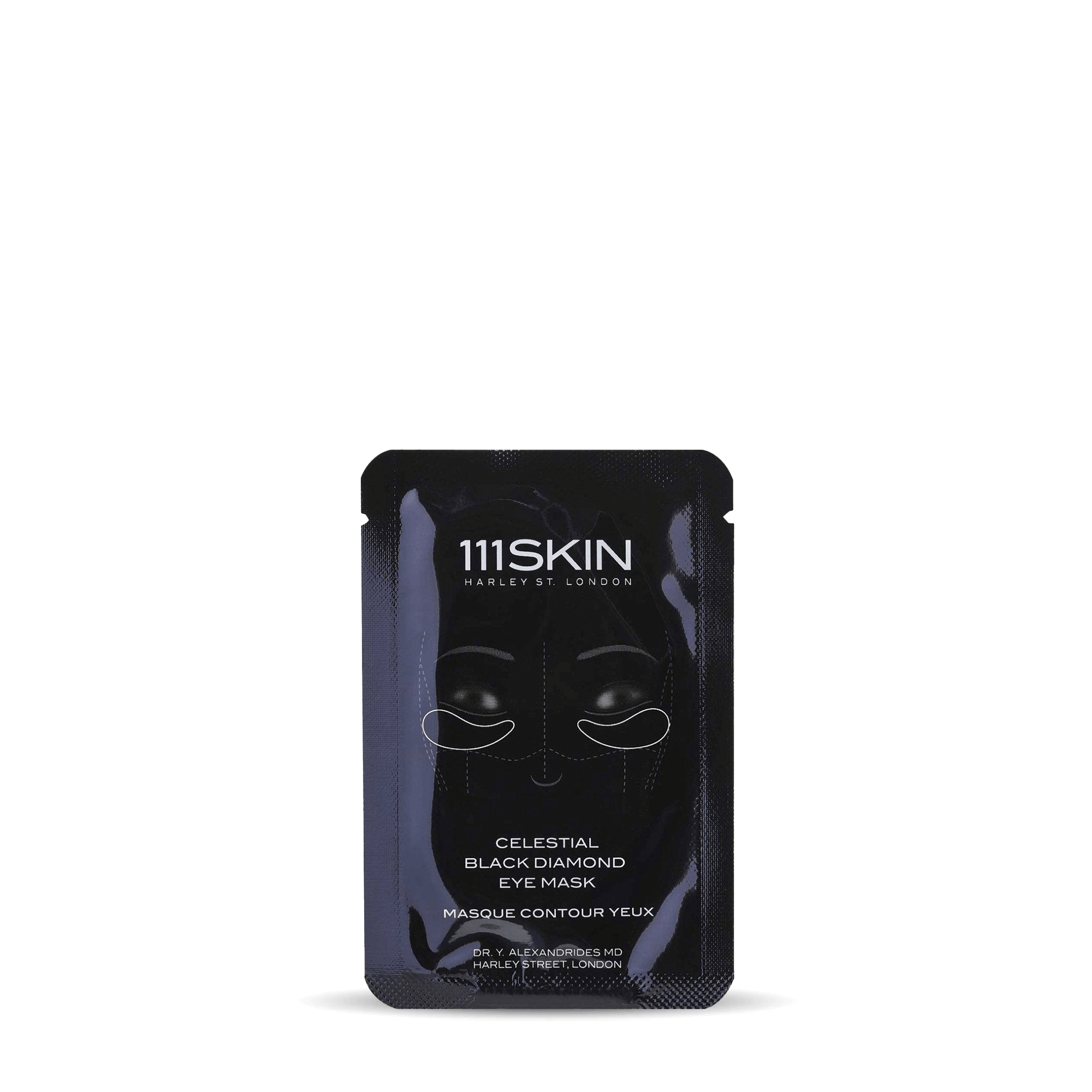
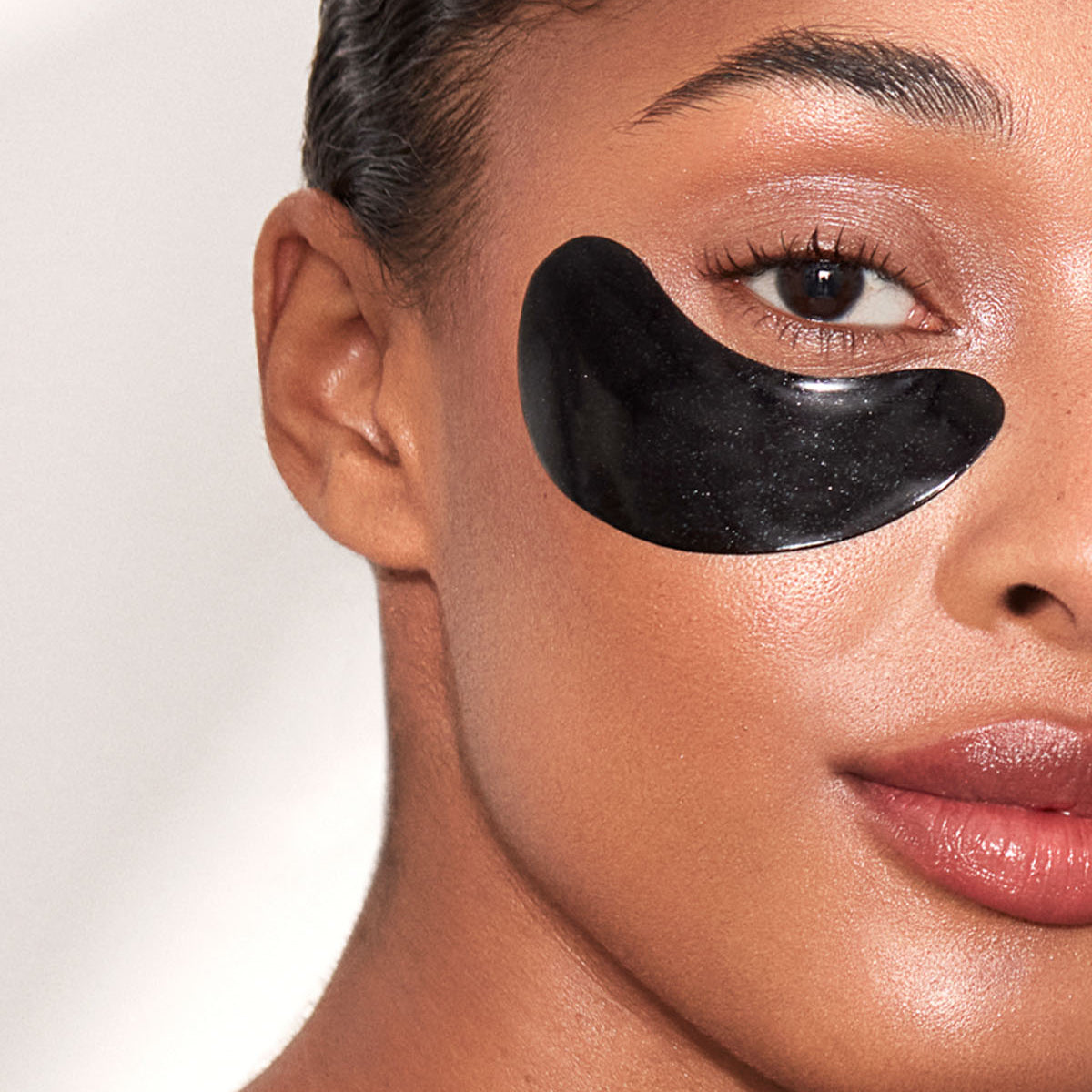
Cryo De-Puffing Eye Mask targets visible puffiness and tired eyes specifically. This hydrogel format features Seaweed Extract, Vitamin E and Peptide Complex, and received InStyle Best Eye Mask in the Best Beauty Buys Awards 2022. Refrigeration before use is also permitted for this mask.
After cleansing, remove the protective films from both sides and place one mask beneath each eye. Wear for 20 minutes, remove and gently pat in the remaining product, morning or evening.
Choose the application area that matches the concern. Neither mask should be expected to provide athletic recovery, systemic anti-inflammatory effects or the physiological response of a cryotherapy chamber.
For a cosmetic goal, match the format to the visible concern: a facial mask for broader facial puffiness, or an under-eye mask for tired-looking eyes.
Build a comfortable routine around targeted care
Everyday hydration and gentle application remain useful whether or not you ever visit a cryotherapy facility. This routine is for ordinary skincare and a targeted mask ritual, not treatment of skin injured by cold.
- Cleanse gently. With dry hands, apply 2 to 3 pumps of Cleansing Oil to dry skin. Massage for 30 seconds, rinse with warm rather than hot water and pat dry.
- Use the chosen mask. Apply the facial or under-eye mask using its method above. Remove it before continuing with leave-on care.
- Apply daily eye care. Eye Lift Gel NAC Y²™ provides lightweight hydration and addresses visible wrinkles, dark circles and puffiness. Share half a pump between ring fingers, pat from the outer corner inwards, then move upwards and sweep over the brow bone back to the outer corner until absorbed. Use morning and evening before serum, avoiding rubbing under the eyes.
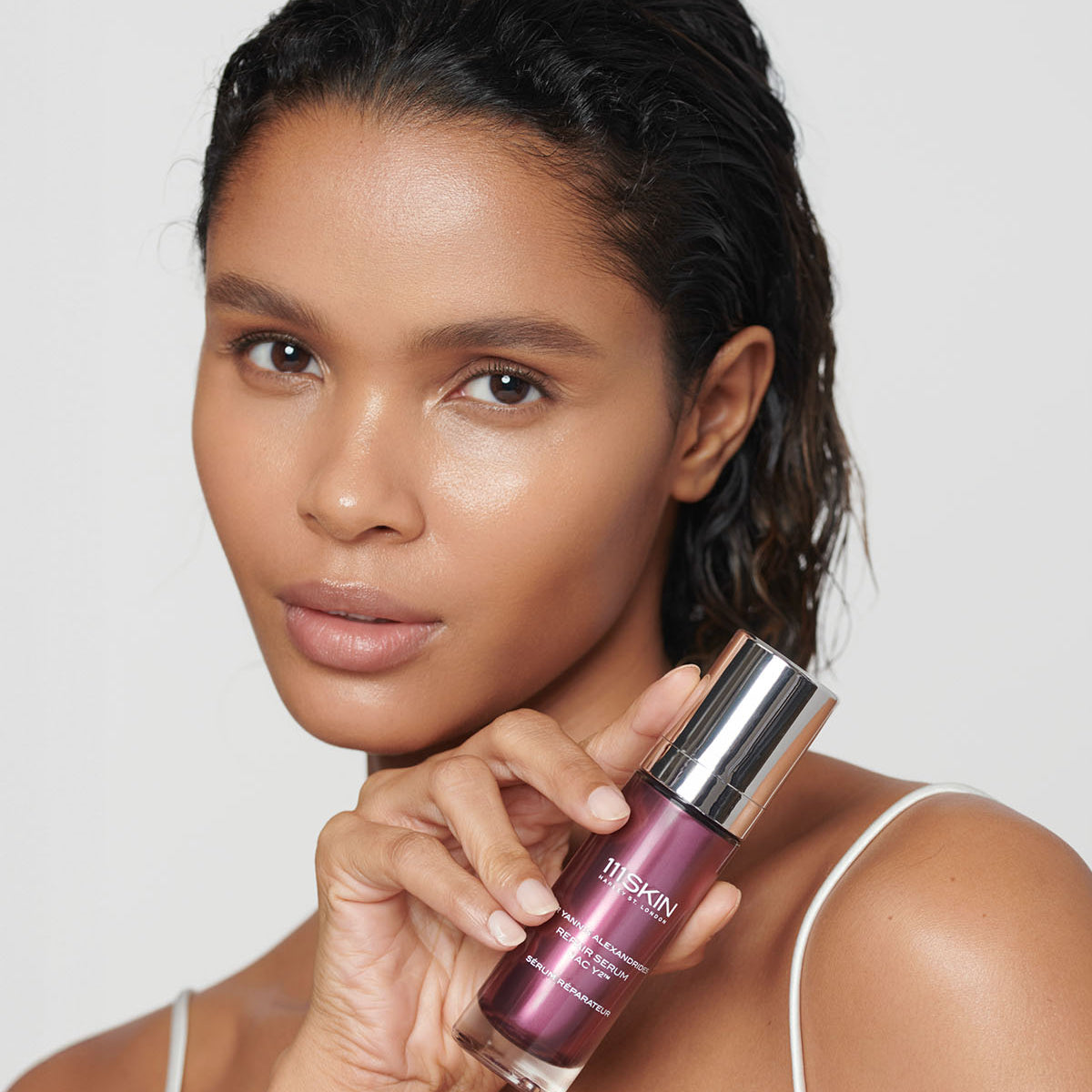
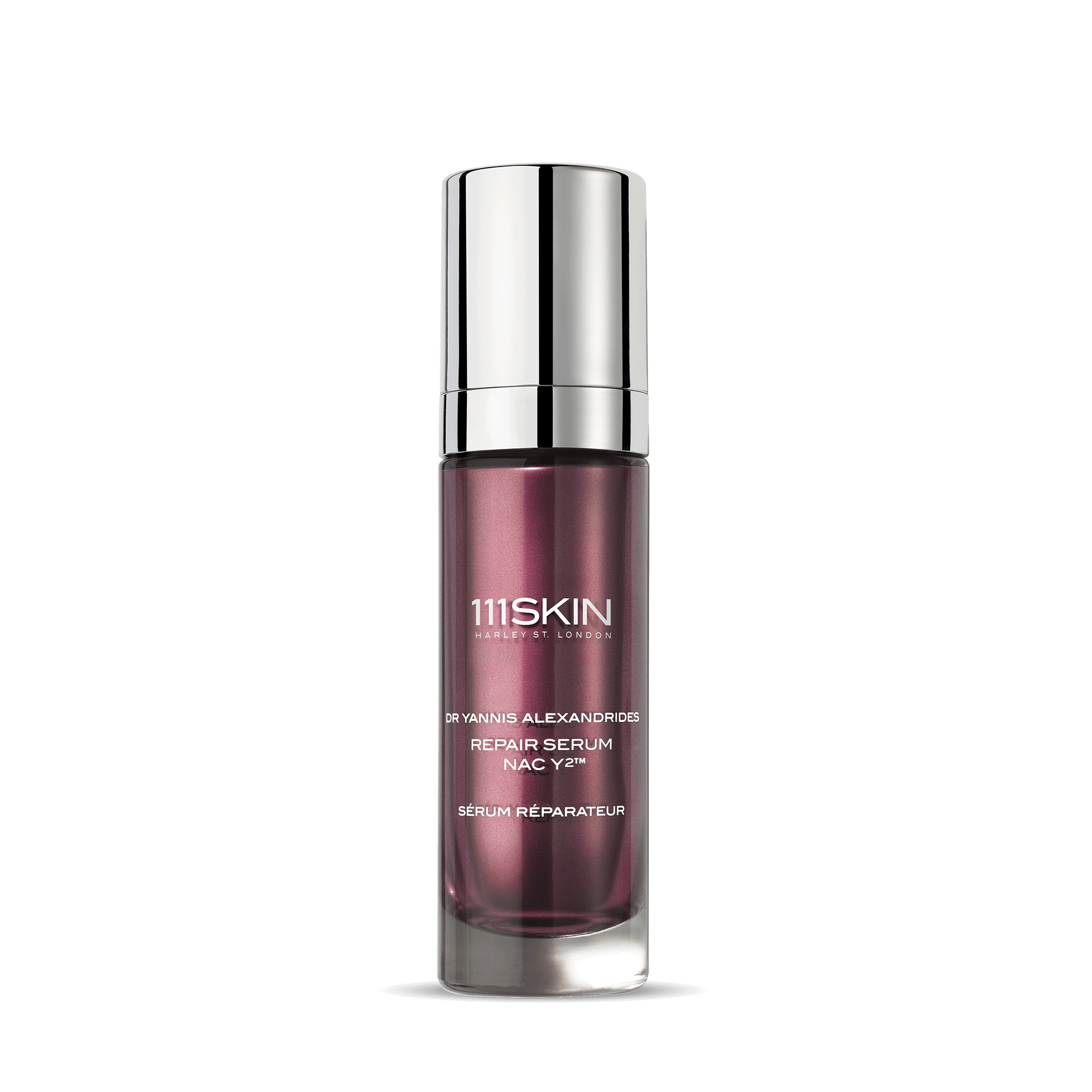
- Follow with serum. Apply 1 to 2 pumps of Repair Serum NAC Y²™ to the face and neck. Its cooling, velvety texture provides hydration and supports smoother, plumper-looking skin.
- Complete with moisturiser. In the morning, apply a pea-sized amount of Repair Day Cream NAC Y²™ to the face, neck and décolletage after serum. In the evening, use Repair Night Cream NAC Y²™ in the same quantity and areas after serum.
- Include daytime sun protection. Apply Repair Sunscreen SPF50+ generously and evenly after moisturiser, 15 to 20 minutes before sun exposure, following its exposure and reapplication instructions.
See Repair Night Cream NAC Y²™ for the evening moisturiser in step five.
Daily eye care and an occasional targeted mask serve complementary purposes. Eye Lift Gel NAC Y²™ also addresses wrinkles: 111SKIN reports a 35% wrinkle reduction after two weeks in a clinical trial of 30 participants using Primos CR. Its gel texture does not limit it to puffiness alone.
Keep pressure light around the eyes and stop any skincare product if irritation occurs. Persistent irritation deserves professional advice. Adding more steps is less useful than applying the relevant products consistently and comfortably.
A clear next step
The most credible whole-body cryotherapy benefits concern short-term perceived soreness and recovery, with possible mood or sleep effects still under investigation. Lasting skin rejuvenation, substantial weight loss and broad disease-treatment claims should not drive the decision.
If you are considering a chamber session, define the goal and discuss suitability with your doctor before booking. If the goal is simply a less puffy, more refreshed-looking face, start with the relevant Cryo De-Puffing mask and a comfortable daily routine, keeping cosmetic care separate from medical treatment.
As with any skincare product, patch test before first use. If you are pregnant or breastfeeding, consult your doctor before using any skincare products.
FAQ
What are the main benefits of whole-body cryotherapy?
Some people experience temporarily reduced perceived muscle soreness and feel more recovered after exercise. Early research also explores mood and sleep, but findings remain inconclusive. Faster muscle repair, improved athletic performance and broad health benefits are not reliably established.
How often should you have whole-body cryotherapy?
There is no universal, evidence-established frequency suitable for everyone. Study protocols vary, and commercial treatment packages do not establish an ideal schedule. Discuss suitability and goals with your doctor before following a provider's proposed programme.
Can whole-body cryotherapy tighten skin or reduce wrinkles?
Lasting improvements in skin firmness, collagen or wrinkles are not established benefits of whole-body cryotherapy. A temporary tight sensation or change in appearance does not demonstrate structural improvement. Select skincare that addresses the specific concern, such as hydration, visible lines or puffiness.
Is a cryotherapy-inspired face mask the same as whole-body cryotherapy?
No, a topical mask is a cosmetic treatment with a specific application area and method. Cryo De-Puffing Facial Mask addresses visibly puffy, tired-looking facial skin, while Cryo De-Puffing Eye Mask targets the under-eye area. Neither replicates the extreme cold exposure or whole-body response of a chamber.