


Table of Contents
- Introduction
- Understand what is making your skin look dull
- Choose serum care for your main concern
- Your daily skincare routine for dull skin
- Address uneven texture without over-treating
- Add radiance when you want an immediate finish
- Adjust the routine and assess your progress
- Build radiance from a consistent foundation
- FAQ
Introduction
An effective skincare routine for dull skin starts with gentle cleansing, targeted serum care, moisturiser and daily sun protection. The most useful treatment depends on what accompanies the dullness: tightness calls for hydration, dark spots benefit from tone-correcting care, and persistent roughness may need a carefully introduced texture treatment.
Brighter-looking skin does not require an aggressive routine. Hydration improves its plump, smooth appearance, while consistent treatment addresses the uneven tone or texture that can make a complexion look flat.
111SKIN was founded by plastic and reconstructive surgeon Dr Yannis Alexandrides and Eva Alexandridis, drawing on his practice at 111 Harley St. in London. That clinical inspiration informs a practical approach: identify the concern, select purposeful formulas and use them consistently.
Understand what is making your skin look dull
Dullness describes an appearance, not a skin type. Dry, oily and combination skin can all look less radiant, and the same person may notice different reasons for it at different times.
Look at your skin in natural light before adding a brightening treatment. Notice whether the main change is how it feels, how evenly coloured it looks or how smooth its surface appears. These observations help you select care without treating every concern as a need for exfoliation.
Tightness, flaking and dehydration
When the skin's surface lacks moisture, it can look less supple and feel rough. Fine lines may appear more noticeable, while make-up can catch on dry patches. Cold weather, indoor heating, hot cleansing water and an overly drying routine can contribute.
Dry skin and dehydrated skin are related but different. Dry skin lacks natural oils; dehydration refers to a lack of water in the skin's outer layers and can affect oily skin too. A shiny forehead does not rule out cheeks that feel tight or uncomfortable.
Hydration and moisturising care work together. Humectants such as Glycerin and Hyaluronic Acid attract water, emollients soften the surface, and moisture-loss-limiting ingredients help retain that water. This explains why a hydrating serum and a moisturiser can have complementary roles.
Uneven tone and visible dark spots
Sometimes skin feels comfortable and smooth but still looks less luminous because its colour is uneven. Visible dark spots and lingering marks can interrupt the appearance of an even complexion, even when there is no obvious dryness.
Here, a targeted tone-correcting serum is more relevant than simply adding another layer of moisturiser. Hydration remains important, but it does not address every reason for uneven-looking colour.
Daily sunscreen belongs alongside this approach. UV exposure contributes to pigmentation and visible ageing, so protecting your skin supports the work of a routine designed to improve uneven tone.
Roughness and surface build-up
Skin naturally sheds surface cells. When these accumulate, the complexion can feel uneven and look less smooth, affecting how light reflects across it.
However, flaking does not automatically mean you need stronger exfoliation. Flakes accompanied by stinging, redness or tightness can signal that your routine is irritating your skin. Adding another active treatment in that situation can increase discomfort.
Use these observations as a starting point:
- Dullness with tightness: prioritise hydrating serum care and a nourishing moisturiser.
- Dullness with dark spots: select a serum that targets visible pigmentation and maintain daily SPF.
- Dullness with comfortable but uneven texture: consider a gradual texture-focused treatment.
- Dullness with irritation: simplify your routine and stop products that cause irritation.
A useful first checkpoint is comfort. Skin that feels tight or stings needs a gentler approach before it needs a more intensive brightening routine.
Choose serum care for your main concern
Hydrating and tone-correcting serums can both contribute to a more radiant-looking complexion. Their distinction is the concern they address most directly, not whether one is universally better for dull skin.
Start with the change you most want to see. This keeps your routine purposeful and makes it easier to judge whether a product is helping.
For dehydration and a less plump appearance
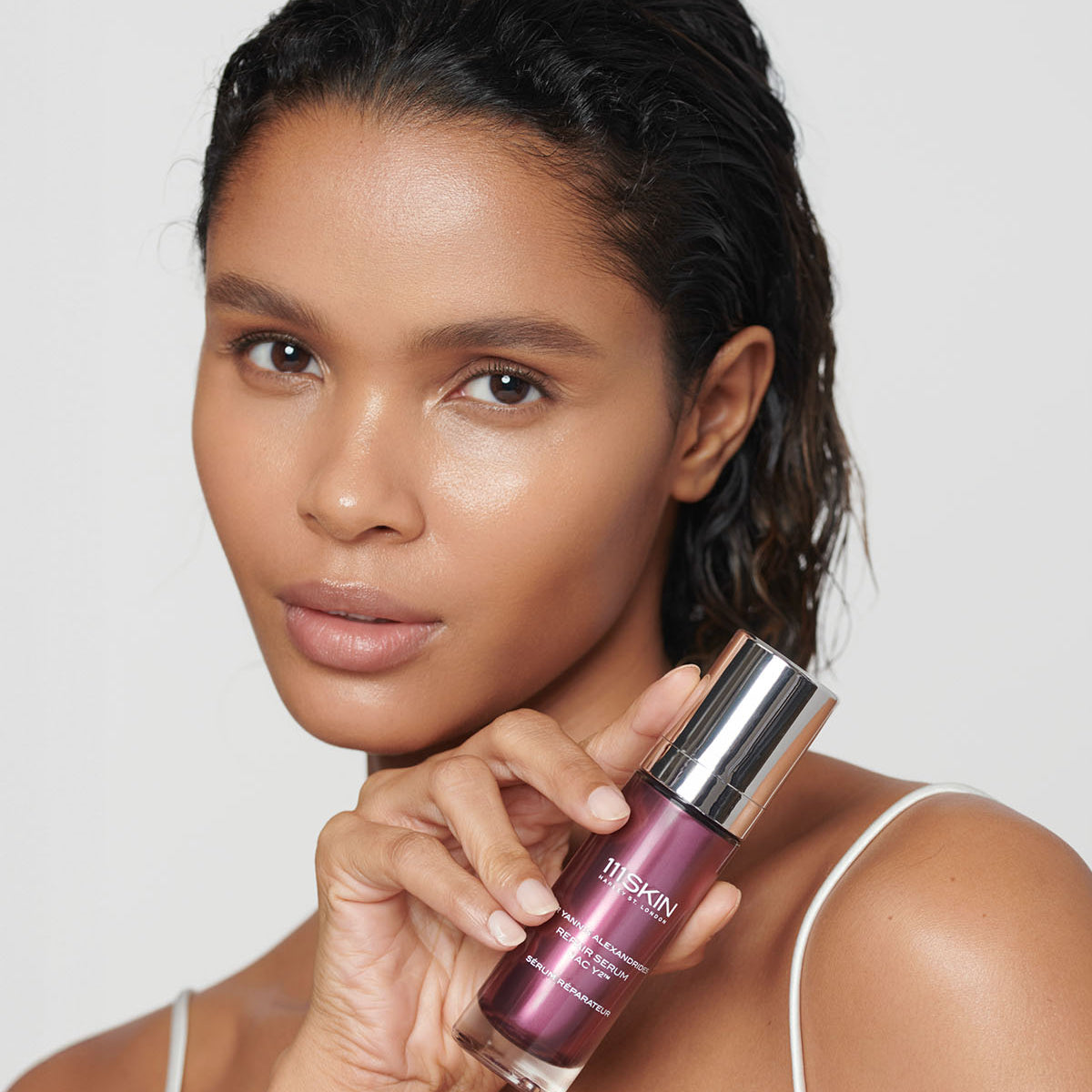
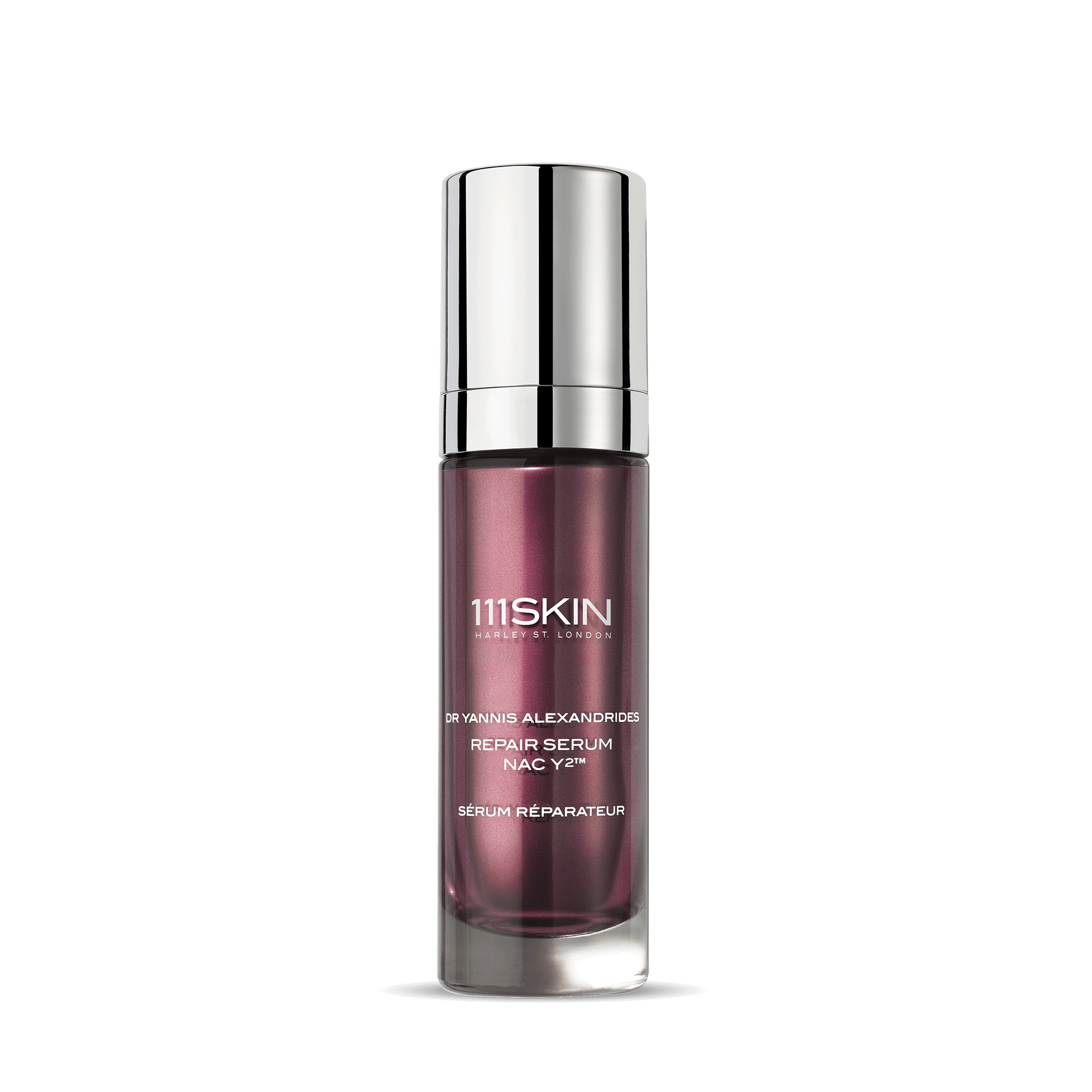
Repair Serum NAC Y²™ provides hydration and helps skin look smoother and plumper. It also addresses visible redness and early signs of ageing, making it a relevant choice when dullness sits alongside a less comfortable-looking complexion.
Its cooling, velvety texture offers a considered treatment step before moisturiser. The formula features NAC Y²™, Pink Rock Rose Extract and Centella Asiatica. The practical reason to choose it is the combination of hydration and visible smoothing, rather than a need to build a long ingredient-led routine.
Repair Serum NAC Y²™ received Tatler's Best Serum for Repair in the Beauty Awards 2025. For a reader whose skin looks flat and feels moisture-depleted, it provides a clear starting point within the daily routine below.
Hydration can soften the appearance of fine surface lines, but changes in pigmentation require their own attention. If your skin feels more supple yet dark patches remain, reassess tone as a separate concern instead of repeatedly increasing moisturiser.
For dark spots and uneven-looking colour
Dark Spot Correcting Serum targets visible dark spots and uneven tone. Its formula includes 2% Tranexamic Acid, 5% seven Swiss Alpine plant extracts and 1% Gluconolactone.
This is the more focused choice when pigmentation is the main reason your complexion looks dull. It addresses the appearance of uneven colour through continued care, while a radiance booster gives a more immediate luminous finish.
111SKIN reports a 36% reduction in hyperpigmentation after 56 days in a clinical trial of 32 participants using Dark Spot Correcting Serum. That gives useful context for a concern that should be assessed over sustained use, not after a single application.
Look for changes in the contrast between dark spots and the surrounding skin. Assessing the same areas in similar lighting is more useful than judging overall brightness under different bathroom or office lights.
Your daily skincare routine for dull skin
The following routine establishes a consistent foundation without making every treatment compulsory. Choose the serum that best matches your main concern: Repair Serum NAC Y²™ for hydration and a smoother, plumper appearance, or Dark Spot Correcting Serum for visible dark spots and uneven tone.
Introduce new products individually so you can recognise how your skin responds. Extra radiance finishes and texture treatments have specific roles, which are explained later.
Morning: hydrate, treat and protect
Morning care should leave skin comfortable and prepared for sunscreen and make-up. Cleansing should remove residue without leaving the face feeling stripped; a squeaky finish is not a useful measure of cleanliness.
- Cleanse gently. With dry hands, apply 2 to 3 pumps of Cleansing Oil to dry skin. Massage for 30 seconds, rinse with warm rather than hot water and pat dry. It emulsifies to remove make-up and impurities while leaving skin softer.
- Apply your chosen serum. Use 1 to 2 pumps of Repair Serum NAC Y²™ on the face and neck. If uneven tone is your priority, use 1 to 2 pumps of Dark Spot Correcting Serum evenly over the face and neck instead.
- Moisturise. Apply a pea-sized amount of Repair Day Cream NAC Y²™ to the face, neck and décolletage after serum. Its nourishing hydration and skin-barrier support are especially useful when dullness accompanies dryness.
- Apply sunscreen. Use Repair Sunscreen SPF50+ generously and evenly after moisturiser, 15 to 20 minutes before sun exposure. Follow its exposure and reapplication instructions.
Sunscreen is a protective step in a radiance routine, not an occasional addition reserved for hot weather. Use shade and protective clothing alongside it when appropriate, and remember that the original morning application does not remove the need for reapplication.
Keep sunscreen as its own layer. Mixing it with a glow product or moisturiser changes the way you apply it and should not become a shortcut in this routine.
Evening: remove the day and replenish moisture
Evening cleansing removes make-up and accumulated impurities before leave-on care. Cleansing Oil can be used alone or as the first step in a double cleanse; a second cleanse is a choice based on what needs removing, not a measure of how thoroughly you care for your skin.
- Cleanse. Use Cleansing Oil with the same dry-hand, dry-skin method above. Rinse thoroughly with warm water and pat dry, avoiding vigorous rubbing with a towel.
- Apply targeted serum care. Apply 1 to 2 pumps of Repair Serum NAC Y²™ to the face and neck, or 1 to 2 pumps of Dark Spot Correcting Serum evenly over those areas.
- Finish with moisturiser. Apply a pea-sized amount of Repair Night Cream NAC Y²™ to the face, neck and décolletage after serum. This replenishing evening moisturiser completes the routine.
The evening routine should finish with skin feeling comfortable, not persistently sticky from excess product or tight from cleansing. More pumps do not automatically produce more radiance. Use the stated amounts and review individual layers if the routine feels unnecessarily heavy.
On evenings when you introduce Black Diamond Retinol Oil, the treatment goes before serum and moisturiser, as explained below. Keep that product-specific order even though some other facial oils are applied later.
Address uneven texture without over-treating
Hydration, moisturiser and sunscreen should remain the foundation when you add texture-focused care. A treatment is most useful when it addresses roughness that persists despite a comfortable, consistent basic routine.
Avoid interpreting every uneven patch as a reason to intensify treatment. Skin can look rough because it is dry or irritated, as well as because surface cells have accumulated.
Where exfoliation fits
Exfoliation removes dead cells from the skin's surface and can help it look smoother and more radiant. Physical methods use friction, while chemical exfoliants use ingredients that help loosen the connections between surface cells.
The important decision is how your skin responds, not how strong a treatment feels. Tingling, burning or visible peeling is not proof that a product is producing better results. Follow the directions for the exact exfoliant you choose, including any restrictions around other treatments.
Do not add several exfoliating products simply because each has a different name. Cleansers, toners, peels and leave-on treatments can all contribute exfoliation, so consider the whole routine. If irritation develops, stop the product responsible and return to gentle cleansing and moisturising care.
When a retinoid treatment is relevant
Black Diamond Retinol Oil addresses visible lines, uneven tone and texture. It is a relevant evening choice when dullness is accompanied by persistent uneven texture or visible lines, rather than dryness alone.
The formula contains a combined 2.5% blend of Retinol and Granactive Retinoid in an oil base. Apply 2 to 3 drops in the evening, avoiding the eyes and lips. Begin with 1 to 2 evenings weekly for the first 2 to 3 weeks, then increase gradually.
Follow with serum and moisturiser, including during the introductory period, and use SPF the next morning. In the routine above, this means applying the oil before your serum step and completing care with Repair Night Cream NAC Y²™.
Do not use Black Diamond Retinol Oil during pregnancy. If you are breastfeeding, discuss its use with your doctor. Stop use if irritation occurs; persistent irritation merits professional advice.
Add radiance when you want an immediate finish
Longer-term improvements in tone and texture serve a different purpose from an immediate glow. A luminous finish can make skin look refreshed for the day while your established routine continues to address the underlying cosmetic concern.
Select the format that suits the moment: a booster within morning moisturising care, a mist after the completed routine or a removable mask when you have time for a dedicated treatment.
A luminous morning finish
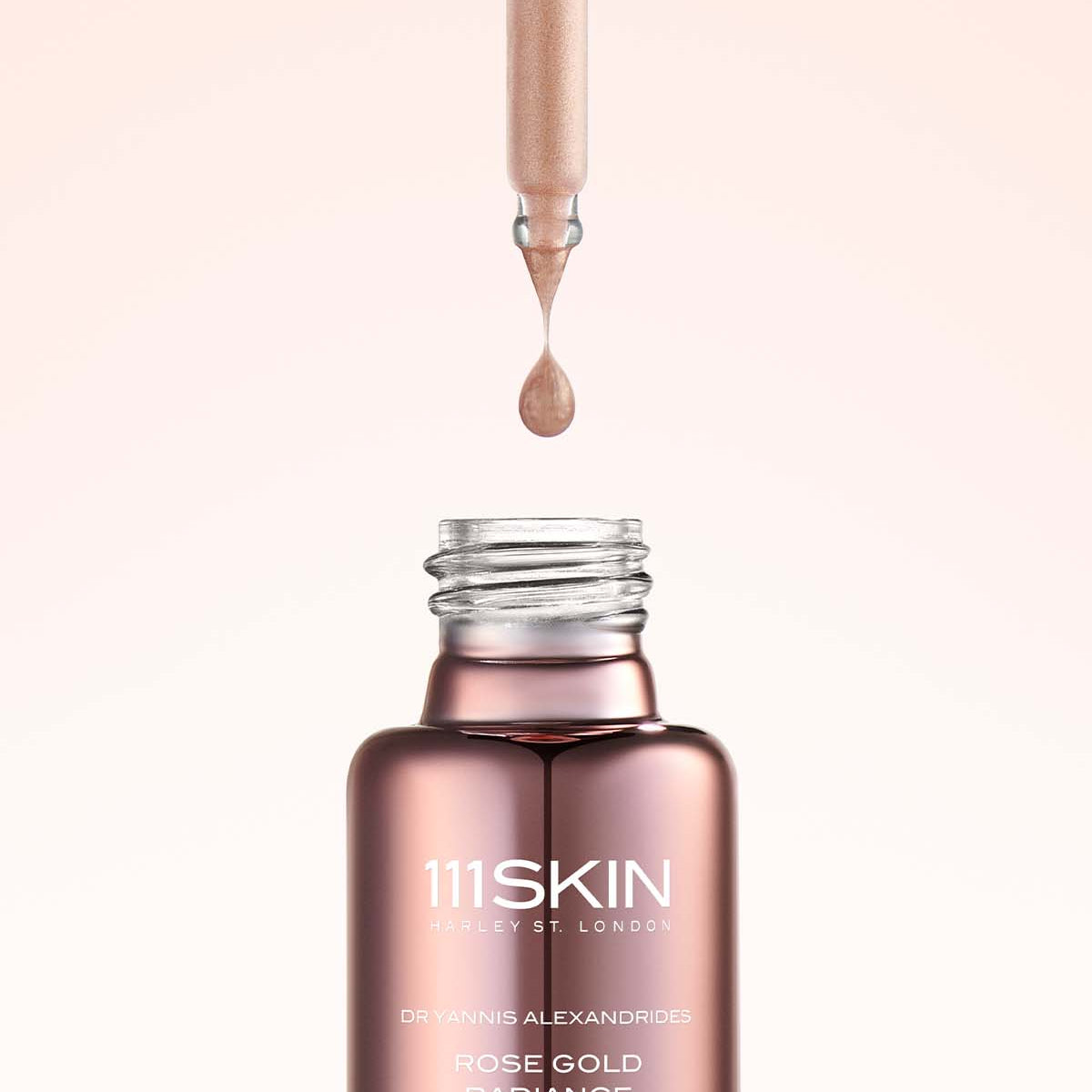
Rose Gold Radiance Booster provides immediate luminosity with a subtle shimmer, alongside hydration. It features Aloe-Moss Extract, Damascus Rose and Hyaluronic Acid.
For all-over radiance, shake the bottle in the morning and mix 1 to 2 drops with moisturiser. In the morning routine above, this adapts the moisturising step; sunscreen still follows separately. The shimmer creates an immediate visual effect, while Dark Spot Correcting Serum remains the targeted choice for visible pigmentation.
This distinction is particularly useful before an occasion. You can select a luminous finish today without expecting a cosmetic shimmer to change the appearance of dark spots over time.
A refresh after skincare or over make-up
All Day Radiance Face Mist adds hydration and radiance in a convenient spray format, leaving skin refreshed and glowing. Rose water, humectants including Glycerin and Hyaluronic Acid, and a multi-peptide blend feature in the formula.
Use it after the completed skincare routine, over make-up or for a daytime refresh. Hold it 8 to 10 inches from the face, close your eyes and spray 2 to 3 times, avoiding direct eye contact.
The practical advantage is that you can refresh dry-feeling skin without restarting skincare or disturbing your routine with another cream layer. Keep it as a finishing step, not between skincare layers, and continue your normal sunscreen reapplication.
A 20-minute radiance treatment
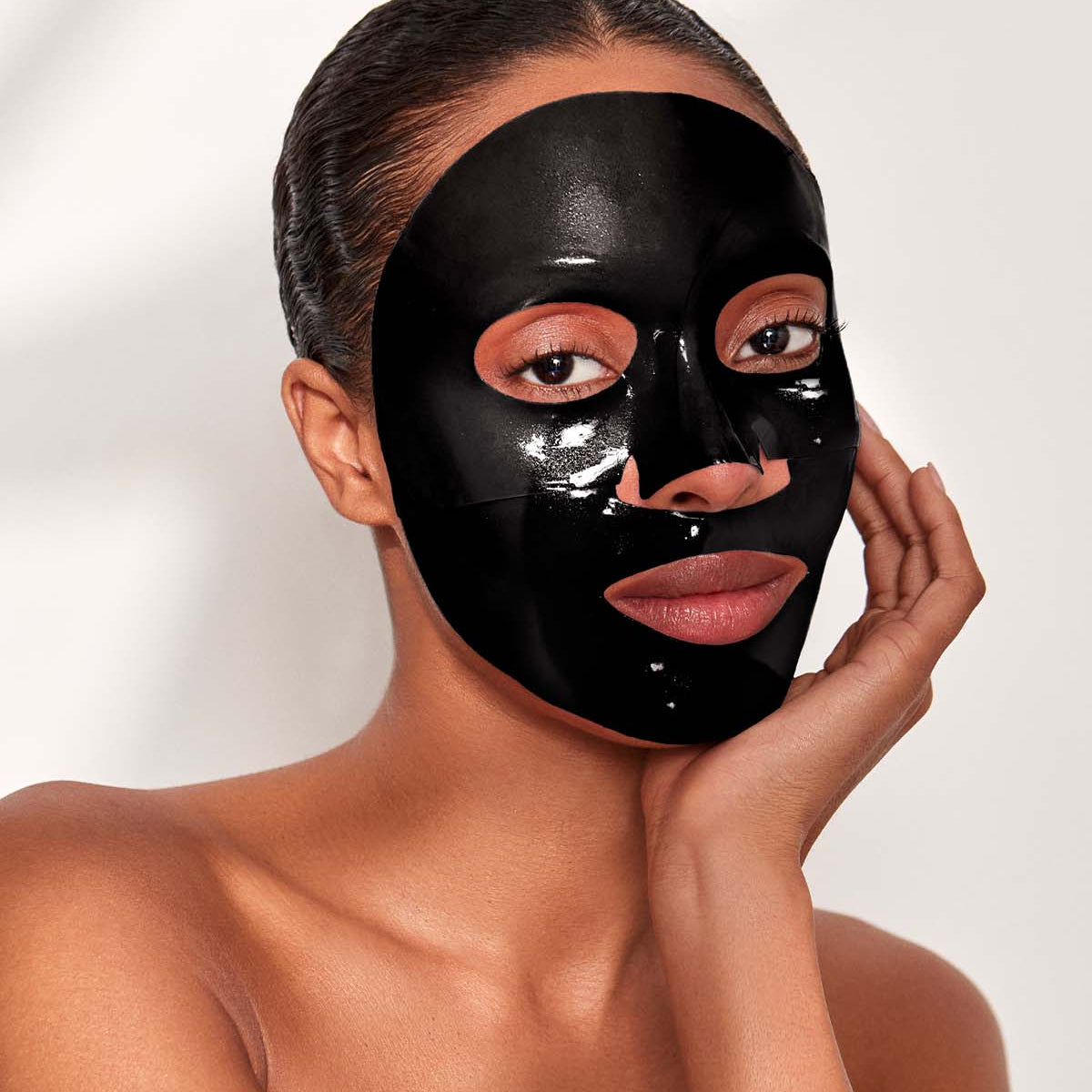
Rose Gold Brightening Facial Treatment Mask offers hydration and a plumper, radiant finish in a hydrogel format. Featuring Damask Rose and Gold, it is a useful choice when you want a dedicated preparation step before make-up or an evening out.
Apply it to clean, dry skin after cleansing, morning or evening. Wear it for 20 minutes, then remove it before subsequent leave-on skincare. It belongs between cleansing and the serum step in the routine, not over a completed routine or as an overnight treatment.
The mask was included in WWD Beauty Inc's 100 Greatest Skin Care Products of All Time in 2024. Its most useful role here is straightforward: a focused hydration and radiance ritual when you have time to pause.
Match the format to the task: serum for your ongoing concern, booster for a luminous morning finish, and mist for a convenient refresh after skincare or over make-up.
Adjust the routine and assess your progress
A routine should respond to your skin's needs without changing so frequently that you cannot judge it. Seasonal dryness, a different cleansing habit or the introduction of a new treatment can all change how your usual products feel.
If your skin is oily or combination
Oiliness and radiance are not the same thing. Skin can have surface shine while looking uneven in tone or feeling dehydrated in places. Avoid trying to remove all shine through repeated washing or aggressive exfoliation.
Apply products in their stated quantities and pay attention to the whole face, including drier cheeks. If make-up becomes heavy or products pill, review how many additional layers you are using before assuming you need stronger cleansing.
If your skin is sensitive or suddenly uncomfortable
Start with the cleansing, moisturising and protective foundation, then introduce targeted care individually. Avoid adding a retinoid and an exfoliant at the same time, because it becomes harder to identify what is causing a reaction.
Stop use if a product irritates your skin. Persistent stinging, redness or an unexplained change deserves professional advice rather than further experimentation with brightening products.
What improvement should look like
Assess more than shine. Useful changes include skin feeling less tight after cleansing, make-up sitting more evenly, a smoother-looking surface and reduced contrast between dark spots and surrounding skin.
Hydration and luminous finishes can change appearance sooner than a treatment aimed at pigmentation. Give ongoing treatments consistent use without expecting every concern to improve on the same schedule. Photographs taken in similar natural light can help you judge gradual changes more reliably.
Sleep, a balanced diet and adequate fluid intake support general wellbeing, but drinking extra water is not a replacement for moisturising dry skin. Keep lifestyle care realistic and maintain the topical routine that addresses what you can actually see and feel.
Build radiance from a consistent foundation
The most useful skincare routine for dull skin combines daily hydration and protection with a treatment selected for your main concern. Start with Repair Serum NAC Y²™ when skin looks less plump and feels moisture-depleted, or Dark Spot Correcting Serum when uneven tone is the priority.
Keep cleansing gentle, complete both routines with moisturiser and use sunscreen every morning. Once that foundation feels comfortable, decide whether texture care or an immediate radiance finish would add something useful. If you are unsure where to begin, the 111SKIN skincare quiz can help organise your choices around your concerns.
As with any skincare product, patch test before first use. If you are pregnant or breastfeeding, consult your doctor before using any skincare products.
FAQ
What is the best skincare routine for dull skin?
Start with gentle cleansing, a serum chosen for hydration or uneven tone, moisturiser and daily sunscreen. Keep the routine consistent before adding texture treatments or extra radiance steps. The best choice addresses what accompanies your dullness, such as tightness, dark spots or roughness.
Should I exfoliate every day to brighten dull skin?
Daily exfoliation is not a universal requirement for radiance. Follow the exact product's directions and consider other exfoliating treatments already in your routine. If skin feels tight, stings or becomes irritated, stop the irritating product and focus on gentle care.
Can oily skin be dull and dehydrated?
Yes, oily skin can lack water in its outer layers while still producing surface oil. It may look shiny in some areas and feel tight or appear less supple elsewhere. Hydrating care and an appropriate moisturiser remain relevant, alongside gentle cleansing.
How long does it take for dull skin to look brighter?
Hydration and radiance-enhancing finishes can improve appearance sooner than treatments targeting uneven pigmentation or persistent texture. Results vary with the concern, formula and consistency of use, so avoid expecting one universal deadline. Assess comfort, smoothness and tone separately in similar lighting.