


Table of Contents
- Introduction
- Stainless steel vs jade: what actually changes?
- What can facial gua sha realistically do?
- How to choose the right tool for your skin and habits
- How to use either material gently
- Cleaning and storing steel and jade
- Keep skincare at the centre of the routine
- When a de-puffing mask is the more useful format
- The best choice is the one you can use gently and maintain
- FAQ
Introduction
Stainless steel and jade gua sha tools can both provide a smooth, gentle facial massage. Choose stainless steel if durability and straightforward cleaning are your priorities; choose jade if you prefer the feel and appearance of polished stone. Neither material has strong evidence of superior lasting results for wrinkles, firmness or facial contour.
The differences that matter most are practical: the condition of the edge, how comfortably you hold the tool, its temperature against your skin and how easily you can maintain it. A well-finished tool used with light pressure is more useful than a particular material paired with an aggressive technique.
Stainless steel vs jade: what actually changes?
Surface and cleaning
A polished stainless steel tool has a non-porous surface that is straightforward to wash. This makes it a practical choice when you want to remove skincare residue thoroughly after each use. However, non-porous does not mean antibacterial or self-cleaning: oil, moisturiser and microorganisms can still remain on an unwashed surface.
Jade also needs careful cleaning, particularly around curved edges and any engraved details. Its finish, treatments and condition matter, so the broad claim that every jade tool inevitably traps bacteria is not a useful basis for choosing one. An intact, smoothly polished stone should still be washed after every session.
For either material, simple construction helps. A single-piece tool with accessible curves is easier to inspect and clean than one with seams, textured recesses or decorative attachments.
Durability and damage
Stainless steel is generally more resistant to breakage from an accidental drop. That is a meaningful advantage if you use your tool near a tiled bathroom floor or take it travelling. It is durable, not indestructible: inspect it for rough scratches, damaged edges or changes to any coating.
Jade can last well with careful handling, but a fall may chip or crack it. Even a small chip can turn a comfortable edge into one that scratches or catches the skin. Stop using a damaged tool rather than trying to work around the affected area.
There is no universal replacement schedule for either material. The tool's condition matters more than its age.
Temperature and skin feel
Both steel and jade can feel cool when first placed against warm skin. Stainless steel transfers heat readily, which can make its initial touch feel particularly cool. That sensation does not establish that every steel tool stays cold longer than every jade tool.
Temperature changes depend on the tool's size, thickness, starting temperature and contact with your hands and face. Neither material generates its own cold, and both will warm during use.
Choose a temperature that feels comfortable. A stronger cold sensation is not evidence of a better treatment, and refrigeration should follow the individual tool manufacturer's instructions. Avoid using a frozen tool against the face.
Weight, thickness and control
Material alone does not tell you how heavy a tool will feel. A thin steel tool may weigh less than a thick jade one, while a solid steel design may feel noticeably substantial. Look at the actual dimensions and weight instead of assuming that steel always provides deeper pressure or jade always feels gentler.
The edge is equally important. A broad, rounded edge spreads contact across a larger area; a narrow or pointed section concentrates it. For a home facial ritual, prioritise smooth curves and a secure grip over elaborate shapes.
| Your priority | Stainless steel | Jade |
|---|---|---|
| Resistance to accidental drops | Generally the more resilient choice | Needs more protection against chips and cracks |
| Cleaning | Smooth, non-porous surface is easy to wash | Requires careful washing and inspection of the finish |
| Initial sensation | Often feels distinctly cool | Can also feel cool and smooth |
| Handling | Weight and grip depend on the design | Weight and grip depend on the design |
| Lasting cosmetic results | No established material-specific advantage | No established material-specific advantage |
What can facial gua sha realistically do?
Temporary freshness and reduced-looking puffiness
Gentle facial massage can leave the face feeling relaxed and looking temporarily refreshed. Some people notice less visible puffiness after a light session, although the extent and duration vary. That is different from removing facial fat or permanently changing the jawline.
Puffiness also fluctuates naturally with sleep, allergies and other factors. A photograph taken immediately after massage cannot show whether a material has produced a lasting change. Lighting, head position and the time of day can make facial contours look different too.
If temporary puffiness is your concern, comfort and light technique are more relevant than choosing the hardest or heaviest tool. Persistent, painful or one-sided swelling needs medical advice, not more massage.
Radiance, lines and firmness are different goals
A fresh-looking complexion after massage should not be confused with the gradual benefits of targeted skincare. Evidence for lasting facial gua sha effects remains limited, and there is no strong basis for promising that jade or steel rebuilds collagen, erases wrinkles or lifts sagging skin.
Hydration can make fine lines look softer and the skin surface appear smoother. Firmer-looking skin, uneven pigmentation and temporary puffiness are separate concerns, even when they contribute to the same impression of tiredness. Identifying the main concern helps you decide what the tool can contribute and where skincare deserves more attention.
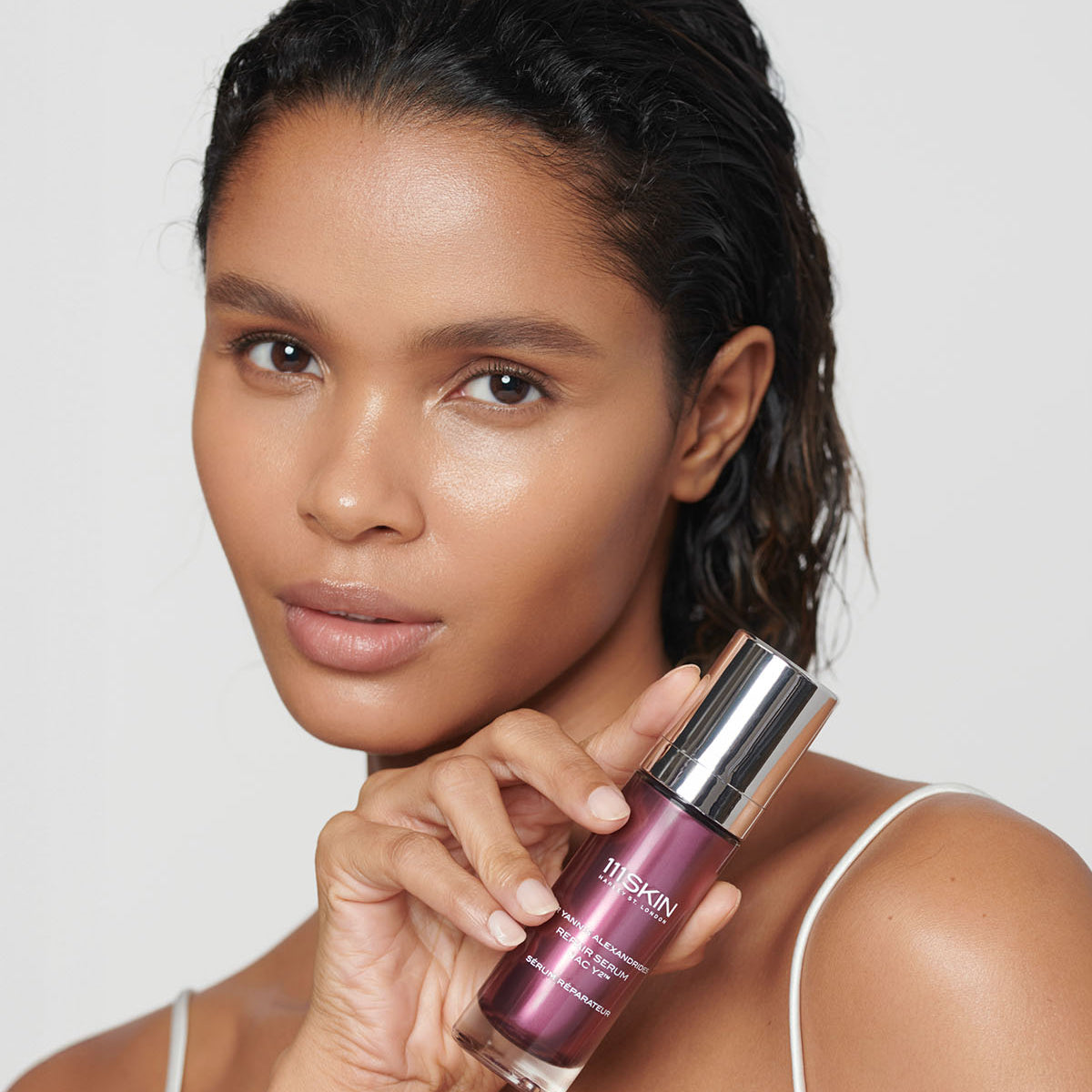
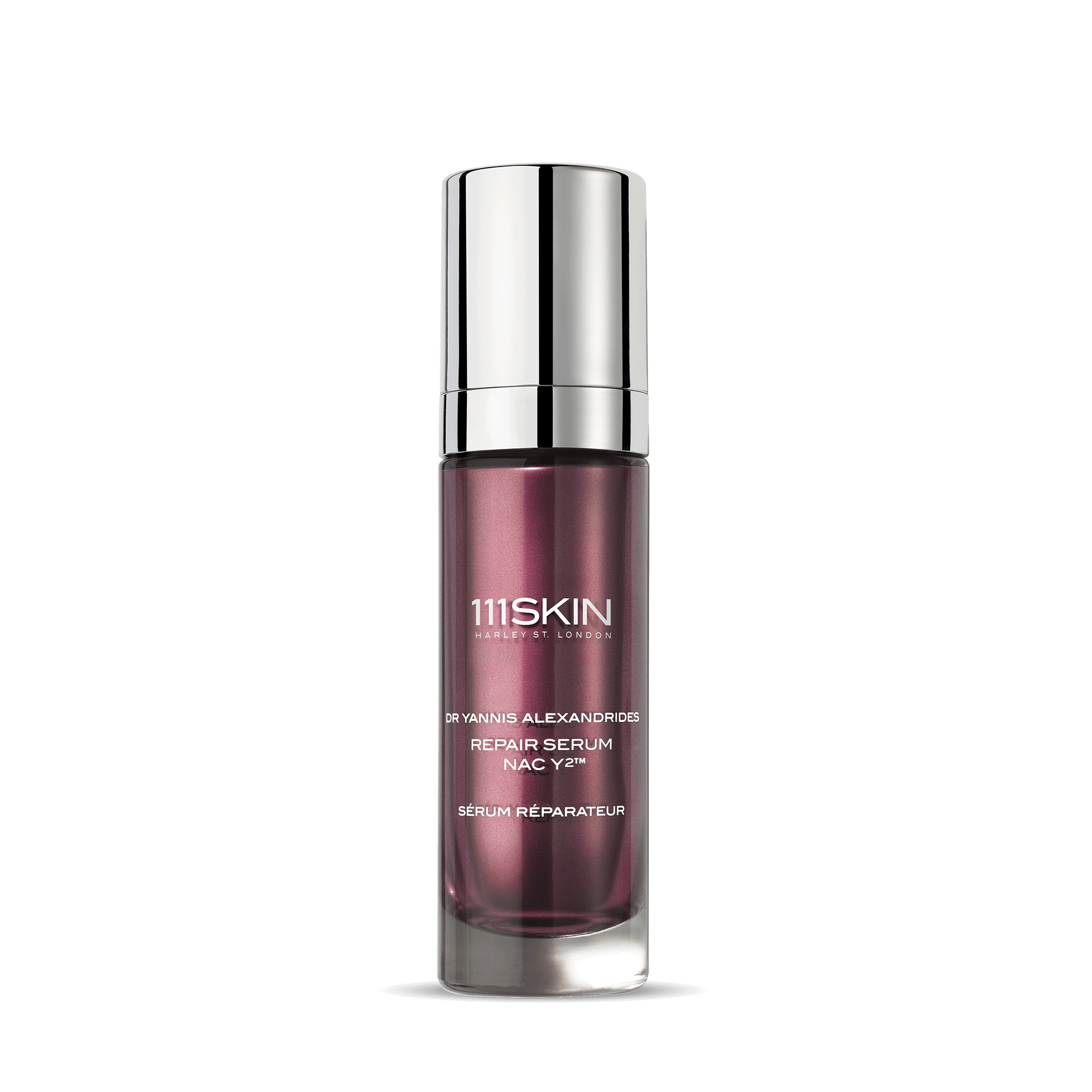
For hydration and smoother, plumper-looking skin, Repair Serum NAC Y²™ offers a cooling, velvety texture and also addresses visible redness and early signs of ageing. Its role is daily leave-on care; the massage tool supplies the tactile ritual. Neither needs exaggerated claims to be useful.
What the material cannot add
Jade's cultural significance and visual appeal can make it a meaningful personal choice. Those qualities do not establish that minerals transfer into the skin or provide a unique anti-ageing effect.
Likewise, stainless steel's use in medical instruments does not make a cosmetic tool a medical treatment. Claims that a steel tool drives active ingredients deeper into the skin, detoxifies the face or delivers a permanent sculpting effect go beyond what the material itself demonstrates.
Choose the material for handling and upkeep. Judge the session by comfortable glide and calm skin afterwards, not by redness, pressure or a dramatic contour photograph.
How to choose the right tool for your skin and habits
When stainless steel makes sense
Stainless steel is a strong practical choice if you want a tool that tolerates everyday handling and is easy to wash. Its resilience is especially useful for travel, although a protective case still helps prevent scratches and keeps the clean surface separate from other belongings.
If you have a known metal allergy, check the alloy with the manufacturer before buying. Some stainless steels contain nickel, and a polished finish does not make every alloy suitable for every person.
Look beyond terms such as "professional" or "surgical-grade". Clear material information, a comfortable shape and proper care instructions are more useful than a label that does not explain the actual construction.
When jade makes sense
Choose jade when you enjoy the feel of stone and are comfortable handling it carefully. A smoothly finished jade tool can provide the same basic gliding massage as steel without needing to outperform it.
Buy from a supplier that identifies the material clearly. Green colour alone does not establish that a tool is jade, and price alone does not confirm authenticity. Cosmetic usefulness still depends on a smooth, intact surface, even when the stone is genuine.
You do not need to replace an undamaged jade tool simply because steel is fashionable. If it sits comfortably in your hand, cleans well and glides without catching, it can remain part of your routine.
Sensitive or blemish-prone skin needs a different decision
Neither material makes facial massage automatically suitable for reactive skin. Friction, pressure, temperature and the product underneath the tool may matter more than whether the tool is stone or metal.
Before choosing either, consider these checkpoints:
- Your skin is comfortable and intact: a cautious, light session may suit you.
- Your skin is stinging, sunburnt or visibly irritated: pause massage and focus on gentle care.
- You have inflamed blemishes or broken skin: avoid passing the tool over those areas.
- You bruise easily or take blood-thinning medication: ask your clinician whether gua sha is appropriate before starting.
Stainless steel's easy cleaning can be convenient for blemish-prone skin, but it does not treat acne or make massage over active breakouts advisable. Jade is not inherently gentler simply because it is a natural material.
How to use either material gently
Facial gua sha takes inspiration from a traditional Chinese practice, but a gentle cosmetic facial routine should not reproduce forceful body scraping. Bruising, pinpoint bleeding and pain are not goals for at-home facial massage.
Follow the directions supplied with your particular tool, especially for its shaped edges and intended areas. The following principles help keep an ordinary facial session controlled.
Prepare for glide, not grip
Start with clean hands, a clean tool and cleansed skin. Apply a familiar, well-tolerated moisturiser or a plain facial oil that provides enough slip for the tool to move without dragging. The right product is one that remains comfortable during massage, not necessarily the richest texture.
A lightweight hydrating serum may absorb too quickly to provide sustained glide. If the tool begins to catch, do not compensate by pressing harder or repeatedly stretching the skin.
A treatment oil containing retinoids is not interchangeable with a plain massage oil. Use active treatments according to their own directions rather than adding extra drops to extend a massage.
Use broad contact and light pressure
Hold the tool at a shallow angle so that a smooth section rests close to the skin. Work slowly across broad areas of the cheeks, jaw and forehead, following the tool manufacturer's facial technique. Keep pressure light enough that the skin is not visibly bunching or being pulled along.
A simple session follows this order:
- Check the surface. Run a clean fingertip carefully around the edge to identify roughness or damage.
- Establish a comfortable glide. Test a short pass on the cheek before working across a larger area.
- Move slowly and gently. Use controlled strokes, lifting and repositioning the tool between passes.
- Finish when glide diminishes or skin feels sensitised. More repetitions are not necessarily more useful.
- Wash the tool and assess your skin. It should feel comfortable, without tenderness or bruising.
Avoid pressure on the eyelids and direct contact with the eyes. Do not use pointed edges to dig beneath the cheekbones or along the jaw in pursuit of a sharper contour.
Let skin response set the pace
There is no universal need to perform gua sha every day or to complete a fixed number of strokes. Begin with a brief session and see how your skin feels afterwards and later that day.
If you experience burning, soreness, persistent redness or bruising, stop. Review the pressure, glide and whether massage suits your skin at all. Persistent irritation or a medical concern merits professional advice.
If you have recently had injectables, surgery or another cosmetic procedure, ask your treating practitioner when facial massage can resume. Timing depends on the procedure and individual recovery.
Cleaning and storing steel and jade
Wash away residue after every session
Follow the manufacturer's care instructions. For tools suitable for ordinary washing, use mild soap and lukewarm water, clean all edges, rinse thoroughly and dry with a clean, soft cloth.
A quick wipe may leave oily residue behind. Equally, vigorous scrubbing or an abrasive cleaner can damage a polished surface. Do not assume that a steel tool is dishwasher-safe or that any stone tool tolerates alcohol, boiling water or prolonged soaking.
Keep the tool for your own use. Household washing is not the same as the validated cleaning and disinfection processes required when equipment is used between clients.
Protect the finish between uses
Store the dry tool in a clean pouch or case, away from loose objects that could scratch it. Jade benefits particularly from padding and a secure place where it cannot roll off a shelf.
Check either material after a drop. Steel may survive the impact well, but the edge still deserves inspection; jade may develop a crack that is easier to see under good light.
A clean tool should also be smooth and intact. If an edge catches a fingertip, it should not be gliding across your face.
Keep skincare at the centre of the routine
111SKIN was founded by plastic and reconstructive surgeon Dr Yannis Alexandrides and Eva Alexandridis, drawing on his practice at 111 Harley St. in London. That clinical inspiration sits alongside considered textures and at-home rituals: a tool can add an enjoyable massage step, while daily skincare addresses specific cosmetic concerns.
Keep the supporting routine compact. Hydrating products attract water, while moisturisers also soften skin and help limit moisture loss. Massage does not replace those complementary functions.
For a straightforward morning routine with gua sha:
- Cleanse. With dry hands, apply 2 to 3 pumps of Cleansing Oil to dry skin, massage for 30 seconds, rinse with warm water and pat dry.
- Apply hydration. Smooth 1 to 2 pumps of Repair Serum NAC Y²™ over the face and neck.
- Moisturise. Apply a pea-sized amount of Repair Day Cream NAC Y²™ to the face, neck and décolletage. If it provides comfortable glide for your tool, perform the gentle massage at this stage; if it absorbs too quickly, keep massage separate.
- Finish with sun protection. Apply Repair Sunscreen SPF50+ generously and evenly after moisturiser, 15 to 20 minutes before sun exposure. Follow its exposure and reapplication instructions.
Complete massage before applying sunscreen so that you are not repeatedly moving the tool through the protective layer. Sunscreen deserves its own uninterrupted application.
If your main concern is persistent dark spots or uneven tone, Dark Spot Correcting Serum is a more relevant targeted choice than changing tool material. Apply 1 to 2 pumps evenly to the face and neck after cleansing, morning or evening, then follow with moisturising care and include daytime SPF. In 111SKIN's reported clinical trial of 32 participants, hyperpigmentation was reduced by 36% after 56 days.
That is a separate skincare decision: use a tone-focused serum for pigmentation and gua sha for a gentle massage experience. Pressure should never be used to try to rub away dark marks.
When a de-puffing mask is the more useful format
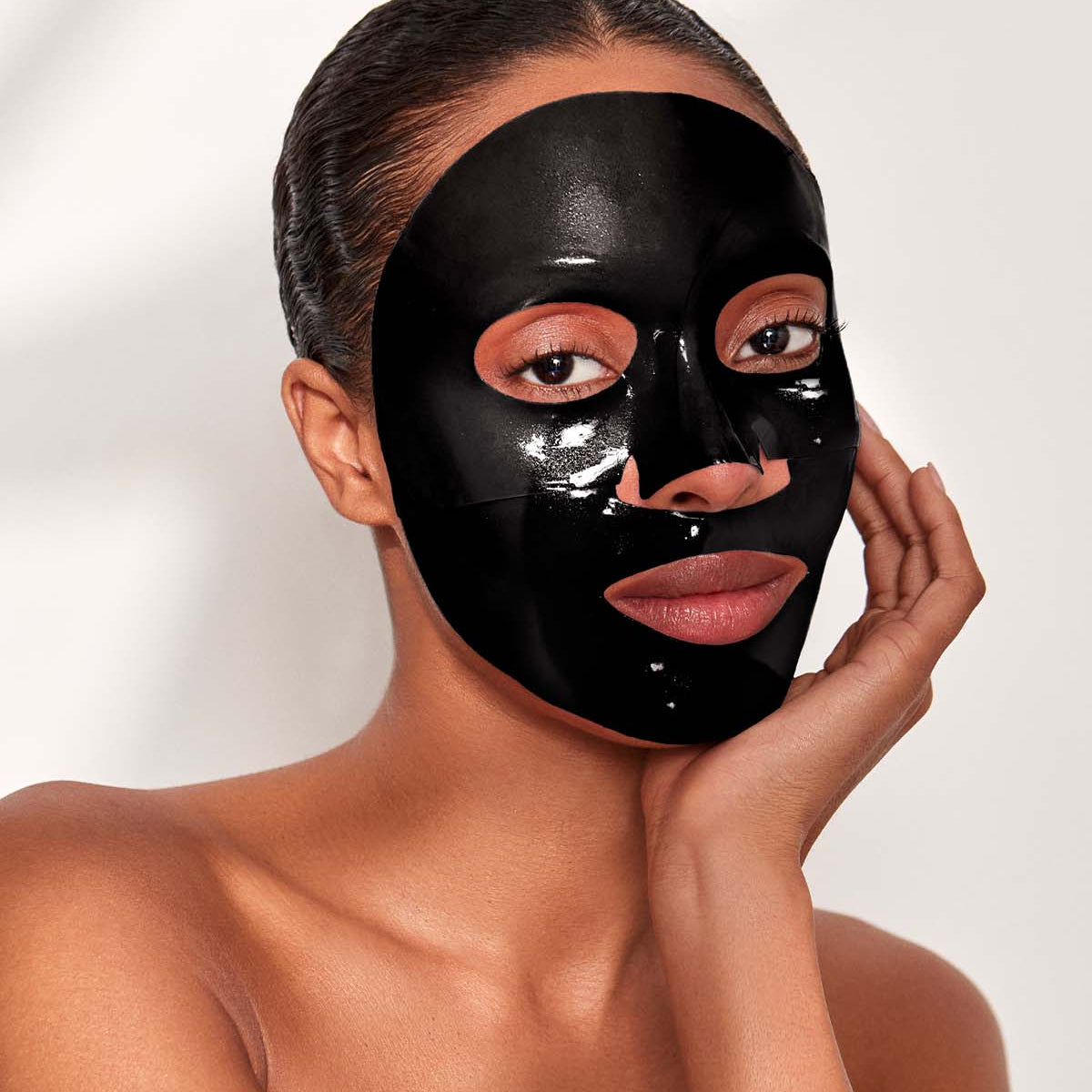
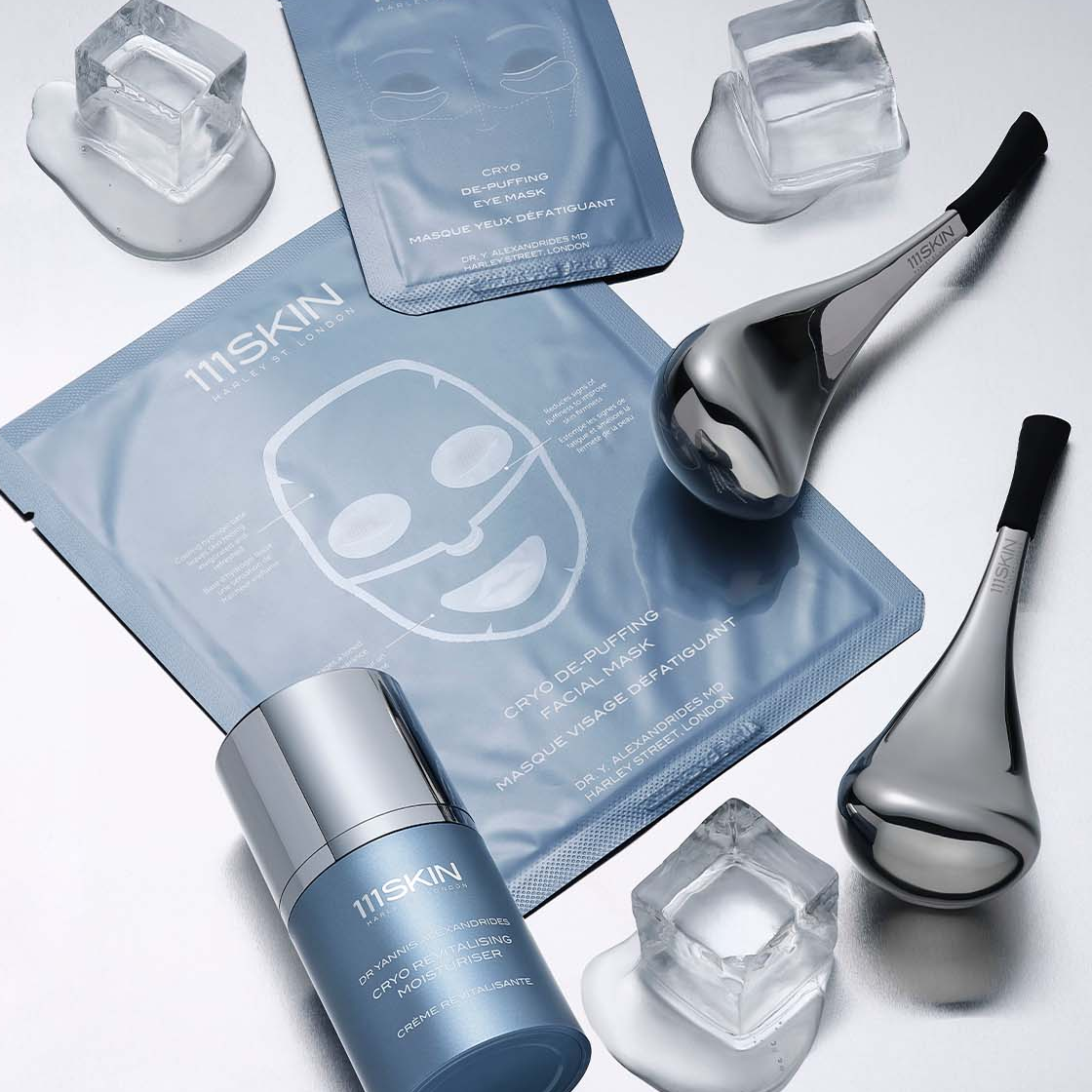
If your main aim is to refresh visibly puffy, tired-looking skin without learning a massage technique, a targeted mask offers a practical alternative. Cryo De-Puffing Facial Mask is a two-piece hydrogel mask featuring Caffeine and peptides, designed for that concern.
Apply it to clean, dry skin after cleansing, morning or evening, wear for 20 minutes and remove before subsequent leave-on skincare. Refrigeration before use is permitted for this mask. Its fit and wear time provide the treatment experience without repeated tool strokes.
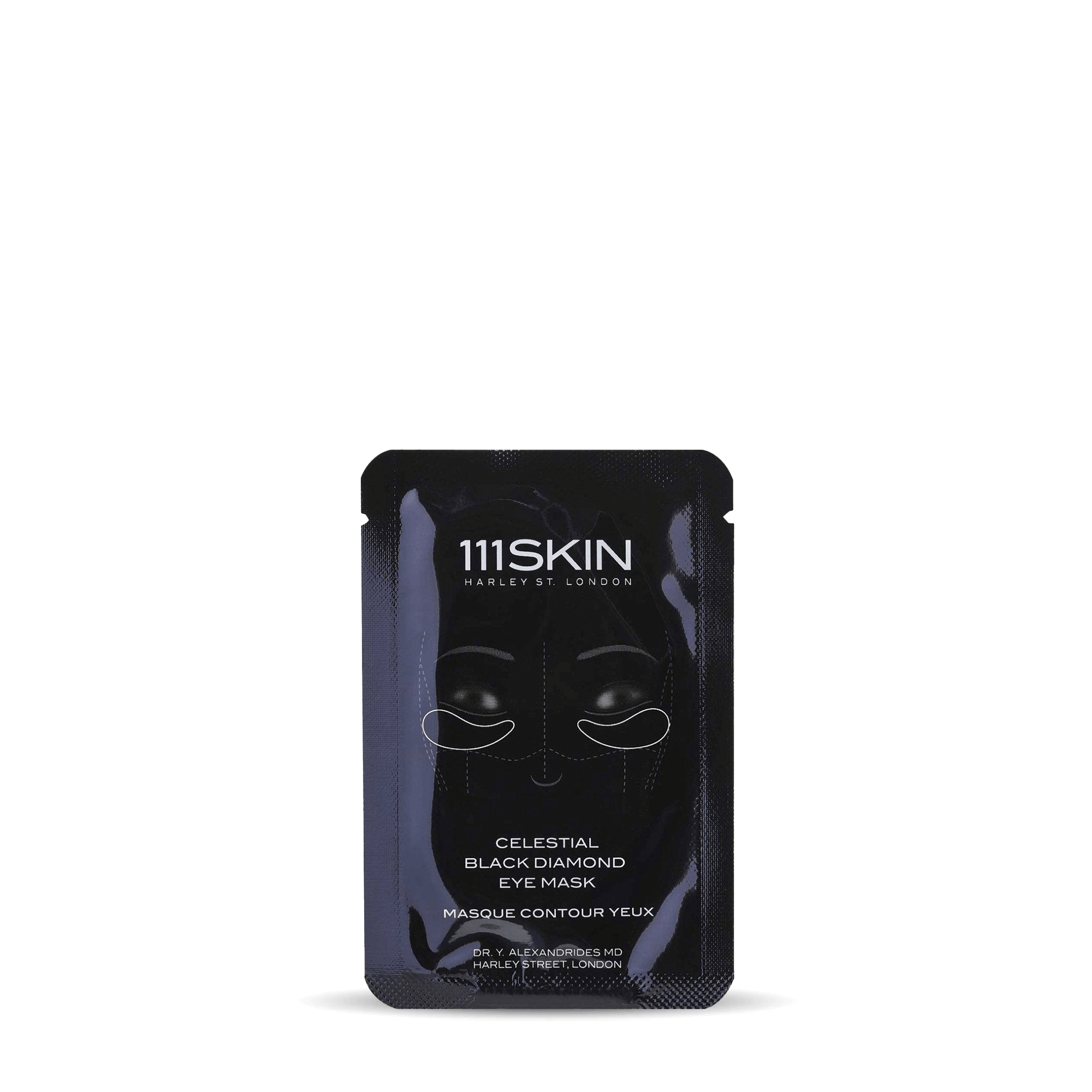
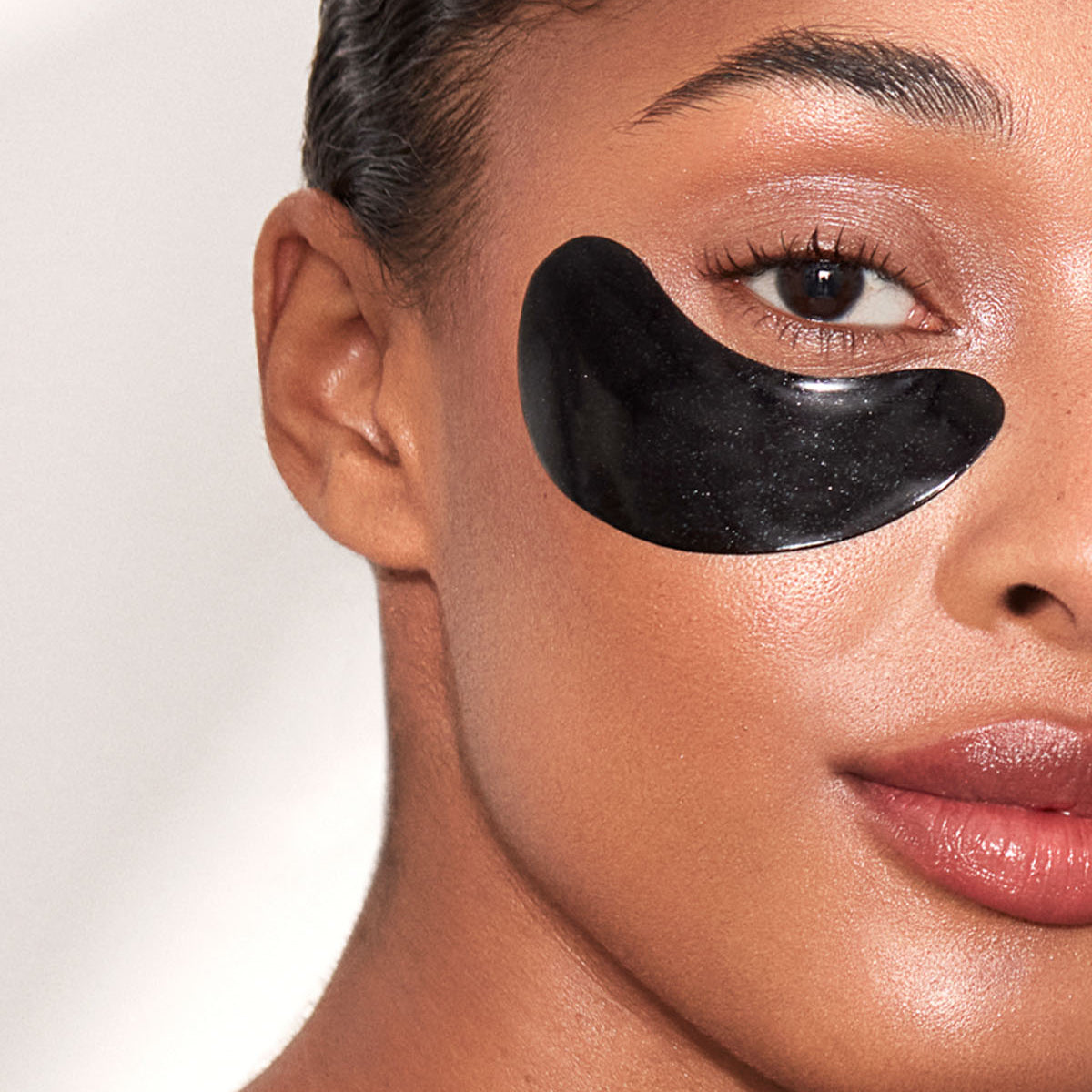
For puffiness specifically beneath the eyes, Cryo De-Puffing Eye Mask targets the smaller area with a hydrogel format featuring Seaweed Extract, Vitamin E and Peptide Complex. After cleansing, remove the protective films from both sides, place one mask beneath each eye and wear for 20 minutes. Remove and gently pat in the remaining product; it can be used morning or evening and may be refrigerated before use.
Choose the format that matches the area you want to address. A facial tool does not need to be worked close to the eyes to make the routine feel complete.
The best choice is the one you can use gently and maintain
For stainless steel gua sha vs jade, steel has the clearest practical advantage in resistance to breakage and straightforward cleaning. Jade remains a sound choice when you prefer polished stone and will protect it from damage. Neither warrants a promise of superior permanent lifting or wrinkle reduction.
Start by checking the tool's finish, grip and care instructions, then assess whether gentle massage suits your skin. If puffiness, dehydration or uneven tone is the real priority, use that concern to guide your next skincare choice, with the 111SKIN skincare quiz helping you identify a focused routine.
As with any skincare product, patch test before first use. If you are pregnant or breastfeeding, consult your doctor before using any skincare products.
FAQ
Is stainless steel gua sha better than jade?
Stainless steel is generally more resistant to breakage and has a non-porous surface that is straightforward to clean. Jade can provide an equally comfortable massage when it is smoothly polished and undamaged. There is no strong evidence that either material delivers superior lasting cosmetic results.
Is jade gua sha unhygienic?
Jade is not automatically unhygienic, but it needs thorough cleaning after every use and regular inspection for damage. Follow the manufacturer's washing instructions and dry it before storage. Stop using a tool with chips, cracks or a rough edge.
Which material is better for facial puffiness?
Neither material has an established advantage for lasting puffiness reduction. Both can feel cool and support a gentle massage, with any visible change generally temporary. Comfortable temperature and light pressure matter more than choosing steel or jade.
Can I use gua sha every day?
There is no universal daily schedule that suits every skin type or tool. Begin with brief, gentle sessions and follow the manufacturer's directions, allowing your skin's response to guide frequency. Stop if irritation occurs, and avoid massage over broken, sunburnt or inflamed skin.