



Table of Contents
- Introduction
- Jade roller vs ice roller: the practical differences
- What facial rollers can and cannot change
- How to use a facial roller comfortably
- Where rolling fits into your skincare routine
- Choosing for your skin and keeping the tool clean
- A targeted alternative when de-puffing is the priority
- The best choice is the one that stays comfortable
- FAQ
Introduction
A jade roller and an ice roller both offer gentle facial massage and a temporary de-puffing effect. Choose a jade roller if you prefer a milder, cool-to-the-touch massage; choose an ice roller if cooling is your priority and your skin tolerates it comfortably. Neither permanently sculpts the face, removes facial fat or replaces skincare for visible lines.
The most useful distinction is the experience: how cold the tool feels, how easily it moves across your face and whether you enjoy using it. More pressure and lower temperatures do not produce better results. Understanding those differences helps you choose a tool, use it safely and recognise when hydration or targeted eye care will do more for your concern.
Jade roller vs ice roller: the practical differences
Jade rollers favour a gentle massage ritual
A jade roller typically has a smooth stone head, sometimes with a smaller roller at the opposite end. The stone can feel cool initially, then gradually warms through contact with your skin. This makes it appealing if you enjoy a gentle massage without a sustained cold sensation.
The rolling action is the relevant feature, not a special skincare property of the stone. Jade does not deliver a serum-like treatment to the skin, and claims that it draws out toxins or transfers healing minerals should not guide your decision.
A smaller head can make a tool easier to manoeuvre around facial contours, but it does not automatically make it suitable for the eyelids. Smooth movement, light pressure and control matter more than the number of roller heads.
Ice rollers put cooling first
Ice rollers are designed to be chilled before use. Their construction varies: some have metal surfaces, while others contain a cooling material within a sealed head. That variation matters because temperature, cooling time and cleaning instructions differ between devices.
Compared with an unchilled jade roller, an ice roller usually delivers a stronger cooling sensation. Cooling can temporarily reduce the appearance of mild puffiness, giving the face a more rested look. However, an intensely icy sensation is not evidence of greater effectiveness.
Follow the manufacturer's chilling instructions instead of assuming every tool belongs in the freezer. A device described as an ice roller should still feel tolerable against the skin, without burning, stinging or numbness.
| Your priority | Jade roller | Ice roller |
|---|---|---|
| A gentle massage with mild initial coolness | Often a good fit | May feel colder than you want |
| A cooling-focused morning ritual | Can offer a mild cooling experience | Usually the more suitable format |
| Easy manoeuvring around facial contours | Smaller heads may help | Depends on the head's size and shape |
| Minimal preparation | Can often be used at room temperature | Usually requires chilling as directed |
| Long-term wrinkle or firmness care | Skincare remains the relevant foundation | Skincare remains the relevant foundation |
There is considerable overlap between the two. A chilled jade roller combines massage with cooling, while an ice roller also provides a rolling massage. The distinction is therefore not "massage versus de-puffing", but the balance of temperature, shape and handling.
What facial rollers can and cannot change
Mild puffiness can look temporarily reduced
Facial puffiness can fluctuate, particularly around the eyes and on waking. Sleep, allergies and other everyday factors can influence its appearance. Gentle massage and cooling may make mild, transient puffiness less noticeable, although the response varies.
Cooling temporarily narrows superficial blood vessels, while light massage can help redistribute superficial fluid. This explains why a face may look a little less puffy after rolling without any change to its underlying structure.
The effect is temporary. A roller cannot alter the position of facial fat, rebuild lost volume or permanently define the jawline. If your face appears more contoured afterwards, reduced puffiness is a more plausible explanation than lasting lifting.
Evaluate the result in similar lighting and without changing your facial expression. Shadows, camera angles and a raised chin can make a temporary difference look far more dramatic than it is.
Fine lines, dark circles and puffiness need different thinking
Under-eye concerns often overlap, but they are not interchangeable. Puffiness is a change in visible fullness; dark circles can involve pigmentation, visible blood vessels or shadows from facial anatomy. Fine lines can become more apparent when the skin is dehydrated, while other wrinkles remain visible regardless of hydration.
A roller is most relevant to temporary puffiness and the massage experience. It will not reliably address every cause of dark circles, and evidence does not establish either jade or ice rolling as a treatment that prevents wrinkles.
For daily care addressing several eye-area concerns, Eye Lift Gel NAC Y²™ provides lightweight hydration and targets visible wrinkles, dark circles and puffiness, with a lifted-looking finish. It contains NAC Y²™, Argireline and Caffeine, making it a relevant choice when a cooling ritual alone does not address the full concern.
In 111SKIN's reported clinical trial of 30 participants using Primos CR, Eye Lift Gel NAC Y²™ reduced wrinkles by 35% after two weeks. Its application belongs in the skincare routine below; the roller does not need to press the formula into the skin.
Relaxation is worthwhile, but it is not structural lifting
A light facial massage can feel relaxing, particularly if you habitually hold your expression tightly. A comfortable ritual is a valid reason to use a roller, even when the visible change is modest.
That experience should be separated from claims about permanently tightening muscles, stimulating enough collagen to lift the face or changing bone structure. Neither tool should be selected on those promises.
Likewise, skin does not need to become red for massage to have been worthwhile. A flushed face can reflect friction or irritation, especially when rolling is vigorous. The useful endpoint is comfortable skin, not a stronger sensation.
Choose a roller for a comfortable massage and a temporary refreshed appearance. Judge ongoing hydration, visible lines and uneven tone through your skincare routine, not the intensity of the cold.
How to use a facial roller comfortably
Prepare the tool and your skin
Start with clean hands, clean skin and a clean roller. Inspect the head before use: a chipped stone, damaged surface, leaking chamber or stiff mechanism can make a tool unsuitable for the face. A roller should turn smoothly without scraping or catching.
Prepare the temperature according to the device's own instructions. Do not copy a freezer routine from another roller, even if the tools look similar. Check that the surface feels comfortably cool before bringing it to your face.
If the roller catches on dry skin, avoid trying to overcome the resistance with pressure. Where the tool's instructions allow use with skincare, a familiar moisturising formula can provide glide. You do not need to introduce a new facial oil or active treatment solely to use a roller.
Use light, controlled movement
The following principles apply to gentle cosmetic rolling, with the tool manufacturer's instructions governing its specific use:
- Begin on a broad facial area. Use light contact on a cheek to assess comfort and how freely the head moves.
- Roll in slow, controlled passes. Short outward movements across the cheeks and gentle movements across the forehead are easier to control than fast, repetitive rolling.
- Keep a chilled tool moving. Avoid holding a very cold head against one spot or pressing harder over a puffy area.
- Treat the eye area conservatively. Keep away from the eyeball and mobile eyelids. Only approach the surrounding area if the device is intended for it.
- Finish while the skin still feels comfortable. Stop if you notice pulling, pain, stinging, numbness or increasing redness.
Upward strokes are often described as lifting, but the direction of a pass does not create a permanent lift. Gentle movement matters more than an elaborate map of facial arrows.
You also do not need to perform a detailed neck sequence to "release toxins". Cosmetic rolling is not the same as professionally delivered manual lymphatic drainage, and it should not be used to manage unexplained swelling.
Let comfort determine when to stop
There is no single duration or frequency that suits every jade roller and ice roller. Head temperature, design and your skin's tolerance all affect what feels appropriate. Follow the device's limits and begin conservatively.
Do not continue simply because the tool remains cold. Skin can become uncomfortable before a cooling head warms up, and numbness makes it harder to judge pressure or temperature accurately.
Similarly, daily use is not necessary to earn a benefit. A short ritual on mornings when you notice mild puffiness may suit you better than a fixed schedule. If your skin becomes tender or increasingly reactive, pause rolling and reassess.
Where rolling fits into your skincare routine
A roller is an additional massage step, not a reason to rearrange every product. Its exact placement depends on whether the device is intended for clean skin or use with skincare. Keep rolling before sunscreen and make-up so that repeated passes do not disturb those finished layers.
111SKIN was founded by plastic and reconstructive surgeon Dr Yannis Alexandrides and Eva Alexandridis, drawing on his practice at 111 Harley St. in London. That clinical inspiration translates into a useful distinction here: a tool offers a physical ritual, while carefully selected formulas address ongoing cosmetic concerns.
Build the routine around hydration and targeted care
This compact morning routine keeps those roles clear:
- Cleanse. With dry hands, apply 2 to 3 pumps of Cleansing Oil to dry skin. Massage for 30 seconds, rinse with warm rather than hot water and pat dry.
- Use your roller at its instructed stage. If the device is designed for clean skin, use it now. If it requires a skincare layer for glide, place the step at the compatible stage before sunscreen, following its directions.
- Apply eye care. Share half a pump of Eye Lift Gel NAC Y²™ between your ring fingers. Pat from the outer corner inwards, then move upwards and sweep over the brow bone back to the outer corner until absorbed, avoiding rubbing beneath the eyes.
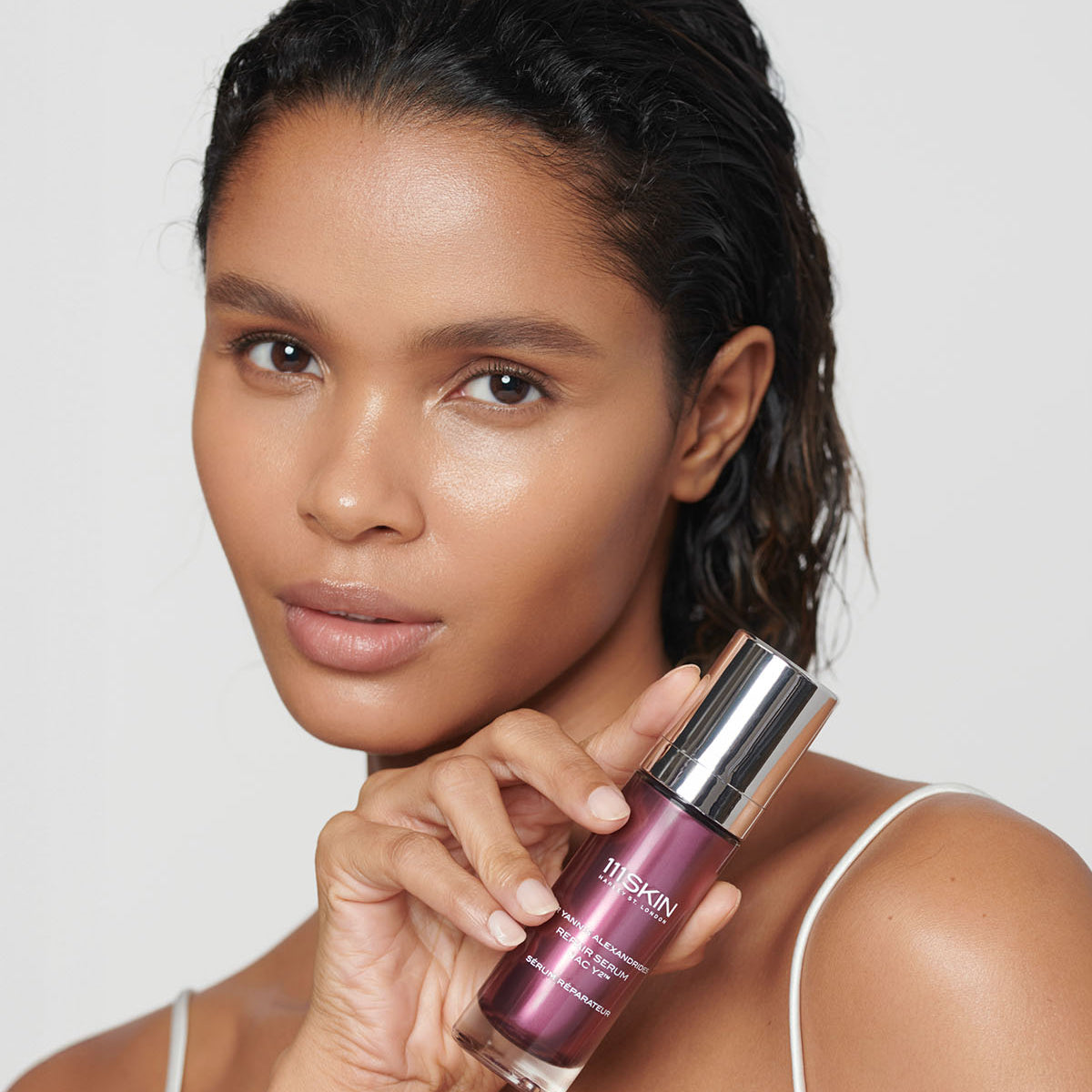
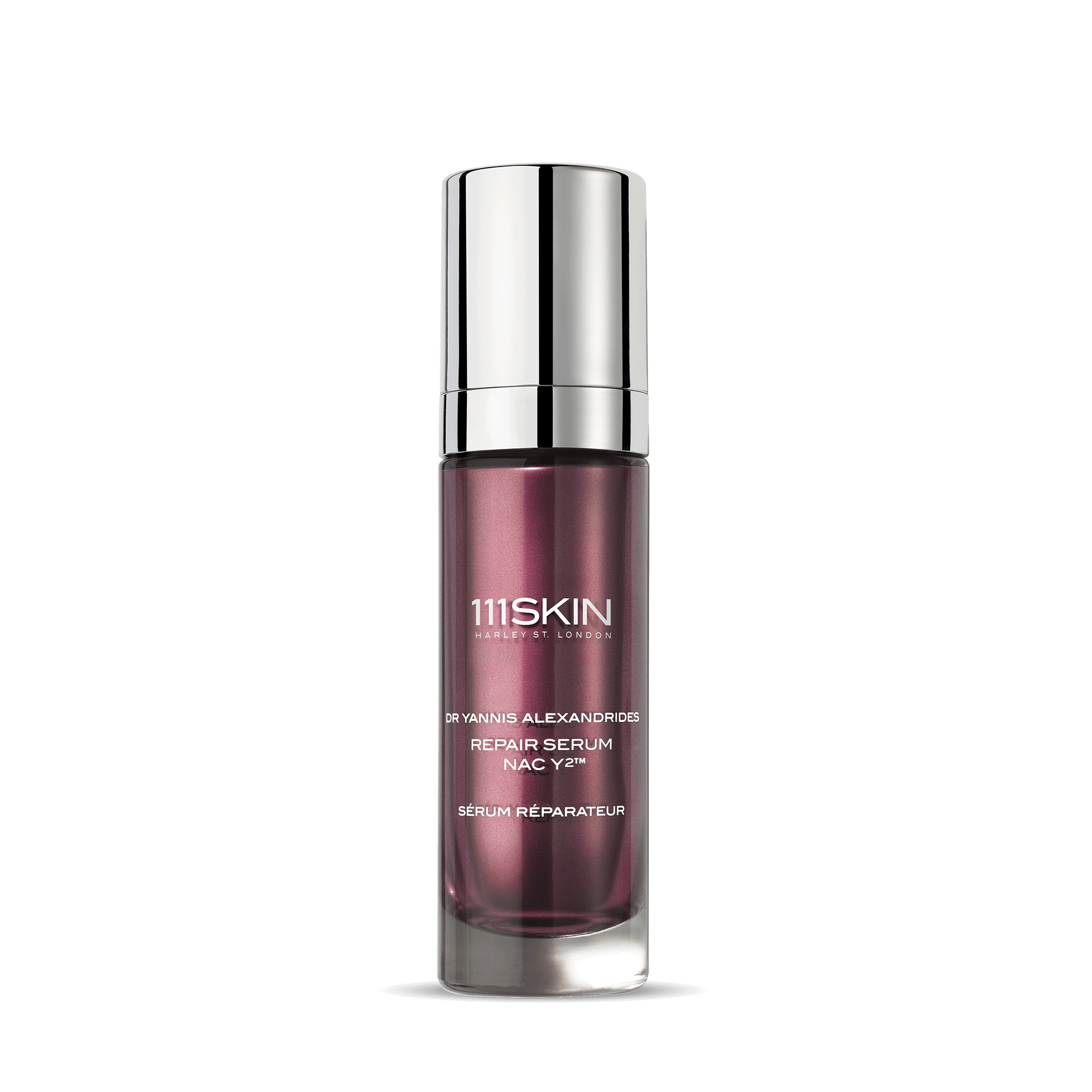
- Apply serum. Smooth 1 to 2 pumps of Repair Serum NAC Y²™ onto the face and neck. Its cooling, velvety texture provides hydration and leaves skin looking smoother and plumper, while addressing visible redness and early signs of ageing.
- Moisturise. Apply a pea-sized amount of Repair Day Cream NAC Y²™ to the face, neck and décolletage after serum for nourishing hydration and skin-barrier support.
- Apply sun protection. Use Repair Sunscreen SPF50+ generously and evenly after moisturiser, 15 to 20 minutes before sun exposure. Follow its exposure and reapplication instructions.
Eye Lift Gel NAC Y²™ goes before serum morning and evening. This is its product-specific order, not a universal rule for every eye product.
Understand why glide and hydration are different
A formula that helps a roller move comfortably is not necessarily being absorbed more deeply because of the tool. Rolling can spread skincare across the surface, but there is no need to press products in forcefully to make them work.
Hydration comes from the formula itself. Humectants attract water, emollients soften the skin, and ingredients that limit moisture loss help maintain comfort. A cold surface supplies none of those functions, even when it leaves skin feeling refreshed.
This distinction is especially useful if your face feels tight but looks puffy. Tightness may call for hydration and moisturising care, while rolling addresses only the temporary appearance of puffiness. Increasing the cold will not correct dry-feeling skin.
Choosing for your skin and keeping the tool clean
Match the tool to tolerance, not skin-type labels
A jade roller is not automatically best for oily skin, and an ice roller is not automatically best for sensitive skin. Skin type alone does not predict how comfortably you will tolerate pressure or cold.
Use these practical criteria when choosing:
- Temperature preference: choose mild coolness if stronger cold feels unpleasant.
- Head size: select a shape you can control without pressing into awkward contours.
- Surface condition: look for a smooth, intact head and a mechanism that rolls freely.
- Maintenance: favour a design with clear cleaning and storage instructions you can follow consistently.
- Routine fit: consider whether chilling and cleaning are realistic parts of your morning.
For sensitive or redness-prone skin, begin with particular restraint. Cold can feel soothing to some people but aggravate others; it should not be treated as a remedy for a rosacea flare. Avoid rolling over active irritation, sunburn, broken skin or inflamed blemishes.
If you have a condition that causes reactions to cold, seek medical advice before using a chilled facial tool. After injections, surgery, laser treatment or other professional procedures, follow the treating clinician's aftercare instructions before introducing massage.
Hygiene matters more than the stone's colour
Clean the roller after each use according to its manufacturer's guidance, including any areas where skincare collects around the head or frame. Remove product residue and allow the tool to dry as directed before storage.
Different materials and mechanisms tolerate different cleaning methods. Do not assume that a stone head, metal drum and detachable cooling chamber can all be soaked or disinfected in the same way.
Keep the tool for personal use. Sharing it can transfer skin oils and residue, while using it over unwashed skin can spread impurities across the face. Refrigeration or freezing does not replace cleaning.
Know when puffiness needs attention
A roller is suitable only for an ordinary cosmetic ritual. New, persistent, painful or one-sided swelling deserves medical advice, particularly when accompanied by redness or changes around the eye.
Likewise, recurring puffiness related to allergies needs attention to the cause. Repeated cooling may temporarily change its appearance without addressing why it keeps returning.
A useful checkpoint: the roller should move easily, the temperature should remain comfortable and your skin should feel settled afterwards. More passes are not a better result if comfort is declining.
A targeted alternative when de-puffing is the priority
If your main aim is visibly less puffy, tired-looking skin, a removable mask offers a different experience: targeted skincare without repeated rolling. This is particularly useful when you enjoy a quiet treatment step more than facial massage.
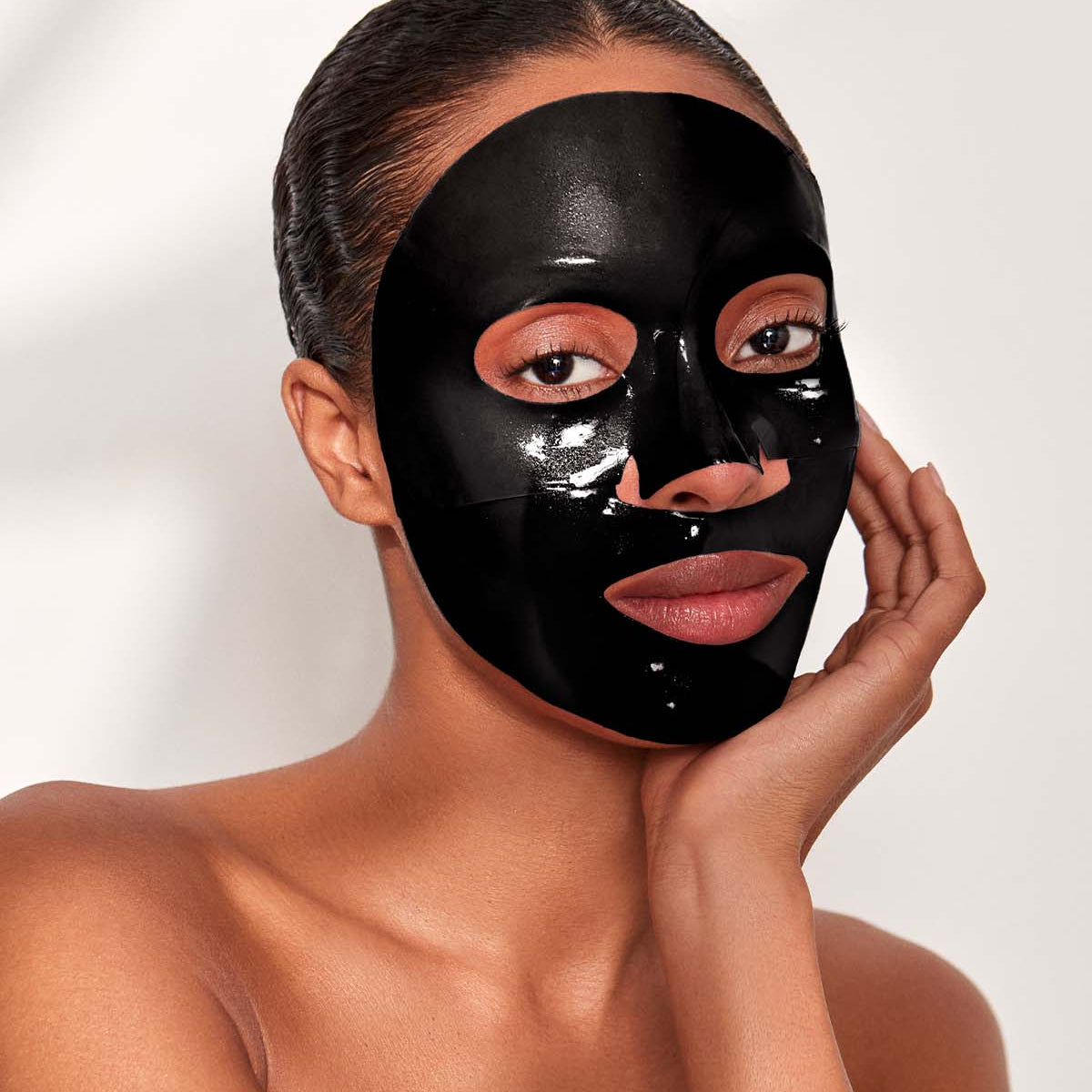
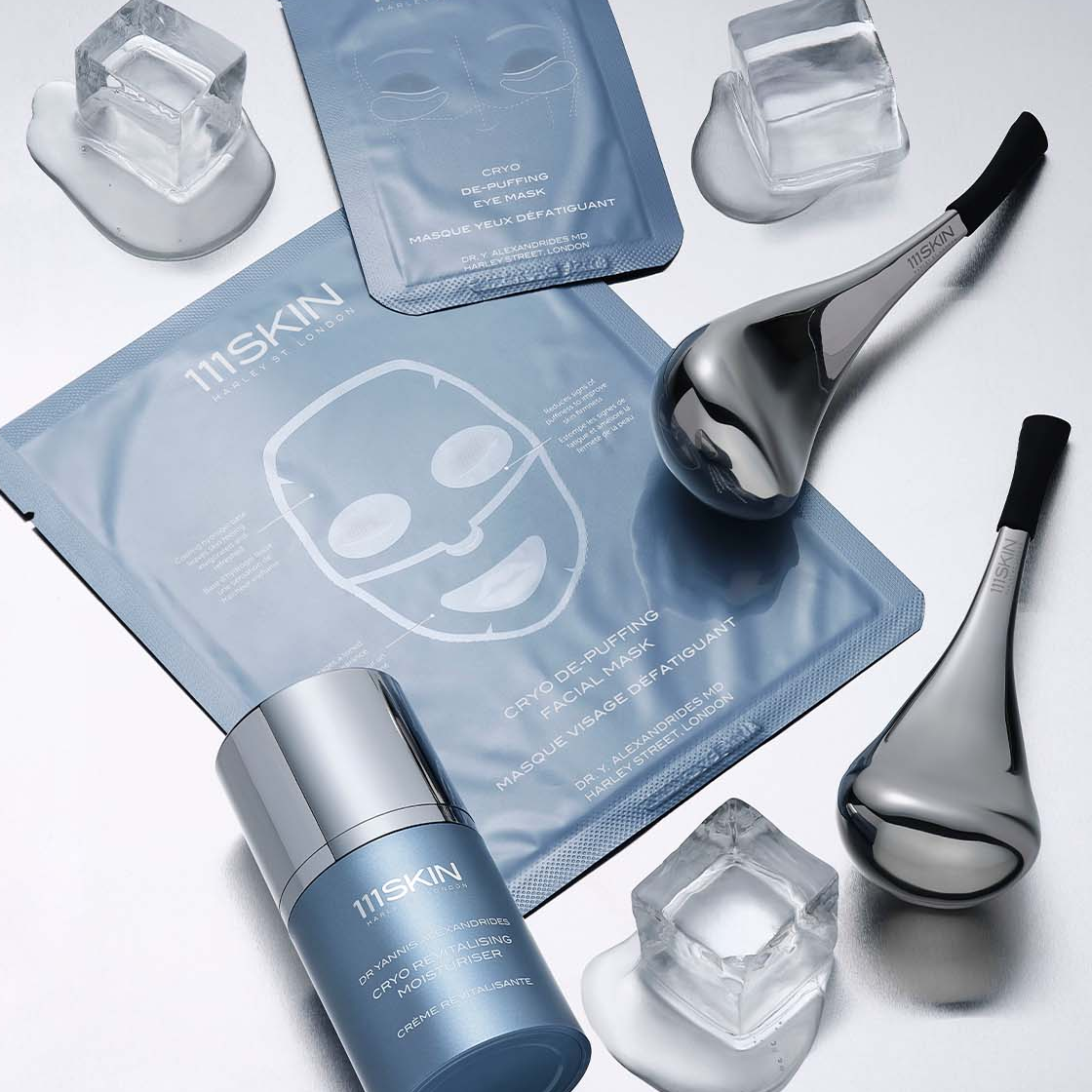
Cryo De-Puffing Facial Mask is a two-piece hydrogel mask for visibly puffy, tired-looking skin, featuring Caffeine and peptides. Apply it to clean, dry skin after cleansing, morning or evening, wear for 20 minutes and remove before subsequent leave-on skincare. It may be refrigerated before use.
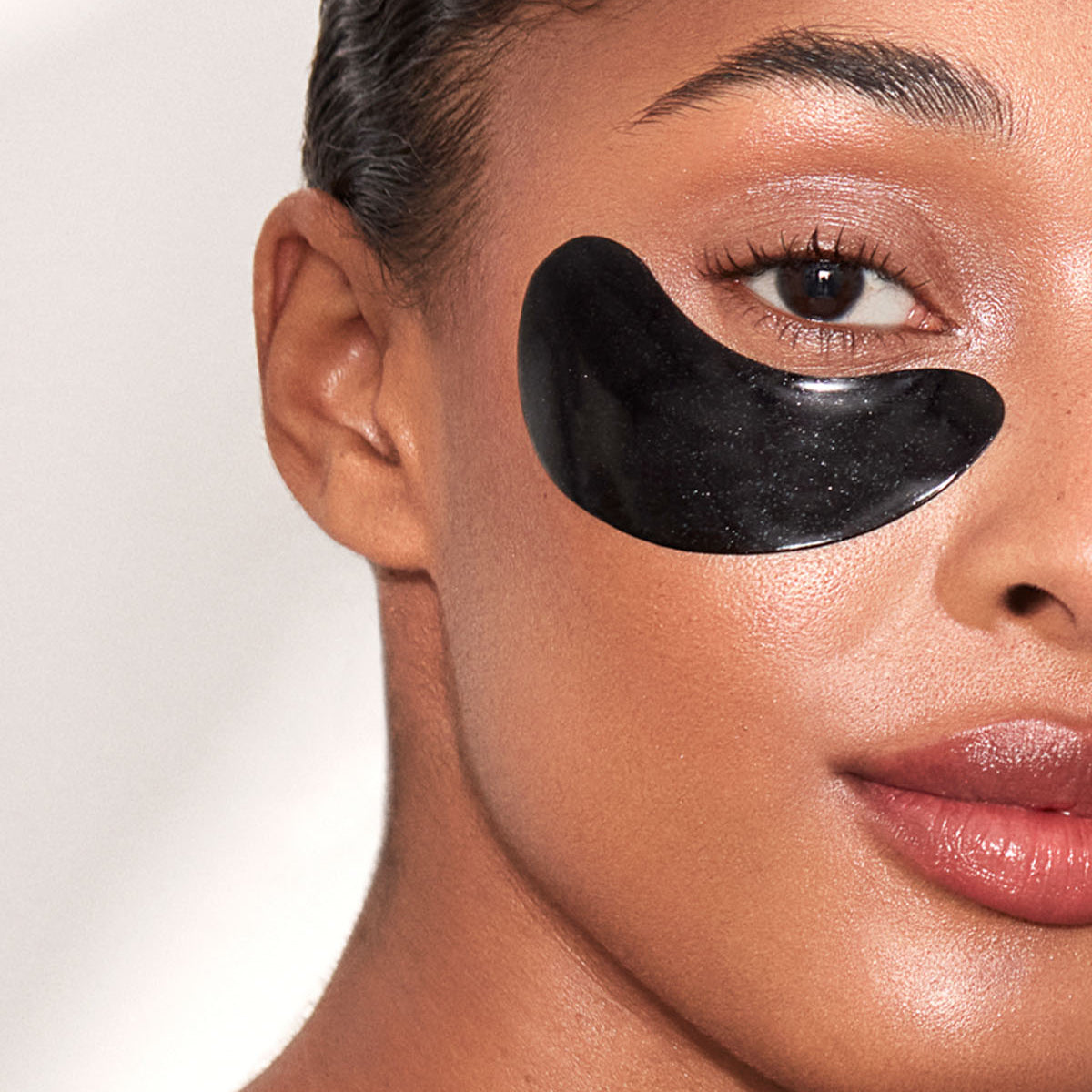
For the under-eye area, Cryo De-Puffing Eye Mask targets visible puffiness and tired eyes, with Seaweed Extract, Vitamin E and Peptide Complex. After cleansing, remove the protective films from both sides, place one beneath each eye and wear for 20 minutes. Remove and gently pat in the remaining product; use morning or evening, with refrigeration before use permitted.
These are alternatives to the massage step, not reasons to combine every cooling format in one session. Their refrigeration guidance is specific to the masks and does not extend to eye creams or gels.
The best choice is the one that stays comfortable
For a gentle massage with mild coolness, choose a jade roller. For a cooling-focused ritual aimed at temporary puffiness, choose an ice roller and follow its temperature instructions carefully. Neither needs firm pressure, prolonged use or an elaborate technique.
Start by identifying what you actually see: transient puffiness, dry-looking fine lines or persistent dark circles. Then select the relevant care, whether that is Eye Lift Gel NAC Y²™ for daily eye-area concerns or a Cryo De-Puffing mask for a targeted treatment. Keep cleansing, hydration and sun protection consistent, and let the roller remain a comfortable addition.
For a personalised skincare starting point, explore the 111SKIN skincare quiz.
As with any skincare product, patch test before first use. If you are pregnant or breastfeeding, consult your doctor before using any skincare products.
FAQ
Is an ice roller better than a jade roller for puffiness?
An ice roller usually offers stronger cooling, which may suit mild morning puffiness. A jade roller can also provide a temporary de-puffing effect through gentle massage and cool contact. There is no universal winner; comfortable temperature and light handling matter more than the material.
Can a jade roller or ice roller permanently sculpt the face?
Neither tool permanently sculpts the face, removes facial fat or changes bone structure. A temporary reduction in puffiness can make contours look more defined. Lasting concerns about visible lines or firmness require a different approach from cosmetic rolling.
Should I use a roller before or after skincare?
Follow the device's instructions, as some are intended for clean skin while others can be used with a skincare layer for glide. Keep rolling before sunscreen and make-up to avoid disturbing those layers. Do not assume a roller improves product absorption or overrides a formula's application directions.
Can I use both a jade roller and an ice roller?
You can choose either tool for different occasions, but using both in one session is not necessary. Their benefits overlap, and additional cold or massage can increase discomfort without improving the result. Stop if the skin becomes painful, numb, irritated or increasingly red.