



Table of Contents
- Introduction
- What should a gua sha set include?
- Which gua sha material should you choose?
- What can facial gua sha realistically do?
- How to use a gua sha set comfortably
- Cleaning, storage and times to pause
- Build skincare around the ritual
- When a facial mask is the more direct choice
- Choose a set you can use well
- FAQ
Introduction
A good gua sha set should contain a smooth facial massage tool, clear instructions and a practical way to keep it clean and protected. A roller can be a pleasant addition, but it is not essential. The best choice is the tool you can hold comfortably and move gently across lubricated skin, without pulling or pressing hard.
Facial gua sha offers a considered massage ritual and can leave the face looking temporarily less puffy and more refreshed. It does not permanently reshape the jaw or replace targeted skincare. Understanding that distinction helps you choose a useful set, recognise exaggerated claims and build a routine that supports hydrated, comfortable skin.
What should a gua sha set include?
Start with one well-designed facial tool
For most beginners, one facial gua sha tool is enough. Look for a broad, smooth edge for the cheeks and forehead, with curves that sit comfortably against facial contours. An elaborate shape is less important than a secure grip and an evenly finished surface.
The tool should feel comfortable in your hand before it touches your face. A heavy tool needs careful handling because its weight can encourage more pressure than intended. A very small tool may be harder to hold once your fingers have skincare on them.
Check that the set is intended for facial use. Body tools may have different dimensions, edges and instructions, and should not automatically be used on the face. A bundle described as suitable for both face and body should explain which tool belongs where.
Decide whether a roller adds something useful
A facial roller and a gua sha tool both provide massage, but they feel different to use. A roller moves across the skin through a rotating head; a gua sha tool requires you to control the angle and movement of a fixed edge. Neither format needs to be presented as the superior choice for everyone.
A roller may appeal if you enjoy a straightforward rolling motion. A gua sha tool offers different edges for working around the cheeks and jaw, although that flexibility also makes technique important. Buying both makes sense when you genuinely want both experiences, not because a complete facial routine requires two tools.
For gifting, clear instructions and protective storage often add more practical value than several interchangeable accessories. A smaller, well-explained set can be easier to use consistently.
Look beyond the presentation box
A considered purchase should answer a few practical questions before you buy:
- Is the material clearly identified? Look for a specific description, rather than a colour or a vague reference to a precious stone.
- Are the edges smooth and intact? Chips, sharp seams and rough patches are unsuitable for facial massage.
- Are cleaning instructions included? The tool will come into contact with skincare, skin oils and your hands.
- Does the set provide useful protection? A clean pouch or fitted case helps prevent damage between uses.
- Are the claims realistic? Promises of permanent sculpting, fat removal or a surgical-looking lift should not drive the purchase.
Price alone cannot answer these questions. Pay attention to construction, care information and the retailer's clarity about what the set contains. Extra pieces only add value when they have a distinct purpose.
Which gua sha material should you choose?
Stainless steel: practical handling and durability
Stainless steel is worth considering if you want a tool that is less vulnerable to shattering than stone. Its smooth surface is straightforward to clean according to the manufacturer's directions, and it can feel cool on contact with the skin.
That does not make every metal tool identical. Weight, edge finish and shape still affect how it handles. A substantial tool should glide under your control, with light pressure, rather than rest heavily against the face.
Check the stated composition if you have a known metal allergy. A broad description such as "metal gua sha" is less useful than a clear material specification. Cleanliness also depends on care, not simply on choosing steel.
Jade and rose quartz: choose for feel, not promises
Jade and rose quartz tools appeal for their appearance and tactile quality. Natural variation can make each piece look different, but colour is not evidence that one tool will improve wrinkles, pigmentation or firmness more effectively than another.
Stone tools require careful handling because they can chip or crack if dropped. Inspect the edges regularly, including after a knock that appears minor. A damaged edge can catch the skin even when the tool still looks attractive overall.
Claims about a stone's special energy or unique skin-healing properties should not be confused with established cosmetic benefits. The practical questions remain the same: is it smooth, comfortable, easy to control and supplied with appropriate care instructions?
Shape and finish matter more than the material trend
A tool's surface and your technique are more important to a comfortable massage than choosing the most fashionable material. Pronounced teeth, ridges or pointed details are not necessary for a beginner's facial ritual. More complicated edges can also make it harder to judge pressure.
If you are comparing sets online, look for clear photographs of the edges and information about dimensions. A tool that looks elegant in a presentation box may still be awkward in your hand.
Choose the set for its smooth finish, comfortable grip and clear instructions. A roller, additional shapes or an elaborate box should earn their place through usefulness.
What can facial gua sha realistically do?
A refreshed appearance and a relaxing massage
Gentle facial massage can be a pleasant way to slow down a skincare ritual. Some people notice that their face looks temporarily less puffy afterwards, particularly when its appearance varies from one morning to another. That short-term change should not be treated as permanent facial remodelling.
A refreshed look can also reflect the skincare used around the massage. Hydrated skin looks smoother and catches light differently from dry, rough-feeling skin. If a routine combines massage with moisturising care, the finished appearance is not necessarily the work of the tool alone.
Massage should feel comfortable. A pleasant sense of release is different from trying to treat persistent jaw pain, headaches or a medical swelling concern. Those symptoms deserve appropriate professional assessment.
Understand the limits of "sculpting"
The word "sculpting" is often used loosely in beauty descriptions. A temporarily less puffy face may show its existing contours more clearly, but a gua sha tool does not alter the underlying bones or selectively remove facial fat.
It also cannot reproduce a surgical lift or reliably erase established wrinkles. Pressing harder does not make these outcomes more achievable. Instead, it increases the likelihood of discomfort, irritation or bruising.
Be equally cautious with claims that facial massage "detoxifies" the skin or permanently drains the face. These descriptions can turn a simple cosmetic ritual into an unsupported medical promise. Enjoy the massage for its feel and refreshed finish while keeping longer-term skincare goals specific.
Match the approach to the concern
Before choosing a set, identify what you actually want to change. Mild, fluctuating puffiness, dry-feeling skin, dark spots and visible lines are different concerns, even when they appear together.
For example, hydration-focused skincare is more directly relevant to tightness and a dry surface than buying another massage accessory. Dark spots call for targeted tone care and daily sun protection. A tool may sit alongside those choices, but should not obscure them.
Persistent, painful, sudden or one-sided swelling is not a cosmetic massage task. Seek medical advice instead of attempting to massage it away.
How to use a gua sha set comfortably
Prepare the skin and tool
Begin with clean hands and a clean tool. Remove make-up and cleanse the skin before massage, then use the lubricating product recommended by the tool manufacturer. Adequate slip matters because the edge should glide without dragging.
A product that absorbs quickly may leave too little lubrication for a continued massage. If the tool starts to catch, pause and reassess the product and technique. Do not compensate by increasing pressure.
A facial oil sold as an active treatment is not automatically a massage oil. Follow its own directions rather than using a larger quantity to create slip. Likewise, a cleanser designed to rinse away should not become a leave-on massage medium simply because it initially feels oily.
Use a light, controlled technique
Follow the instructions supplied with your exact tool, particularly where its shape requires a specific technique. For a conventional smooth facial tool, the following principles help keep the experience gentle:
- Apply the recommended slip product evenly. The skin should feel lubricated before the first movement.
- Keep the tool at a shallow angle. Let a broad surface sit close to the skin instead of digging in with the edge.
- Use light, slow strokes. Across the cheeks, work from the centre of the face outwards, following the tool's facial instructions.
- Adapt to the contours without forcing them. Support the skin gently with your other hand if needed, and reduce pressure over bony areas.
- Stop when the skin no longer feels comfortable. Pulling, stinging or pain is a reason to stop, not a sign of a more effective treatment.
Avoid improvising a neck or under-eye routine from a body massage guide. The eyelids and immediate eye area need particular care; a facial tool's curved edge does not establish that it is suitable for those areas.
There is no need to chase a dramatic sensation. The tool should move smoothly while the skin remains comfortable, with no scraping, repeated tugging or forceful pressure.
Let skin tolerance guide frequency
A longer session is not automatically a better one. Start with a brief, gentle introduction and follow the manufacturer's frequency guidance. Assess how your skin feels afterwards and later that day before making massage a regular habit.
Facial gua sha should not aim to create the pronounced marks associated with some traditional body gua sha practices. Bruising, broken skin or lingering redness are not desirable facial skincare outcomes.
Keep the ritual flexible. If your skin is dry, irritated or unusually reactive, a simple moisturising routine may be the better choice that day. Consistency in skincare does not require using every accessory at every opportunity.
The useful checkpoint is glide, not pressure: the tool should move easily, your skin should feel comfortable, and you should finish without soreness or bruising.
Cleaning, storage and times to pause
Keep the tool clean and inspect it regularly
Clean the tool after use according to its material-specific instructions. For washable tools, this commonly involves mild soap and water, followed by careful rinsing and drying. Electrical or composite devices may need a different method, so do not immerse them unless instructed.
Remove skincare residue from curves and edges, not only the broad centre of the tool. Wash your hands before handling it again, and let the tool dry before placing it in its case. A pouch that collects product residue also needs care.
Avoid sharing a tool without appropriate cleaning between users. Inspect stone for chips and cracks, and check any material for roughness or damage. Replace a damaged tool rather than trying to work around a sharp area.
Know when massage is the wrong step
Do not massage over broken skin, sunburn, active irritation or inflamed blemishes. Repeated pressure over a tender spot can make the experience more uncomfortable, and moving a tool across damaged skin is not a route to faster recovery.
If you bruise easily, take anticoagulant medication or have a condition affecting bleeding, ask your healthcare professional whether facial massage is appropriate. After injectables, surgery, peels or other professional treatments, follow your treating clinician's aftercare before restarting tools.
Cooling also needs restraint. Follow the manufacturer's storage guidance rather than freezing a tool or applying an intensely cold surface to the face. A cool sensation should remain comfortable, without numbness or pain.
Stop use if irritation occurs. Persistent irritation, unexplained swelling or another medical concern merits professional advice.
Build skincare around the ritual
111SKIN was founded by plastic and reconstructive surgeon Dr Yannis Alexandrides and Eva Alexandridis, drawing on his practice at 111 Harley St. in London. That clinical inspiration translates into care selected for a defined concern, with considered textures and practical at-home application.
With gua sha, the useful principle is to keep massage and product instructions clear. Choose a tool-compatible medium for the massage itself, then complete skincare as directed, dealing with any residue according to the medium's instructions. Do not assume every serum or moisturiser should be worked repeatedly across the face with a tool.
A compact morning routine
If you include gua sha in the morning, complete it before sunscreen and make-up. This avoids dragging a tool over the protective sunscreen layer or disturbing a finished complexion.
A practical sequence is:
- Cleanse. With dry hands, massage 2 to 3 pumps of Cleansing Oil onto dry skin for 30 seconds. Rinse with warm water and pat dry.
- Complete the massage step. Use your clean tool and its recommended lubricating product, then follow the medium's removal or finishing directions.
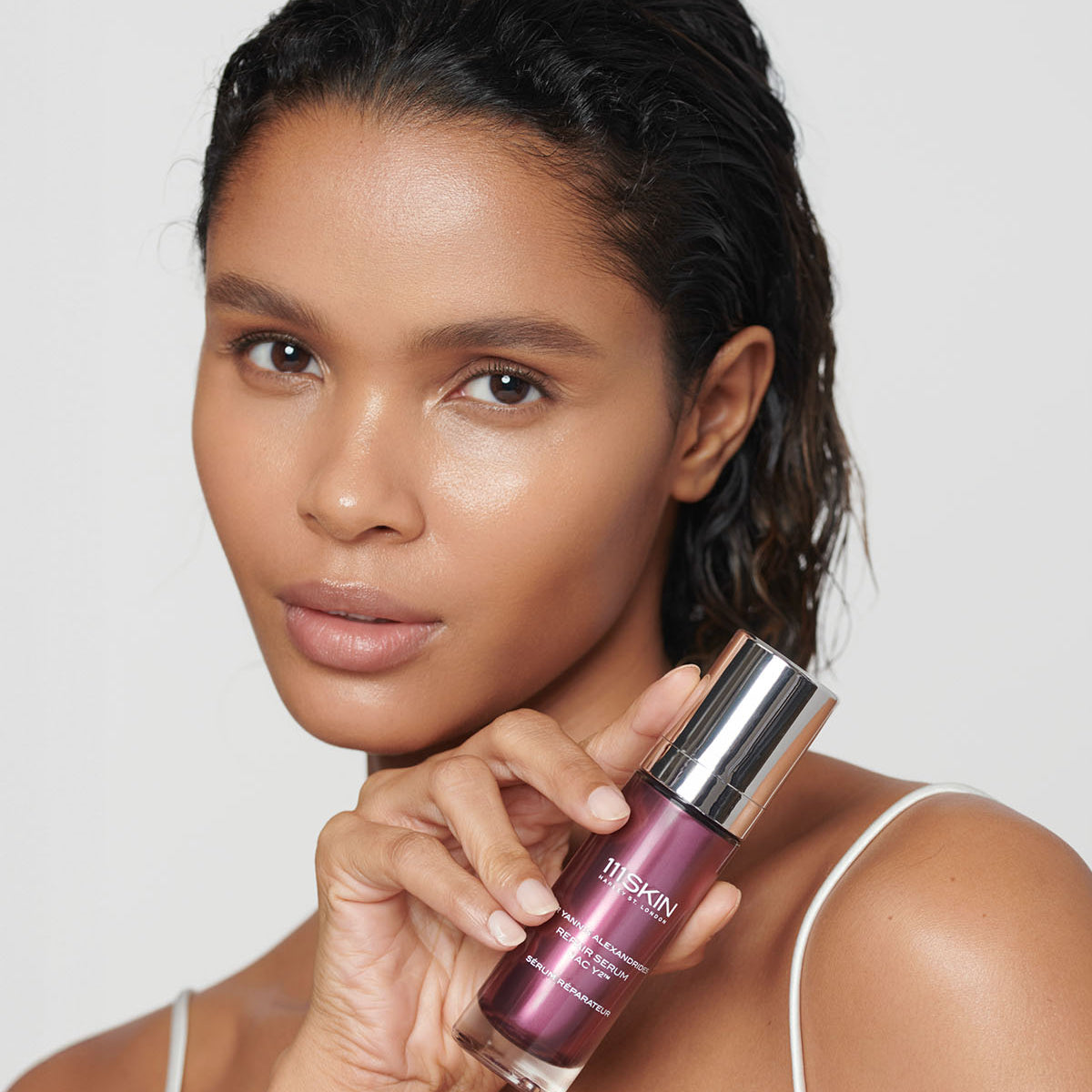
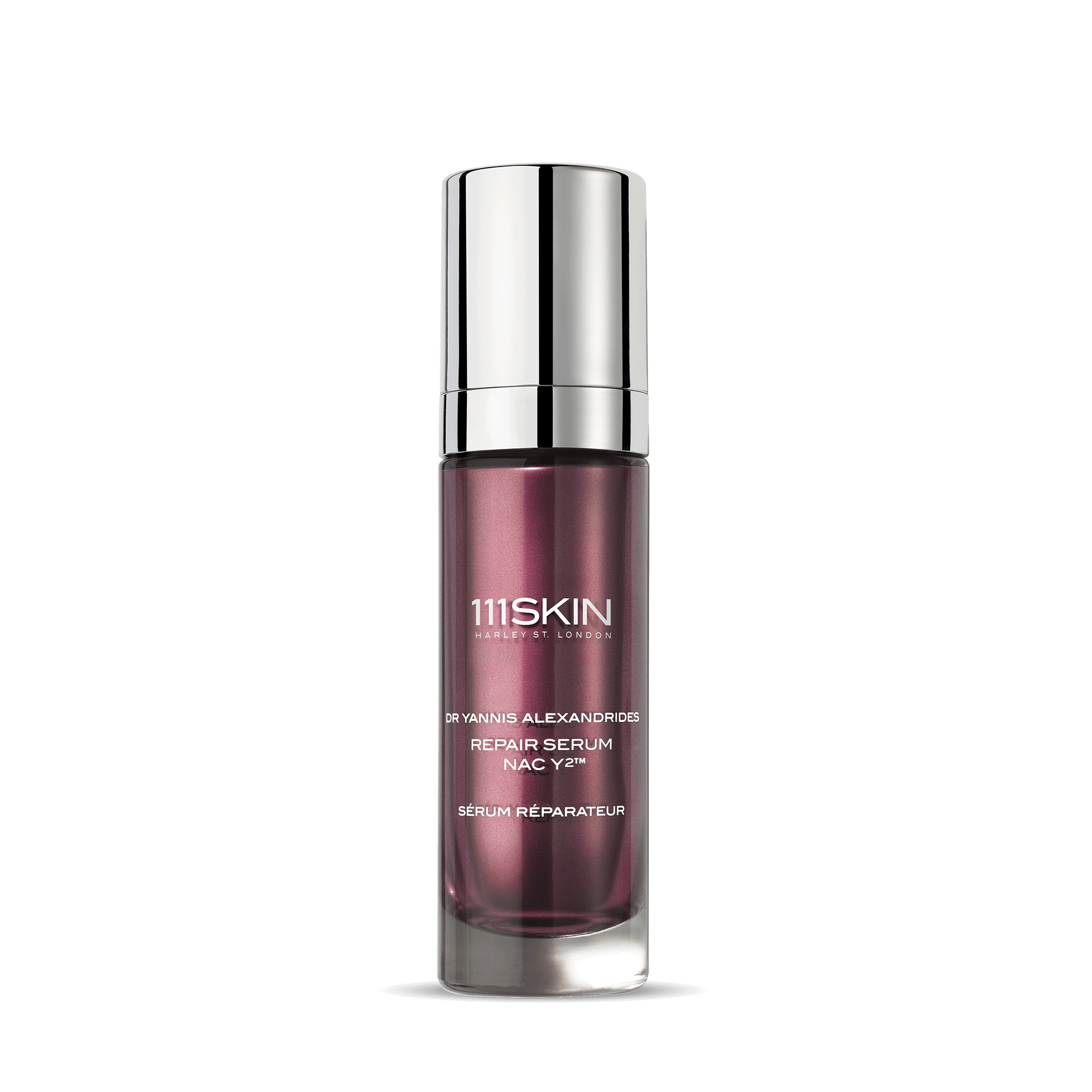
- Apply Repair Serum NAC Y²™. Smooth 1 to 2 pumps onto the face and neck for hydration and smoother, plumper-looking skin.
- Moisturise. Apply a pea-sized amount of Repair Day Cream NAC Y²™ to the face, neck and décolletage after serum for nourishing hydration and skin-barrier support.
- Protect. Apply Repair Sunscreen SPF50+ generously and evenly after moisturiser, 15 to 20 minutes before sun exposure. Follow its exposure and reapplication instructions.
Repair Serum NAC Y²™ has a cooling, velvety texture and features NAC Y²™, Pink Rock Rose Extract and Centella Asiatica. It also addresses visible redness and early signs of ageing, making it a relevant skincare choice when comfort and a smoother-looking surface matter. It received Tatler Best Serum for Repair, Beauty Awards 2025.
Address uneven tone with targeted care
If your main concern is dark spots, choose care that addresses uneven tone directly. Dark Spot Correcting Serum contains 2% Tranexamic Acid, 5% seven Swiss Alpine plant extracts and 1% Gluconolactone.
Apply 1 to 2 pumps evenly to the face and neck after cleansing, morning or evening, followed by moisturising care; include daytime SPF. It can occupy the targeted serum step when uneven tone is your priority. In 111SKIN's reported clinical trial of 32 participants, hyperpigmentation reduced by 36% after 56 days.
This is a different role from the refreshed appearance associated with massage. Keeping the two goals separate helps you judge whether your routine is addressing the concern that prompted the purchase.
When a facial mask is the more direct choice
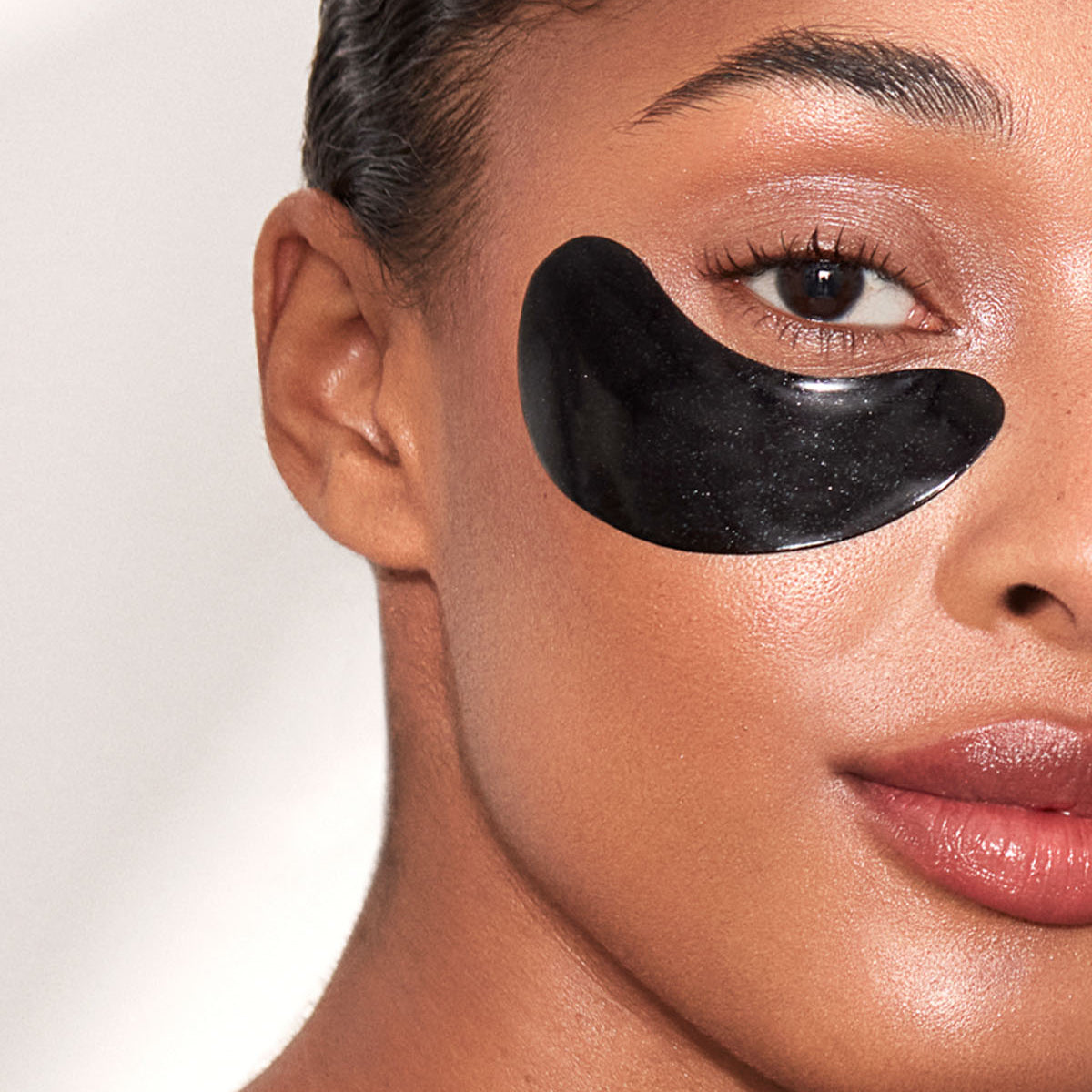
A gua sha set suits someone who wants a reusable massage ritual. A removable facial mask offers a different experience: a defined treatment period with no need to control a tool's angle or maintain glide. This can be useful when your immediate priority is hydration, radiance or visible puffiness.
Two relevant choices are:
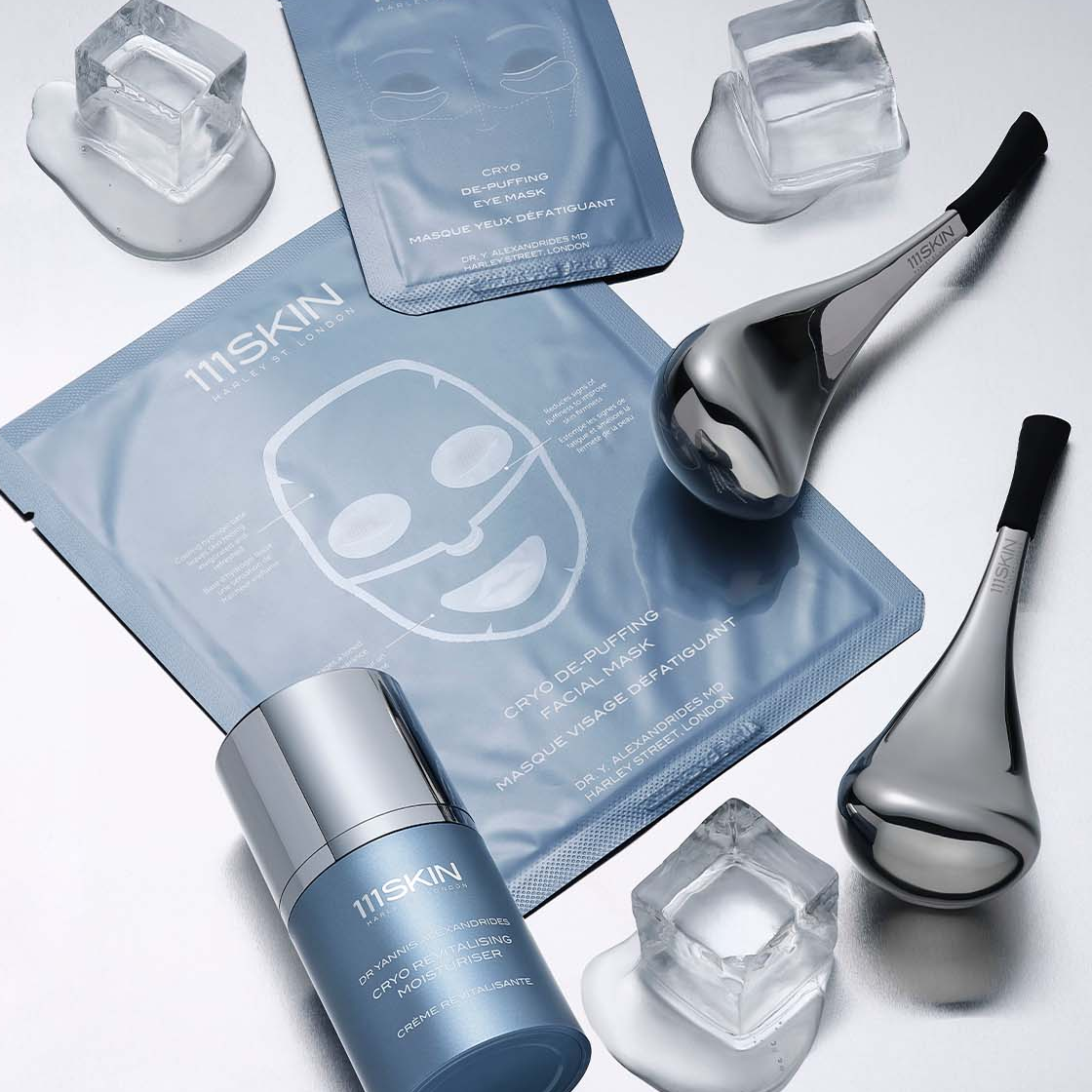
- Cryo De-Puffing Facial Mask: a two-piece hydrogel mask for visibly puffy, tired-looking skin, featuring Caffeine and peptides. Refrigeration before use is permitted for this mask.
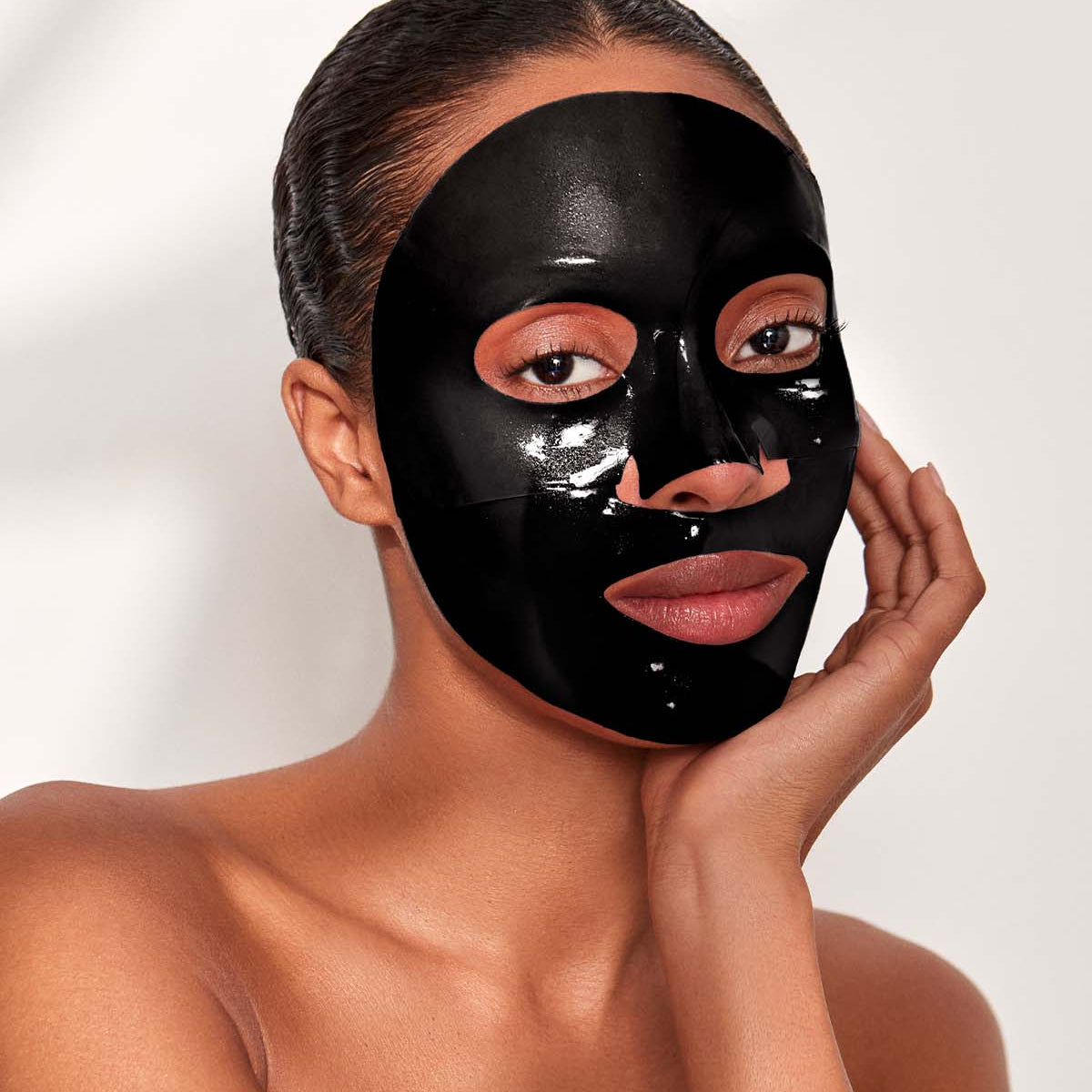
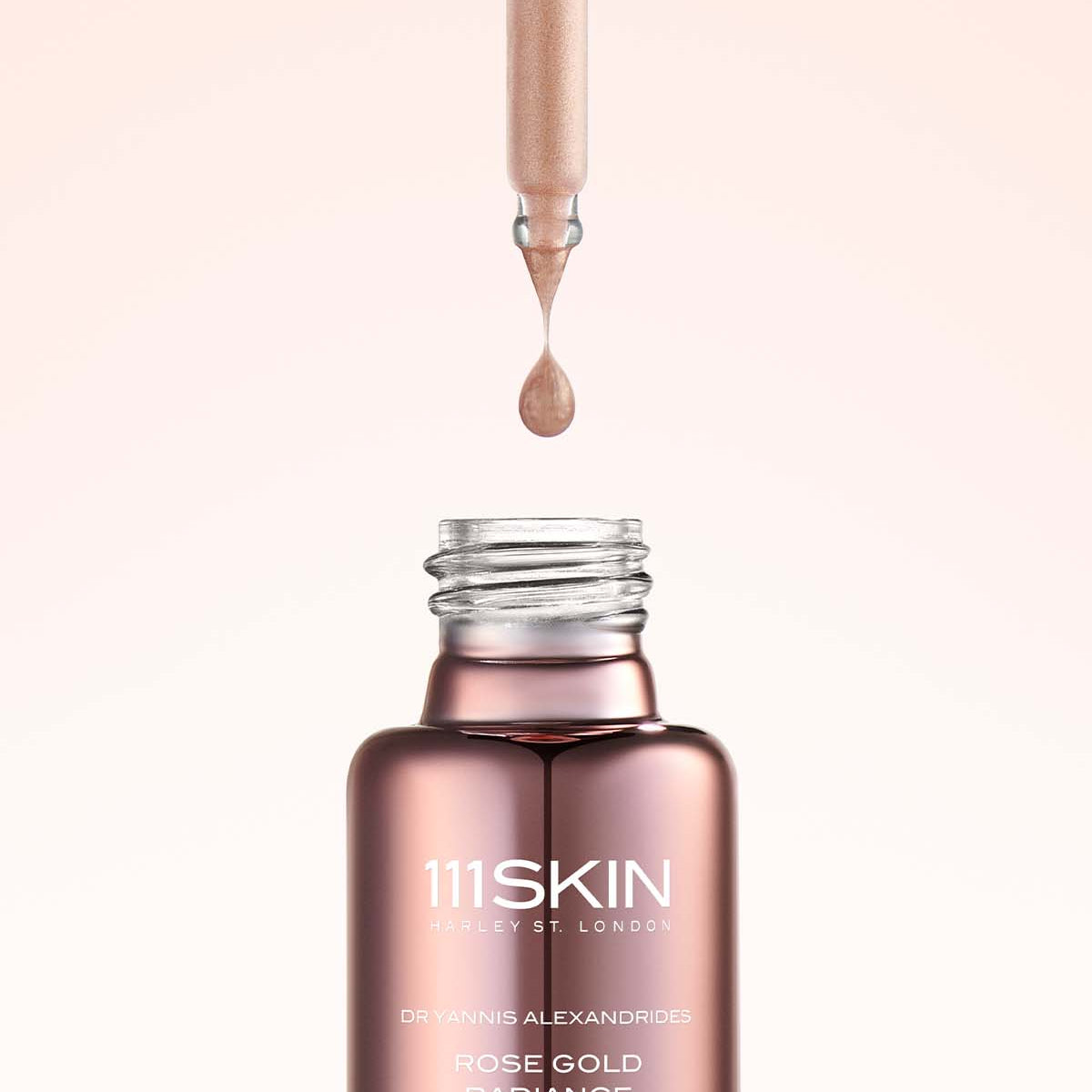
- Rose Gold Brightening Facial Treatment Mask: a hydrogel mask for a hydrated, plumper, radiant finish, featuring Damask Rose and Gold. It was included in WWD Beauty Inc's 100 Greatest Skin Care Products of All Time, 2024.
Use either on clean, dry skin after cleansing, morning or evening. Wear for 20 minutes, remove, then continue with subsequent leave-on skincare.
Choose the format by the experience and concern you want to prioritise. A mask can be a practical choice before an occasion; a gua sha tool is better understood as an accessory for a gentle massage habit. Neither needs to be made more intensive to feel worthwhile.
Choose a set you can use well
The strongest gua sha purchase is a smooth, comfortable facial tool with clear instructions, sensible care requirements and realistic claims. Stainless steel offers practical durability; stone offers a different tactile experience but needs careful protection. A roller is an addition for personal preference, not a missing essential.
Before buying, decide whether you want massage, a temporary refreshed look or targeted help with a skin concern. Then build around that answer: light technique for the tool, hydration and barrier support for daily comfort, and specific care for concerns such as dark spots. If the skincare priority is still unclear, the 111SKIN skincare quiz can help you identify a focused starting point before adding more accessories.
As with any skincare product, patch test before first use. If you are pregnant or breastfeeding, consult your doctor before using any skincare products.
FAQ
What should a beginner's gua sha set contain?
Start with one smooth facial tool, clear instructions and protective storage. A roller can be included if you enjoy that format, but several tools are not necessary for an effective massage ritual.
Is stainless steel better than jade or rose quartz?
Stainless steel is less vulnerable to shattering, while stone tools need careful handling to avoid chips and cracks. Neither material guarantees better cosmetic results: surface finish, comfortable handling, cleaning and gentle technique matter more.
Can a gua sha set permanently sculpt your jawline?
No, a facial gua sha tool does not change bone structure or selectively remove facial fat. Massage can leave the face looking temporarily less puffy, which may make existing contours appear clearer, but it does not reproduce a surgical lift.
Can you use any facial serum with gua sha?
Use a lubricating product recommended for your tool, and follow that product's directions. A fast-absorbing serum may not provide enough sustained slip, and an active treatment oil should not automatically be used as a massage medium. If the tool drags or the skin stings, stop and reassess the routine.