


Table of Contents
- Introduction
- Why fillers can make the face look puffy
- How to understand the timing and appearance
- What to do if your face looks puffy after filler
- How to reduce the risk of an overly full result
- Where de-puffing skincare fits
- A compact routine for comfortable, hydrated skin
- Conclusion
- FAQ
Introduction
Yes, dermal fillers can make your face look puffy. Soon after treatment, this is often temporary swelling from the injections. Fullness that persists, appears later or looks greater than intended can have other causes, including the amount of filler, its placement and the way surrounding tissues respond.
The important distinction is between early swelling, an aesthetic result that needs review and a complication requiring medical attention. Skincare can improve hydration and everyday visible puffiness, but filler-related swelling needs advice from your treating practitioner.
Seek urgent medical help for vision changes, severe or unusual pain, or skin that becomes pale, dusky or blotchy after filler. Do not wait for a routine follow-up or try to manage these symptoms with a de-puffing product.
Why fillers can make the face look puffy
Temporary swelling from the injection process
Filler treatment involves placing material beneath the skin with a needle or cannula. That process can irritate tissue and trigger a local inflammatory response, bringing fluid into the treated area. The result can look fuller than the intended correction, particularly during the early recovery period.
Some tenderness and bruising can accompany swelling. Their presence does not, by itself, show that too much filler was used. Equally, a photograph alone cannot reliably distinguish ordinary recovery from a problem, particularly if pain, skin colour changes or other symptoms are involved.
This is why the first look in the mirror is not necessarily the finished result. Your practitioner should explain what recovery is expected for the exact product and area treated, and when they want to assess the outcome.
The properties, amount and placement of filler
Many dermal fillers contain hyaluronic acid, which binds water. This property contributes to their effect, but can also contribute to visible swelling in some circumstances. Different injectable formulations behave differently, so not every filler carries the same swelling pattern.
The amount and placement matter too. More volume than an area needs can soften its natural contours or create unwanted fullness. Placement that does not suit the product, tissue or intended correction can produce visible irregularity.
There is no single correct injection depth for every facial area. The appropriate approach depends on anatomy, the filler and the treatment goal. Claims that all superficial placement is wrong, or that injecting deeply guarantees a natural result, oversimplify a medical procedure.
111SKIN was founded by plastic and reconstructive surgeon Dr Yannis Alexandrides and Eva Alexandridis, drawing on Dr Yannis' practice at 111 Harley St. in London. That clinical inspiration informs an important distinction: caring for the skin's surface and changing facial volume are different tasks, requiring different approaches.
Persistent or delayed tissue reactions
Puffiness that continues after the expected recovery period is not automatically overfilling. Fluid retention, an inflammatory response, infection, product position or other causes may need to be considered by a clinician.
Swelling can also appear after an initially settled result, sometimes much later. New swelling around an old filler treatment deserves assessment, even if the original injections were uncomplicated. Mention previous filler when seeking advice about a new facial change.
Under-eye fullness needs particular care. This delicate area can show small changes clearly, and persistent puffiness may involve both filler and surrounding fluid. Adding more product to disguise a shadow without understanding the fullness can make the concern harder to resolve.
How to understand the timing and appearance
What early recovery can look like
Swelling is commonly most noticeable during the first few days and often improves over the following one to two weeks. Some areas and treatments take longer to settle. These are broad recovery patterns, not a deadline by which every face should look a certain way.
The direction of change matters. Mild swelling that gradually reduces is different from swelling that becomes more painful, spreads or returns after improving. Your injector's advice should reflect the treatment you actually received.
Avoid judging recovery against someone else's social-media photographs. The filler, amount, treated area, lighting and individual response can all differ. A useful comparison is with your own pre-treatment photographs and the recovery expectations discussed at your appointment.
Persistent fullness is not the same as a diagnosis
The phrase "pillow face" is often used online to describe an overly full appearance. It is a descriptive term, not a medical diagnosis, and it does not explain whether the cause is swelling, excess volume or something else.
A face that looks broader after cheek filler may have early swelling, a larger volume change than desired or a combination of both. Under-eye fullness may be present alongside a hollow or shadow. These observations are useful to report, but they cannot determine the treatment needed.
An assessment should consider the face at rest and in movement, the treatment history and how the appearance has changed. You can request a review because the result does not meet your expectations, even when there is no pain or obvious complication.
Track whether the area is improving, unchanged or worsening. Share that pattern with your practitioner, together with any pain, skin colour changes or new symptoms.
Changes that should not be watched at home
Some symptoms need more than reassurance about normal swelling. Seek urgent medical attention for:
- Vision changes, severe or unusual pain, or pale, dusky or blotchy skin: these can indicate a serious complication affecting blood supply.
- Breathing difficulty, tongue or throat swelling, or faintness: these can indicate a severe allergic reaction.
- Increasing redness, warmth, tenderness, discharge or fever: these need prompt medical assessment for possible infection.
Contact the treating clinic as well, but do not delay emergency care while waiting for a reply. If you are unsure how urgent a symptom is, seek medical advice rather than relying on an image comparison or a recovery timetable.
What to do if your face looks puffy after filler
Contact your practitioner with useful details
Start with the clinician who treated you, unless symptoms require emergency care. They should know which filler was used, where it was placed and what aftercare was recommended. If you cannot reach them, or remain concerned after review, seek another appropriately qualified medical practitioner experienced in filler complications.
A concise account helps the clinic decide how quickly you need to be seen:
- Give the treatment date and areas treated. Include previous filler in those areas, even if it was placed elsewhere.
- Describe when the puffiness started. Say whether it has improved, remained stable, worsened or returned after settling.
- Report associated symptoms. Include pain, tenderness, warmth, redness, skin colour changes, lumps or visual symptoms.
- Provide photographs if requested. Use consistent lighting and angles, without filters, but do not let taking photographs delay care.
If you have the product name or treatment record, keep it available. You do not need to identify the cause yourself before asking for help.
Keep home care gentle and treatment-specific
Follow the aftercare given for your procedure. A cool compress and resting with the head slightly elevated are commonly advised for early swelling, but ask your practitioner how to use these measures for the treated area. Avoid direct ice on the skin and firm pressure.
Do not try to push filler into place, flatten lumps or "drain" swelling with vigorous massage, gua sha or a facial roller. Some treatments have specific clinician-directed massage instructions, but that does not make massage appropriate for every filler concern.
Ask about exercise, heat exposure, alcohol and returning to your usual skincare. Recommendations depend on the treatment and recovery, so a rigid online timetable may not suit you. Do not stop prescribed medicines, including blood thinners, without speaking to the clinician who manages them.
Hydration and rest support general wellbeing, but drinking excessive water will not flush filler away. A de-puffing mask, supplement or cream cannot establish why an injected area is swollen.
Understand what correction may involve
If the fullness is uncomplicated early swelling, your practitioner may recommend observation and a planned review. If there is excess volume or an issue with product position, a different approach may be appropriate. Infection or an inflammatory reaction requires its own assessment and management.
Hyaluronic acid filler can be broken down with an injectable enzyme called hyaluronidase. This is a medical treatment with potential side effects, including allergic reactions, and should follow an assessment by a qualified practitioner. It does not dissolve every type of filler.
Avoid assuming that dissolving is always necessary, risk-free or a guaranteed return to a previous appearance. The decision depends on the filler, the concern and your medical history. Neither dissolving nor further injections should be treated as an automatic next step.
How to reduce the risk of an overly full result
Match the treatment to the concern
Before another appointment, identify what you want to change as precisely as possible. A hollow, a fine line, uneven pigmentation and reduced firmness may all affect how rested the face looks, but they are not interchangeable concerns.
Filler adds volume. It may be relevant to some structural concerns, while skincare addresses surface hydration, tone, texture and visible signs of ageing. Treating every shadow or line as a volume deficit can lead to more fullness without resolving the original concern.
Fine-line care is a useful example. Dehydration can make fine lines more noticeable, while other lines relate to expression or longer-term skin changes. Discussing the actual concern helps distinguish where a consistent skincare routine can improve appearance and where a medical consultation is needed.
Choose a practitioner who reviews before adding
Look for a suitably qualified medical practitioner with relevant training, experience in facial anatomy and a clear plan for managing complications. Professional registration, appropriate premises, informed consent and accessible follow-up care all matter.
A consultation should include your previous treatments and current appearance, not simply a request for a certain number of syringes. If you have been treated at several clinics, sharing the records helps the next clinician understand what may already be present.
Useful questions include:
- Which concern will filler address, and what will it leave unchanged?
- Why is this product and amount appropriate for this area?
- What swelling should I expect, and when will the result be reviewed?
- Who should I contact outside normal hours if I develop a problem?
A conservative, staged plan allows reassessment before deciding whether more volume is needed. It reduces the temptation to make repeated adjustments while swelling is still obscuring the result. No practitioner can promise that filler will be free of risk.
Plan around recovery, not an event deadline
If you are preparing for an important occasion, discuss timing before booking. Early swelling and bruising can be visible, and recovery is not predictable enough to guarantee an event-ready result on a particular day.
Do not arrange an immediate series of facials, massage or other aesthetic treatments without checking how they fit around your injections. The practitioner should help coordinate a plan that respects the treated area. A quiet recovery period is more useful than trying several new treatments to accelerate the outcome.
Where de-puffing skincare fits
Separate everyday puffiness from filler-related swelling
Skincare has a valuable role once your practitioner confirms that you can resume it. Hydration, smoother-looking skin and a fresher eye area can improve the overall appearance of the face without adding injectable volume.
That role is different from treating swelling caused by filler. A product that addresses visible puffiness in an everyday routine should not be used to postpone assessment of a newly swollen injection site. After a procedure, ask when to restart eye care and masks, particularly near the treated area.
For skin that has recovered and is cleared for normal care, select products for the concern still present. Puffiness, dark circles and fine lines can overlap, so one well-chosen formula may address more than one cosmetic priority.
Daily eye care for puffiness and visible lines
Eye Lift Gel NAC Y²™ is a lightweight hydrating gel addressing visible wrinkles, dark circles and puffiness, with a lifted-looking finish. It contains NAC Y²™, Argireline and Caffeine, making it a relevant daily choice when tired-looking eyes and lines are both concerns.
In 111SKIN's reported clinical trial of 30 participants using Primos CR, Eye Lift Gel NAC Y²™ achieved a 35% wrinkle reduction after two weeks. Its wrinkle benefit sits alongside its hydration and de-puffing benefits; a gel texture does not limit it to puffiness alone.
Once normal eye care is appropriate, use it morning and evening before serum. Share half a pump between the ring fingers, pat from the outer corner inwards, then move upwards and sweep over the brow bone back to the outer corner until absorbed. Avoid rubbing under the eyes.
A removable mask for a targeted refresh
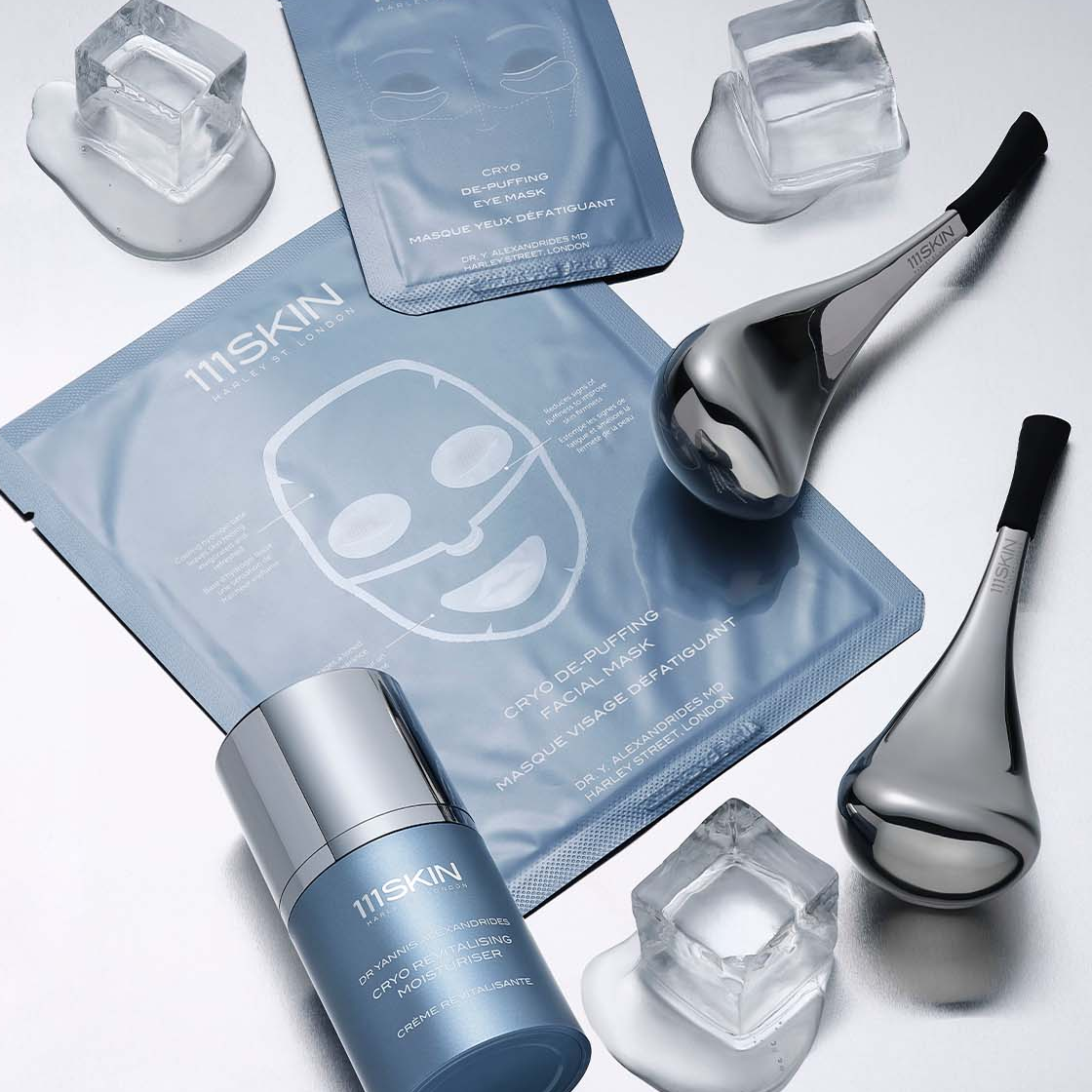
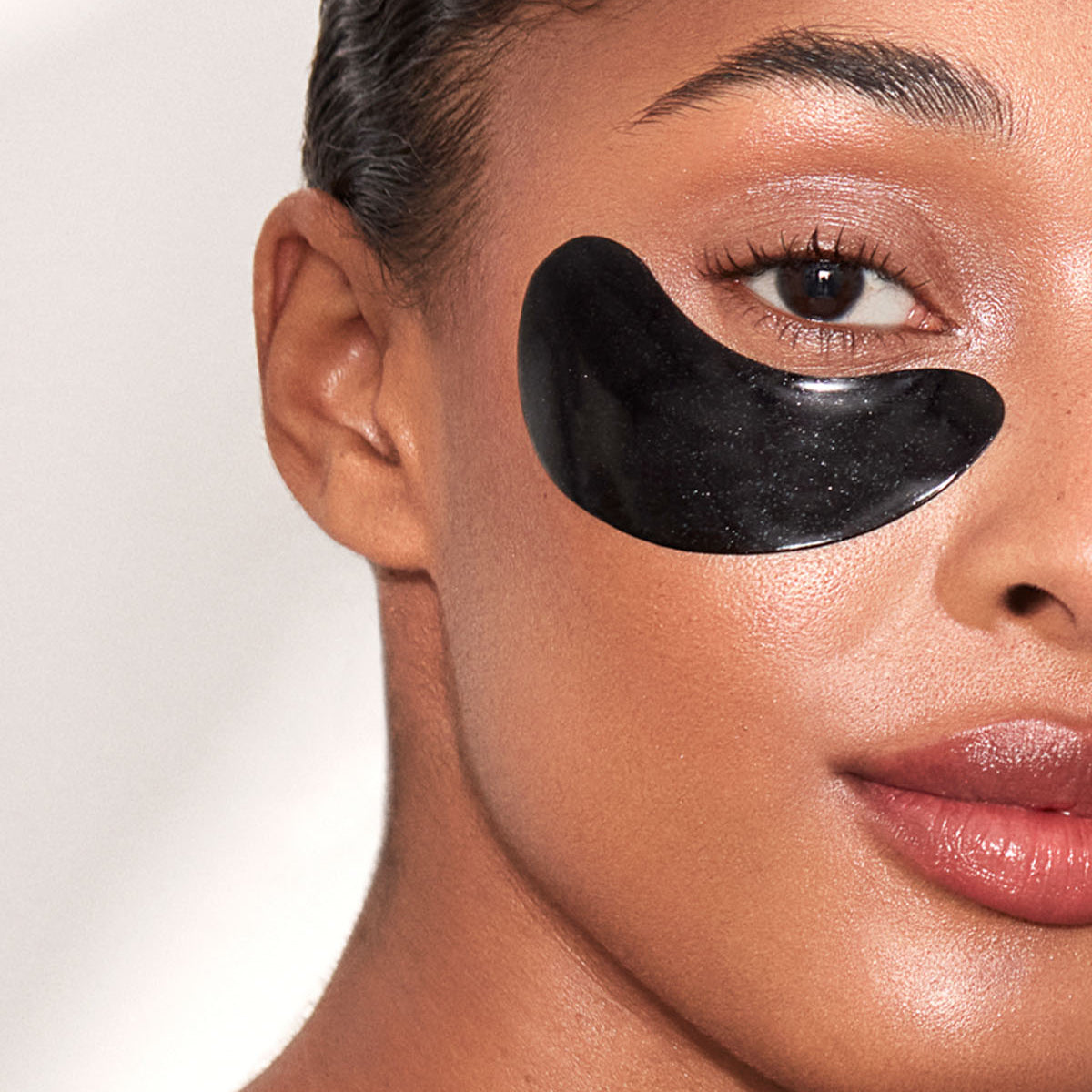
Cryo De-Puffing Eye Mask offers a 20-minute treatment for visible puffiness and tired eyes. The hydrogel format features Seaweed Extract, Vitamin E and Peptide Complex, and refrigeration before use is permitted for this mask.
After cleansing, remove the protective films from both sides, place one mask beneath each eye and wear for 20 minutes. Remove and gently pat in the remaining product, morning or evening. It received InStyle Best Eye Mask in the Best Beauty Buys Awards 2022.
This is a targeted cosmetic refresh for an established routine, not an immediate filler aftercare treatment. Its refrigeration option is specific to the mask and does not mean that eye creams or gels should also be refrigerated.
A compact routine for comfortable, hydrated skin
Once your practitioner has cleared your return to normal skincare, keep the routine focused. You do not need to add multiple treatments because your face has looked puffy. The priority is appropriate care for the skin, while any unresolved filler concern remains with your clinician.
A practical morning routine is:
- Cleanse gently. Use a cleanser that leaves skin comfortable, without scrubbing or applying firm pressure.
- Apply Eye Lift Gel NAC Y²™ if using daily eye care. Follow the method above, before serum.
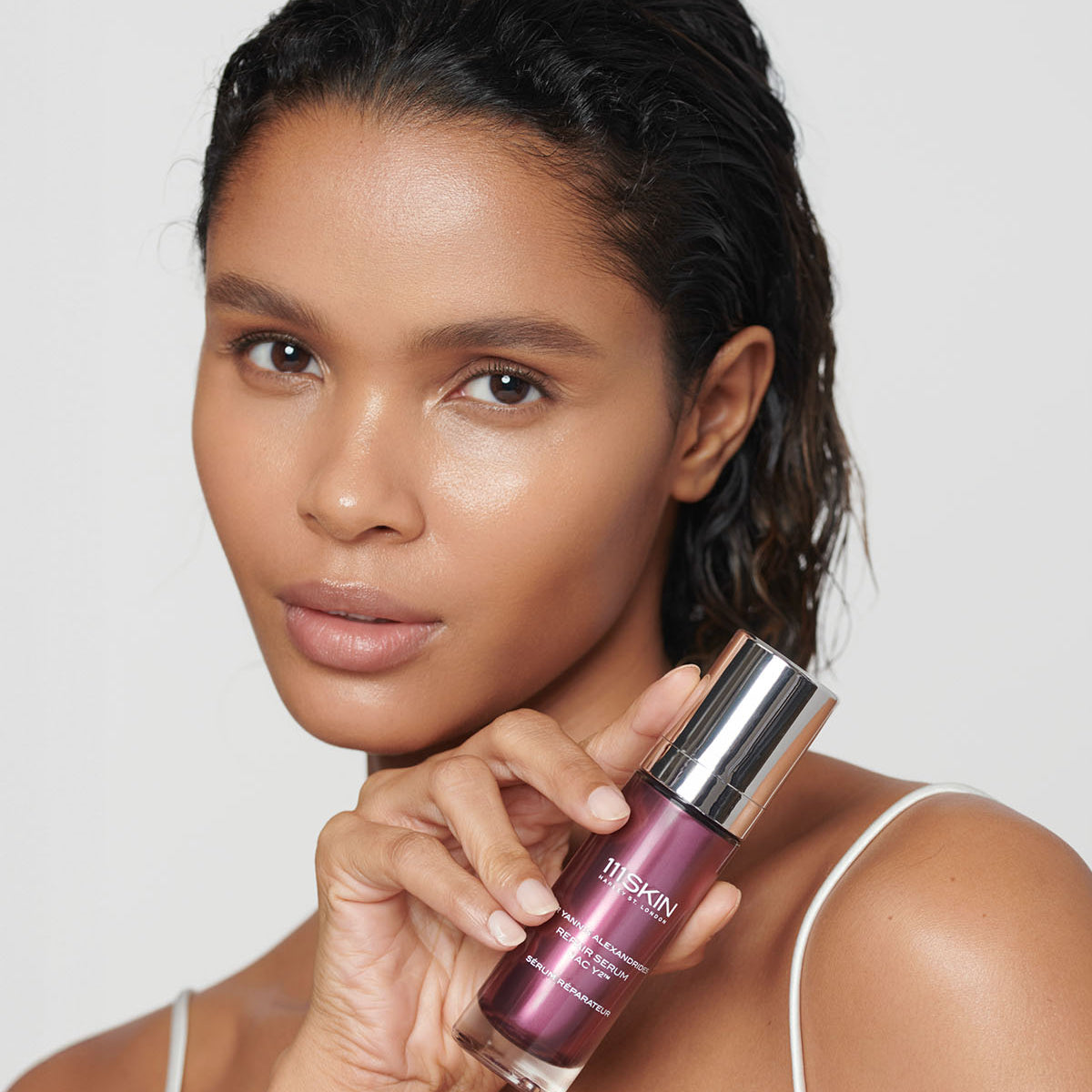
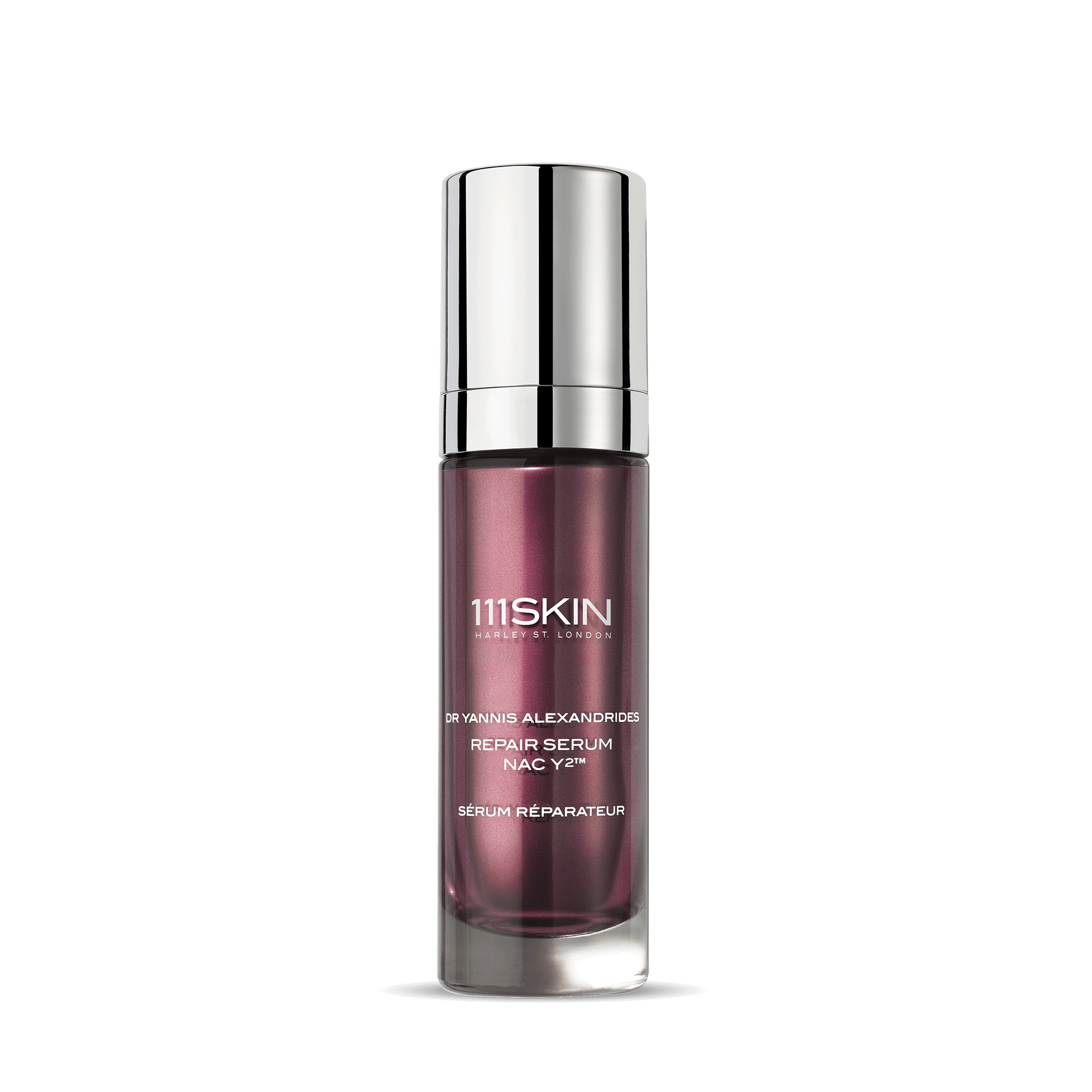
- Apply Repair Serum NAC Y²™. Smooth 1 to 2 pumps onto the face and neck before moisturiser. Its cooling, velvety texture delivers hydration and helps skin look smoother and plumper, while addressing visible redness and early signs of ageing.
- Apply Repair Day Cream NAC Y²™. Use a pea-sized amount across the face, neck and décolletage after serum for nourishing hydration and skin-barrier support.
- Finish with Repair Sunscreen SPF50+. Apply generously and evenly after moisturiser, 15 to 20 minutes before sun exposure, and follow its exposure and reapplication instructions.
Repair Serum NAC Y²™ received Tatler Best Serum for Repair in the Beauty Awards 2025. Its relevance here is skin comfort and surface appearance, not a claim to correct injected filler.
The word "plumper" in skincare describes a hydrated cosmetic finish. It does not mean that a serum adds the same kind of volume as an injectable treatment. Likewise, topical hyaluronic acid used for hydration is not equivalent to placing a hyaluronic acid filler beneath the skin.
Choose skincare for the skin concern that remains after recovery. Choose clinical review for unexplained fullness, persistent swelling or a filler result you want assessed.
If a product causes irritation, stop using it. Persistent irritation or a medical concern merits professional advice, particularly when symptoms occur around a recently treated area.
Conclusion
Fillers can make the face look puffy through early swelling, unwanted volume or a tissue response that needs assessment. Timing and symptoms help guide the next step, but they cannot replace an examination. Contact your treating practitioner if fullness persists, worsens or concerns you, and seek urgent help for pain, visual symptoms or concerning skin colour changes.
Once recovery is complete, hydration and targeted eye care can support a smoother, fresher appearance. Begin with the concern you can identify clearly: Eye Lift Gel NAC Y²™ for daily eye-area hydration, visible lines and puffiness, or a simple reparative routine for comfortable skin. Neither should be used to disguise a filler problem that needs medical review.
As with any skincare product, patch test before first use. If you are pregnant or breastfeeding, consult your doctor before using any skincare products.
FAQ
How long does puffiness after filler usually last?
Early swelling often improves over several days to two weeks, although the treated area, filler and individual response can change that pattern. Follow your practitioner's recovery guidance and contact them if swelling is not improving as expected. Do not wait for a particular day if symptoms are worsening or concerning.
Does a puffy face mean I have too much filler?
No, early swelling can resemble excess volume, and persistent fullness can have several causes. A clinical assessment can consider the amount and position of filler alongside fluid retention or a tissue reaction. Appearance alone does not establish overfilling.
Can skincare or massage get rid of filler puffiness?
Skincare can improve hydration and everyday visible puffiness, but it cannot dissolve filler or treat a filler complication. Avoid massaging a treated area unless your practitioner has specifically instructed you to do so. Ask the clinic when you can resume your usual products and treatments.
Can filler be dissolved if I dislike the fullness?
Hyaluronic acid filler can be broken down with hyaluronidase when a qualified practitioner considers it appropriate. Other filler types do not respond in the same way, and dissolving has risks and limitations. Arrange an assessment before deciding between observation, dissolving or another treatment.