


Table of Contents
- Introduction
- Understand the marks you want to address
- Choose a treatment that directly targets uneven tone
- Your morning and evening routine for dark spots
- Make sun protection part of the pigmentation treatment
- Adapt the routine without overwhelming your skin
- Avoid the habits that can hold back progress
- Track improvement and know when to seek advice
- Conclusion
- FAQ
Introduction
An effective skincare routine for dark spots combines a targeted serum, daily sun protection and gentle cleansing with moisturising care. The aim is to reduce visible pigmentation while limiting the sun exposure and irritation that can make uneven tone more persistent. More active ingredients do not automatically mean faster results.
Start with a routine you can repeat comfortably, then consider additional treatment if texture or visible lines are also concerns. At 111SKIN, this considered approach draws on the clinical inspiration of plastic and reconstructive surgeon Dr Yannis Alexandrides' practice at 111 Harley St. in London. Founded by Dr Yannis and Eva Alexandridis, the brand brings that perspective to targeted formulas and practical at-home rituals.
Understand the marks you want to address
Dark spots, post-blemish marks and melasma differ
Hyperpigmentation describes areas of skin that look darker than the surrounding complexion because of increased melanin, the pigment responsible for skin colour. Several different concerns sit within that description. Understanding the likely trigger helps you decide whether cosmetic care alone is the right starting point.
Flat brown marks can remain after a blemish, scratch or episode of irritation has settled. These are often described as post-inflammatory hyperpigmentation. They are different from indented or raised acne scars: a dark spot serum can address uneven colour, but it will not remove a physical indentation.
Sun-related spots tend to appear on frequently exposed areas, including the face. Broader patches, sometimes appearing symmetrically across the cheeks or forehead, can be associated with melasma, which has hormonal and other contributing factors. A dermatologist can identify the concern and advise on treatment when the cause is unclear.
The practical distinction is important. If new blemishes or recurring irritation keep producing marks, fading existing pigmentation is only part of the task. Addressing the source of inflammation helps reduce the cycle of new discolouration.
Pigmentation is not the same as dullness
Dull skin and dark spots can occur together, but they are not interchangeable. Dehydration and an uneven surface can make the complexion look less luminous, while pigmentation creates a difference in colour between particular areas and the surrounding skin.
Hydration can improve plumpness, smoothness and the way light reflects from the skin. A dark spot treatment works towards a more even-looking tone over time. An immediate glow is welcome, but it is not a reliable measure of whether a brown mark has faded.
Dark spots can affect every skin tone. Post-inflammatory pigmentation can be particularly persistent in melanin-rich skin, making a gentle approach especially valuable. There is no benefit in scrubbing a mark more vigorously because it looks deeper or darker.
A new or changing spot should not automatically be treated as a cosmetic concern. Arrange medical assessment if a mark grows, changes shape or colour, itches or bleeds.
Choose a treatment that directly targets uneven tone
Make a dark spot serum the central treatment step
Dark Spot Correcting Serum is the principal 111SKIN choice when visible dark spots and uneven tone are the priority. Its formula contains 2% Tranexamic Acid, 5% seven Swiss Alpine plant extracts and 1% Gluconolactone. This targeted combination gives the routine a clear focus without requiring several separate brightening serums.
111SKIN reports a 36% reduction in hyperpigmentation after 56 days in a clinical trial of 32 participants. The serum also received Robb Report Best Hyperpigmentation Serum, Grooming Awards 2025.
The useful choice here is a formula developed for the concern itself. A hydrating serum can leave skin looking fresher and smoother, but a product specifically targeting pigmentation belongs at the centre of a dark spot routine.
Despite its name, Dark Spot Correcting Serum is applied evenly across the face and neck. This suits a complexion with scattered marks or more general unevenness, rather than treating each visible spot as an isolated dot. Its place in the routine is after cleansing and before moisturising care.
Understand what the surrounding ingredients contribute
Tranexamic Acid is used in topical skincare to address the appearance of uneven pigmentation. Gluconolactone is a polyhydroxy acid, or PHA, used in skincare for gentle surface exfoliation and hydration. In Dark Spot Correcting Serum, these sit within a finished formula designed to target visible dark spots and uneven tone.
Other familiar skincare ingredients serve complementary purposes. Vitamin C is used for antioxidant and brightening care, while niacinamide appears in formulas addressing concerns including barrier support and uneven tone. Their presence in your existing routine does not mean you need to add another standalone product.
Hyaluronic Acid and Glycerin are humectants: they attract water and support hydration. Emollients soften the skin, while ingredients that limit moisture loss help maintain comfort. These roles explain why a treatment serum and moisturiser work well together, even though they are not doing the same job.
Build the routine around one clear pigmentation treatment, then support it with comfortable moisturising care and consistent sun protection.
Your morning and evening routine for dark spots
Morning: targeted care followed by sun protection
Morning care should be effective enough to address uneven tone and comfortable enough to wear throughout the day. Start with a gentle cleanser that leaves skin clean without persistent tightness, then keep the treatment sequence straightforward.
- Cleanse gently. Use a cleanser suited to your skin and rinse thoroughly. If Cleansing Oil is your preferred cleanser, follow its method detailed in the evening routine below.
- Apply Dark Spot Correcting Serum. Spread 1 to 2 pumps evenly over the face and neck after cleansing.
- Moisturise. Apply a pea-sized amount of Repair Day Cream NAC Y²™ to the face, neck and décolletage after serum. Its nourishing hydration and skin-barrier support complement the targeted treatment.
- Apply sunscreen. Use Repair Sunscreen SPF50+ generously and evenly after moisturiser, 15 to 20 minutes before sun exposure. Follow its exposure and reapplication instructions.
Keep the serum and sunscreen as separate steps. Mixing them together changes how the sunscreen is applied and makes it harder to achieve an even protective layer.
Make-up can follow your completed skincare. If products roll or pill, check that you are not using excessive amounts of the layers underneath, but do not solve the problem by reducing sunscreen. A simpler combination of textures is often easier to wear consistently.
Evening: remove the day and replenish moisture
Evening cleansing removes make-up, sunscreen and accumulated impurities before leave-on treatment. It should leave the skin feeling clean and comfortable, not polished to a squeaky finish.
- Cleanse with Cleansing Oil. With dry hands, apply 2 to 3 pumps to dry skin and massage for 30 seconds. Rinse with warm rather than hot water, then pat dry. It emulsifies to remove make-up and impurities while leaving skin softer.
- Use your targeted serum. Dark Spot Correcting Serum can be used in the morning or evening. If evening is your chosen treatment time, apply 1 to 2 pumps evenly to the face and neck after cleansing.
- Finish with moisturiser. Apply a pea-sized amount of Repair Night Cream NAC Y²™ to the face, neck and décolletage after serum for replenishing evening care.
Cleansing Oil can be used alone or as the first step in a double cleanse. A second cleanse is useful when needed to complete removal, but extra cleansing is not itself a treatment for pigmentation. Repeated washing and vigorous cloth friction can leave skin uncomfortable without improving the mark.
Choose a regular morning or evening slot for Dark Spot Correcting Serum that you can maintain. There is no need to complicate the starting routine with a separate brightening product at every stage. Consistency gives you a clearer view of how your skin responds.
Make sun protection part of the pigmentation treatment
Why daily SPF matters even when you use a serum
UV exposure can darken existing pigmentation and contribute to new sun-related spots. This is why sunscreen belongs alongside targeted treatment, not only in a holiday routine. A serum addresses visible uneven tone while sun protection helps limit an important ongoing trigger.
Cloud cover does not remove the need for protection. Think about ordinary exposure during commuting, walking and time spent outside, as well as deliberate sunbathing. Consistent habits are more useful than careful application on a few very sunny days.
Repair Sunscreen SPF50+ fits after moisturiser in the morning routine. Apply it across exposed areas, not just directly over the marks you want to fade. A spot on one cheek does not mean the rest of the face needs less protection.
Sunscreen also works alongside clothing, a wide-brimmed hat and shade. These measures are particularly useful during prolonged outdoor exposure, when maintaining protection requires more attention than a single morning application.
When a tinted sunscreen may be helpful
Visible light can contribute to pigmentation in some people, particularly those with melasma and darker skin tones. A tinted, broad-spectrum sunscreen containing iron oxides can offer useful additional protection against visible light. This is a specific formulation consideration, not a reason to assume every tinted cosmetic offers equivalent protection.
If melasma is your main concern, a dermatologist can help you select an appropriate sunscreen and treatment plan. Look for a tint you can apply generously and comfortably across your complexion; a shade that only works in a very thin layer is less practical.
For sunscreen generally, choose broad-spectrum SPF30 or higher and follow the product's directions. Reapply during outdoor exposure and after swimming, sweating or towelling as instructed. Do not rely on the small amount of SPF-containing foundation you might normally use to cover a dark mark.
Adapt the routine without overwhelming your skin
If skin feels dry, tight or easily irritated
Dryness does not mean you need a stronger brightening treatment. It often means the supporting routine needs more attention. Comfortable cleansing and a moisturiser you use reliably help you maintain targeted care without repeatedly stopping because the skin feels sore.
Humectants provide water-attracting hydration, while moisturising formulas also soften the surface and help limit moisture loss. This is why simply adding more watery layers may not fully resolve tightness. Assess how your skin feels after cleansing and again later in the day, rather than judging hydration by shine alone.
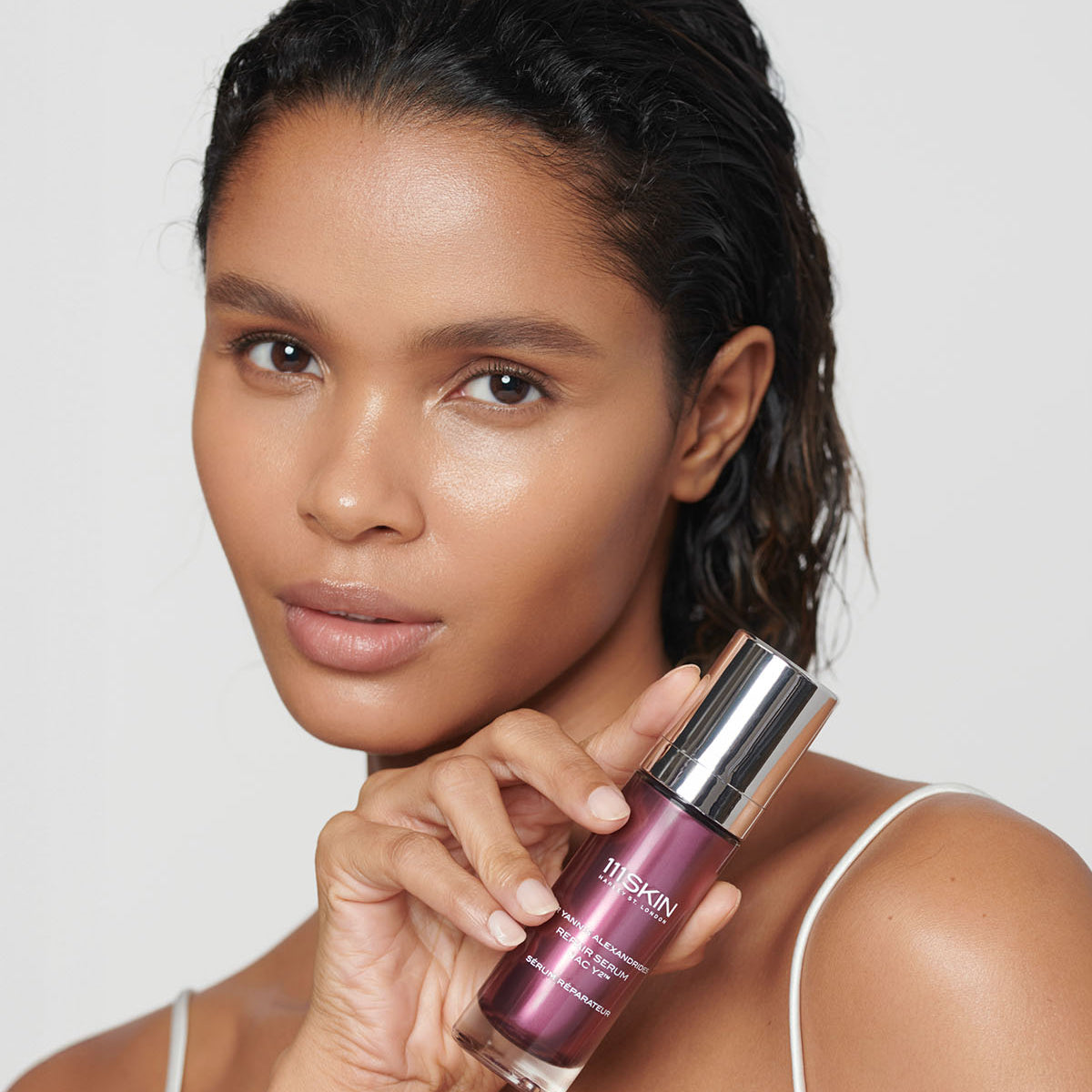
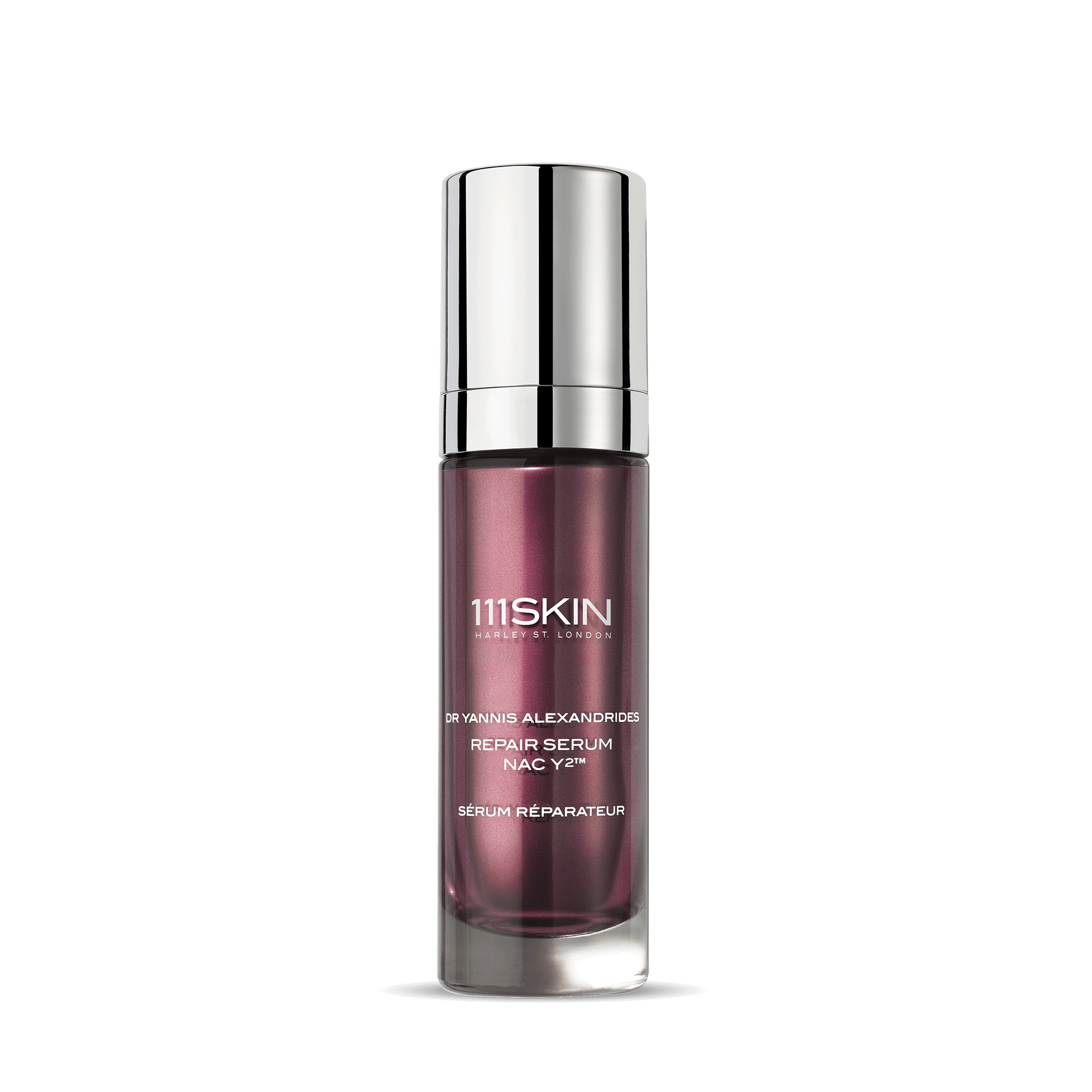
For an evening focused on hydration and comfort, Repair Serum NAC Y²™ offers a cooling, velvety texture and addresses smoother, plumper-looking skin, visible redness and early signs of ageing. Apply 1 to 2 pumps to the face and neck after cleansing and before moisturiser. It serves a different role from the pigmentation-focused serum.
Introduce new products one at a time so that you can recognise what suits your skin. If irritation occurs, stop using the product responsible; persistent irritation warrants professional advice. Burning and a rash are not signs that a dark spot treatment is working harder.
If skin is oily, combination or blemish-prone
Oily skin still benefits from hydration. Removing every trace of surface oil with aggressive cleansing does not make a dark spot serum more effective. Choose textures that feel comfortable enough to use regularly, and avoid assuming that a heavier sensation means better treatment.
For combination skin, observe different areas separately. Tight cheeks and a shiny forehead can coexist, so the whole face does not necessarily need the same richness of supporting moisturiser. Keep the targeted serum application consistent while adjusting moisturising care to comfort.
If marks follow breakouts, avoid picking or squeezing blemishes. Repeated trauma can prolong inflammation and increase the likelihood of lingering discolouration. Persistent acne deserves its own assessment, because a pigmentation serum does not replace acne treatment.
If uneven texture and visible lines are also priorities
Retinoids can be useful when uneven tone sits alongside rough texture or visible lines. Black Diamond Retinol Oil is an evening facial treatment addressing those concerns, with a combined 2.5% blend of Retinol and Granactive Retinoid in an oil base. That figure describes the combined blend, not 2.5% pure retinol.
To introduce it, apply 2 to 3 drops in the evening after cleansing, avoiding the eyes and lips. Begin with 1 to 2 evenings weekly for the first 2 to 3 weeks, then increase gradually. Follow with serum and moisturiser, including during introduction, and use SPF the next morning.
For those evenings, Repair Serum NAC Y²™ followed by Repair Night Cream NAC Y²™ provides hydrating follow-on care. Keep Dark Spot Correcting Serum in the morning if that makes your routine easier to follow. This separates the steps conveniently without making retinol essential to every dark spot routine.
Do not use retinoid-containing products during pregnancy. If breastfeeding, discuss retinoid use with your doctor. Black Diamond Retinol Oil received ASKMen Best Retinol Serum, Grooming Awards 2024, but the practical reason to choose it here is its relevance to uneven tone, texture and visible lines together.
Avoid the habits that can hold back progress
A dark spot is not surface dirt, so it cannot be scrubbed away. Exfoliation can improve surface smoothness and radiance, but escalating it whenever pigmentation looks unchanged can cause irritation. An exfoliating cleanser, acid toner and peel may create a much more intensive routine than any single product suggests.
A separate exfoliant is not necessary to establish the core routine above. If you already use one, consider the complete product combination and follow its specific directions. Retinol and exfoliating treatments can have product-specific spacing instructions, so a generic alternating-night rule is not enough for every formula.
The most useful habits are often the least elaborate:
- Leave healing blemishes alone. Picking adds avoidable trauma to skin already prone to post-inflammatory marks.
- Avoid abrasive scrubs and home bleaching remedies. Lemon juice, household bleach and unlabelled lightening creams are not controlled skincare treatments.
- Notice friction. Repeated rubbing with cleansing tools, towels or harsh cloths can undermine a gentle routine.
- Keep sunscreen accessible. Carrying it on outdoor days makes reapplication more realistic than relying on memory alone.
If pigmentation appeared after starting a medicine, ask the prescribing clinician for advice rather than stopping it yourself. The appropriate response may involve reviewing sun protection or the medicine's effects, not simply adding another serum.
Track improvement and know when to seek advice
Assess colour changes under consistent conditions
Pigmentation usually changes gradually, often over months. The starting depth and cause of a mark, ongoing sun exposure and fresh inflammation all affect its appearance. A single deadline cannot describe every type of dark spot.
Take a clear photograph before starting, then compare images every few weeks using similar lighting, distance and camera settings. Avoid filters, and compare bare skin at a similar point in your routine. A glossy moisturiser or different daylight can make a complexion look more radiant without showing a true change in pigmentation.
Look for reduced contrast between the mark and the surrounding skin, softer-looking edges and a more uniform overall tone. Skin may feel hydrated and look smoother before a spot visibly fades. Those are useful benefits, but they answer a different question.
Check progress by comparing the same mark in the same lighting, not by judging your complexion in a different mirror every day.
Seek a personalised assessment when progress stalls
If consistent care over several months is not producing a useful improvement, a dermatologist can assess the type of pigmentation and discuss appropriate options. Melasma, persistent post-inflammatory marks and sun-related lesions do not always respond to the same approach.
Professional care may include prescription treatment or carefully selected procedures. Suitability depends on the concern and skin tone, because an inappropriate treatment can cause further pigmentation. A consultation is especially valuable before pursuing a strong peel or laser treatment.
Seek advice sooner if you are unsure what a mark is, if irritation repeatedly interrupts treatment or if active acne or eczema is continuing to create new marks. Changing, bleeding or symptomatic spots need medical assessment rather than an extended trial of cosmetic products.
Conclusion
A skincare routine for dark spots works best when every step has a clear role. Use Dark Spot Correcting Serum for visible pigmentation and uneven tone, support skin with gentle cleansing and moisturising care, and make sunscreen a consistent part of the morning.
Add Black Diamond Retinol Oil when texture and visible lines also warrant attention, introducing it gradually and following with serum and moisturiser. Judge fading under consistent conditions, protect against ongoing triggers and seek a personalised assessment when the marks are changing or proving persistent.
As with any skincare product, patch test before first use. If you are pregnant or breastfeeding, consult your doctor before using any skincare products.
FAQ
What is the simplest skincare routine for dark spots?
Start with gentle cleansing, Dark Spot Correcting Serum, moisturiser and daytime sunscreen. Apply 1 to 2 pumps of the serum evenly to the face and neck after cleansing, in the morning or evening, then follow with moisturising care.
How long does a dark spot routine take to work?
Visible fading is gradual and can take months, depending on the cause and persistence of the pigmentation. 111SKIN reports a 36% reduction in hyperpigmentation after 56 days in a clinical trial of 32 participants using Dark Spot Correcting Serum. Individual progress varies, so compare photographs under consistent lighting.
Do I need retinol to fade dark spots?
Retinol is not essential to the starting routine, but it can be useful when uneven tone occurs alongside texture concerns and visible lines. Black Diamond Retinol Oil is introduced gradually in the evening and followed with serum and moisturiser. Do not use retinoid-containing products during pregnancy.
Can dark spots return after they fade?
Yes, ongoing UV exposure or fresh inflammation can contribute to further pigmentation. Maintain sun protection and avoid picking blemishes, even after the complexion looks more even. If new marks keep appearing, seek advice about the underlying trigger.