


Table of Contents
- Introduction
- What does a clean skincare routine really mean?
- Understand the foundations before adding treatments
- A practical morning and evening skincare routine
- Personalise the routine around your main concern
- Add radiance without complicating the essentials
- Keep the routine effective over time
- Conclusion
- FAQ
Introduction
A clean skincare routine starts with gentle cleansing, effective moisturising and daily sun protection, with a targeted treatment added for the concern you most want to address. It should leave your skin comfortable, hydrated and well cared for, without unnecessary layers or harsh cleansing.
The word "clean" needs some perspective. It is used differently across beauty brands and retailers, and it does not, by itself, tell you whether a formula will suit your skin. Natural ingredients are not automatically gentler, and a scientific ingredient name is not a reason to avoid a product.
The most useful approach is to build a considered routine around what each formula does, how your skin responds and how consistently you can use it. Here is how to make those choices and put them into practice.
What does a clean skincare routine really mean?
Look beyond natural and synthetic labels
A product's suitability depends on its complete formulation, the amount applied and your individual skin, not simply where its ingredients originated. Botanical extracts can contribute valuable skincare benefits, but some plant-derived ingredients can also irritate sensitive skin. Laboratory-developed ingredients can offer effective hydration and targeted cosmetic care.
Similarly, "chemical-free" is not a meaningful skincare goal. Water, oils and vitamins are all chemicals. The more helpful questions are whether a product addresses your concern, has clear directions and feels comfortable with continued use.
Preservatives also have an important role in protecting many cosmetic formulas from microbial contamination. An ingredient's unfamiliar name does not establish that it is harmful, just as a familiar plant name does not guarantee tolerance. If you have a known allergy, checking the full ingredient list matters more than relying on a broad marketing description.
Separate skin benefits from personal values
You may want your routine to reflect preferences about ingredient sourcing, animal-derived ingredients or packaging. Those are legitimate considerations, but they answer different questions from whether a moisturiser relieves dryness or a serum improves uneven-looking tone.
Keep these decisions distinct:
- Skin needs: hydration, comfortable cleansing, smoother-looking texture, more even tone or protection from UV exposure.
- Personal preferences: texture, fragrance preferences, packaging format and the experience of using a product.
- Specific commitments: clearly stated information about sourcing or other brand practices that matter to you.
This distinction makes product selection more precise. A recyclable container does not establish that the formula suits sensitive skin, while a short ingredient list does not establish superior performance. Assess the product and its packaging on their own merits.
Use simplicity to improve consistency
A streamlined routine gives each product a clear job. It also makes it easier to notice what changes when you introduce something new. If you add several treatments at once and develop dryness, identifying the cause becomes difficult.
Simplicity does not require avoiding effective treatments or choosing the fewest ingredients possible. One well-chosen serum can address several related concerns, while several similar hydrating layers may add complexity without answering a new need.
111SKIN was founded by plastic and reconstructive surgeon Dr Yannis Alexandrides and Eva Alexandridis. Drawing on Dr Yannis' practice at 111 Harley St. in London, its approach brings clinical inspiration together with considered textures and at-home rituals. In a daily routine, that translates into purposeful formulas used carefully and consistently.
Build your routine around three essential functions: remove what needs cleansing away, maintain comfortable hydration and protect skin from the sun. Add treatment where you have a clear goal.
Understand the foundations before adding treatments
Cleansing should remove impurities without chasing tightness
Cleansing removes make-up, excess surface oil and daily impurities. Its success is not measured by how tight or squeaky your face feels afterwards. Persistent tightness can indicate that your cleansing approach is too drying for your skin.
Temperature, pressure and repetition all matter. Hot water and vigorous rubbing can make an otherwise straightforward cleanse less comfortable. Gentle fingertips, warm water and careful rinsing are usually more useful than repeated washing in pursuit of an oil-free finish.
111SKIN Cleansing Oil emulsifies for the removal of make-up and impurities while leaving skin softer. This makes it a practical starting point for an evening routine, particularly when make-up removal is part of the task. Its oil format is designed to rinse away, which distinguishes it from applying a leave-on facial oil.
Double cleansing can be useful when your first cleanse does not fully remove what you have worn. It is not a measure of how conscientious your routine is. Cleansing Oil can be used alone or as the first step of a double cleanse; assess removal and comfort before adding another wash.
Hydration and moisturisation do complementary work
Hydration concerns water in the skin's outer layers. Humectants, such as glycerin and hyaluronic acid, attract and hold water, helping skin look plumper and feel less tight. Emollients soften the skin's surface, while moisture-loss-limiting ingredients help reduce water escaping.
Many moisturisers combine these functions. This is why a hydrating serum and a moisturiser can work well together: they can contribute different aspects of comfort and surface smoothness. The distinction is useful, but it should not become a reason to assemble several products with almost identical roles.
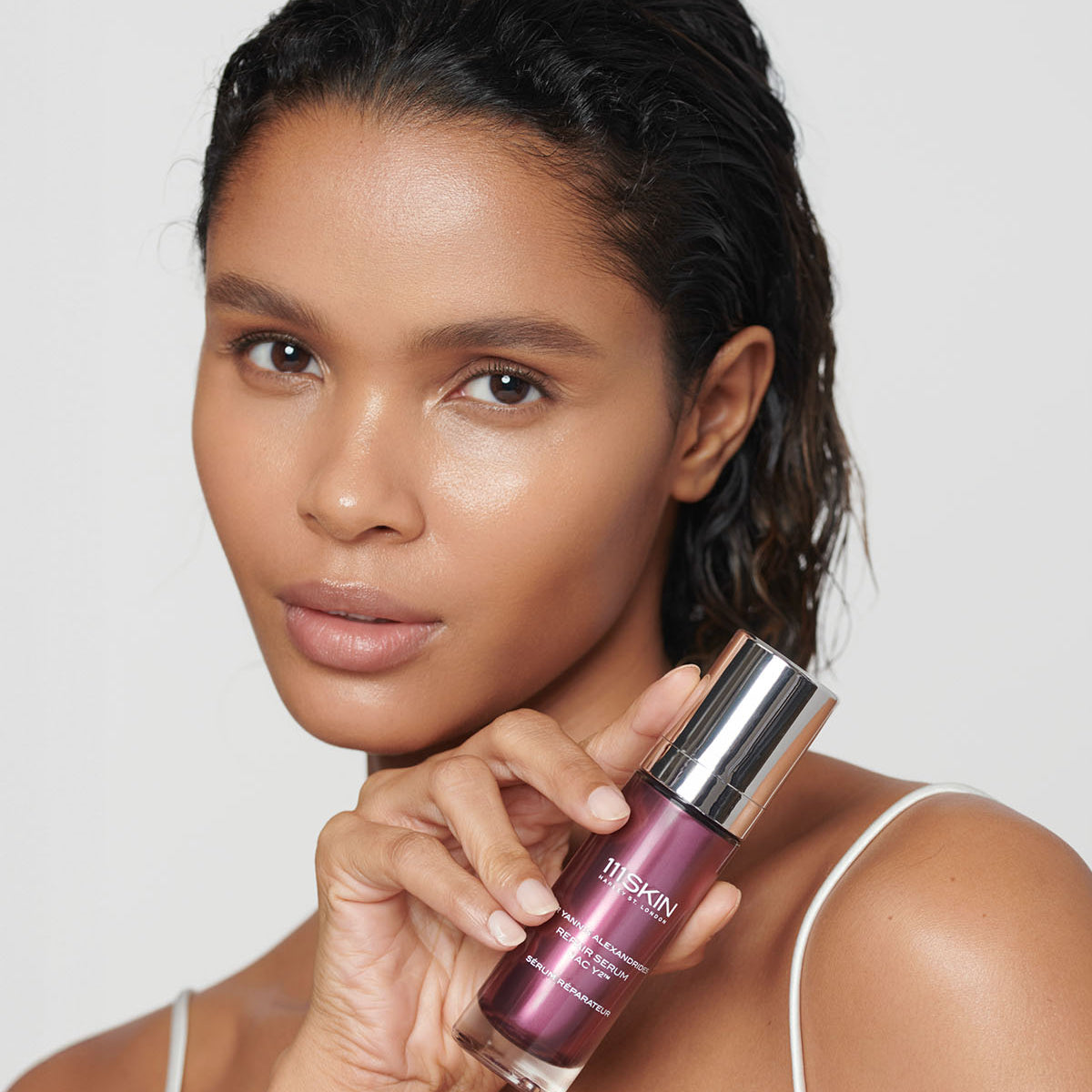
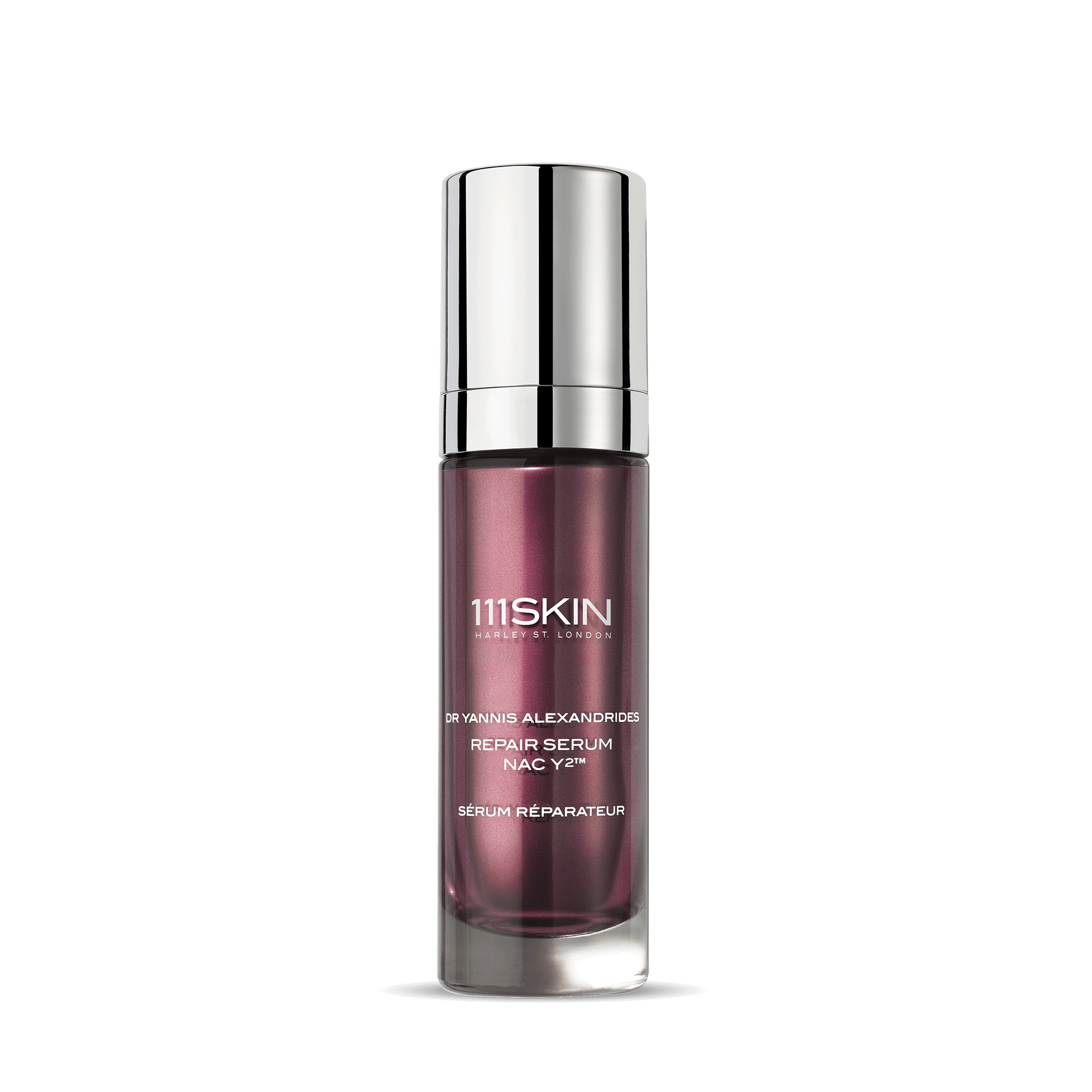
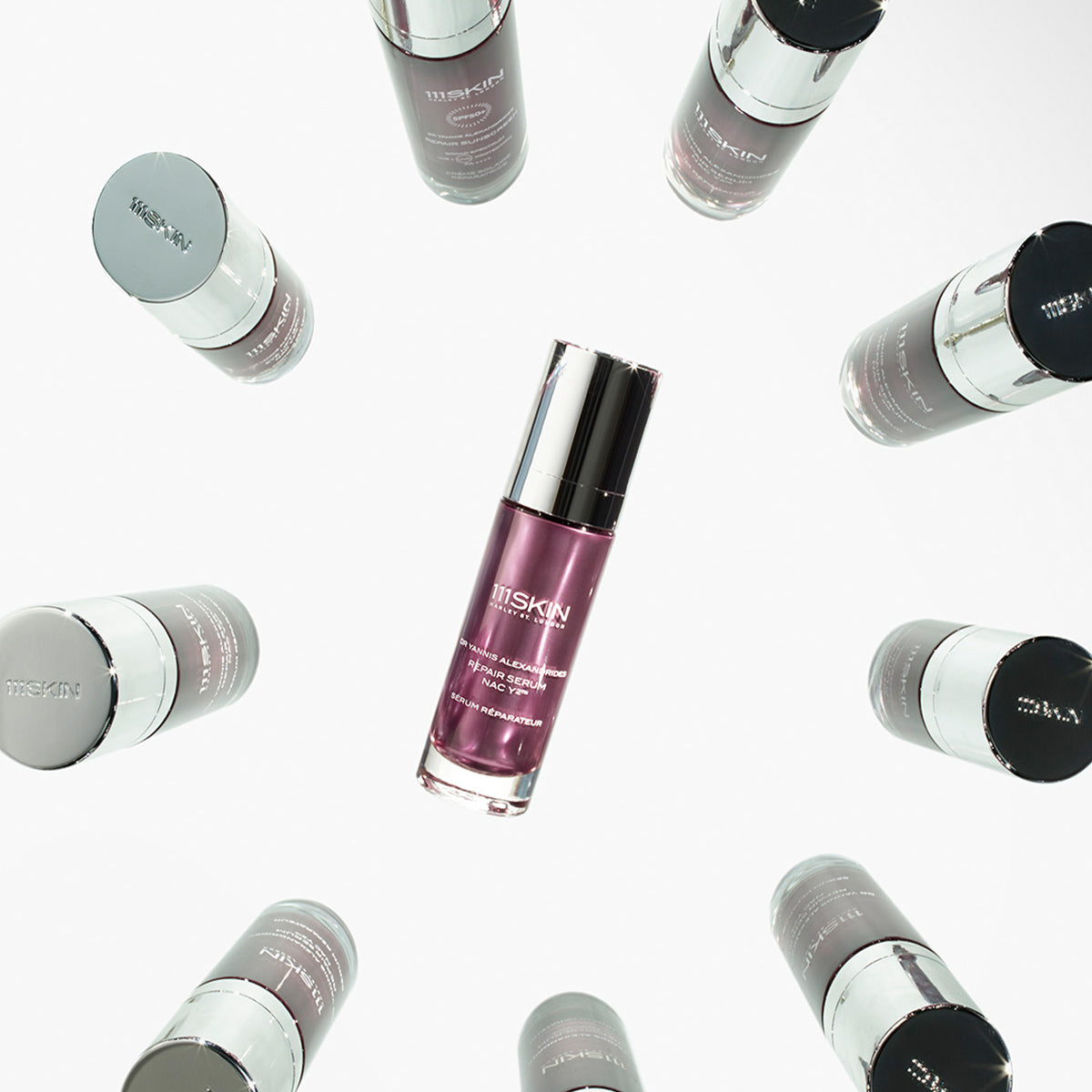
Repair Serum NAC Y²™ provides hydration and smoother, plumper-looking skin, while addressing visible redness and early signs of ageing. Its cooling, velvety texture makes it a relevant treatment step when your priorities are comfort and the appearance of skin quality. Featuring NAC Y²™, Pink Rock Rose Extract and Centella Asiatica, it received Tatler Best Serum for Repair at the Beauty Awards 2025.
For moisturising care, Repair Day Cream NAC Y²™ provides nourishing hydration and skin-barrier support. Repair Night Cream NAC Y²™ offers replenishing evening moisturisation. Their place in the routine is straightforward: follow your serum with the cream intended for that time of day.
Sun protection belongs in a simple routine
Daily sun protection helps limit the UV exposure that contributes to visible skin ageing and uneven pigmentation. It deserves a place even when the rest of your routine is minimal.
Choose a broad-spectrum sunscreen with SPF 30 or higher and use it according to its directions. The amount applied and reapplication are important; a very thin application does not provide the protection established by the labelled SPF.
Repair Sunscreen SPF50+ fits after moisturiser in a morning 111SKIN routine. Keep it as a separate step so that you can apply it generously and evenly. Combine sunscreen with practical measures such as shade, protective clothing and a hat when appropriate.
A practical morning and evening skincare routine
The following routine combines the essential functions with one hydration-focused serum. If you are establishing a routine for the first time, begin with cleansing, moisturiser and morning sunscreen, then introduce the serum once those steps feel comfortable. A treatment serum earns its place by addressing a concern, not by making the routine longer.
Morning: hydrate and protect
- Cleanse according to your skin's needs. A gentle cleanse is useful if you wake with excess oil, sweat or product residue. If your skin is dry and comfortable on waking, a rinse with lukewarm water may be sufficient. When using Cleansing Oil, apply 2 to 3 pumps with dry hands to dry skin, massage for 30 seconds, rinse with warm water and pat dry.
- Apply Repair Serum NAC Y²™. Smooth 1 to 2 pumps over the face and neck after cleansing, before moisturiser.
- Apply Repair Day Cream NAC Y²™. Use a pea-sized amount over the face, neck and décolletage after serum.
- Apply Repair Sunscreen SPF50+. Apply generously and evenly after moisturiser, 15 to 20 minutes before sun exposure. Follow its exposure and reapplication instructions.
The morning routine should leave skin comfortable without making sunscreen difficult to apply. If layers feel excessive, review the treatment steps and their quantities first. Reducing your sunscreen application is not the solution to a heavy-feeling routine.
Make-up follows sun protection. Allow each product to settle enough to apply the next layer comfortably, following any specific product directions. There is no need to impose a lengthy, universal waiting interval between ordinary skincare steps.
Evening: cleanse and replenish
- Remove make-up and daily impurities. Use Cleansing Oil with the dry-skin method above. If a second cleanse is needed, follow with a gentle cleanser suited to your skin and its own directions.
- Apply Repair Serum NAC Y²™. Use 1 to 2 pumps over the face and neck before moisturiser.
- Finish with Repair Night Cream NAC Y²™. Apply a pea-sized amount to the face, neck and décolletage after serum.
Check the hairline, sides of the nose and jaw when rinsing, where cleanser or make-up can be missed. Pat with a clean towel instead of rubbing repeatedly. Skin should feel clean and ready for leave-on care, not scrubbed bare.
Evening care does not need to be more aggressive than morning care. Its immediate task is to remove the day's products and impurities, then restore comfortable moisturisation. A longer routine is useful only when the additional steps have a distinct purpose.
Personalise the routine around your main concern
If skin feels dry or dehydrated
Dry skin tends to lack oil, while dehydration describes insufficient water in the skin's outer layers. They can occur together, but oily skin can also feel dehydrated. Surface shine therefore does not tell you everything about hydration.
Look at how your skin feels across the day. Tight cheeks, uncomfortable skin after washing or make-up catching on dry-looking areas are reasons to review cleansing and moisturisation before adding a stronger treatment. These observations guide cosmetic choices; they do not diagnose a skin condition.
For a focused hydration addition, Hyaluronic Acid Aqua Booster features Hyaluronic Acid and Niacinamide. Shake it, then pat 2 to 4 drops onto clean, dry skin before serum, morning or evening. This gives it a clear place in the routine when additional hydration is your priority.
Keep the moisturiser step in place. A lightweight water-attracting product and nourishing cream answer related but different needs, particularly when skin feels both tight and rough.
If skin is oily or combination
Oily skin still benefits from hydration. The aim is to manage comfort and surface shine without repeatedly removing all traces of oil. Harsh washing can leave oily areas shiny and other areas uncomfortably tight.
Assess zones separately. A shiny forehead does not mean dry cheeks need the same cleansing intensity, and combination skin does not automatically require two complete routines. Begin with comfortable cleansing and a moisturiser texture you enjoy using.
For blemish-prone skin, look for products described as non-comedogenic or as formulated not to clog pores, while recognising that individual responses vary. Persistent or painful breakouts merit professional advice. More washing is not a reliable answer to acne.
If dark spots and uneven tone are the priority
Uneven tone calls for targeted care alongside consistent daytime sun protection. It is a different task from simply adding surface radiance: a glowing finish can improve how skin looks immediately, while visible dark spots need a treatment selected for that concern.
Dark Spot Correcting Serum targets visible dark spots and uneven tone with 2% Tranexamic Acid, 5% seven Swiss Alpine plant extracts and 1% Gluconolactone. In 111SKIN's reported clinical trial of 32 participants, hyperpigmentation was reduced by 36% after 56 days.
Apply 1 to 2 pumps evenly to the face and neck after cleansing, morning or evening, then follow with moisturising care. For a streamlined routine focused on pigmentation, use it as your chosen serum step instead of automatically adding another serum beneath or above it. Include daytime SPF.
If skin is sensitive or easily unsettled
Sensitivity can make product selection more individual. A formula that another person finds comfortable may not suit you, regardless of whether it is described as natural, clean or luxurious.
If fragrance has previously caused problems, look specifically for fragrance-free options. A known allergy requires checking the complete ingredient list, including botanical ingredients. Avoid assuming that a product family shares identical ingredients or suitability.
Introduce one new product at a time so that you can observe how your skin responds. Stop use if irritation occurs, and seek professional advice for persistent irritation or a medical concern. Burning and sustained redness are not signs that a routine is working harder.
Add radiance without complicating the essentials
A clean skincare routine can still include a pleasurable finishing step. The key is to distinguish a targeted treatment from a product used for convenient refreshment. That keeps application clear and avoids placing every hydrating format in the same position.
All Day Radiance Face Mist adds hydration and radiance for a refreshed, glowing finish, including when skin feels dry. Featuring rose water, humectants including Glycerin and Hyaluronic Acid, and a multi-peptide blend, it offers a convenient way to refresh skin without restarting your routine.
Use it after the completed routine, over make-up or for a daytime refresh. Hold it 8 to 10 inches from the face, close your eyes and spray 2 to 3 times, avoiding direct eye contact. Its position is a finishing or refreshment step, not between skincare layers.
This format is especially practical when your face feels dry later in the day but removing make-up and reapplying serum and cream would be inconvenient. The mist adds hydration and luminosity; your moisturiser and sunscreen retain their separate jobs.
Keep the routine effective over time
Use skin comfort and application as checkpoints
A well-matched routine should be manageable in practice. Notice whether skin feels comfortable after cleansing, whether moisturiser relieves tightness and whether products sit well beneath sunscreen and make-up.
Use these observations to make specific adjustments:
- Tightness immediately after washing: review water temperature, rubbing and whether you are cleansing more than necessary.
- Dry-feeling skin later in the day: reassess moisturising care and whether a hydration-focused step would address the gap.
- Pilling during application: check that you are using the directed quantities, reduce unnecessary layers and avoid repeatedly rubbing over products.
- Stinging or persistent redness: stop the product causing irritation and seek advice if symptoms continue.
These checkpoints are more useful than judging your routine by the number of steps. They also help you avoid treating every change in skin appearance with a new active ingredient.
Maintain good product hygiene
Wash your hands before applying skincare and use a clean towel to pat skin dry. Close containers after use and follow the storage information and period-after-opening or expiry guidance supplied with each product.
Keep dropper tips from touching skin and avoid adding water to containers to thin out a formula or use up the remainder. Follow the product's intended method instead of improvising changes to its texture.
Good hygiene does not mean trying to sterilise your face. Repeated washing and aggressive scrubbing do not make a routine more effective. Consistent, gentle handling protects the comfort you are trying to achieve.
Assess progress without changing everything
Hydration, softness and a more radiant finish can be noticeable sooner than changes in established uneven tone or visible lines. Different concerns have different timelines, so an immediate sensory benefit and a gradual cosmetic improvement should not be judged by the same standard.
Keep track of the concern you originally wanted to address. If you compare photographs, use similar lighting and avoid comparing a freshly moisturised face with one photographed at the end of a dry-feeling day. This gives you a more useful view of change.
Exfoliation is not required to make skin genuinely clean. It is a separate treatment choice for concerns such as rough-looking texture, with its own directions and compatibility considerations. Establish comfortable daily care before deciding whether it adds something you need.
Before adding a product, name the gap it will fill. If your skin is already comfortable, hydrated and protected, keep those foundations stable while assessing your chosen treatment.
Conclusion
The most useful clean skincare routine is gentle, purposeful and consistent. Start with effective cleansing, moisturising care and daily sunscreen, then select a treatment for the concern that matters most to you.
For a hydration-led 111SKIN routine, Cleansing Oil, Repair Serum NAC Y²™, the appropriate Repair moisturiser and morning Repair Sunscreen SPF50+ provide a clear structure. Personalise that structure with targeted tone care or extra hydration when needed, and use a finishing mist when convenient refreshment is the goal. Let product performance and skin comfort guide your choices, rather than an undefined promise of "clean".
As with any skincare product, patch test before first use. If you are pregnant or breastfeeding, consult your doctor before using any skincare products.
FAQ
What is the simplest clean skincare routine?
Start with gentle cleansing and moisturiser, adding broad-spectrum SPF 30 or higher in the morning. Once those steps feel comfortable and consistent, introduce a targeted serum for a specific concern such as dehydration or uneven tone.
Are natural skincare products always better for sensitive skin?
No, natural ingredients can also cause irritation or allergic reactions. Assess the full formula, avoid known allergens and introduce products individually so that you can identify what suits your skin.
Do I need to double cleanse every evening?
Double cleansing is useful when one cleanse does not adequately remove the make-up or sunscreen you have worn. Cleansing Oil can be used alone or first in a double cleanse, so let thorough removal and skin comfort guide the decision.
Can a clean skincare routine include retinol?
Yes, a purposeful routine can include a retinoid treatment for appropriate concerns, provided you follow the exact product's directions and introduce it gradually. "Clean" is not a useful test of whether retinol will suit your skin. Retinoid-containing products should not be used during pregnancy; if breastfeeding, ask your doctor before use.