


Table of Contents
- Introduction
- Understand what makes pores noticeable
- Choose a treatment for the concern beside your pores
- Build your morning and evening routine
- Adapt the routine to your skin
- Avoid habits that make pore care harder
- Assess progress without chasing poreless skin
- Conclusion
- FAQ
Introduction
A skincare routine for pores should combine gentle cleansing, a targeted treatment, moisturiser and daily sun protection. This approach helps reduce the build-up and uneven texture that make pores more noticeable, while keeping skin comfortable. Skincare cannot permanently close pores, but it can make a meaningful difference to how clear and smooth your skin looks.
The most useful treatment depends on what accompanies your visible pores. Blackheads and oiliness call for a different emphasis from dryness, sensitivity or uneven texture. The aim is to address those concerns without repeatedly stripping or exfoliating the skin.
111SKIN was founded by plastic and reconstructive surgeon Dr Yannis Alexandrides and Eva Alexandridis, drawing on his practice at 111 Harley St. in London. That clinically inspired approach translates here into a focused routine: purposeful treatment, balanced with hydration and consistent protection.
Understand what makes pores noticeable
Visible pores are not always clogged pores
The facial pores most people notice are openings associated with hair follicles and sebaceous glands. They allow sebum, the skin's natural oil, to reach the surface. Their visibility varies naturally, particularly across the nose, forehead and cheeks.
A visible pore is not automatically blocked or a sign that your skin is unclean. Genetics and oil production influence its appearance, while ageing and sun damage can reduce the firmness of the surrounding skin. Trying to wash away naturally visible pores usually leads to unnecessary cleansing.
Congestion is a more specific concern. When oil and dead skin cells accumulate within a follicle, a blockage can develop. Blackheads have an open surface that darkens through oxidation; their colour does not mean dirt has become trapped in the skin.
Blackheads and sebaceous filaments need different expectations
Small, evenly distributed greyish or yellowish dots across the nose may be sebaceous filaments. These normal structures help oil travel through the follicle. They can become more noticeable on oily skin, but removing them does not prevent them from returning.
Blackheads tend to look more distinct and irregular. Although the two can be difficult to distinguish at home, neither benefits from repeated squeezing or prolonged attempts to massage everything out.
This distinction matters because a routine can manage build-up without making normal skin anatomy disappear. If your nose looks clearer after cleansing but the dots gradually return, that does not necessarily mean your cleanser has failed.
Texture and hydration change the overall picture
Pores can appear prominent alongside roughness, flaking or a shiny surface. These are different observations, and they should not all trigger stronger exfoliation. Skin that feels tight after washing needs a gentler approach, even when the T-zone remains oily.
Oil and water also play different roles. Skin can produce plenty of sebum while lacking comfortable hydration. Moisturiser helps smooth dry surface texture and support the skin barrier; it does not need to eliminate oil to be useful.
Aim for clearer, smoother, comfortable skin. A routine that leaves your face tight, sore or persistently flaky is not a more effective pore routine.
Choose a treatment for the concern beside your pores
Salicylic acid for blackheads and oily congestion
Salicylic acid is a beta hydroxy acid, or BHA. It is oil-soluble and helps exfoliate within oily follicles, making it a useful ingredient to consider when visible pores are accompanied by blackheads and congestion.
It appears in both rinse-off cleansers and leave-on treatments. These formats have different contact times and directions, so follow the instructions for the particular formula. An exfoliating cleanser should not automatically be combined with an exfoliating toner and serum.
Start with one exfoliating product and assess how your skin responds before expanding the routine. More frequent application is not always more effective: irritation can leave skin rough and uncomfortable, making its texture more conspicuous.
If blackheads are your main concern, prioritise an appropriately formulated congestion treatment. A hydrating serum can support comfort alongside it, but hydration alone will not clear a persistent blockage.
Retinol for uneven texture and visible signs of ageing
Retinoids are another useful category when pores sit alongside uneven texture and signs of ageing. They influence skin cell turnover, helping address the surface irregularity that can make pores stand out. Their benefits develop through consistent use, not aggressive application.
Black Diamond Retinol Oil is an evening facial treatment for visible lines, uneven tone and texture. It contains a combined 2.5% blend of Retinol and Granactive Retinoid in an oil base. Its smoothing benefits make it a relevant choice when your concern extends beyond congestion to the overall finish of the skin.
The oil texture also shows why product format alone cannot tell you whether a treatment belongs in a pore-focused routine. An oil-based treatment and an oil cleanser have different purposes; neither should be judged simply by the word "oil".
Do not use Black Diamond Retinol Oil during pregnancy. If you are breastfeeding, discuss retinoid use with your doctor. Its gradual introduction and follow-on moisturising care are important parts of the method below.
Hydrating ingredients for tightness and roughness
Humectants such as Hyaluronic Acid and Glycerin attract water, while emollients soften the skin and moisture-loss-limiting ingredients help retain hydration. These roles complement one another. A water-attracting serum and a moisturiser can therefore make sense in the same routine.
Hyaluronic Acid Aqua Booster features Hyaluronic Acid and Niacinamide and focuses on hydration. It is useful when visible pores coexist with skin that feels dehydrated or uncomfortable. Its role here is to improve hydration, not to act as an exfoliant or promise to erase pores.
Niacinamide is often discussed in pore care because of its broader relevance to barrier function and oiliness. However, the finished formula matters. Choose a product for its stated purpose and your skin's response, rather than assuming every Niacinamide formula delivers identical oil-control results.
A useful starting point is:
- Blackheads with an oily surface: consider a salicylic acid product, supported by gentle cleansing and moisturiser.
- Uneven texture with visible lines: consider a gradually introduced retinoid treatment.
- Tightness, flaking or sensitivity: establish comfortable hydration and barrier care before increasing treatment intensity.
- Visible pores without congestion or discomfort: maintain a simple routine and realistic expectations about natural texture.
You do not need all these treatment routes at once. Select the one that answers your main concern, then keep the surrounding routine consistent.
Build your morning and evening routine
The following routine centres on hydration, protection and an evening texture treatment. If blackheads are your priority, use your chosen salicylic acid product according to its own directions instead of introducing several new treatments together.
Morning: cleanse, hydrate and protect
-
Cleanse gently. Use a cleanser suited to your skin and rinse with lukewarm water. Work with your fingertips rather than a scrub, brush or abrasive cloth. The finish should feel clean without persistent tightness.
-
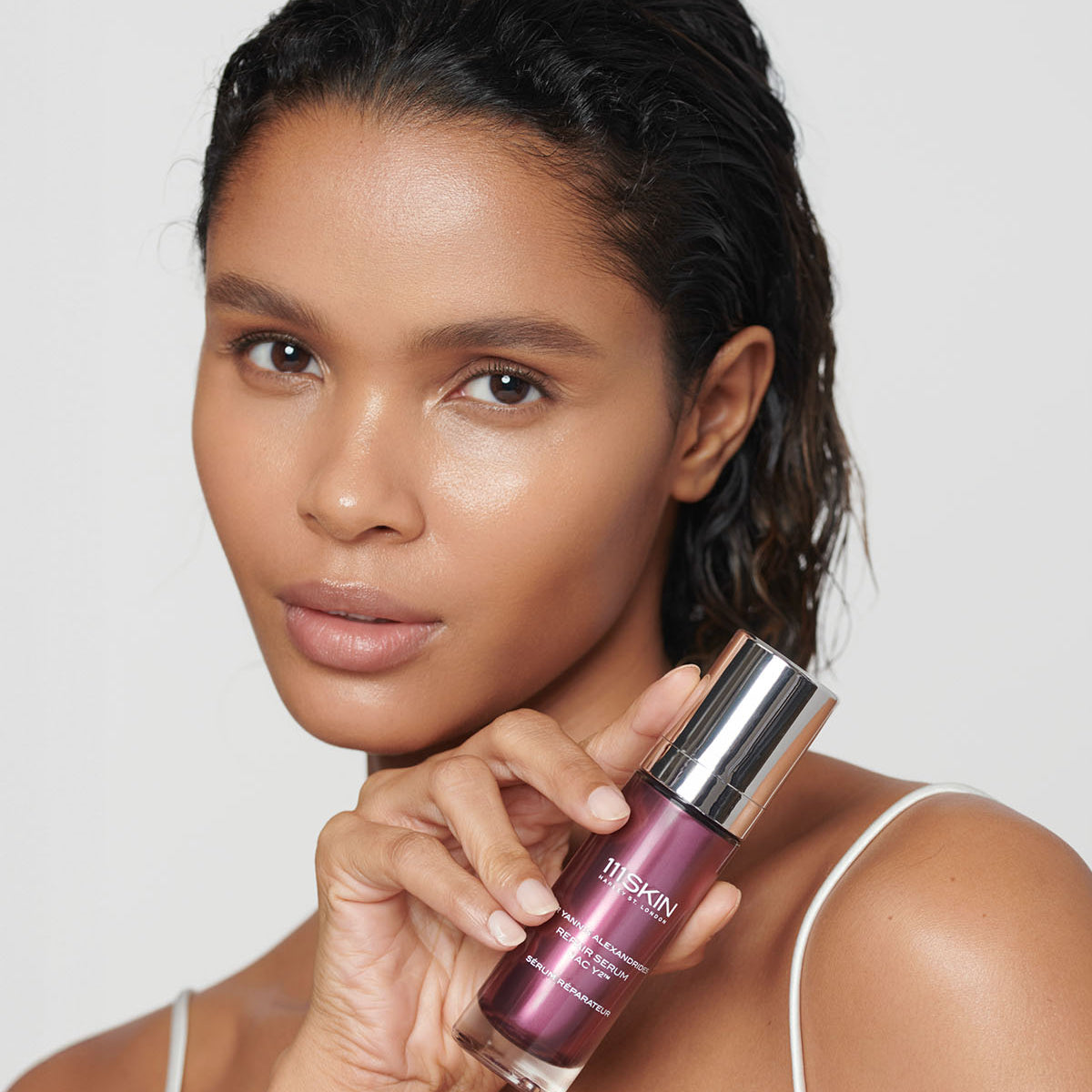
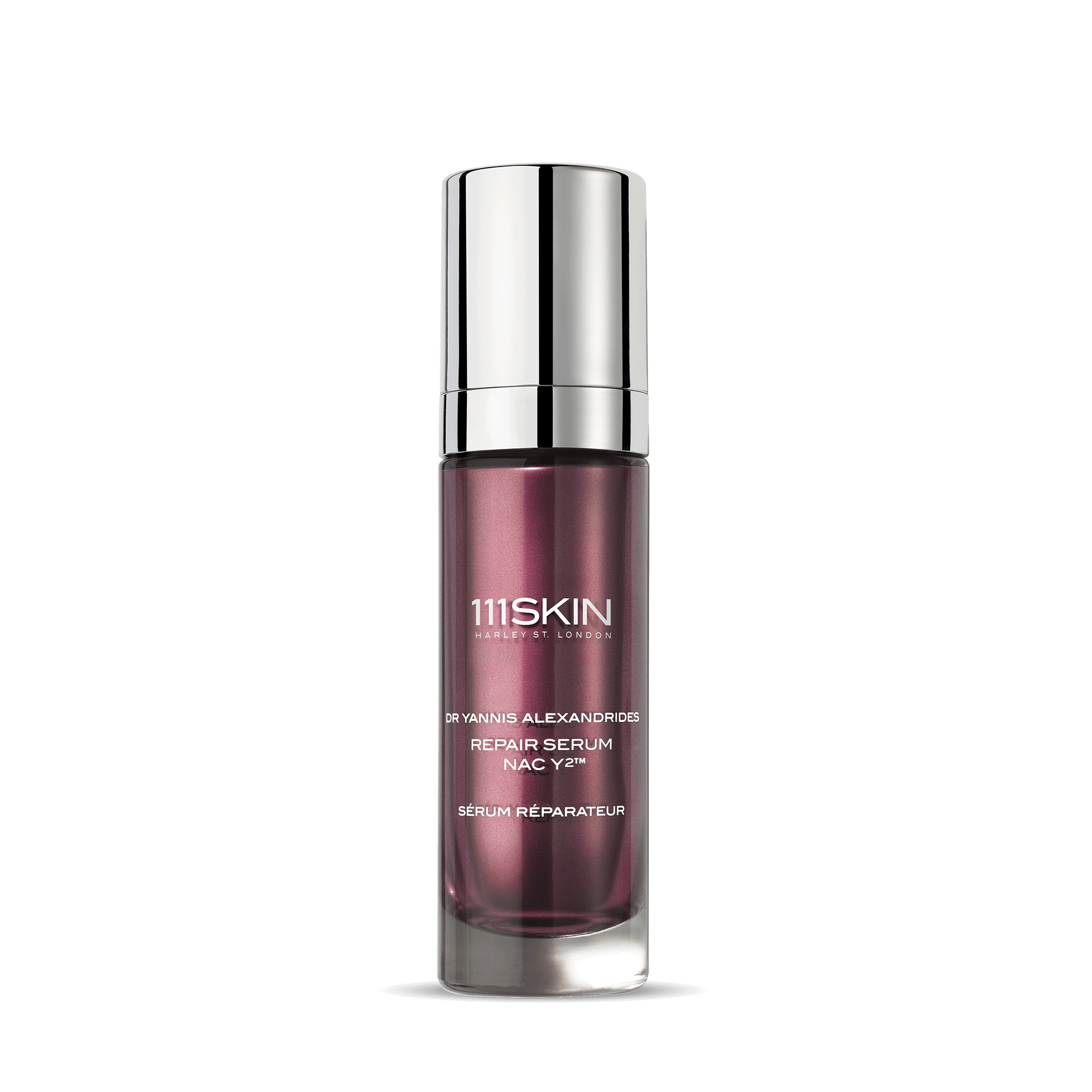
Apply hydrating care. For a straightforward serum step, apply 1 to 2 pumps of Repair Serum NAC Y²™ to the face and neck after cleansing. Its cooling, velvety texture provides hydration and helps skin look smoother and plumper, while addressing visible redness and early signs of ageing.
-
Moisturise. Apply a pea-sized amount of Repair Day Cream NAC Y²™ to the face, neck and décolletage after serum. Its nourishing hydration and skin-barrier support are especially relevant if pore-focused treatments have made comfort harder to maintain.
-
Finish with sunscreen. Apply Repair Sunscreen SPF50+ generously and evenly after moisturiser, 15 to 20 minutes before sun exposure. Follow its exposure and reapplication instructions, and use shade and protective clothing as part of your sun-protection habits.
Repair Serum NAC Y²™ received Tatler Best Serum for Repair at the Beauty Awards 2025. Within this routine, its practical value is the combination of hydration, a smoother-looking finish and a texture that feels comfortable beneath moisturiser.
If dehydration remains a concern, Hyaluronic Acid Aqua Booster can sit before serum. Shake it, then pat 2 to 4 drops onto clean, dry skin, morning or evening. Keep this as a purposeful addition for hydration rather than adding another layer simply because you are concerned about pores.
Evening: remove the day and treat texture
-
Cleanse thoroughly but gently. With dry hands, apply 2 to 3 pumps of Cleansing Oil to dry skin. Massage for 30 seconds, rinse with warm rather than hot water and pat dry. It emulsifies to remove make-up and impurities while leaving skin softer, and can be used alone or first in a double cleanse.
-
Apply your evening treatment. On Black Diamond Retinol Oil evenings, apply 2 to 3 drops, avoiding the eyes and lips. Begin with 1 to 2 evenings weekly for the first 2 to 3 weeks, increasing gradually as your skin tolerates it.
-
Follow with serum. Apply 1 to 2 pumps of Repair Serum NAC Y²™ to the face and neck. Black Diamond Retinol Oil is followed by serum and moisturiser, including during its introductory weeks.
-
Finish with moisturiser. Apply a pea-sized amount of Repair Night Cream NAC Y²™ to the face, neck and décolletage after serum. This replenishing evening moisturiser completes the routine. Use SPF the following morning.
On evenings without Retinol Oil, continue with cleansing, serum and moisturiser. These simpler evenings maintain hydration and allow you to observe how your skin is responding without continually changing the routine.
Double cleansing is useful when your first cleanse has substantial make-up or sunscreen to remove, but it is not a test of thoroughness. A second gentle cleanser can complete removal when needed; repeated washing until skin feels squeaky clean adds friction without improving the aim of the routine.
Keep the order specific to the product
The familiar advice to apply every facial oil last does not apply to Black Diamond Retinol Oil. Its directions place it before serum and moisturiser. Following that sequence keeps the treatment method clear and ensures moisturising care remains part of the evening.
Likewise, adding more drops is not a shortcut to smoother texture. The stated quantity and gradual frequency give you a controlled introduction. Comfort between applications is more useful feedback than whether the treatment produces an immediate sensation.
Adapt the routine to your skin
Oily and combination skin
If your forehead and nose become shiny while your cheeks remain comfortable or dry, avoid treating the whole face as though every area produces the same amount of oil. Choose a moisturiser texture you can wear consistently and assess treatment needs by area, following the product's application instructions.
For additional products, including make-up, a non-comedogenic label is a useful selection cue for congestion-prone skin. It indicates a formula designed to be less likely to clog pores, although individual responses still vary. No single label guarantees that a product will suit everyone.
An oil cleanser can still have a place in an oily-skin routine because it is rinsed away after cleansing. What matters is effective removal and the condition of the skin afterwards. Do not extend massage far beyond its directions in an attempt to extract visible dots.
Dry or sensitive skin
When pores look prominent on dry skin, the first priority is often the roughness around them. Repeated exfoliation can intensify flaking and discomfort. Establish gentle cleansing, moisturiser and sunscreen before deciding whether an active treatment is needed.
Repair Day Cream NAC Y²™ and Repair Night Cream NAC Y²™ provide nourishing daytime care and replenishing evening care respectively. They support the routine around a treatment; they do not need to be described as pore-shrinking products to be valuable.
If an active causes irritation, stop using it. Persistent redness, burning or peeling deserves professional advice rather than another corrective product. Do not interpret discomfort as proof that congestion is being cleared.
Skin with changing firmness or persistent breakouts
Pores may become more noticeable as the surrounding skin loses firmness with age and accumulated sun exposure. In this situation, a texture-focused retinoid routine and consistent sunscreen have a clearer purpose than repeated attempts to remove oil.
Persistent inflamed spots, painful lesions or marks developing after breakouts need a different level of assessment. A cosmetic pore routine is not a treatment plan for acne. A dermatologist can help identify the concern and recommend care that addresses both congestion and inflammation.
Professional advice is also useful if you cannot distinguish blackheads from another change in texture. The aim is to avoid spending months treating an assumed blockage that is not the main issue.
Avoid habits that make pore care harder
Replace force with consistent cleansing
Squeezing, scraping and using home extraction tools can injure the skin and leave inflammation or marks. Even when a pore looks temporarily empty afterwards, the process does not prevent oil from returning. Repeating it can create a more troublesome concern than the original texture.
Hot water and steam do not open pores like doors, and cold water does not permanently close them. Comfortable water temperature and a cleanser that rinses away properly are more useful than temperature extremes.
Keep these practical boundaries in mind:
- Avoid harsh scrubs and repeated rubbing over the nose or cheeks.
- Remove make-up at the end of the day without picking at rough areas.
- Do not repeatedly cleanse whenever shine appears.
- Avoid starting several exfoliating or retinoid products together.
- Keep moisturiser and sunscreen in place when introducing treatment.
These habits preserve the conditions in which a treatment can be used consistently. They also make it easier to tell whether a new product is helping, because the skin is not simultaneously recovering from excessive friction.
Be selective with extra steps
A toner is not essential simply because pores are visible. If cleansing has removed make-up and impurities, there is no need to keep wiping until a cotton pad looks a particular way. An essence or hydrating preparation step should add comfort, not compensate for an inadequate or overly harsh cleanse.
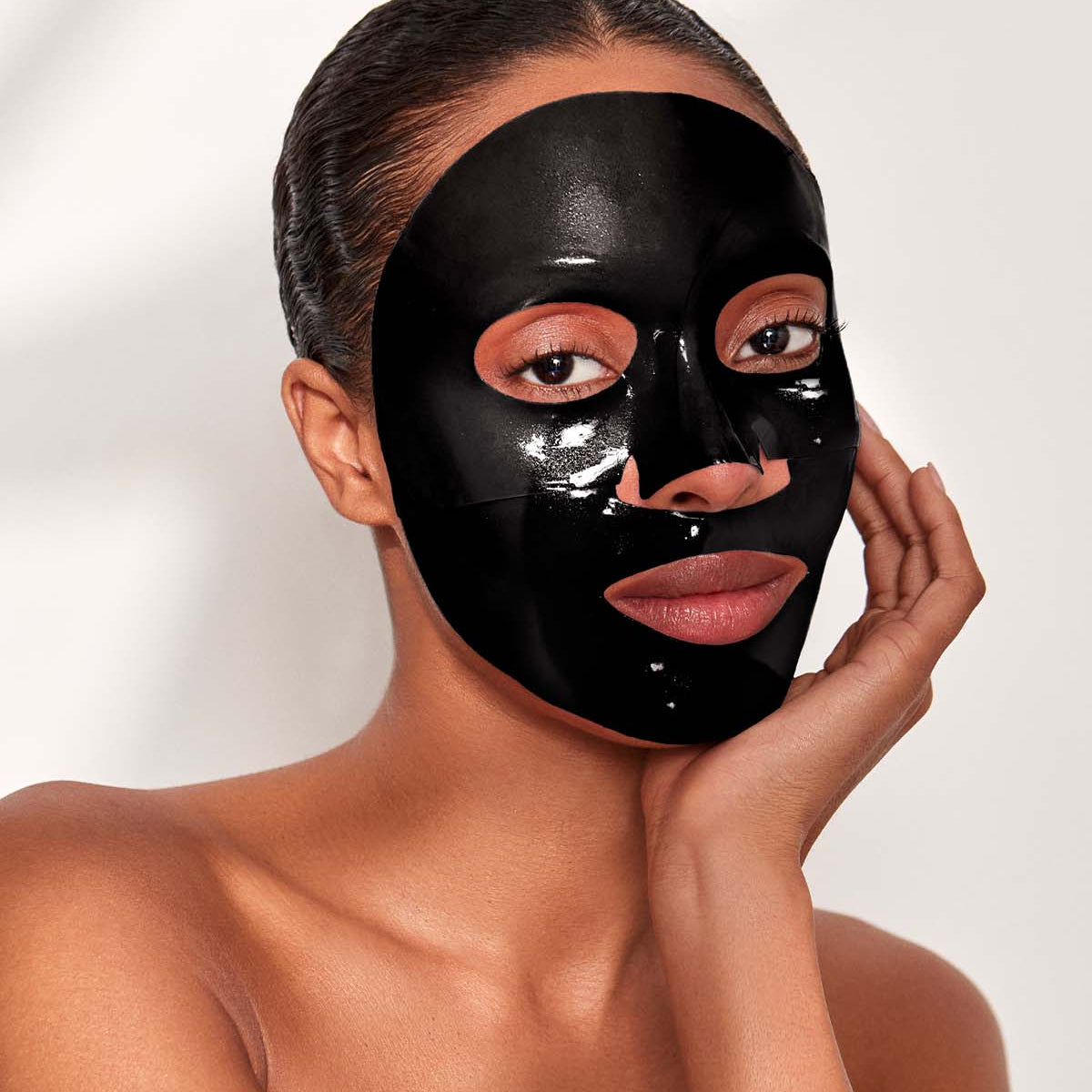
The same principle applies to masks and instant blurring products. A hydrating mask can improve the look of dry surface texture, while make-up may soften the visual contrast of pores. Neither needs to be mistaken for a treatment that clears blackheads.
Before adding a step, identify the problem it solves: incomplete removal, persistent congestion, roughness or dehydration. If you cannot name that problem, give the existing routine time before expanding it.
Assess progress without chasing poreless skin
Look for changes that reflect your concern
Judge a routine by more than a close-up inspection of your nose. For congestion, useful changes include fewer obvious blackheads and less recurrent build-up. For dehydration, look for improved comfort and less flaky texture. For a texture-focused routine, assess the overall smoothness of the skin.
Hydration can improve how the surface looks relatively quickly, while persistent congestion and uneven texture need consistent care over time. There is no universal deadline for a visibly smaller-looking pore. Your starting concern, formula and tolerance all influence the result.
If you take progress photographs, use similar lighting, distance and time of day. A magnifying mirror or strong side lighting can make normal texture seem dramatically different without any actual change in the skin.
Change one variable when the routine stalls
If you are not seeing progress, first review consistency and comfort. Frequently switching cleansers, exfoliants and serums makes it difficult to identify what is useful. A routine that is too irritating to maintain will not become more effective by adding another active.
Consider whether you are addressing the right concern. Continuing to exfoliate normal sebaceous filaments more aggressively is unlikely to provide the lasting result you want. Persistent blackheads or troublesome texture may instead benefit from a professional assessment.
A useful checkpoint is clearer skin with less discomfort, not an absence of every visible pore. Keep what is working and adjust the step that answers the remaining concern.
Conclusion
The best skincare routine for pores begins with the reason they look noticeable. Use gentle cleansing and a targeted congestion treatment for blackheads, consider Black Diamond Retinol Oil for uneven texture and visible signs of ageing, and prioritise hydration when skin feels tight or rough.
Keep the framework consistent: cleanse, treat with purpose, moisturise and protect with sunscreen. That combination supports clearer, smoother-looking skin without asking skincare to remove a normal and necessary part of its structure.
As with any skincare product, patch test before first use. If you are pregnant or breastfeeding, consult your doctor before using any skincare products.
FAQ
Can skincare permanently shrink pores?
Skincare cannot permanently close pores or erase their natural structure. It can reduce the build-up, roughness and uneven texture that make them more noticeable. Gentle cleansing, an appropriate treatment and daily sun protection support that improvement.
Is salicylic acid or retinol better for visible pores?
Salicylic acid is particularly useful when blackheads and oily congestion are the main concern. Retinol is relevant when visible pores sit alongside uneven texture and signs of ageing. Start with the treatment that best matches your concern and follow its individual directions.
Should I moisturise if my pores look large and my skin is oily?
Yes, oily skin can still benefit from hydration and barrier support. Choose a moisturiser texture that feels comfortable and consider non-comedogenic options if you are prone to congestion. Removing all surface oil or leaving skin tight is not the goal.
How should I introduce Black Diamond Retinol Oil?
Apply 2 to 3 drops in the evening, avoiding the eyes and lips, starting with 1 to 2 evenings weekly for the first 2 to 3 weeks and increasing gradually. Follow with serum and moisturiser, and use SPF the next morning. Do not use it during pregnancy; discuss use while breastfeeding with your doctor.