



Table of Contents
- Introduction
- Know your roller before choosing a recipe
- Three simple ice face roller recipes
- Ingredients to leave out of an ice roller
- What cooling can and cannot do for your skin
- How to use an ice face roller carefully
- A formulated alternative for visible puffiness
- Finish with skincare that matches your goal
- Keep the recipe simple and the goal clear
- FAQ
Introduction
The simplest ice face roller recipe is plain drinking-quality water. For a refillable mould that permits other liquids, cooled green tea or well-strained, diluted cucumber juice are straightforward variations. The main benefit comes from cooling, which can temporarily reduce visible puffiness and leave skin feeling refreshed, not from turning kitchen ingredients into a treatment serum.
A useful recipe also needs the right tool and careful application. A sealed roller does not need filling, while a mould that exposes frozen liquid requires precautions against direct ice contact. Keep the mixture simple, protect skin from excessive cold and use your regular skincare to address hydration, uneven tone or visible lines.
Know your roller before choosing a recipe
Refillable moulds and sealed rollers work differently
The term "ice roller" describes several tools. Some have a sealed metal or gel-filled head that you chill according to the manufacturer's instructions. Others are refillable silicone moulds that release a shaped block of ice. Only the second type needs a recipe.
Check the tool's instructions before adding anything. A sealed head should not be opened or filled, and a refillable mould may be designed for water alone. Neither a recipe nor a popular online demonstration overrides the limits of the device.
A purpose-made tool also gives you a more reliable grip than an improvised frozen object. An old lipstick or deodorant container can retain product residue, leak through its mechanism or have edges that were never designed to touch facial skin. Choose equipment made for the task instead of repurposing cosmetic packaging.
Chilled is not the same as frozen
A chilled roller keeps a solid surface between the cooling material and your skin. An exposed-ice mould places frozen liquid at the contact surface, making cold intensity especially important. More intense cold does not produce a better cosmetic result.
For exposed ice, use a clean, soft cloth as a barrier between the ice and your face. Letting ice become slightly wet does not make prolonged direct contact safe, and a layer of serum or moisturiser is not reliable protection against a cold injury.
If your aim is simply a refreshing morning ritual, a comfortably chilled tool or a cool, damp cloth may be enough. There is no need to pursue the coldest possible temperature.
The useful endpoint is skin that feels comfortably refreshed. Pain, numbness or a burning sensation are signals to stop, not signs that the treatment is working.
Three simple ice face roller recipes
These recipes are for refillable moulds whose manufacturer permits the ingredients concerned. They are simple household preparations, not preserved cosmetic formulas, and there is no established reason to expect them to outperform plain water for de-puffing.
Prepare only what you need for the mould. Use clean hands, utensils and drinking-quality water, and follow the mould's filling and freezing instructions. Leave the specified space for expansion instead of filling to the brim.
1. Plain water: the best starting point
Plain water has the shortest ingredient list and makes it easier to judge how your skin responds to cooling itself. It also avoids plant particles, fragrance and food residue.
Ingredients:
- Drinking-quality water, enough to reach the mould's fill line.
- No additional ingredients.
Pour the water into the clean mould, close it as instructed and freeze according to the manufacturer's directions. Filtered or distilled water can be used, but neither makes the finished ice sterile or removes the need to clean the tool.
This is the most practical starting choice for someone who wants a simple preparation. It should not, however, be treated as automatically suitable for reactive skin: temperature alone can provoke a response, even when the only ingredient is water.
2. Diluted green tea: a simple variation
Green tea is a familiar ingredient in skincare, but brewed tea and a formulated cosmetic product are different preparations. A homemade infusion does not have a standardised concentration or demonstrated finished-product benefit for wrinkles, pigmentation or redness.
Ingredients:
- One part freshly brewed, fully cooled, unflavoured green tea.
- One part drinking-quality water.
Brew the tea following its packet instructions, without sugar, lemon or other additions. Allow it to cool completely, mix equal volumes of tea and water, then strain out any loose leaves before filling the mould.
For example, 50 ml of cooled tea mixed with 50 ml of water makes a small batch; use only as much as the mould requires. The dilution is a simple recipe proportion, not a clinically established skincare concentration.
Choose this variation only if you already tolerate green tea on your skin. Its appeal is the simple infusion, while the expected immediate refreshing effect remains principally a cooling effect.
3. Diluted cucumber water: keep it pulp-free
Cucumber recipes often become unnecessarily complicated, with slices, seeds or blended pulp suspended in the ice. A well-strained liquid is easier to handle and leaves less residue.
Ingredients:
- 120 ml drinking-quality water.
- One teaspoon, approximately 5 ml, of freshly extracted, thoroughly strained cucumber juice.
Wash the cucumber, prepare the juice with clean equipment and strain it through a fine sieve so that no visible pulp remains. Mix the measured juice into the water, then fill the mould according to its instructions.
This is a lightly diluted cucumber preparation, not a proven hydration treatment. Water-rich food on the skin does not perform the same role as a moisturiser, and cucumber's nutritional content does not establish how much of any ingredient reaches the skin.
Avoid rubbing a whole frozen cucumber directly around the eyes or repeatedly returning a used cucumber to the freezer. It is harder to control the contact surface, cleanliness and cold exposure than with a purpose-made tool.
Preparing and storing homemade mixtures
Freezing does not sterilise a preparation. Tea and cucumber mixtures lack the preservation system of a finished skincare product, so cleanliness matters before freezing as well as after use.
Make small batches rather than keeping a large bottle of infusion for repeated refills. Discard unused homemade mixture after the session, clean the mould as directed and prepare a fresh batch next time. Do not rely on an unchanged smell or colour as proof that a stored preparation is suitable for facial use.
Keep the mould protected from contact with food and other freezer contents. Avoid sharing a facial tool, particularly one whose frozen surface touches skin or collects meltwater.
Ingredients to leave out of an ice roller
Citrus, essential oils and strongly scented additions
Lemon and orange juice are common additions in online recipes, often accompanied by promises of brighter skin or tighter pores. Their acidity can irritate, and some citrus ingredients can cause skin reactions with sunlight. Dilution does not turn a kitchen mixture into a controlled brightening formula.
For more on the concern behind brightening recipes, see 111SKIN's page on uneven skin tone and texture.
Essential oils are another unnecessary complication. They do not disperse evenly in water without appropriate formulation, so shaking a few drops into a mould can leave concentrated droplets. Peppermint and other strongly scented additions can also create a sharp sensation that is easily mistaken for beneficial cooling.
For a refreshing ritual, fragrance is not needed. Leave these ingredients out:
- Lemon, lime and other citrus juices or peel oils.
- Lavender, peppermint and other essential oils.
- Alcohol, perfume or strongly fragranced waters.
- Exfoliating acids or concentrated treatment drops.
The principle is straightforward: do not combine an intense temperature stimulus with ingredients that add avoidable irritation.
Food mixtures and frozen skincare products
Milk, yoghurt, raw egg, honey, fruit purées and rice water add residue and handling concerns without establishing a useful advantage over water. The presence of lactic acid in food, for example, does not make a milk ice cube equivalent to a formulated exfoliating treatment.
Coffee grounds, herbs, seeds and powders can create an uneven contact surface. Oils may separate from water, while turmeric and beetroot can stain skin, cloths and the tool. A smooth-looking frozen mixture is not proof of a balanced formula.
Keep finished skincare in its intended format, too. Do not pour serum, moisturiser or face mist into a mould unless that exact product is specifically designed for freezing. Apply skincare normally after the cooling step so that its quantity and placement remain consistent.
What cooling can and cannot do for your skin
Temporary puffiness and a refreshed appearance
Cooling can temporarily reduce the appearance of puffiness. This makes it relevant when the face looks mildly swollen on waking, but it does not establish a permanent change in facial contours.
Pressure is not the ingredient that makes the ritual effective. Pressing harder or repeatedly working over one area increases friction and discomfort without creating a lasting lifting effect. Be especially restrained around the eyes, where skin is delicate and a full-sized facial tool may be difficult to control.
Dark circles also have different contributors, including pigmentation, visible vessels and shadows. A temporary change in puffiness will not resolve every type of under-eye darkness.
Hydration, visible lines and uneven tone need distinct care
Melting ice wets the skin, but wetness is not the same as sustained hydration. Humectants attract water, emollients soften the skin, and moisture-loss-limiting ingredients help retain it. A well-chosen serum and moisturiser address these needs more directly than a frozen food mixture.
Similarly, a short cooling session does not remodel established wrinkles or permanently shrink pores. Pores do not open and close like doors, and a briefly smoother-looking finish should not be mistaken for a structural change.
If your interest in ice recipes is really about dark spots, use targeted tone care. Dark Spot Correcting Serum contains 2% Tranexamic Acid, 5% seven Swiss Alpine plant extracts and 1% Gluconolactone to address visible dark spots and uneven tone. Apply 1 to 2 pumps evenly to the face and neck after cleansing, morning or evening, then follow with moisturising care and daytime SPF.
In 111SKIN's reported clinical trial of 32 participants, Dark Spot Correcting Serum reduced hyperpigmentation by 36% after 56 days. That is a relevant longer-term approach to uneven tone; adding lemon juice to an ice mould is not.
How to use an ice face roller carefully
A controlled application sequence
Start with the instructions for your particular device, including its chilling method and application limits. There is no universal session length that suits every roller, exposed-ice mould and skin type, so avoid adopting a lengthy social-media routine as a target.
Use this sequence to keep the process controlled:
- Cleanse and prepare. Remove make-up and cleanse your face. Wash your hands and check that the tool is clean, intact and free from rough edges.
- Check the cold intensity. Prepare the roller as its manufacturer directs. For exposed ice, place a clean, soft cloth between the frozen surface and your skin.
- Use light, moving contact. Glide gently over comfortable areas of the face without pressing, tugging or holding the cold surface in one place. Avoid the eyelids and direct contact with the eyes.
- Stop before discomfort. End the session if skin becomes painful, numb, unusually pale, burning or increasingly red. Do not keep rolling until a block of ice has melted.
- Finish and clean. Gently pat away meltwater, apply your leave-on skincare and clean the tool according to its instructions.
A full-sized facial roller is not automatically an eye-area tool. Use it only on areas for which it is designed, and do not try to force a broad frozen surface into the inner eye corner.
When to skip cooling
Cold can aggravate some reactive skin conditions. If you have rosacea, cold-triggered hives, impaired facial sensation or a known sensitivity to temperature changes, seek advice from your doctor before trying facial icing. Plain water removes extra ingredients but not the cold stimulus.
Skip rolling over broken, sunburnt, actively irritated or otherwise damaged skin. After an in-clinic procedure, follow your treating clinician's aftercare instead of adding a new home-cooling ritual.
Persistent swelling, one-sided swelling or swelling accompanied by pain deserves assessment rather than repeated cosmetic massage. Stop use if irritation occurs; persistent irritation or a medical concern merits professional advice.
Troubleshooting residue, drag and rebound redness
If a mixture leaves sticky residue, discontinue that recipe and cleanse gently before continuing with skincare. Adding more ingredients to improve the glide usually makes the preparation more complicated without solving the underlying issue.
If the surface catches or drags, stop instead of increasing pressure. Check the tool, the cloth barrier and the manufacturer's method. Skin should not be stretched to move a frozen object across it.
Redness that builds during use is a reason to finish, not to apply another round of cold. Allow skin to settle and avoid further rubbing. Blistering, persistent numbness or marked colour changes require medical advice.
A formulated alternative for visible puffiness
For readers who want a defined treatment without preparing a homemade mixture, a de-puffing mask provides a different format. 111SKIN was founded in 2012 by plastic and reconstructive surgeon Dr Yannis Alexandrides and Eva Alexandridis, drawing on his practice at 111 Harley St. in London to combine clinical inspiration with considered at-home care.
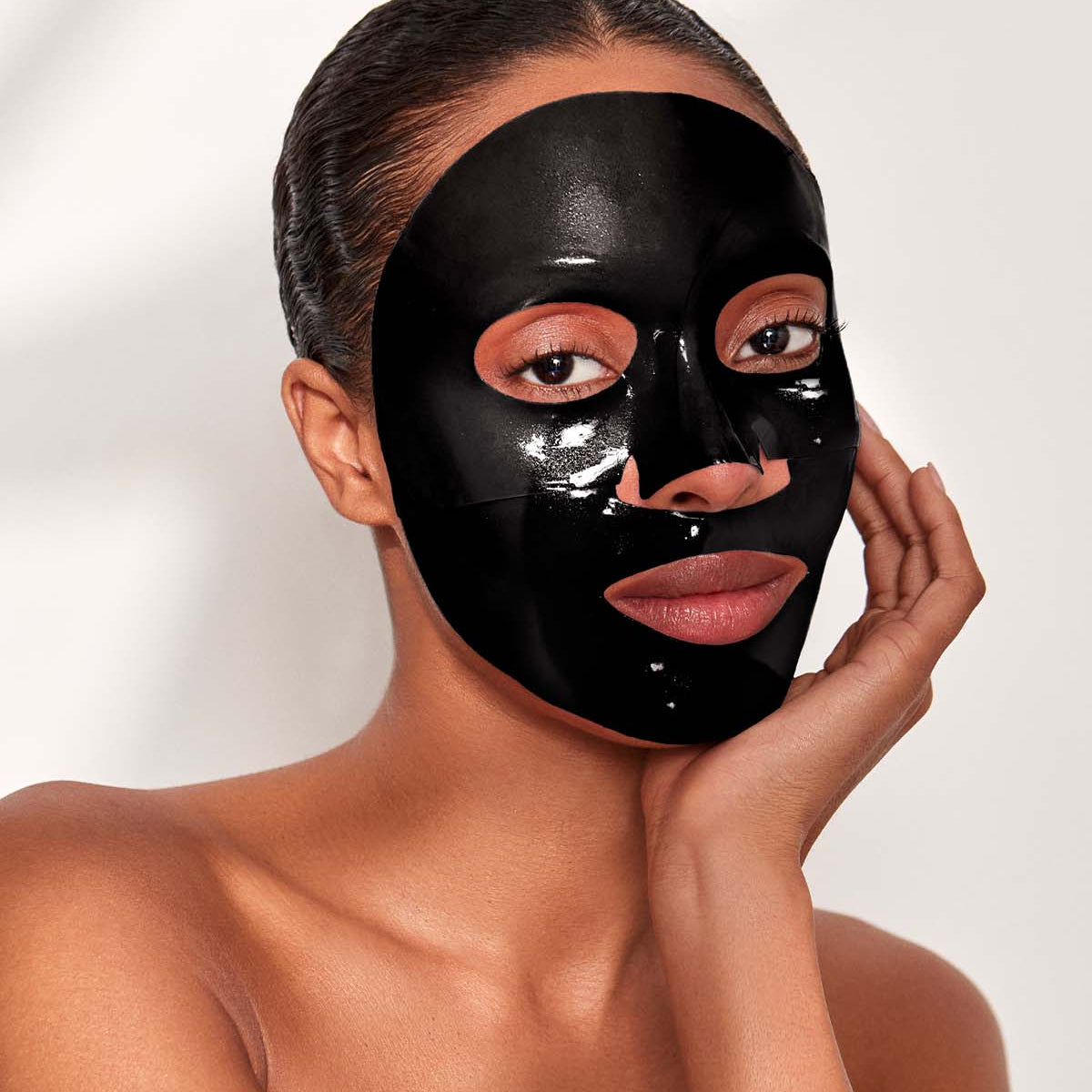
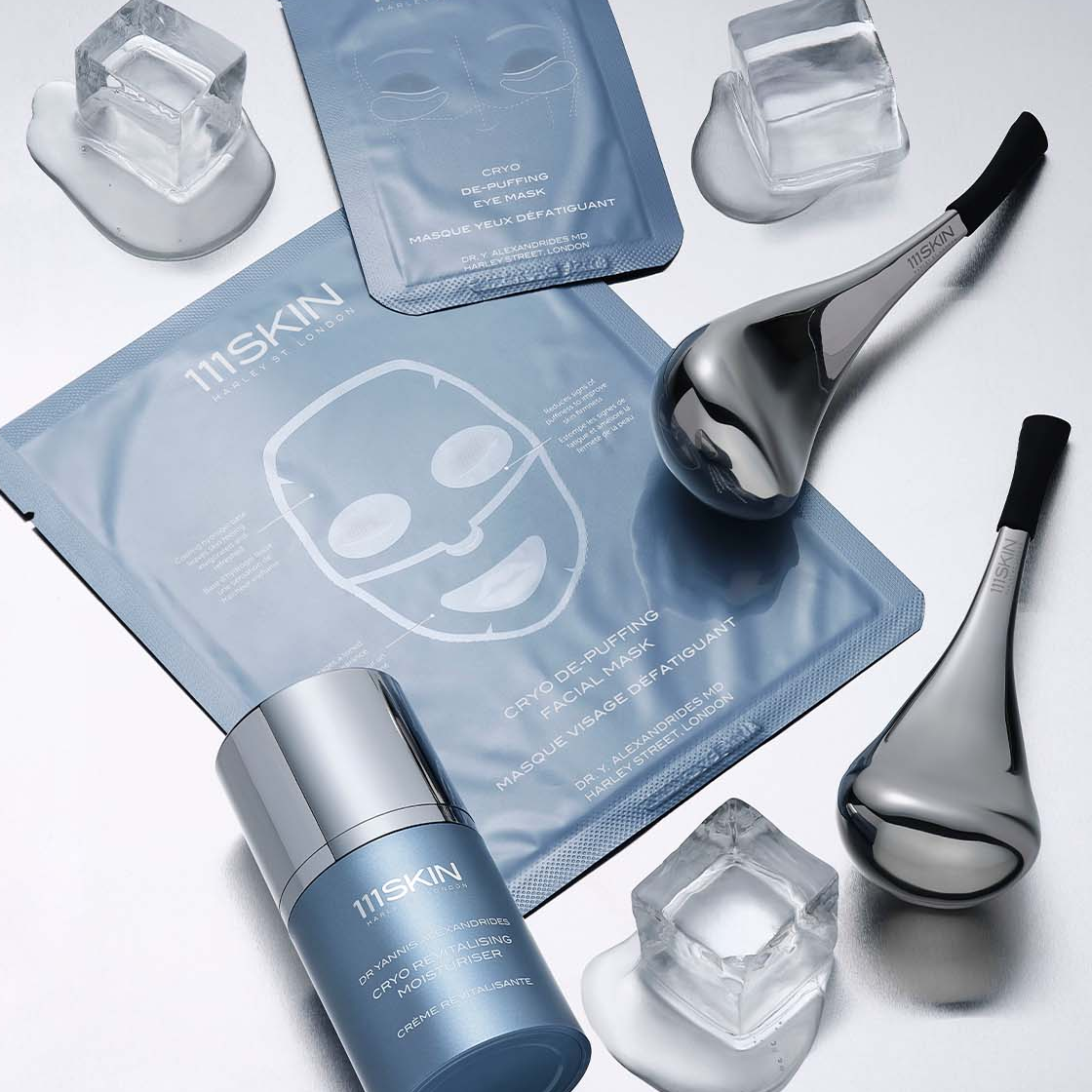
Cryo De-Puffing Facial Mask is a two-piece hydrogel mask for visibly puffy, tired-looking skin, featuring Caffeine and peptides. Apply to clean, dry skin after cleansing, morning or evening, wear for 20 minutes and remove before subsequent leave-on skincare. It can be refrigerated before use.
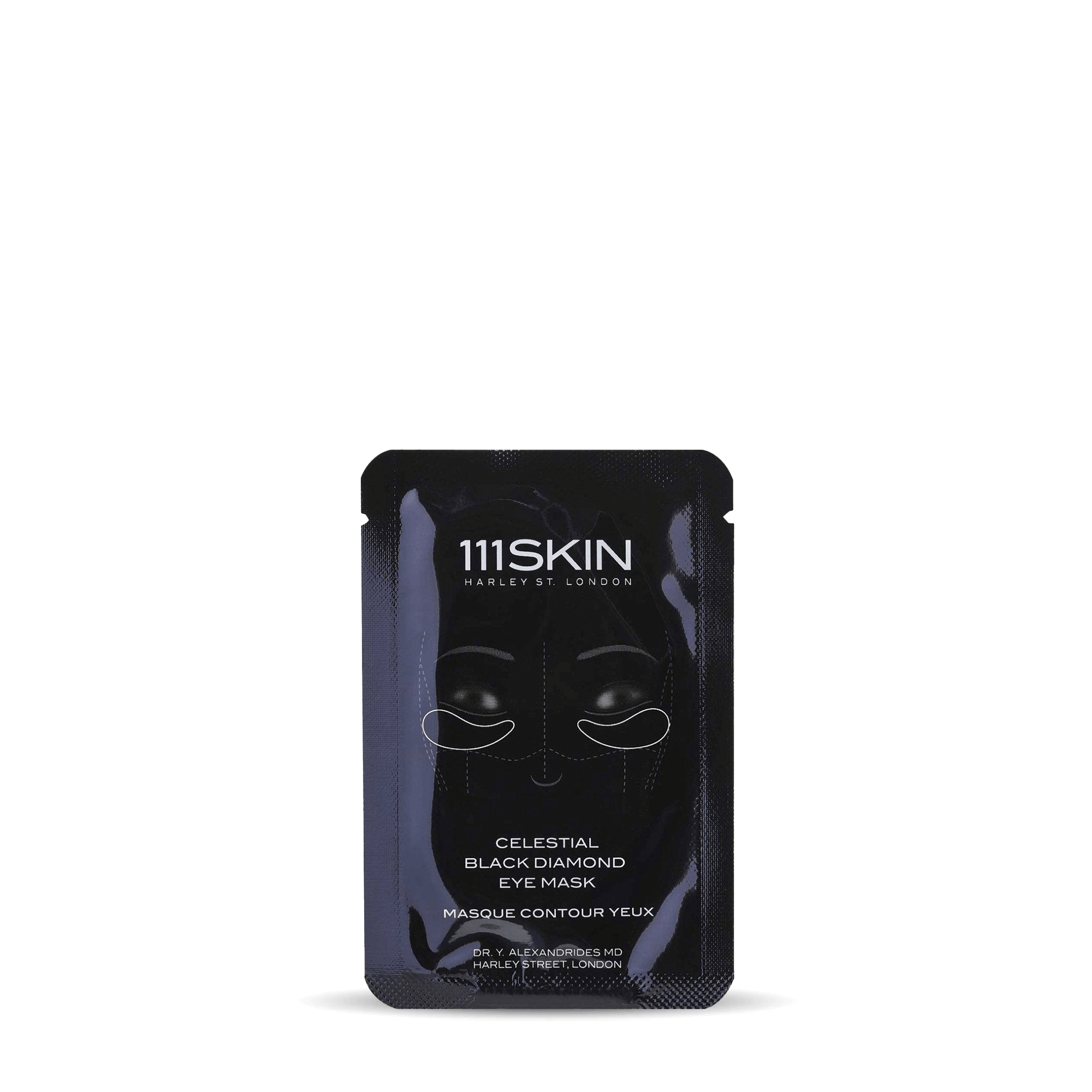
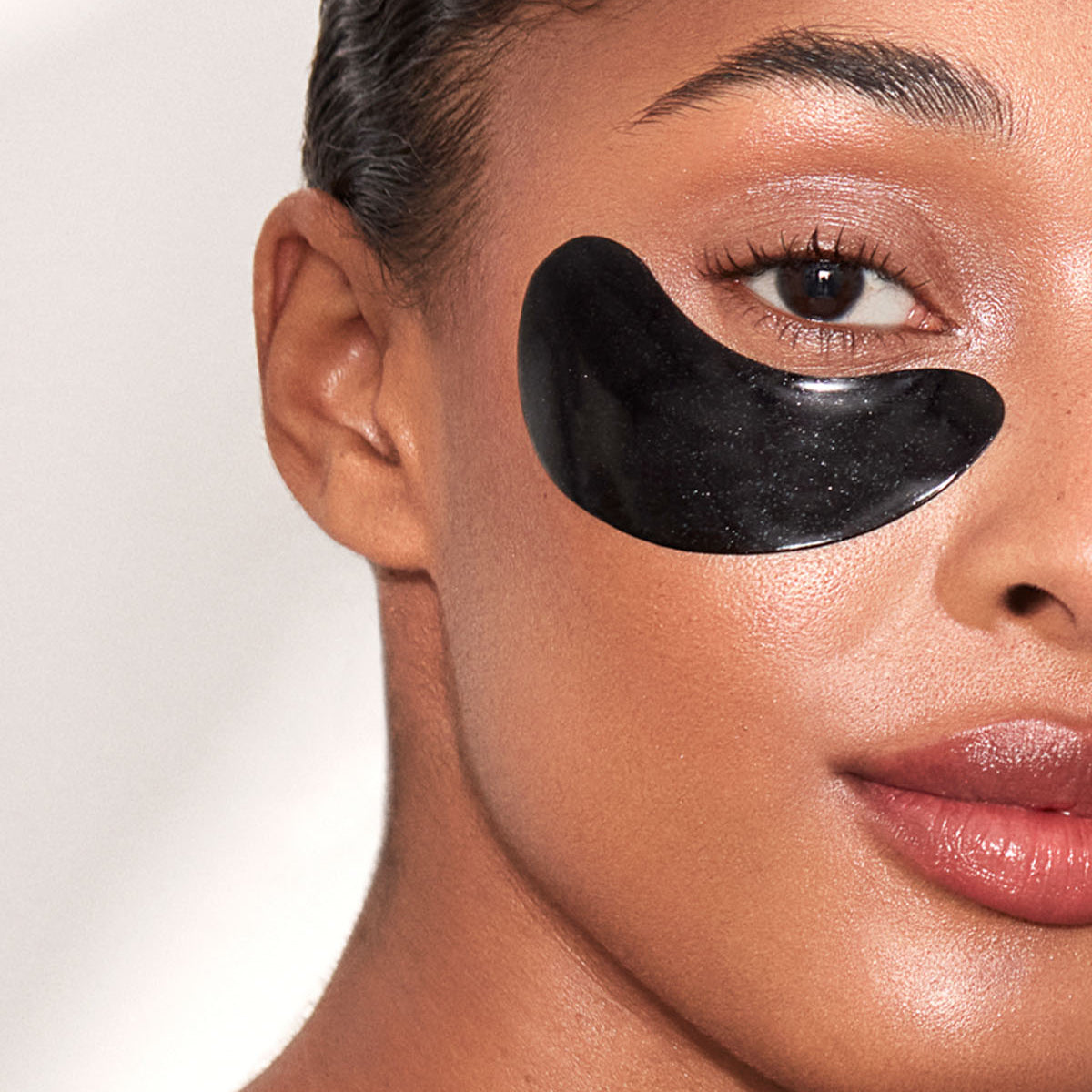
For a targeted under-eye treatment, Cryo De-Puffing Eye Mask features Seaweed Extract, Vitamin E and Peptide Complex. After cleansing, remove the protective films from both sides, place one mask beneath each eye, leave for 20 minutes, then remove and gently pat in the remaining product. Refrigeration before use is permitted for this mask, which received InStyle Best Eye Mask at the Best Beauty Buys Awards 2022.
These formats address the area you want to treat without introducing kitchen ingredients. Their refrigeration option does not mean they should be frozen.
Finish with skincare that matches your goal
Keep the supporting routine focused. For a morning cooling ritual, the following sequence pairs the refreshing step with hydration, barrier care and sun protection.
- Cleanse with Cleansing Oil. With dry hands, massage 2 to 3 pumps onto dry skin for 30 seconds. Rinse with warm rather than hot water and pat dry.
- Complete the cooling step. Use your suitable roller with the precautions above, then gently pat away meltwater.
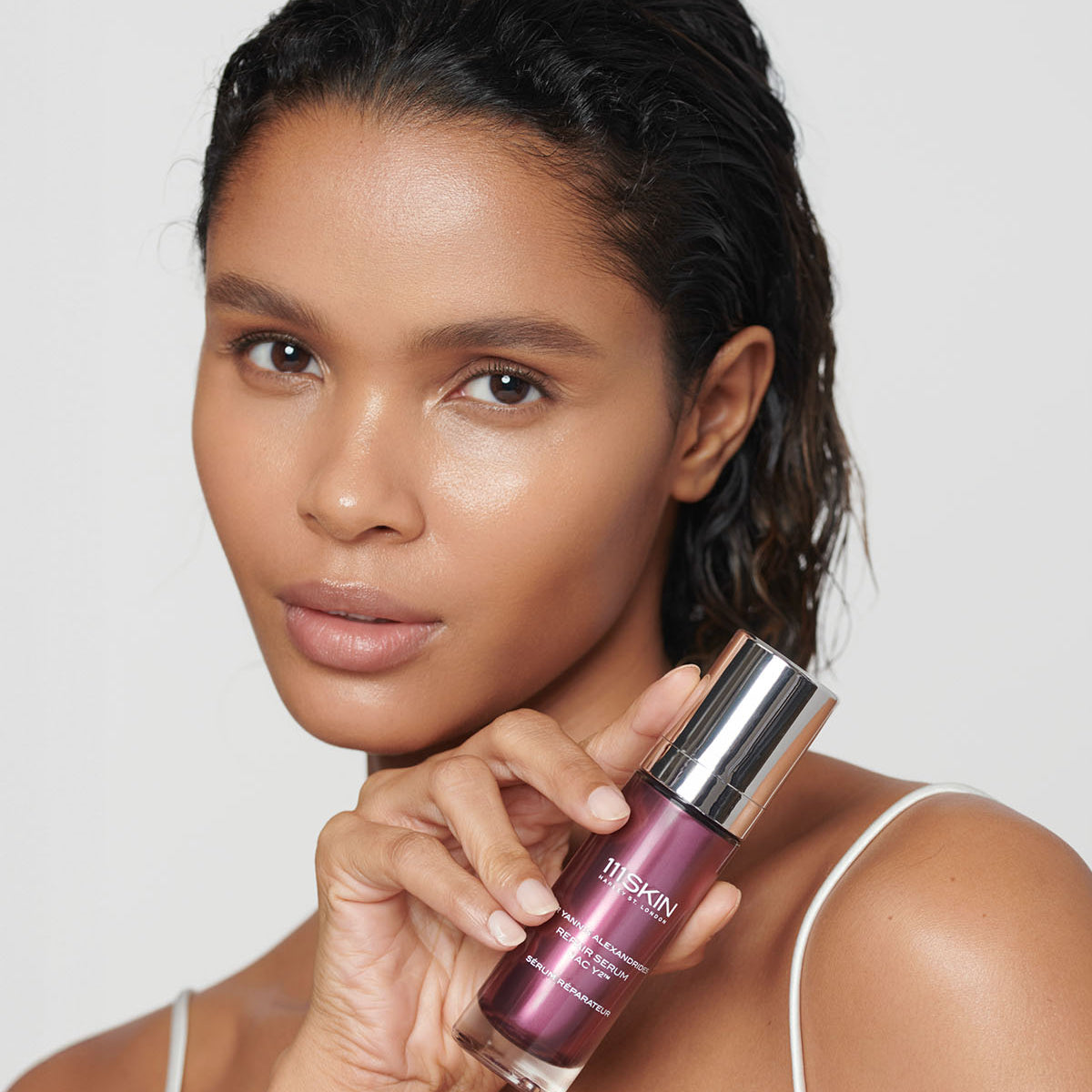
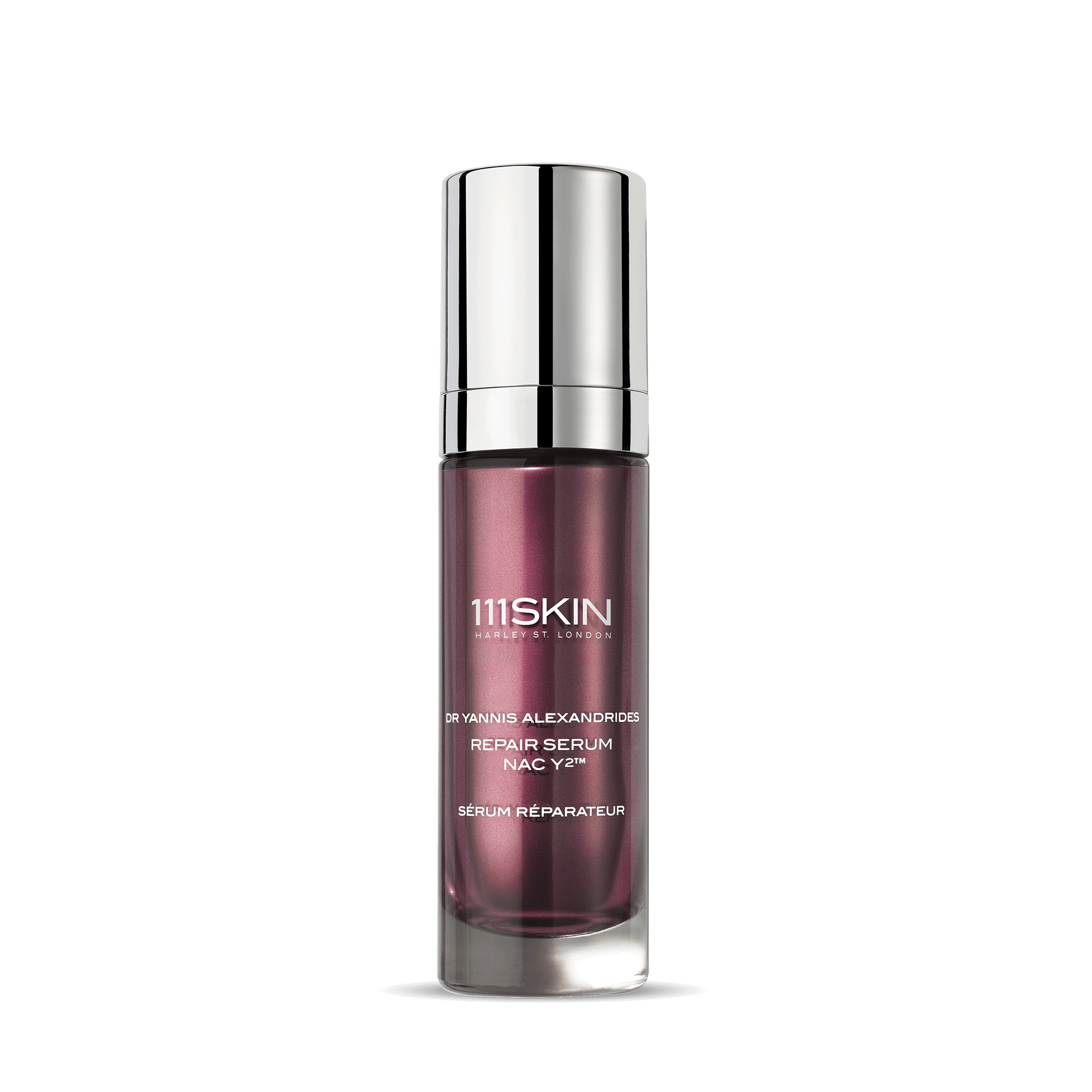
- Apply Repair Serum NAC Y²™. Smooth 1 to 2 pumps over the face and neck before moisturiser. Its cooling, velvety texture delivers hydration and a smoother, plumper-looking finish while addressing visible redness and early signs of ageing.
- Moisturise with Repair Day Cream NAC Y²™. Apply a pea-sized amount to the face, neck and décolletage after serum for nourishing hydration and skin-barrier support.
- Apply Repair Sunscreen SPF50+. Distribute generously and evenly after moisturiser, 15 to 20 minutes before sun exposure, and follow its exposure and reapplication directions.
If dark spots are your main concern, use the targeted serum described above in the serum step. Keep the choice tied to the result you want from your daily care.
For a refreshed, glowing finish, All Day Radiance Face Mist adds hydration and radiance after the completed routine, over make-up or during the day. Hold it 8 to 10 inches from the face, close your eyes and spray 2 to 3 times, avoiding direct eye contact. Its rose water, Glycerin, Hyaluronic Acid and multi-peptide blend belong in a convenient finishing mist, not in your freezer mould.
Separate the jobs: cooling provides a temporary refreshed appearance, while daily skincare addresses hydration, tone and protection.
Keep the recipe simple and the goal clear
Start with plain water in a suitable refillable mould, or use a sealed chilled roller exactly as instructed. Diluted green tea and strained cucumber water are variations, not upgrades with proven additional benefits. Gentle contact and sensible temperature control matter more than an elaborate ingredient list.
Your next step should follow the concern that remains after cooling. Choose Cryo De-Puffing care for visible puffiness, hydrating care for dry-feeling skin or targeted serum care for uneven tone. The 111SKIN skincare quiz can help narrow that choice if you are unsure which concern to prioritise.
As with any skincare product, patch test before first use. If you are pregnant or breastfeeding, consult your doctor before using any skincare products.
FAQ
What is the best liquid for an ice face roller?
Plain drinking-quality water is the simplest starting choice for a refillable mould. Check that the manufacturer permits refilling, because sealed rollers need chilling rather than a liquid recipe. Additions are not necessary for the temporary refreshing effect of cooling.
Can I put lemon juice or essential oils in my roller?
Leave both out. Citrus juice can irritate skin, while essential oils do not disperse evenly in water and can leave concentrated droplets. A simple water preparation avoids these unnecessary complications.
How long should I ice roll my face?
Follow the limits for your particular device rather than a universal time target. Keep contact light and moving, use a cloth barrier for exposed ice, and stop immediately if you feel pain, numbness or burning. Never make melting the entire ice block your endpoint.
Does a cucumber ice roller hydrate skin or remove dark spots?
A cucumber mixture can feel refreshing, but it is not a proven treatment for dehydration or pigmentation. Use a hydrating serum and moisturiser for dry-feeling skin, or targeted dark-spot care with daytime sun protection for uneven tone. The cooling ritual can sit alongside those steps without replacing them.