



Table of Contents
- Introduction
- What are the benefits of facial icing?
- What facial icing cannot do
- How to ice your face safely
- Who should avoid facial icing?
- A cryo-inspired alternative for visible puffiness
- Complete the routine with hydration and protection
- Conclusion: use cooling for the concern it can address
- FAQ
Introduction
The main benefits of facial icing are a temporary reduction in puffiness and a refreshed, more awake-looking complexion. Gentle cooling can be particularly useful when your face looks swollen in the morning, but it will not permanently tighten skin, close pores or treat acne.
The distinction matters: a brief cooling step can improve how skin looks now, while consistent skincare addresses hydration, visible lines and uneven tone over time. Strong clinical evidence for many facial-icing claims is limited, so the best approach is restrained: protect skin from direct ice, keep exposure brief and follow with appropriate care. More intense cold does not produce better skincare results.
What are the benefits of facial icing?
A temporary reduction in facial puffiness
Puffiness is the most practical reason to consider facial icing. Cold narrows superficial blood vessels, a process called vasoconstriction, and can temporarily reduce the appearance of swelling. The difference may be most noticeable when your face looks fuller than usual after sleep.
This is a change in visible puffiness, not facial structure. A less swollen cheek or jaw area can look more defined, but ice does not remove fat, reshape cheekbones or provide a lasting lift. Results also vary with the reason for the swelling.
Occasional morning puffiness is different from swelling that appears suddenly, persists or affects only one side. The latter deserves medical advice, especially if accompanied by pain, redness or other symptoms. Increasing the duration of icing is not the right response to swelling that will not settle.
Less puffy-looking under-eyes
Gentle cooling can make fluid-related under-eye puffiness less noticeable. It is less useful for bags caused primarily by the natural anatomy of the eye area, including inherited features and age-related changes. A shadow caused by a hollow will not disappear simply because the skin is cold.
This helps explain why "tired eyes" can require different approaches. Puffiness, dark circles and fine lines may appear together, but they are not the same concern. Cooling principally addresses the swollen appearance; hydration and targeted eye care have a broader role.
Eye Lift Gel NAC Y²™ addresses visible wrinkles, dark circles and puffiness in a lightweight, hydrating texture, with a lifted-looking finish. Its formula contains NAC Y²™, Argireline and Caffeine. In 111SKIN's reported clinical trial of 30 participants using Primos CR, wrinkle reduction measured 35% after two weeks, making it relevant when puffiness and visible lines are both priorities.
A refreshed appearance and cooling sensation
For skin that tolerates cold, a brief cooling step can feel refreshing and leave the face looking more awake. Some people also notice a short-lived change in radiance or a smoother-looking surface. These effects should be understood as a temporary cosmetic refresh, not evidence that ice improves skin health over time.
Claims that icing "boosts circulation" often oversimplify the response to temperature. Blood vessels narrow during cooling, and skin colour can change again as it warms. Deliberately chasing a strong flush is unnecessary and may leave reactive skin uncomfortable.
Before make-up, the useful outcome is skin that looks less puffy and feels comfortable. Icing does not replace a hydrating base, and make-up will not necessarily sit better if cooling has left skin dry or irritated.
Temporary comfort around a tender blemish
Cooling may briefly ease tenderness and reduce the swollen appearance around an inflamed blemish. That does not make facial icing an acne treatment: it does not reliably clear blocked pores, prevent new breakouts or address every factor involved in acne.
Avoid pressing or rubbing a sore spot while cooling it. Combining pressure with cold can make an already sensitive area more uncomfortable, and squeezing afterwards can cause further irritation.
If blemishes are persistent, painful or leaving marks, seek appropriate treatment instead of extending an icing routine. Relief from tenderness and control of acne are different goals.
The most useful result from facial icing is a less puffy, refreshed appearance. Treat it as a brief finishing preparation, not a way to remodel skin.
What facial icing cannot do
It does not close pores or regulate oil production
Pores do not open and close like doors. Their visibility is influenced by factors including genetics, sebum, congestion and the surrounding skin. Cold may briefly change how the surface looks, but it does not permanently reduce pore size.
There is also no good basis for relying on icing to control oil production. Skin that looks less shiny immediately after cooling has not necessarily started producing less sebum. Repeated cold exposure is not a substitute for a suitable routine for oily or congestion-prone skin.
This distinction is useful when preparing for make-up. A temporary visual change can be welcome, but using increasingly cold tools to pursue an airbrushed surface risks irritation without resolving the underlying concern.
It does not rebuild firmness or remove wrinkles
Skin may briefly feel tighter after cooling. That sensation does not demonstrate increased collagen, improved elasticity or lasting firmness. Facial icing has not been established as a treatment for collagen loss or sun-related ageing.
Fine lines also have different contributors. Dehydrated skin can make surface lines more conspicuous, while expression lines and deeper wrinkles involve other changes. Ice does not supply the humectants and moisturising ingredients that help dehydrated skin look smoother.
When visible lines are the priority, keep hydration, daily sun protection and appropriate targeted skincare at the centre of the routine. Cooling can sit alongside these measures if comfortable, but it should not determine the whole approach.
It does not fade dark spots or all types of dark circles
A less puffy eye area may cast a different shadow, yet this is not the same as treating pigmentation. Ice does not reliably fade dark spots, remove post-blemish marks or correct persistent uneven tone. Likewise, dark circles related to pigment or facial structure need a different approach from fluid-related puffiness.
For visible facial dark spots, Dark Spot Correcting Serum offers targeted care with 2% Tranexamic Acid, 5% seven Swiss Alpine plant extracts and 1% Gluconolactone. 111SKIN reports a 36% reduction in hyperpigmentation after 56 days in a clinical trial of 32 participants.
Apply 1 to 2 pumps evenly to the face and neck after cleansing, morning or evening, then follow with moisturising care and include daytime SPF. Use it as the targeted serum choice when uneven tone, rather than temporary swelling, is your main concern.
How to ice your face safely
Prepare clean skin and a protective barrier
Never place a bare ice cube directly against your face. Freezing temperatures can cause irritation and cold injury, including ice burns. A clean, soft cloth provides a barrier, although it does not make prolonged exposure safe.
Begin with clean hands and freshly cleansed skin. Remove make-up and impurities gently, without scrubbing or using hot water. Cleansing Oil is suitable for this preparation: apply 2 to 3 pumps with dry hands to dry skin, massage for 30 seconds, rinse with warm water and pat dry.
Plain water ice is sufficient. Frozen coffee, citrus, essential oils or homemade aspirin mixtures add potential irritants without establishing a better facial-icing result. A familiar ingredient in a formulated cosmetic is not equivalent to a homemade frozen preparation.
Follow a brief, gentle method
The aim is mild cooling, not numbness. For an initial attempt, keep the session shorter than the commonly suggested 1 to 2 minutes and assess how your skin responds. There is no need to complete a set duration if skin feels uncomfortable.
- Wrap the ice. Place a plain ice cube inside a clean, soft cloth, ensuring no bare ice touches the face.
- Move lightly across the skin. Use gentle, continuous movements over the cheeks, forehead and jaw, without pressing or scrubbing.
- Keep exposure brief. Limit the whole session to 1 to 2 minutes at most, moving between areas instead of holding the ice in one place.
- Stop at discomfort. Burning, pain, stinging or numbness are reasons to stop immediately.
- Pat dry and complete skincare. Gently remove excess water and follow with your leave-on products and moisturiser.
Take particular care near the eyes. A cool, clean cloth is easier to control than a hard frozen cube around this delicate area; avoid pressing on the eyeballs or dragging the eyelids. You do not need to cool every part of the face to obtain a refreshed feeling.
Choose the right timing and frequency
Morning is a practical time if puffiness is most noticeable on waking. Evening cooling is also possible, but there is no established advantage to icing at a particular hour. Fit it around the concern you actually observe.
Use facial icing after cleansing and before leave-on skincare. This keeps the method straightforward and avoids wiping away products you have just applied. There is no reliable reason to ice over a serum to "pull" its ingredients deeper into skin.
Daily use is not necessary. If you choose to ice, do not exceed once a day, and reduce or stop it if dryness or sensitivity develops. There is no proven course in which repeated icing gradually builds permanent results.
Use rollers and globes with the same restraint
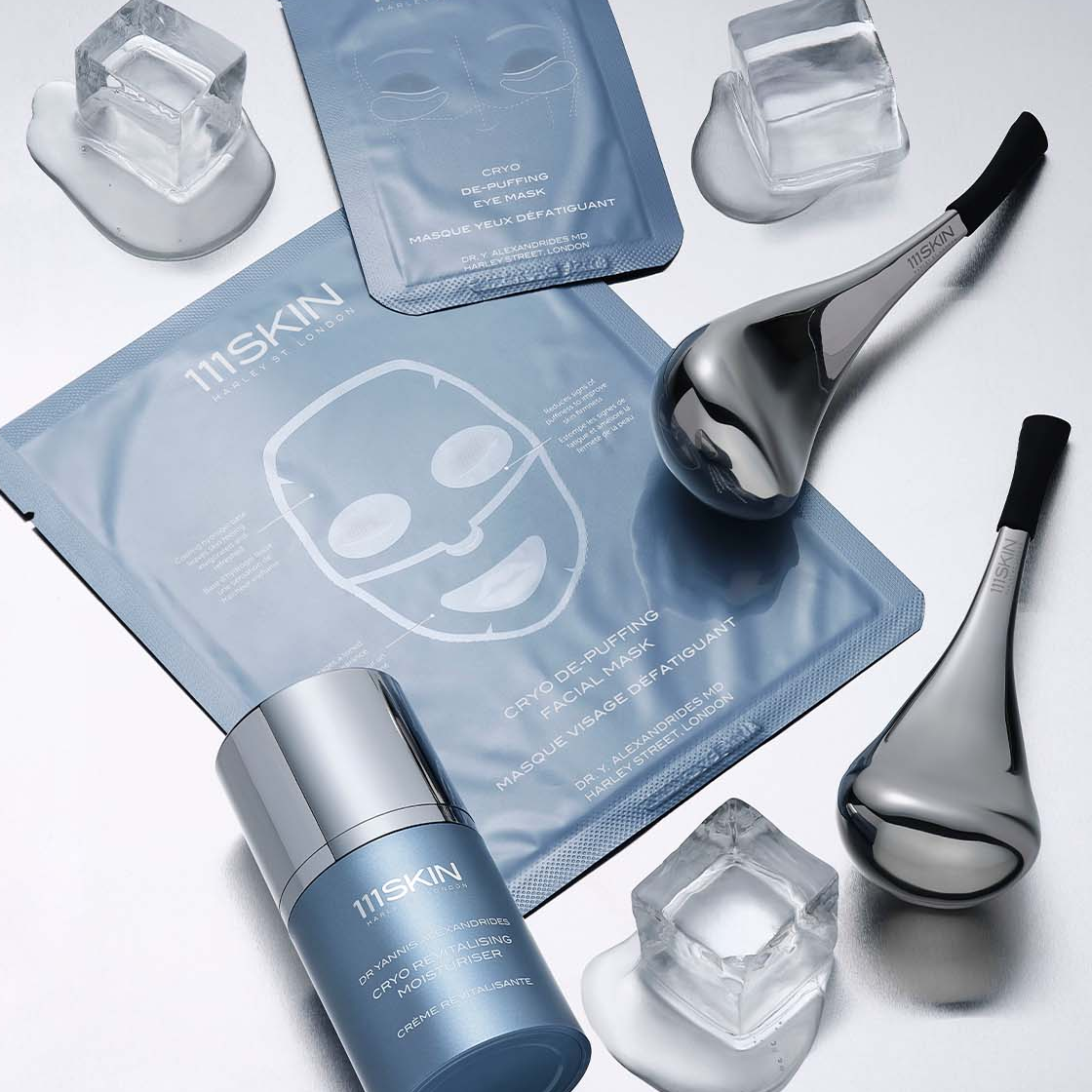
A facial tool can make cooling convenient, but a handle does not prevent cold injury. Temperature, pressure and contact time still matter, especially with metal or other surfaces that become very cold.
Follow the exact tool's instructions for cooling, cleaning and use. Do not assume every roller or globe belongs in the freezer, and do not copy a storage method from another device. Keep the surface clean and avoid rolling repeatedly over broken or irritated skin.
A cool cloth is a reasonable choice if you prefer a simple method without a tool. Whichever format you use, the experience should remain comfortable and controlled.
Who should avoid facial icing?
Sensitive, reactive or visibly damaged skin
Skip facial icing if your skin is thin, very sensitive, cracked or already irritated. Visible broken capillaries are another reason to avoid it, since cold exposure can aggravate their appearance. Skin that reacts poorly to temperature changes is unlikely to benefit from a more intense cooling ritual.
Rosacea, eczema and cold urticaria require particular caution. Cold urticaria can cause hives and more serious reactions to cold exposure, so facial icing is not appropriate. If you have a condition affecting circulation or sensation, ask your healthcare professional before trying it.
Use your skin's condition on the day as a guide, too. A routine that once felt comfortable may not suit skin that is currently sore, peeling or over-exfoliated.
Skin recovering from procedures or sunburn
After surgery, laser treatment, a peel or another cosmetic procedure, follow your treating clinician's aftercare. Do not add facial icing unless they specifically recommend it. A cooling method used in a clinic is not automatically suitable to reproduce at home.
Avoid ice on sunburned skin. A cool compress can offer comfort without exposing injured skin to freezing temperatures, but significant blistering, severe pain or feeling unwell calls for medical advice.
Stop icing if irritation occurs. Persistent redness, pain, numbness or blistering needs professional assessment rather than another attempt with a thicker cloth.
Check how skin feels after it has returned to its usual temperature. Comfort and an intact skin barrier matter more than a momentary tight sensation.
A cryo-inspired alternative for visible puffiness
A formulated de-puffing mask offers another way to address a tired-looking face without massaging it with ice. 111SKIN was founded by plastic and reconstructive surgeon Dr Yannis Alexandrides and Eva Alexandridis, drawing on his practice at 111 Harley St. in London. That clinical inspiration informs skincare designed around specific cosmetic concerns and considered at-home formats.
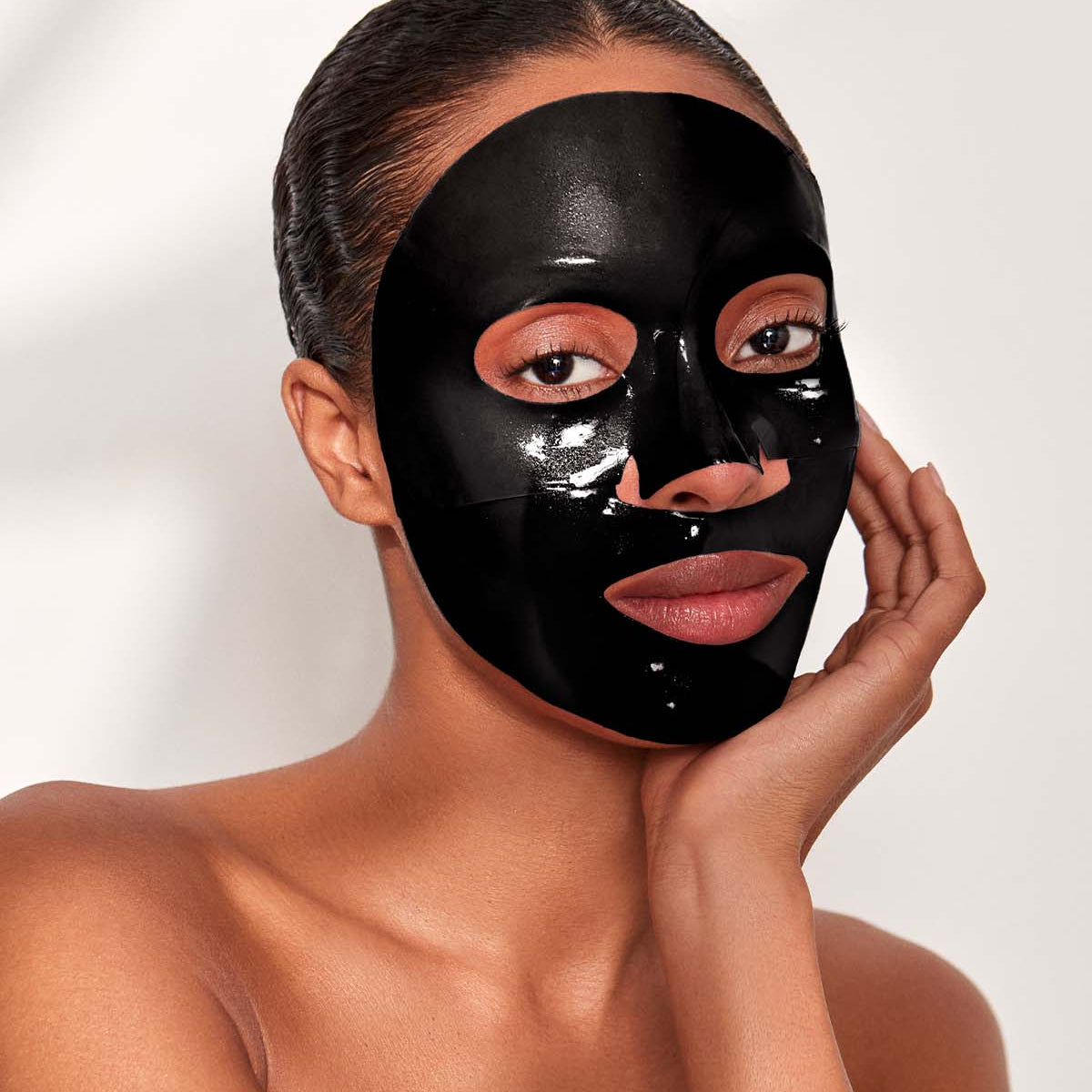
Cryo De-Puffing Facial Mask is a two-piece hydrogel mask for visibly puffy, tired-looking skin, featuring Caffeine and peptides. Use it on clean, dry skin after cleansing, morning or evening, for 20 minutes, then remove it before subsequent leave-on skincare. It may be refrigerated before use.
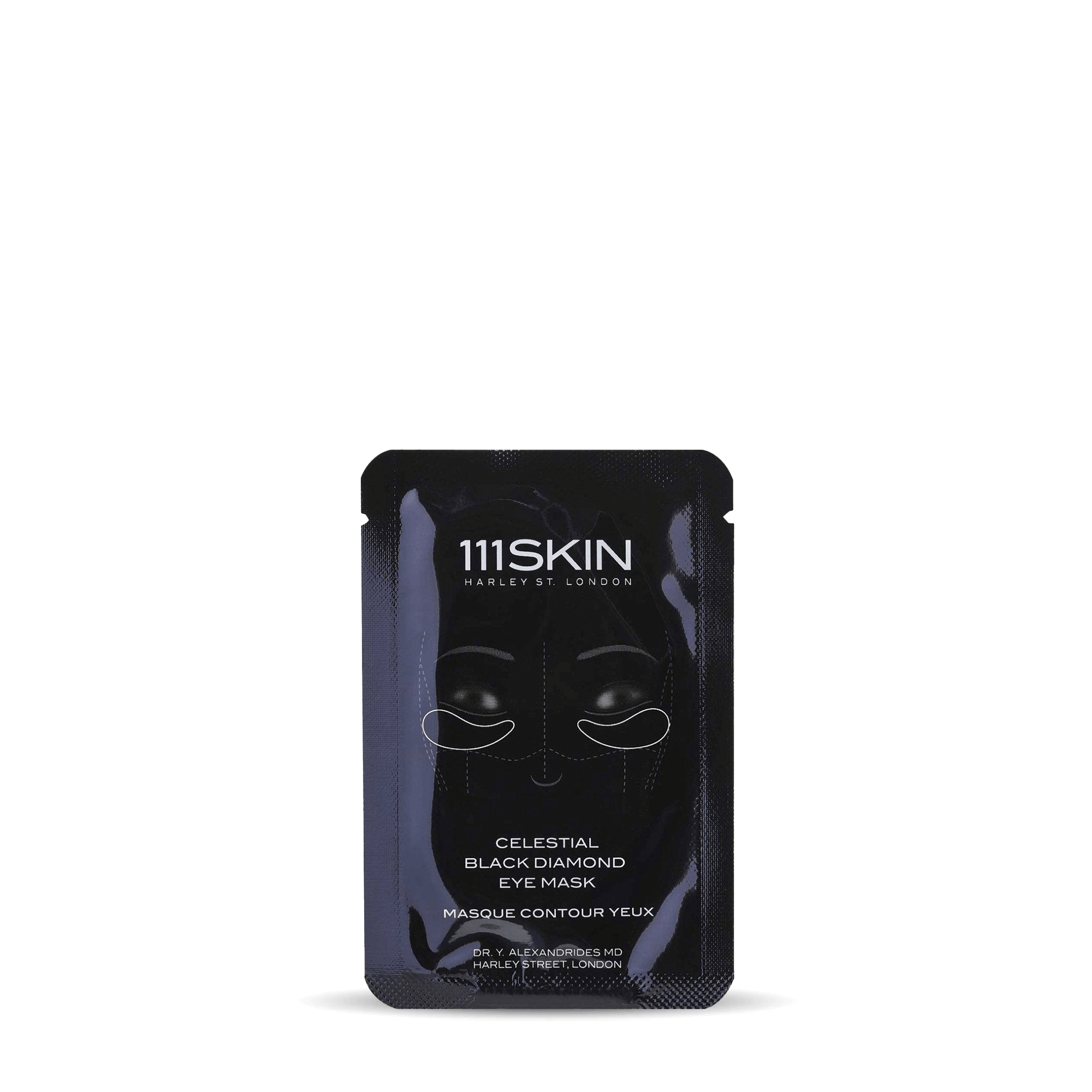
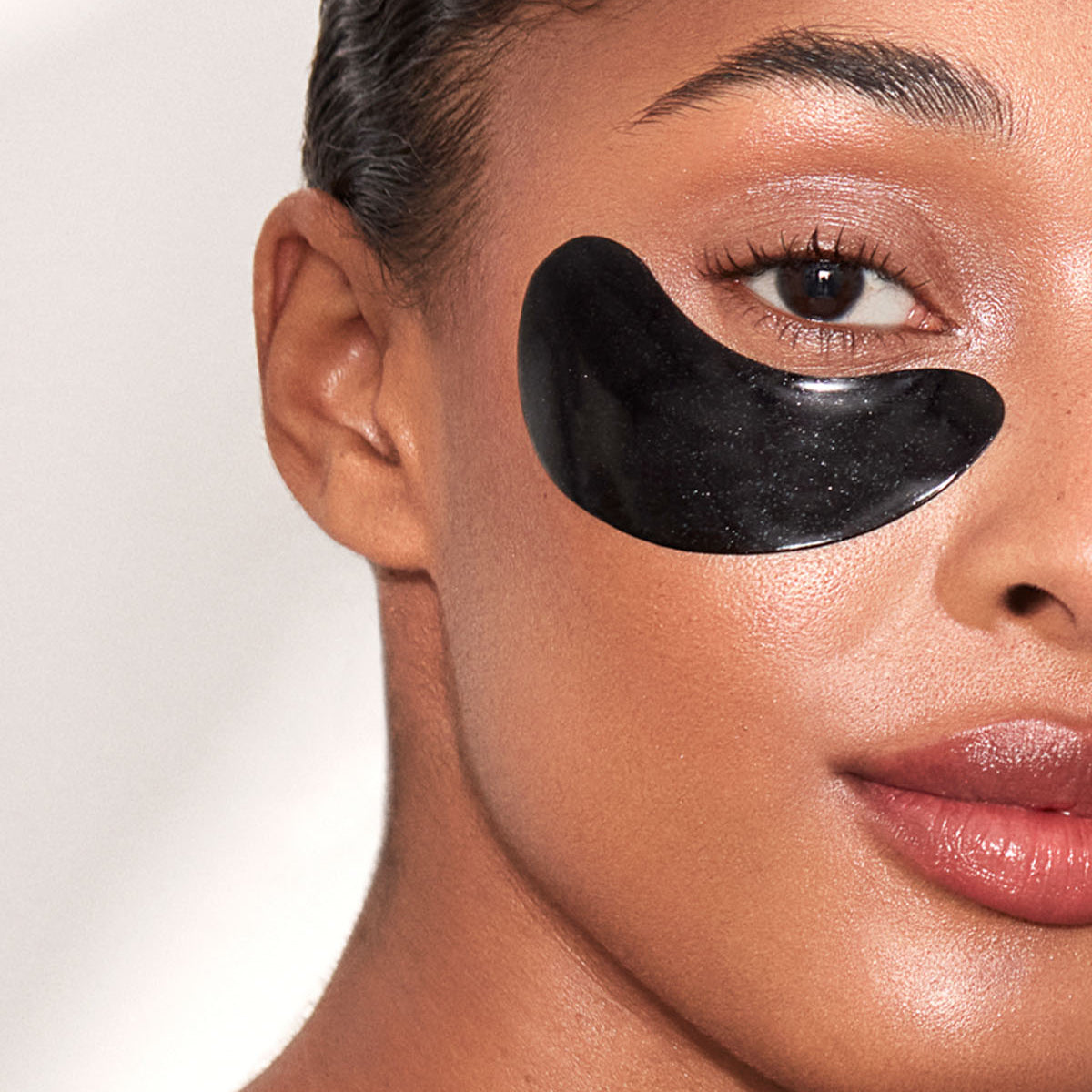
For a targeted under-eye treatment, Cryo De-Puffing Eye Mask features Seaweed Extract, Vitamin E and Peptide Complex. After cleansing, remove the protective films from both sides, place one mask beneath each eye and wear for 20 minutes. Remove and gently pat in the remaining product; it can be used morning or evening and may also be refrigerated before application.
Choose the facial format for broader visible puffiness and the eye format when the under-eye area is your focus. Neither requires an additional ice massage. Their 20-minute wear time belongs to these masks and should never be used as a duration for holding ice against skin.
Complete the routine with hydration and protection
Cold does not hydrate skin simply because ice melts into water. Humectants attract and hold water, emollients soften the surface, and moisture-loss-limiting ingredients help retain hydration. A moisturiser brings these functions together in a way that a brief cooling step cannot.
After the cooling method above, keep the rest of your morning routine focused. The following sequence suits a reader whose priorities are puffiness, hydration and early visible lines:
- Eye care: Share half a pump of Eye Lift Gel NAC Y²™ between your ring fingers. Pat from the outer corner inwards, then move upwards and sweep over the brow bone back to the outer corner until absorbed, avoiding rubbing under the eyes.
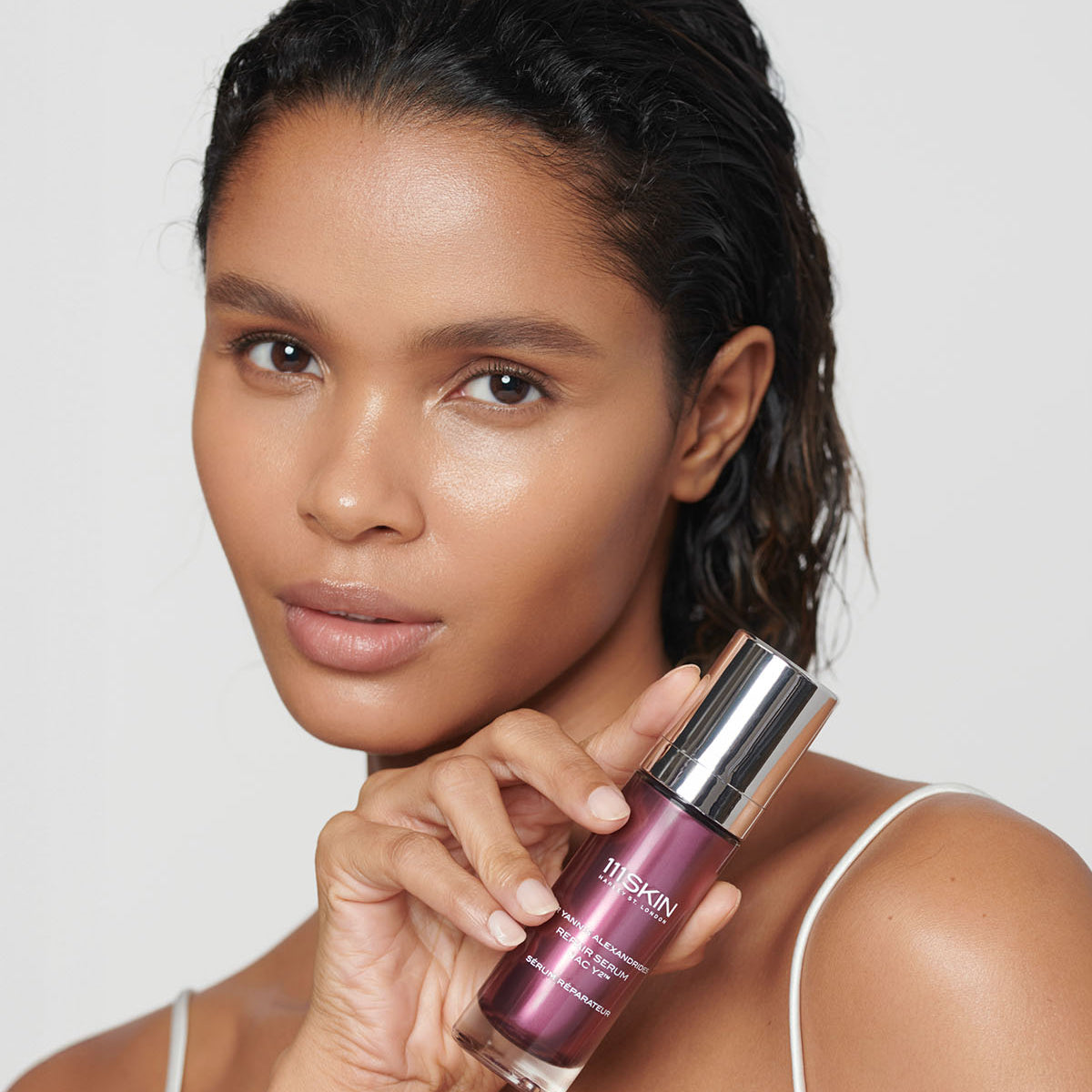
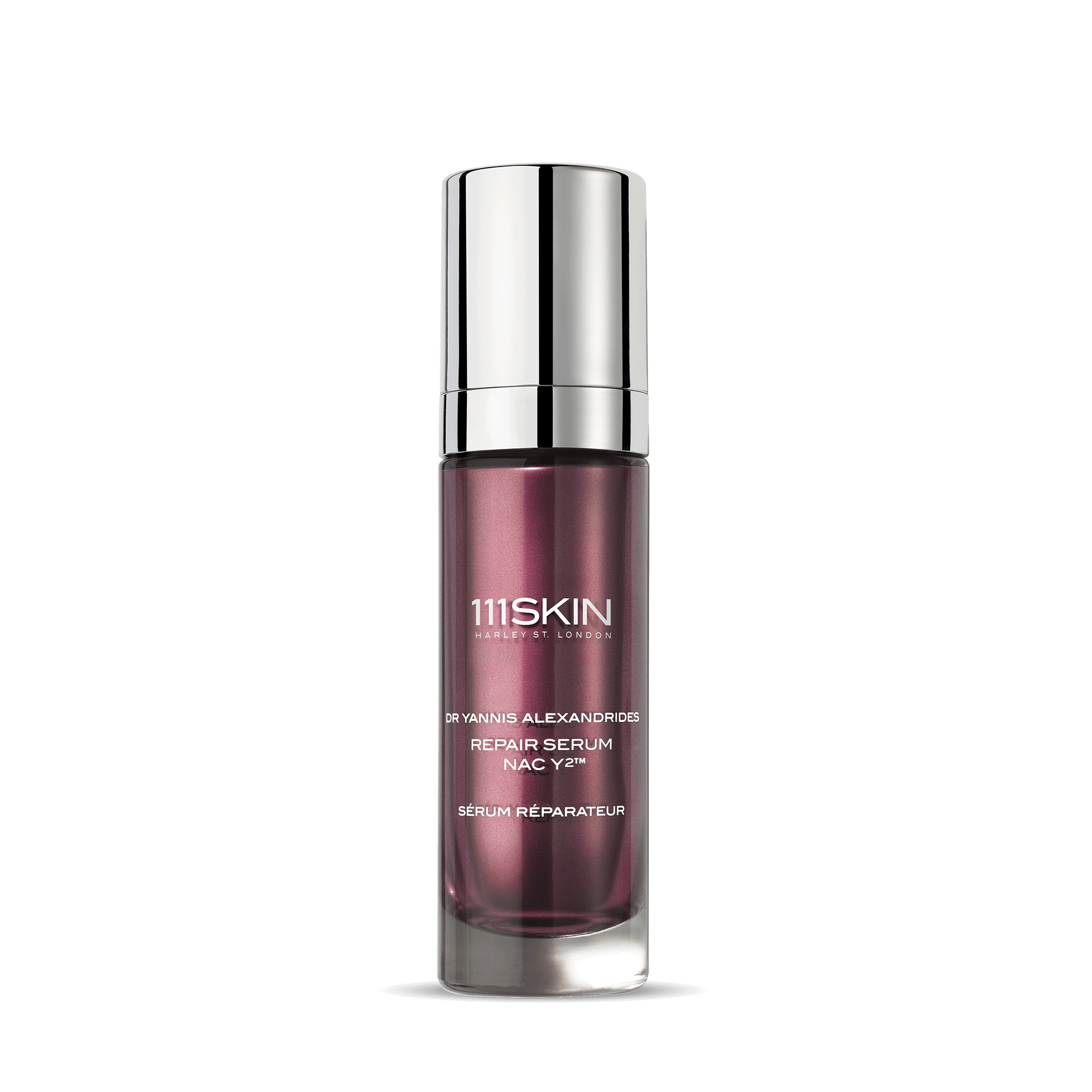
- Serum: Apply 1 to 2 pumps of Repair Serum NAC Y²™ to the face and neck. Its cooling, velvety texture delivers hydration and supports smoother, plumper-looking skin while addressing visible redness and early signs of ageing.
- Moisturiser: Apply a pea-sized amount of Repair Day Cream NAC Y²™ to the face, neck and décolletage after serum for nourishing hydration and skin-barrier support.
- Sun protection: Apply Repair Sunscreen SPF50+ generously and evenly after moisturiser, 15 to 20 minutes before sun exposure. Follow its exposure and reapplication instructions.
The eye gel precedes serum in this routine because that is its specific application order. There is no need to add separate cooling tools between these skincare steps or to wait for an invented "absorption window".
If your aim is simply to refresh dry-feeling skin during the day, All Day Radiance Face Mist provides hydration and radiance without restarting your routine. Use it after completed skincare, over make-up or for a daytime refresh: hold 8 to 10 inches from the face, close your eyes and spray 2 to 3 times, avoiding direct eye contact. It is a finishing step, not a replacement for moisturiser or sunscreen.
Conclusion: use cooling for the concern it can address
Facial icing is most useful for temporary puffiness and a refreshed appearance. Keep it brief, protect skin from direct ice and stop if cooling becomes uncomfortable. Permanent pore reduction, collagen rebuilding and dark-spot correction require a different approach.
Start by identifying whether your main concern is swelling, dehydration, visible lines or uneven tone. For puffiness, consider a gentle cooling method or the Cryo De-Puffing masks; then maintain hydration and daily sun protection. If several concerns overlap, the 111SKIN skincare quiz can help you organise a more personalised routine around them.
As with any skincare product, patch test before first use. If you are pregnant or breastfeeding, consult your doctor before using any skincare products.
FAQ
Can I ice my face every day?
Daily facial icing is not necessary, and there is no established cumulative benefit from doing it every day. If your skin tolerates it, keep use to no more than once daily, with brief exposure and a cloth barrier. Stop if dryness, redness or sensitivity develops.
How long do the benefits of facial icing last?
The effects are temporary, and there is no reliable duration that applies to everyone. Any reduction in puffiness depends on its cause and your individual response. Do not prolong cold exposure to try to extend the result.
Should I ice my face before or after skincare?
Use facial icing after cleansing and before leave-on skincare, then follow with moisturiser and daytime sunscreen. Icing over serum has not been shown to improve ingredient absorption. A finishing mist follows its own directions and belongs after the completed routine.
Does facial icing help with dark circles?
Cooling may improve the appearance of fluid-related puffiness, which can also change nearby shadows. It will not reliably correct circles caused by pigmentation, visible vessels or natural facial structure. Targeted eye care is more relevant when dark circles appear alongside dehydration or visible lines.