


Table of Contents
- Introduction
- What a facial roller can do for your skin
- How to choose a facial roller set
- How to use a smooth facial roller comfortably
- Cleaning, cooling and avoiding irritation
- Build skincare around the concern, not the tool
- When a de-puffing mask is the more useful format
- Choose the set you will use well
- FAQ
Introduction
A facial roller set is worth choosing for gentle massage, a cooling sensation and a temporarily fresher, less puffy appearance. The best set has smooth, well-finished surfaces, comfortable handles and clear care instructions. Its usefulness comes from how comfortably and consistently you can use it, not the number of tools in the box or promises of permanent sculpting.
Most sets pair a smooth roller with a gua sha tool; others include interchangeable heads with different functions. Understanding those differences helps you buy the right format and fit it into skincare without unnecessary friction. Start with the experience you want, then match the tool and your daily products to the concern you want to address.
What a facial roller can do for your skin
Temporary de-puffing and a refreshing massage
Gentle facial massage can help temporarily soften the appearance of mild puffiness. A cool, smooth roller also provides a refreshing sensation, making it an appealing part of a morning routine. These are useful cosmetic benefits, particularly when your face looks a little swollen or tired on waking.
The result is temporary. A face that looks more defined after massage has not lost facial fat, and a roller does not permanently alter the jawline or reposition skin. Photographs taken under different lighting or immediately after cooling can make the effect appear more dramatic than it is.
Treat rolling as a light massage ritual, not a test of how much pressure your skin can tolerate. More force does not mean more de-puffing. Comfortable contact matters more than vigorous movement.
Visible lines, hydration and radiance
A roller and a hydrating formula contribute different things to a routine. The tool supplies movement and a tactile experience; skincare supplies ingredients that hydrate, soften and address visible concerns. Rolling alone does not replenish dry skin or provide the sustained care needed for smoother-looking fine lines.
Hydration can make dehydration lines look less pronounced and leave the surface looking plumper. Humectants attract water, while emollients soften the skin and ingredients that limit moisture loss help maintain comfort. A roller's material does not provide these functions.
The same distinction matters for radiance. A refreshed appearance after massage is different from treating uneven tone or dark spots over time. Nor should rolling be assumed to drive serum deeper into the skin: improved product absorption is not a benefit to take for granted.
Under-eye puffiness needs a targeted approach
The eye area deserves particular care because the skin is delicate and the contours leave little room for a large roller head. A smaller attachment may be easier to position, but size alone does not establish that a tool is suitable for use beneath the eyes. Check its stated application areas.
For ongoing care, Eye Lift Gel NAC Y²™ addresses visible wrinkles, dark circles and puffiness in a lightweight, hydrating texture. It contains NAC Y²™, Argireline and Caffeine and leaves a lifted-looking finish. In 111SKIN's reported clinical trial of 30 participants using Primos CR, it reduced wrinkles by 35% after two weeks.
That makes it a relevant choice when puffiness accompanies visible lines or dark circles. It also gives the eye area dedicated care without requiring massage with a tool.
How to choose a facial roller set
Understand what each piece actually does
A traditional dual-ended roller usually has a larger smooth head for broader facial areas and a smaller head for more confined contours. A gua sha tool is a separate, shaped implement that glides across the skin rather than rotating. Its angle and technique differ, so roller instructions should not simply be applied to it.
Some sets use one handle with interchangeable heads. Read each head's function carefully: a smooth massage roller, a silicone cleansing attachment and an oil-absorbing stone are not interchangeable treatments. A tool intended to absorb surface oil over make-up has a different place in the day from a massage head used on clean skin.
Needled rollers are another category entirely. This guide concerns smooth, non-needled massage tools, not devices designed to puncture the skin. Similar names do not mean similar methods or risks.
For a first purchase, simplicity has practical value. One well-made roller that you can manoeuvre easily may serve you better than several attachments whose purpose is unclear.
Compare stone and metal by finish and handling
Jade, rose quartz and stainless steel are common choices. Stone offers a particular weight, appearance and tactile experience; metal provides a smooth surface and a different balance in the hand. Either can feel cool on first contact.
Do not use the colour or prestige of a stone as a measure of skincare efficacy. A rose quartz roller does not inherently address wrinkles better than jade, and a heavier metal tool does not automatically provide a stronger lifting effect. Surface quality, construction and comfortable handling are more useful shopping criteria.
Stone can chip or crack if dropped. Metal tools still need inspection around joins, edges and rotating parts. Whatever the material, the head should turn freely without catching, and the surface touching your skin should be smooth.
If you have a known sensitivity to a metal, check the stated material before buying. Decorative descriptions such as "gold finish" are not a complete material specification.
Look beyond the presentation box
A useful set should be straightforward to maintain as well as pleasant to hold. Before purchasing, check:
- Surface and construction: smooth edges, secure fittings and a roller head that moves without pinching or catching.
- Comfortable proportions: a handle you can control and heads that suit the areas you intend to massage.
- Clear instructions: application areas, pressure guidance, cleaning directions and any cooling permissions.
- Practical storage: a way to protect the clean tool from damage and contamination between uses.
- Distinct functions: additional pieces that contribute something useful to your routine.
These details are especially important for a gift. A beautiful set becomes more useful when its recipient can understand how to handle, clean and store every component. More pieces do not necessarily create a more complete skincare routine.
Choose a facial roller set for smooth movement, comfortable control and easy care. Treat promises of permanent lifting, fat reduction or “detoxing” as a reason to look more closely, not a reason to buy.
How to use a smooth facial roller comfortably
Prepare clean skin and choose the right point in your routine
Begin with clean hands, a clean tool and freshly cleansed skin. Make-up, sunscreen residue and surface debris should be removed before a massage session. Rolling over them simply moves them around the face and leaves more residue on the tool.
Cleansing Oil is a suitable first step for removing make-up and impurities while leaving skin softer. With dry hands, massage 2 to 3 pumps onto dry skin for 30 seconds, rinse with warm water and pat dry. It can be used alone or as the first step of a double cleanse.
Next, follow the roller manufacturer's preparation guidance. Some smooth tools are designed to glide over a compatible skincare layer; others have their own clean-skin method. If a product is recommended for glide, use one that remains comfortable on your skin throughout the movement.
A watery serum can absorb quickly and stop providing slip. An oil texture can stay mobile for longer, but that does not make every treatment oil suitable for massage. Follow the skincare product's own application order and directions as well as the tool's instructions.
Keep the movement light and controlled
For an ordinary smooth manual roller, the following framework keeps the session simple. Any more specific directions supplied with your chosen tool take priority.
- Inspect the tool. Check that the surface is intact, the head is secure and the rotating mechanism moves freely.
- Prepare your face. Cleanse, then use the preparation or glide product directed for that roller.
- Work gently across broader areas. Use light, controlled strokes from the centre of the face outwards towards the hairline where the tool's instructions direct.
- Adapt to contours. Reposition the roller instead of pressing harder to force a large head into a smaller area.
- Finish when the massage is complete. Continue any remaining skincare steps, then clean and dry the tool according to its care instructions.
Your skin should not be pulled into folds or stretched visibly with each pass. If the head skips, catches or drags, stop and check the mechanism, your pressure and the preparation layer. Repeatedly passing over an uncomfortable patch does not improve the technique.
There is no universal number of strokes or session length that applies to every set. Start with the manufacturer's guidance and keep the experience comfortable. A longer session is not inherently more effective.
Treat the eye area and neck separately
Only use a roller beneath the eyes if the manufacturer identifies that area as suitable. Keep contact light and avoid the eyeball, lash line and mobile eyelid unless the exact tool's instructions expressly allow otherwise. A small head is not permission to roll everywhere around the eye.
Dedicated eye skincare has its own method. For Eye Lift Gel NAC Y²™, share half a pump between ring fingers, pat from the outer corner inwards, then move upwards and sweep over the brow bone back to the outer corner until absorbed. Use morning and evening before serum, avoiding rubbing beneath the eyes.
Neck massage also needs its own guidance. Do not extend a facial sequence into forceful pressure over the front of the neck because a video describes it as "drainage". For home use, a comfortable cosmetic massage is the goal, not an attempt to manipulate anatomical pathways.
Cleaning, cooling and avoiding irritation
Clean each component for its material
Skincare residue collects around the roller head, fittings and handle. Cleaning after use prevents that build-up from becoming part of the next massage. Follow the care instructions for the whole tool, not just the material of its visible head.
A method suitable for solid stainless steel may not suit a stone roller with glued fittings or an electrical device. Likewise, alcohol, soaking and immersion should not be assumed suitable for every construction. Interchangeable heads may each require a different cleaning method.
Allow the tool to dry as directed before putting it away. A storage pouch protects against scratches, but enclosing a damp, product-coated roller does not make it clean. Avoid sharing a tool that contacts the skin.
Inspect it again before the next session. Retire a chipped stone, rough edge or damaged mechanism instead of trying to work around it.
Cooling should feel comfortable, not painfully cold
A cool tool can make massage refreshing, but colder is not automatically better. Refrigerate a roller only when its manufacturer permits it, and follow the stated method. Freezer advice should never be borrowed from a different product or a social media demonstration.
Extreme cold can be uncomfortable and can injure skin. If a tool feels painfully cold or produces numbness, stop contact. Do not use pressure to keep an unpleasantly cold surface against the face.
The same principle applies to skincare storage. A tool's cooling instructions do not establish that its accompanying serum or eye cream belongs in the fridge. Each product has its own handling requirements.
Know when to pause
Avoid rolling over broken skin, irritated patches or inflamed blemishes. Friction and pressure can aggravate an already uncomfortable area, and a massage ritual should not leave the face tender.
After a cosmetic procedure, follow your treating clinician's aftercare before reintroducing facial tools. Healing skin may need different handling from intact skin, even if the roller feels gentle.
Stop if you notice pain, persistent redness, bruising or worsening irritation. Sudden, marked or persistent swelling is a medical concern, not something to repeatedly massage away.
A successful session feels smooth and comfortable. Dragging, pain and lingering redness are signals to stop and reassess, not signs that the roller is working harder.
Build skincare around the concern, not the tool
111SKIN was founded by plastic and reconstructive surgeon Dr Yannis Alexandrides and Eva Alexandridis, drawing on Dr Yannis' practice at 111 Harley St. in London. That clinical inspiration is useful here: distinguish the experience of a tool from the cosmetic concern your daily care needs to address.
Keep the supporting routine focused. Hydration and skin-barrier care matter more to lasting comfort than adding extra massage steps, while daytime sun protection remains essential whether or not you roll.
After cleansing, the following products provide a straightforward foundation. Place any roller session according to its own directions and the principles above, before daytime sunscreen.
- Care for the eye area when needed. Apply Eye Lift Gel NAC Y²™ using the method above, before serum.
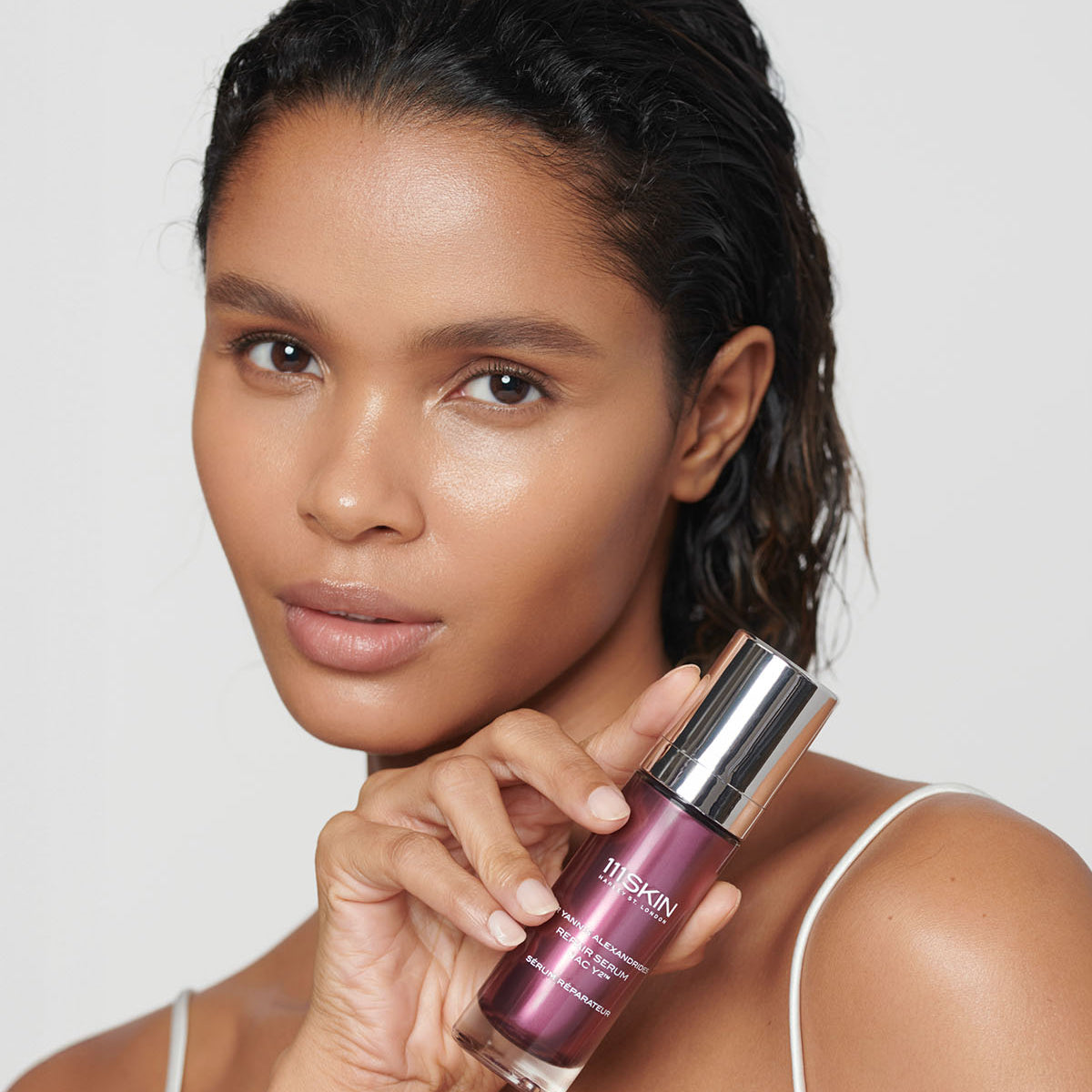
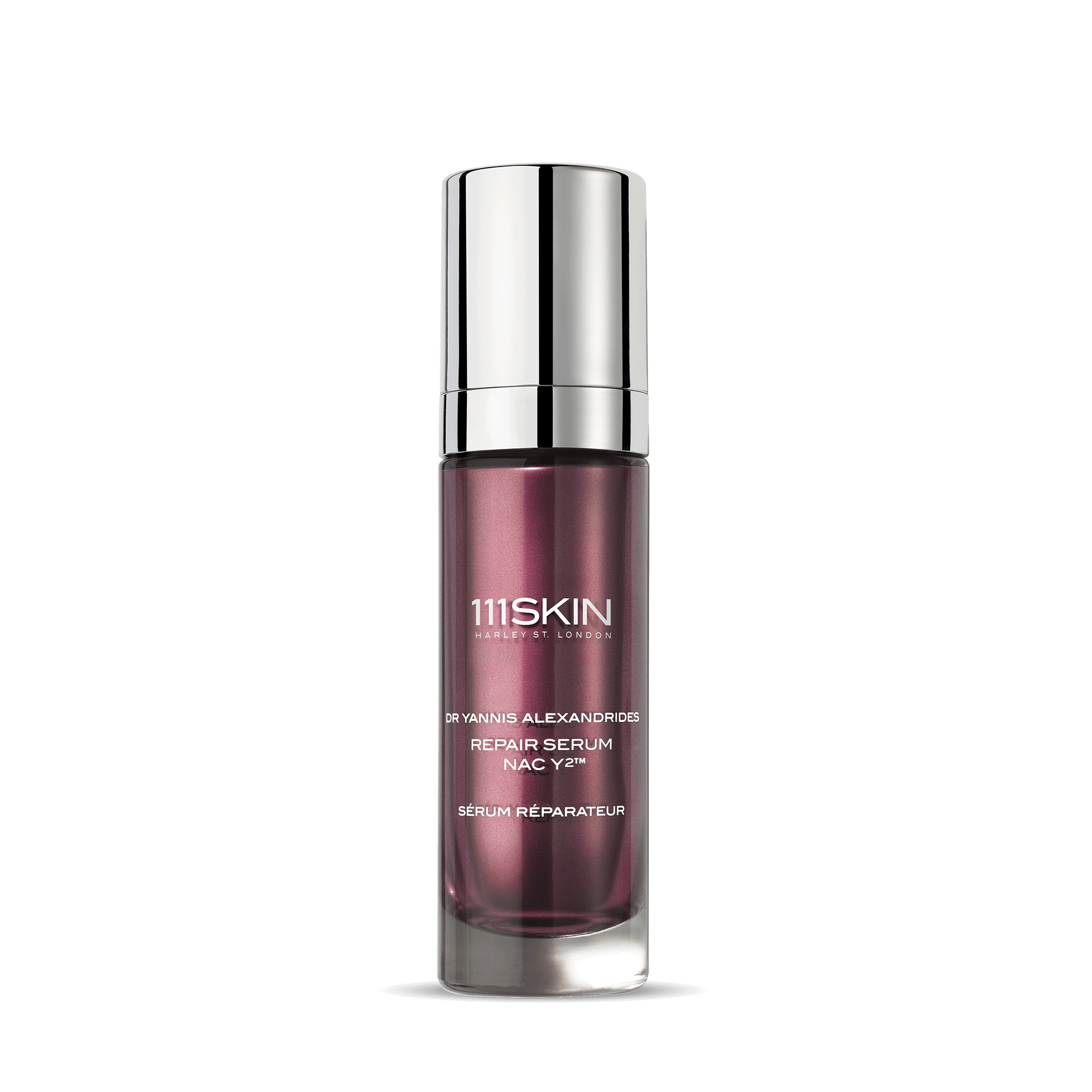
- Apply facial serum. Smooth 1 to 2 pumps of Repair Serum NAC Y²™ over the face and neck, morning or evening. Its cooling, velvety texture provides hydration and helps skin look smoother and plumper while addressing visible redness and early signs of ageing.
- Follow with moisturiser. In the morning, apply a pea-sized amount of Repair Day Cream NAC Y²™ to the face, neck and décolletage for nourishing hydration and skin-barrier support. In the evening, use the same amount of Repair Night Cream NAC Y²™ after serum.
- Complete morning care with sun protection. Apply Repair Sunscreen SPF50+ generously and evenly after moisturiser, 15 to 20 minutes before sun exposure, following its exposure and reapplication directions.
These are leave-on skincare steps, not a universal list of massage lubricants. In particular, complete rolling before applying sunscreen so the massage does not disturb its even coverage. No roller provides UV protection.
If fine lines remain your main concern, assess how consistently you hydrate and protect your skin before judging the value of another attachment. If puffiness is the priority, look at whether the tool gives you a comfortable temporary refresh. The best purchase answers a specific need within a routine you can maintain.
When a de-puffing mask is the more useful format
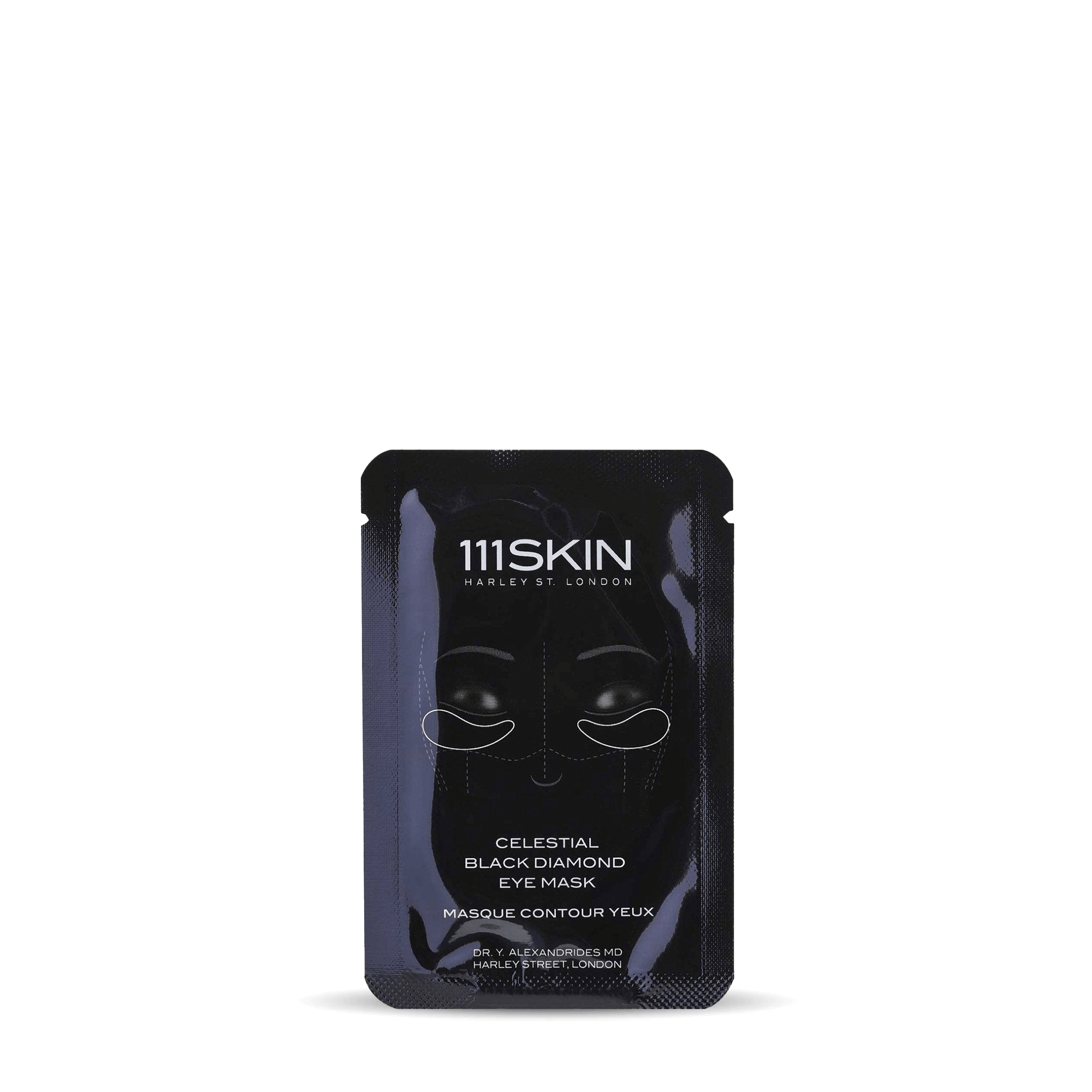
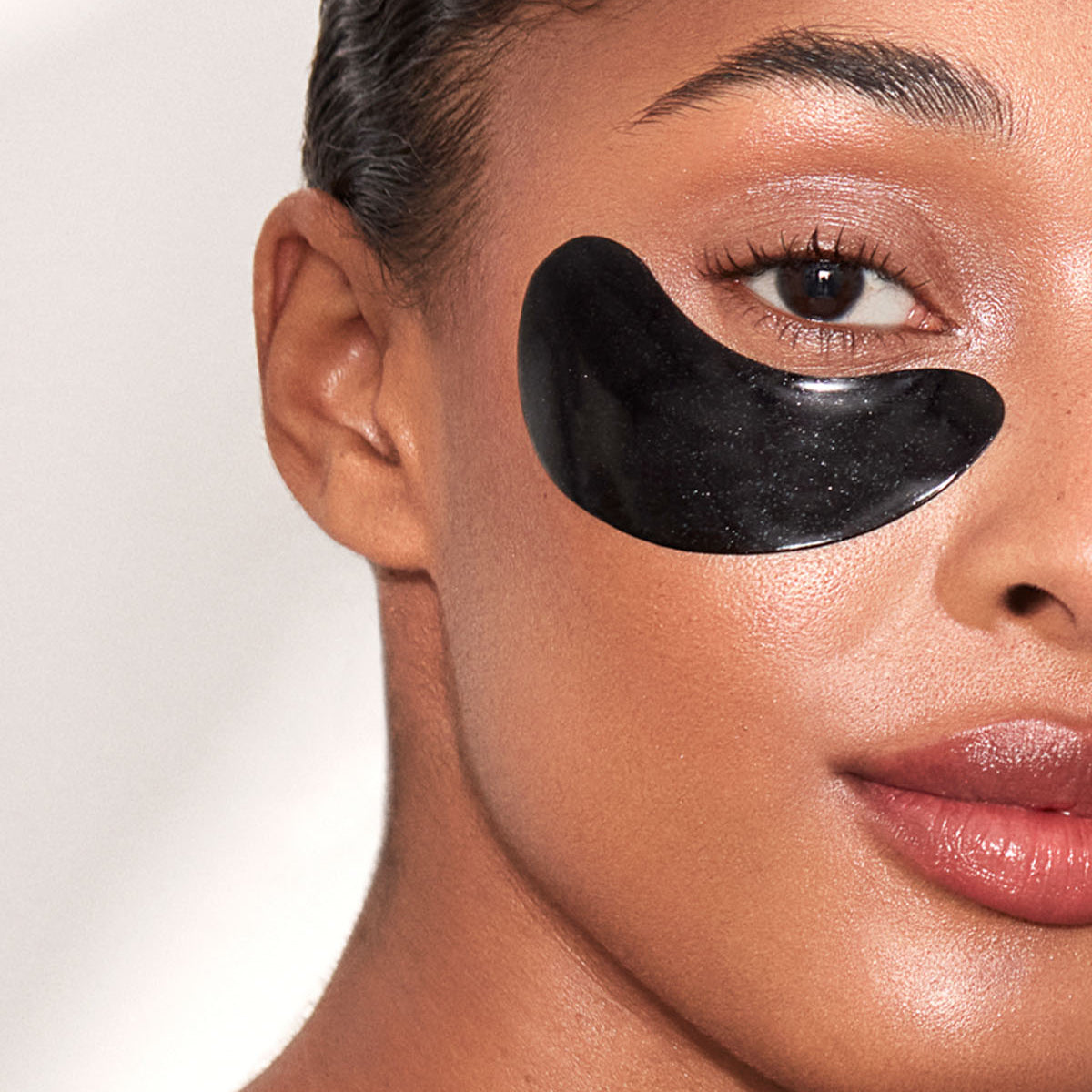
A roller suits someone who enjoys an active, hands-on ritual. A removable mask offers a defined treatment period without needing to judge massage pressure or movement. That difference can matter when your main goal is to refresh tired-looking eyes.
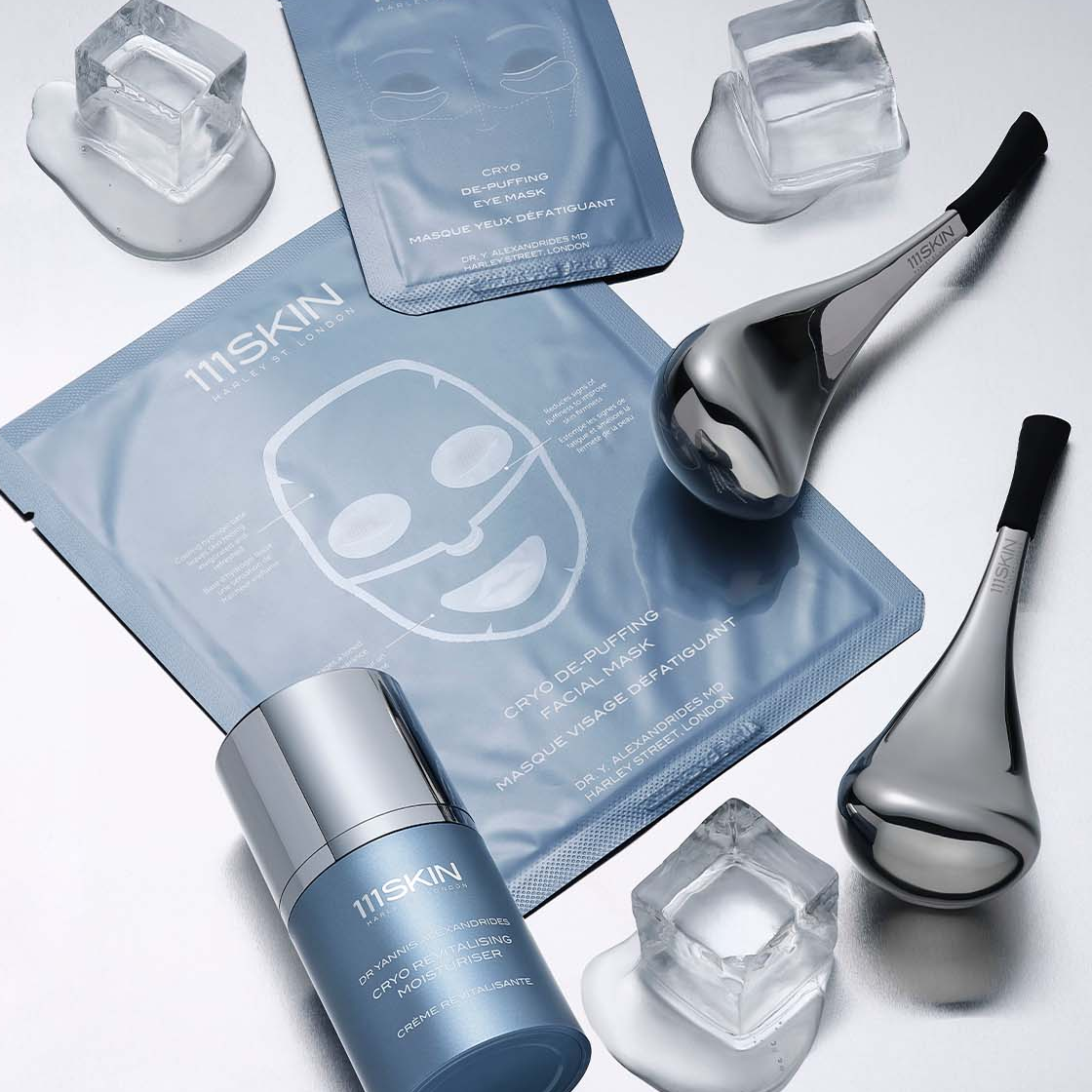
Cryo De-Puffing Eye Mask is a hydrogel format addressing visible puffiness and tired eyes, featuring Seaweed Extract, Vitamin E and Peptide Complex. It won InStyle Best Eye Mask at the Best Beauty Buys Awards 2022. Refrigeration before use is permitted for this particular mask.
After cleansing, remove the protective films from both sides, place one mask beneath each eye and wear for 20 minutes. Remove and gently pat in the remaining product, morning or evening.
Choose this format when targeted under-eye de-puffing is the task and you prefer a set treatment time. Choose a roller when the massage experience itself appeals. Neither needs to be made more intensive by combining both in the same session.
Choose the set you will use well
The most useful facial roller set is smooth, manageable and easy to keep clean, with clear instructions for every included piece. Choose the material for its handling and feel, then keep expectations centred on gentle massage and temporary refreshment.
Before buying, identify your priority: a cooling ritual, a fresher-looking face or targeted eye care. Let that answer guide the tool, and use the 111SKIN skincare quiz if you need help selecting the daily hydration and concern-led care around it. A considered routine should leave your skin comfortable, with each step doing a clear job.
As with any skincare product, patch test before first use. If you are pregnant or breastfeeding, consult your doctor before using any skincare products.
FAQ
Is jade or rose quartz better for a facial roller set?
Neither stone has an established universal advantage for visible skincare results. Prioritise a smooth, intact surface, secure fittings and comfortable handling. Choose the appearance and feel you prefer once those practical requirements are met.
Can a facial roller permanently sculpt the jawline?
A smooth roller does not remove facial fat or permanently change facial structure. Gentle massage may temporarily soften the appearance of mild puffiness, which can make contours look more defined. Treat permanent lifting or slimming promises cautiously.
Should I use a facial roller every day?
Follow the frequency guidance supplied with your exact tool and keep the experience comfortable. Daily use is not a requirement for an effective skincare routine. Pause if rolling causes tenderness, irritation or persistent redness.
Do I need a facial oil with a roller?
Follow the roller's preparation instructions, as some tools call for a suitable glide product and others specify their own clean-skin method. If a product is used, it should allow smooth movement without dragging. Keep treatment products in their own instructed order instead of assuming every facial oil is intended for massage.