YOUR GUIDE TO UNDERSTANDING
HYPERPIGMENTATION
What is Hyperpigmentation?
Hyperpigmentation is a common skin condition characterised by the darkening of certain areas due to an overproduction of melanin, the pigment responsible for skin colour. These darkened areas can vary in size and location, often appearing on the face, neck, hands. Hyperpigmentation can appear as brown, black, grey, red or pink spots or patches.
Causes & Types of Hyperpigmentation
Sun Spots
Small, dark spots caused by prolonged sun exposure, which are often found on areas like the face, shoulders, and hands. Prolonged exposure to UV rays stimulates melanocytes, the cells responsible for producing melanin, leading to localized dark spots
Post-Inflammatory (PIH)
This type results from skin injuries and trauma or inflammation, such as acne, eczema, or cuts - the skin responds by producing excess melanin as part of the healing process. PIH often leaves dark or red marks after the skin heals.
Melasma
Triggered by hormonal changes, melasma manifests as larger, often symmetrical patches on the face. Melasma is common during pregnancy and as we get older when the cells responsible for melanin production decrease and become less evenly distributed.
Managing and Treating Hyperpigmentation
Prioritise Sun Protection
Daily application of a broad-spectrum sunscreen is crucial for preventing and managing hyperpigmentation. Choose SPF 30 for regular daily exposure or SPF 50 for prolonged or intense sun exposure (high UV index).
If using professional treatments or active ingredients such as retinoids, Vitamin C, or Hydroquinone, always opt for SPF 50 regardless of the season or hours of sun exposure. These treatments can make your skin more sensitive to UV rays, and insufficient protection may cause pigmentation to return, potentially even more pronounced. Reapply sunscreen every two hours when outdoors to maintain sufficient protection.
Incorporate Effective Skincare Products
- Vitamin C: Brightens skin, evens tone and reduces dark spots by by inhibiting melanin production
- Retinoids: Retinoids promote cell turnover, fading hyperpigmentation while improving overall skin texture.
- Niacinamide: This form of Vitamin B3 reduces melanin transfer within the skin, helping to lighten dark spots and even out skin tone.
- Azelaic Acid: Azelaic acid has anti-inflammatory and skin-lightening properties, making it ideal for post-inflammatory hyperpigmentation (PIH) and hormonal pigmentation.
Read more from our journal article: Best Products and Treatments for Hyperpigmentation
Professional Treatments
- Chemical Peels: Treatments like glycolic acid or TCA peels exfoliate the skin, removing darkened layers of the epidermis and encouraging cell turnover.
- Laser Therapy: Lasers target pigmentation at deeper levels of the skin for precise results.
- Microneedling: This procedure stimulates collagen production while breaking up pigment clusters in the skin.
- Red Light Therapy: Helps calm inflammation and improve skin tone over time.
Discover treatments we offer at 111Harley St.
Hydrate & Nourish
Healthy, hydrated skin heals faster and is less prone to pigmentation.
Incorporate ingredients like hyaluronic acid, glycerin, or squalane to keep your skin hydrated. Well-moisturised skin supports a healthy barrier, which is vital for managing hyperpigmentation and preventing irritation.
Aim for at least 2 litres of water a day to support skin hydration and detoxification.
Limit caffeine and alcohol as these can dehydrate the skin, making it look dull and emphasising dark spots.
Consistency Is Key
Hyperpigmentation doesn’t fade overnight. Establishing and sticking to a consistent skincare routine tailored to your specific needs is essential for long-term results.
Results vary, but with consistent use of effective treatments and sunscreen, improvements can be seen in 4-8 weeks. Severe cases may take several months.
Read more from our journal article:Best Skincare Routines for Hyperpigmentation-Prone Skin
THE ULTIMATE HYPERPIGMENTATION ROUTINE
Our NEWEST INNOVATION
"Through the dialogue with my patients, I’ve experienced first-hand how pigmentation can impact skin confidence. With the Dark Spot Correcting Serum, I wanted to develop a potent at-home treatment that fades the appearance of existing pigmentation while being gentle enough to be suitable for sensitive skin. The fact that it also helps to regulate the overproduction of melanin makes it a perfect addition to your skincare routine to even skin tone in the long-term.”
- Dr Yannis Alexandrides MD FACS
See the results for yourself
Jacqueline's Journey
Pigmentation appeared significantly reduced after using the Dark Spot Correcting Serum for 8 weeks.
DISCOVER FURTHER ENHANCEMENTS
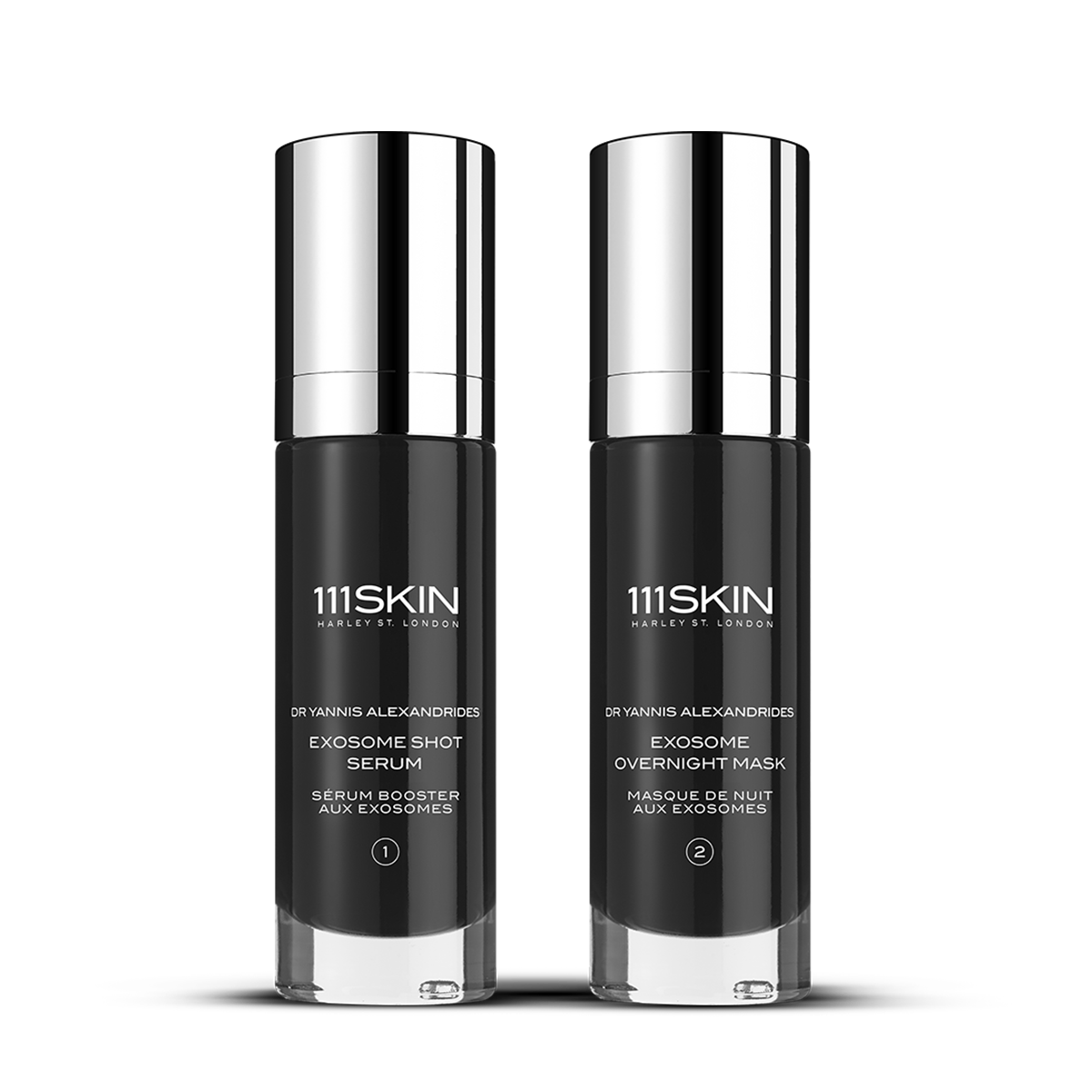
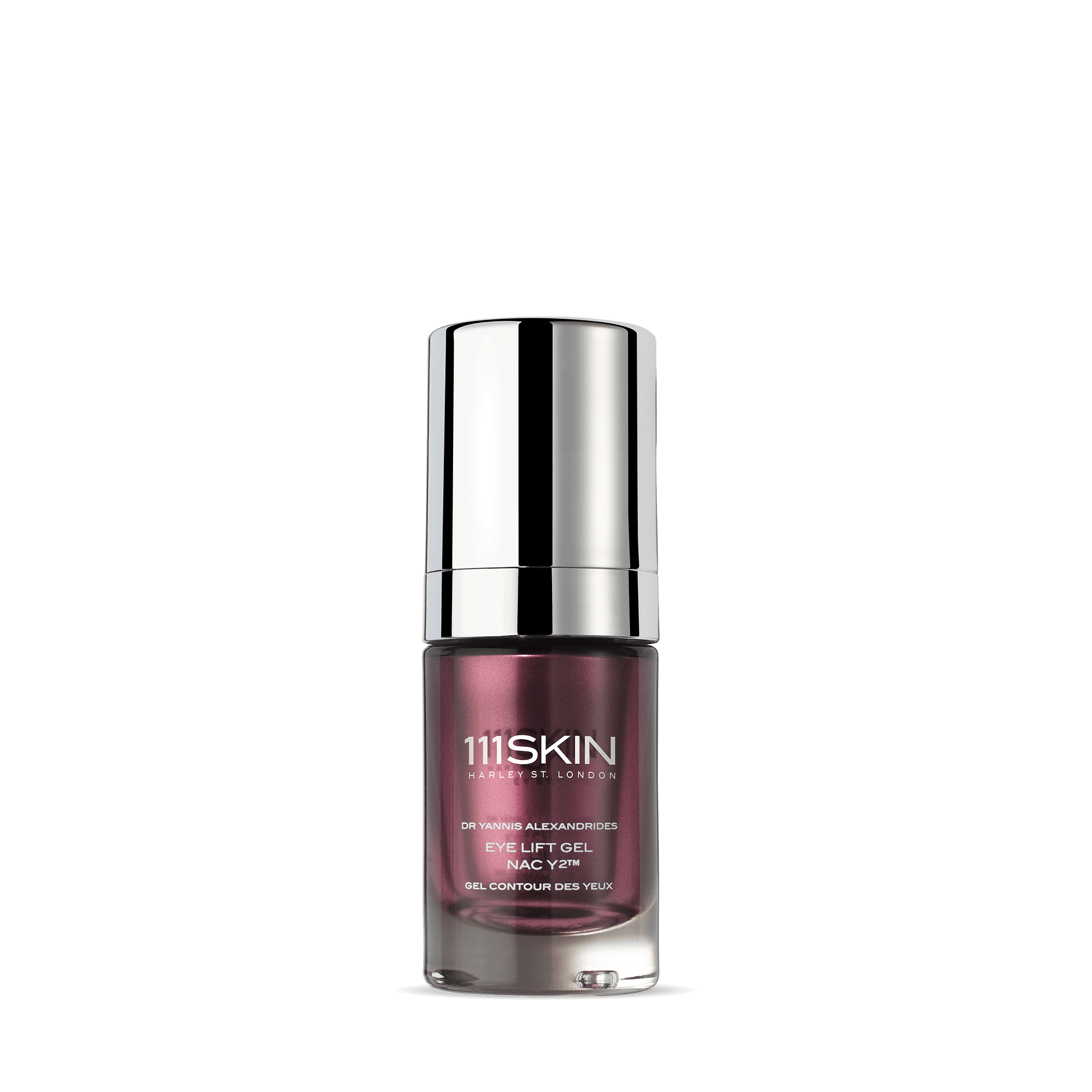
For more even skin tone
READ MORE FROM OUR HYPERPIGMENTATION JOURNAL SERIES
How Your Daily Choices Impact Hyperpigmentation Prevention
Discover what hyperpigmentation is, its causes, and the best treatments for clear, even-toned skin. Learn about melasma, sun spots, and post-inflammatory hyperpigmentation with dermatologist-approved tips and solutions.
Best Skincare Routines for Hyperpigmentation-Prone Skin
Discover what hyperpigmentation is, its causes, and the best treatments for clear, even-toned skin. Learn about melasma, sun spots, and post-inflammatory hyperpigmentation with dermatologist-approved tips and solutions.
Hyperpigmentation During Pregnancy: Causes, Safe Treatments, and Prevention
Discover what hyperpigmentation is, its causes, and the best treatments for clear, even-toned skin. Learn about melasma, sun spots, and post-inflammatory hyperpigmentation with dermatologist-approved tips and solutions.
Understanding Hyperpigmentation and Its Causes
Discover what hyperpigmentation is, its causes, and the best treatments for clear, even-toned skin. Learn about melasma, sun spots, and post-inflammatory hyperpigmentation with dermatologist-approved tips and solutions.
Best Products and Treatments for Hyperpigmentation
Discover what hyperpigmentation is, its causes, and the best treatments for clear, even-toned skin. Learn about melasma, sun spots, and post-inflammatory hyperpigmentation with dermatologist-approved tips and solutions.