


Table of Contents
- Introduction
- Identify the unevenness before choosing your product
- Why Dark Spot Correcting Serum is the targeted choice
- When another treatment better matches your concern
- Keep immediate glow separate from pigment correction
- Sun protection is central to a more even-looking complexion
- Build a concise routine around your main treatment
- Assess progress without overworking your skin
- Choose targeted correction, then support it consistently
- FAQ
Introduction
For uneven skin tone caused by visible dark spots, 111SKIN's Dark Spot Correcting Serum is the most targeted choice. It addresses pigmentation and patchy-looking colour with 2% Tranexamic Acid, a 5% blend of seven Swiss Alpine plant extracts and 1% Gluconolactone. Pair it with daily sun protection to help prevent UV exposure from deepening discolouration.
The best product changes when the unevenness is mainly redness, dry-looking dullness or rough texture. Recognising that difference helps you select care that addresses what you actually see, without building an unnecessarily complicated routine. A pigment-focused serum, a hydrating treatment and an illuminating booster each have a useful, distinct role.
Identify the unevenness before choosing your product
Dark spots and lingering blemish marks
Hyperpigmentation describes areas that look darker than the surrounding skin because of excess pigment. Sun exposure and inflammation, including that associated with blemishes, can contribute to these marks. They may appear as individual spots or broader patches of uneven colour.
A flat dark mark left after a blemish is different from an indented or raised scar. A serum targeting visible pigmentation addresses colour; it cannot remove a permanent change in the skin's structure. This distinction matters when deciding what improvement to expect from at-home skincare.
Dark spots can occur across skin tones, and post-inflammatory pigmentation can be particularly noticeable and persistent in deeper complexions. Avoid picking blemishes or repeatedly scrubbing marked areas, as further irritation can prolong the cycle of visible unevenness.
Redness and blotchy-looking colour
Not all uneven colour is excess pigment. Redness may fluctuate with irritation, dryness or other triggers, and it can sit alongside dark marks. On deeper skin tones, irritation may look dusky or appear as a change in colour that is less obviously red.
If skin feels tight, stings or looks newly blotchy after adding products, increasing the strength of a brightening routine is unlikely to be the most useful next step. Focus on comfortable hydration and reduce avoidable irritation. Persistent redness, discomfort or an unexplained colour change deserves professional advice.
Dullness and texture that interrupt radiance
Skin can look uneven even when there are few distinct dark spots. Dry, flaky areas and rough texture interrupt the way light reflects from the surface, creating a less uniform finish. Hydration and smoothing care can improve this appearance without changing the skin's natural colour.
Look at clean skin in consistent daylight before choosing your main treatment:
- Distinct darker marks: prioritise a serum targeting visible dark spots and uneven tone.
- Roughness with visible lines: consider a treatment addressing tone, texture and lines together.
- Tightness with blotchiness: give hydration and skin-barrier support greater priority.
- A generally flat-looking finish: distinguish a need for moisture from a wish for immediate luminosity.
These concerns often overlap. Select the one that bothers you most as the main treatment goal, then use supporting care to keep the routine comfortable.
Match the product to the visible concern: dark-spot care addresses uneven pigment, hydration improves dry-looking unevenness, and an illuminating finish adds immediate radiance.
Why Dark Spot Correcting Serum is the targeted choice
A formula focused on visible pigmentation
Dark Spot Correcting Serum is designed for visible dark spots and uneven tone, making it the clearest starting point when pigmentation is your main concern. Its formula includes 2% Tranexamic Acid, a 5% blend of seven Swiss Alpine plant extracts and 1% Gluconolactone.
Tranexamic Acid is a recognised ingredient in topical pigmentation care. Gluconolactone belongs to the polyhydroxy acid family, commonly used in skincare for surface renewal and hydration. Here, the practical reason to choose the serum is its finished-formula focus on visible discolouration, rather than the appeal of any one ingredient alone.
A concentration is useful information, but a larger percentage is not automatically a better choice. The complete formula, how comfortably it fits your skin and whether you use it consistently all matter. Comparing isolated ingredient percentages across different products cannot tell you which will deliver the best result for you.
What the product's testing tells you
In 111SKIN's reported clinical trial of 32 participants, Dark Spot Correcting Serum reduced hyperpigmentation by 36% after 56 days. It also received Robb Report Best Hyperpigmentation Serum in the Grooming Awards 2025.
That trial provides a useful expectation of gradual improvement with continued care. It does not mean every mark disappears within eight weeks, and deeper or longstanding patches may need professional assessment. Look for a reduction in how strongly marks contrast with the surrounding skin, rather than expecting an overnight change in colour.
The approach reflects 111SKIN's clinical inspiration. Founded by plastic and reconstructive surgeon Dr Yannis Alexandrides and Eva Alexandridis, the brand draws on his practice at 111 Harley St. in London, bringing targeted cosmetic care into considered at-home routines.
Where to apply it
Dark Spot Correcting Serum is an all-over face and neck treatment, not simply a product to dab onto individual marks. Even application makes it practical when uneven colour is scattered across several areas.
Use 1 to 2 pumps after cleansing, morning or evening, and follow with moisturising care. A morning application can be especially convenient if you want one consistent daily treatment slot followed by sunscreen. The complete routine below keeps those steps together.
Applying extra pumps to a stubborn mark is not a reliable way to accelerate improvement. Keep to the directed quantity and assess progress over time.
When another treatment better matches your concern
For uneven tone alongside rough texture and lines
Black Diamond Retinol Oil is an evening facial treatment addressing uneven tone, texture and visible lines. It is a relevant choice when pigmentation is one part of a broader concern about the skin's surface and signs of ageing.
The oil contains a combined 2.5% blend of Retinol and Granactive Retinoid. This is the concentration of the combined blend, not 2.5% pure retinol. Its oil base also offers a different application experience from a conventional serum, which may appeal if you enjoy a measured, drop-by-drop evening treatment.
Apply 2 to 3 drops in the evening, avoiding the eyes and lips. Start with 1 to 2 evenings weekly for the first 2 to 3 weeks, then increase gradually. Follow with serum and moisturiser, including during introduction, and use SPF the next morning.
Retinoid-containing products should not be used during pregnancy. If you are breastfeeding, discuss their use with your doctor.
Dark Spot Correcting Serum and Black Diamond Retinol Oil overlap in addressing uneven tone, but their wider focus differs. Choose the former when visible pigmentation is the priority and the latter when tone, texture and lines need attention together. There is no need to start both at once to create a purposeful routine.
For visible redness and dehydration
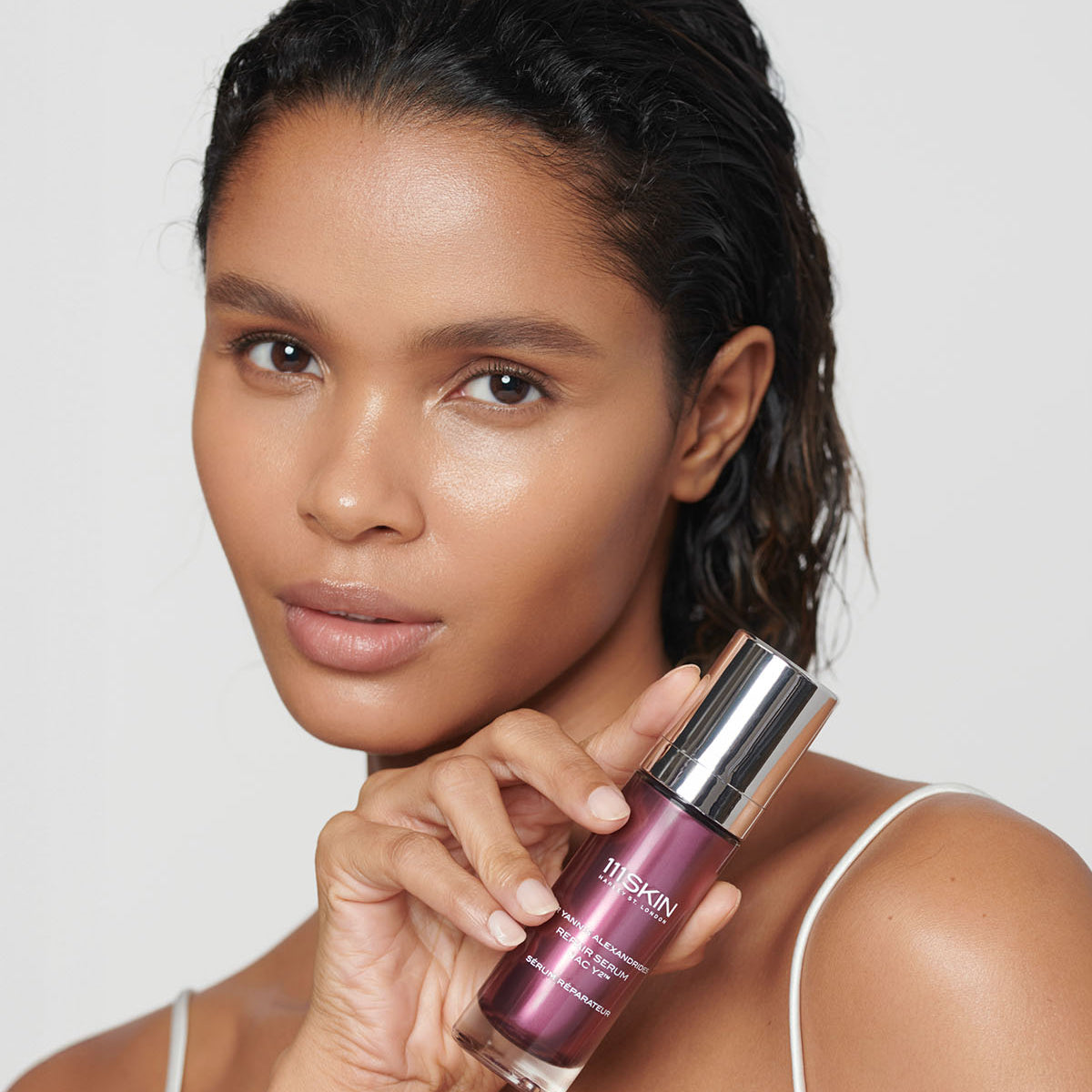
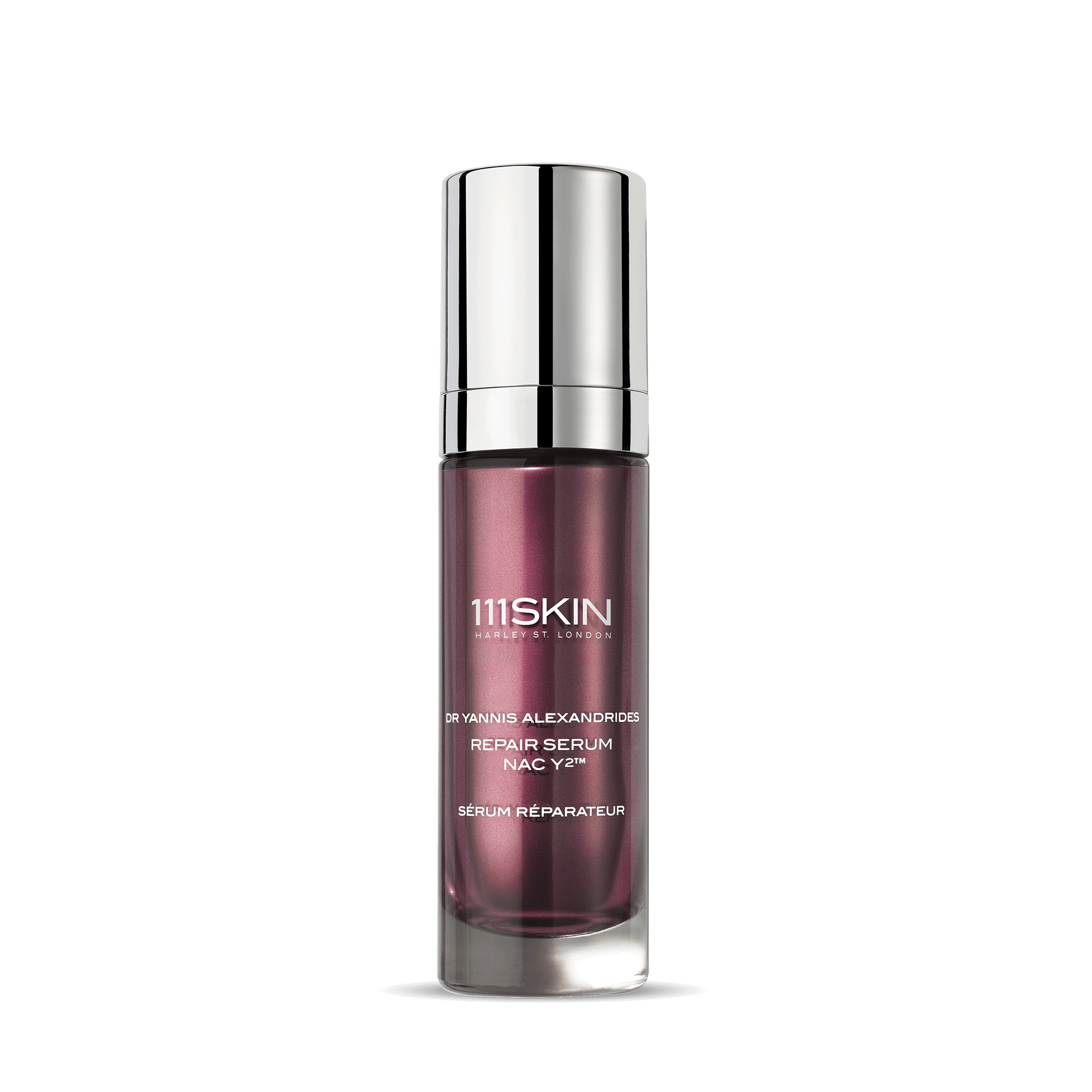
Repair Serum NAC Y²™ addresses hydration, visible redness, early signs of ageing and smoother, plumper-looking skin. Its cooling, velvety texture makes it a relevant choice when the complexion looks uneven and also feels dry or uncomfortable.
The formula features NAC Y²™, Pink Rock Rose Extract and Centella Asiatica. Its value in this decision is the combination of hydrating care and attention to visible redness, rather than a promise to erase every form of discolouration. Repair Serum NAC Y²™ received Tatler Best Serum for Repair in the Beauty Awards 2025.
When dehydration is the main issue, understand what different moisturising ingredients contribute. Humectants attract water, emollients soften the skin, and ingredients that limit moisture loss help maintain hydration. A hydrating serum and a moisturiser therefore perform complementary jobs.
Hyaluronic Acid Aqua Booster is another focused option for dehydration, featuring Hyaluronic Acid and Niacinamide. Shake and pat 2 to 4 drops onto clean, dry skin before serum, morning or evening, or mix it with serum or moisturiser as its directions permit. Choose it for added hydration, not as a replacement for a treatment specifically targeting dark spots.
Keep immediate glow separate from pigment correction
What an illuminating booster can do now
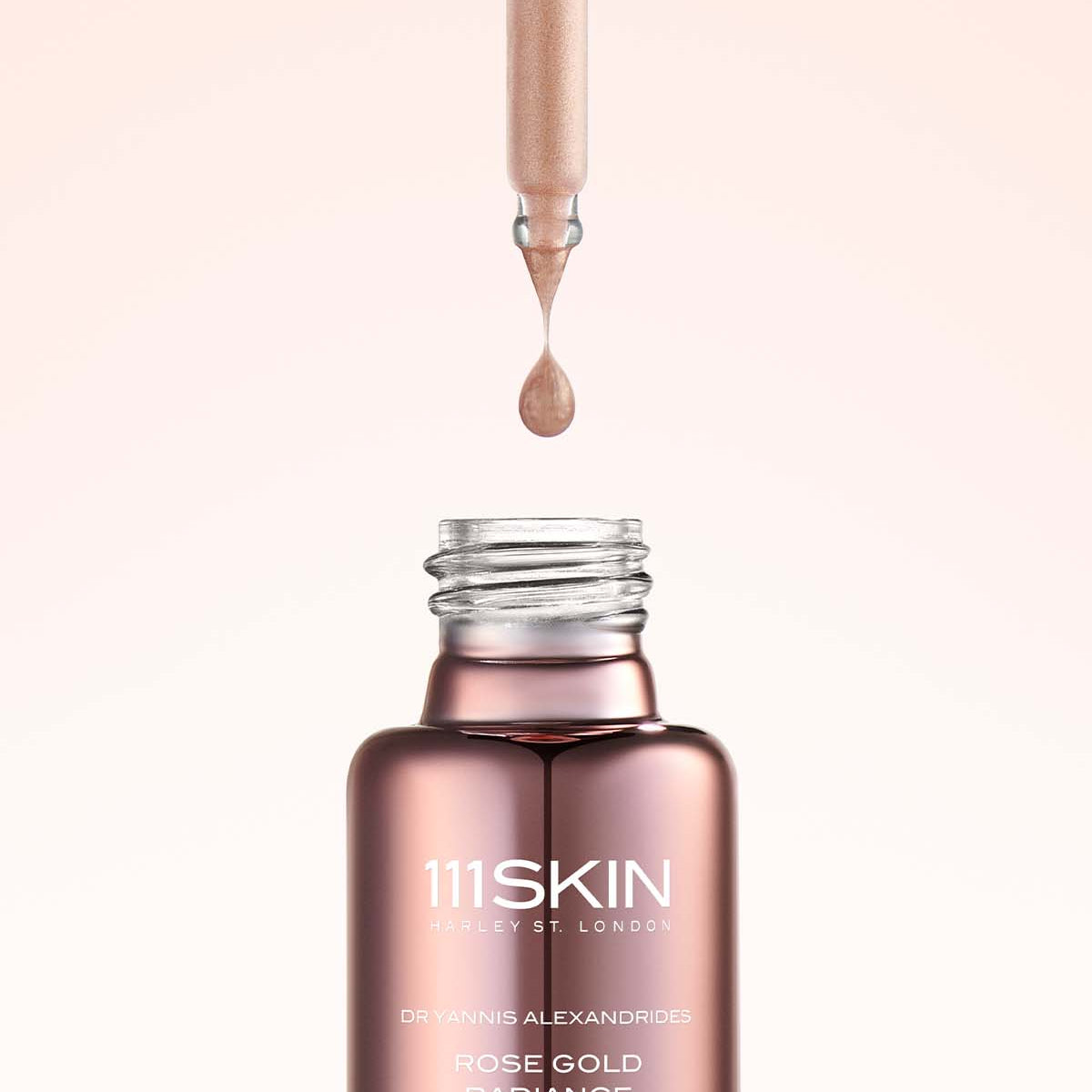
Rose Gold Radiance Booster provides immediate luminosity with a subtle shimmer, alongside hydration. It is useful when you want skin to look more radiant today, including beneath make-up, while maintaining a longer-term approach to uneven tone.
Its featured ingredients include Aloe-Moss Extract, Damascus Rose and Hyaluronic Acid. In the morning, shake and mix 1 to 2 drops with moisturiser for all-over radiance. Keep sunscreen as its own separate step.
This luminous finish and Dark Spot Correcting Serum answer different needs. The serum targets visible discolouration over time; the booster adds an immediate light-catching effect. A complexion can look brighter after an illuminating product even though the underlying dark marks have not yet changed.
Decide whether you want less contrast or more luminosity
Before adding another product, identify the result you want to see. If the same dark marks remain noticeable in every light, a pigment-focused treatment is the priority. If the complexion mainly looks flat and becomes more radiant after moisturising, hydration may deserve more attention.
For an occasion, make-up can provide immediate coverage while skincare addresses the longer-term concern. An illuminating booster adds glow but does not provide the same camouflage as concealer or foundation. Keeping those expectations distinct makes it easier to appreciate each product's benefit.
You can also have a naturally radiant complexion with freckles, variation in colour or occasional marks. The aim of an uneven-tone routine is to soften unwanted contrast and support a healthy-looking finish, not to remove the individuality of your skin.
Sun protection is central to a more even-looking complexion
Why a correcting serum needs daytime protection
UV exposure stimulates pigment production and can deepen existing discolouration. A targeted serum addresses the appearance of marks, while sunscreen helps protect against an important factor that can make them more noticeable. These roles work together.
Daily broad-spectrum sun protection is relevant throughout the year, including on cloudy days. Shade, a hat and avoiding excessive sun exposure add useful protection, particularly when pigmentation is a persistent concern.
For some people with pigmentary conditions, visible light can also contribute to discolouration. A dermatologist may recommend a suitable tinted sunscreen containing iron oxides as part of a personalised plan. That is especially worth discussing if broad facial patches repeatedly return despite a consistent routine.
Make correct application a daily habit
Repair Sunscreen SPF50+ belongs after moisturiser in the morning. Apply it generously and evenly, 15 to 20 minutes before sun exposure, and follow its exposure and reapplication instructions.
Pay attention to the areas where uneven colour is visible, including the neck when exposed. A carefully applied serum cannot compensate for repeatedly missing those areas with sun protection.
Do not mix a radiance booster or another skincare product into sunscreen. Keeping sunscreen separate helps you follow its application directions accurately. If make-up contains SPF, continue to apply a dedicated sunscreen in the amount directed rather than relying on the coverage of your base.
Build a concise routine around your main treatment
A useful uneven-tone routine gives the targeted product a consistent place without surrounding it with unnecessary active steps. Cleansing removes make-up and impurities, moisturising care maintains comfort, and daytime sunscreen supports the overall approach.
A straightforward dark-spot routine
For pigmentation-led unevenness, use this sequence:
- Cleanse. With Cleansing Oil, apply 2 to 3 pumps using dry hands on dry skin. Massage for 30 seconds, rinse with warm rather than hot water and pat dry. It can be used alone or first in a double cleanse.
- Apply Dark Spot Correcting Serum. Spread 1 to 2 pumps evenly across the face and neck after cleansing, morning or evening.
- Moisturise. In the morning, apply a pea-sized amount of Repair Day Cream NAC Y²™ to the face, neck and décolletage. For an evening routine, use a pea-sized amount of Repair Night Cream NAC Y²™ over the same areas after serum.
- Protect in the morning. Apply Repair Sunscreen SPF50+ generously and evenly after moisturiser, 15 to 20 minutes before sun exposure. Follow its exposure and reapplication instructions.
Repair Day Cream NAC Y²™ provides nourishing hydration and skin-barrier support, while Repair Night Cream NAC Y²™ replenishes skin in the evening. Their role is to support a comfortable routine around the correcting step, not to duplicate it.
If immediate glow is part of your goal, the Rose Gold Radiance Booster and moisturiser mixture described above fits at the morning moisturising step. Proceed with sunscreen separately.
Adapt the treatment step without rebuilding everything
For redness-led unevenness, Repair Serum NAC Y²™ can take the serum position: apply 1 to 2 pumps to the face and neck after cleansing, morning or evening, before moisturiser. Keep the cleansing, moisturising and daytime protection framework consistent.
If you choose Black Diamond Retinol Oil for combined tone, texture and line concerns, follow its gradual evening introduction described earlier. Its order is specific: the oil is followed by serum and moisturiser. Repair Serum NAC Y²™ and Repair Night Cream NAC Y²™ provide a clear follow-on hydration sequence.
Avoid judging a routine by the number of bottles it contains. A treatment used correctly and comfortably has a more useful place than several products applied irregularly because the process has become difficult to maintain.
Assess progress without overworking your skin
Compare like with like
Lighting can make pigmentation appear stronger or weaker from one day to the next. Take occasional photographs of clean skin in the same place, at a similar time of day, without filters. Compare the contrast of particular marks and the overall uniformity of the complexion.
It also helps to separate different kinds of progress. Softer, more hydrated skin can look smoother before a dark mark has visibly faded. That is a worthwhile benefit, but it should not be mistaken for pigment correction.
Useful checkpoints include:
- Whether established marks look less distinct against surrounding skin.
- Whether the complexion feels comfortable between applications.
- Whether new irritation or flaking has appeared.
- Whether sunscreen use has remained consistent, including reapplication when needed.
Reviewing these points gives you more meaningful information than repeatedly changing products after a few days. It also helps you notice whether the routine needs simplification rather than greater intensity.
Know when to pause or seek advice
Stinging, persistent redness and peeling are not proof that a pigmentation product is working. Stop use if irritation occurs, and seek professional advice if it persists. Repeated irritation can itself contribute to further visible discolouration.
Avoid combining aggressive scrubbing, several exfoliants and new active treatments in an attempt to speed up fading. More frequent or heavier application than directed can undermine comfort without improving the result.
Broad patches that recur, unexplained pale areas or pigmentation that does not respond as expected merit a dermatologist's assessment. A new or changing spot, especially one that bleeds or changes shape or colour, should also be checked rather than treated as an ordinary cosmetic mark.
Judge progress by a more even-looking complexion and comfortable skin. Neither tingling nor a longer routine is a measure of success.
Choose targeted correction, then support it consistently
For visible dark spots and pigmentation-led uneven tone, start with Dark Spot Correcting Serum and daily sun protection. Its targeted formula and reported clinical result make it a clear choice when reducing the appearance of discolouration is the main goal.
Choose Black Diamond Retinol Oil when uneven tone sits alongside texture and lines, or Repair Serum NAC Y²™ when hydration and visible redness deserve priority. Keep immediate luminosity in its own role with Rose Gold Radiance Booster.
The next step is to identify your main visible concern and build around one purposeful treatment. Explore Dark Spot Correcting Serum for pigmentation-focused care, or use the 111SKIN skincare quiz to help refine your product selection.
As with any skincare product, patch test before first use. If you are pregnant or breastfeeding, consult your doctor before using any skincare products.
FAQ
What is the best product for uneven skin tone and dark spots?
Dark Spot Correcting Serum is 111SKIN's most targeted choice for visible dark spots and uneven tone. It contains 2% Tranexamic Acid, a 5% blend of seven Swiss Alpine plant extracts and 1% Gluconolactone. Use it consistently with moisturising care and daily sunscreen.
How long does it take to improve uneven skin tone?
Pigmentation changes gradually, and the timing varies with the type and persistence of the marks. In 111SKIN's reported clinical trial of 32 participants, Dark Spot Correcting Serum reduced hyperpigmentation by 36% after 56 days. Hydration and illuminating products can improve radiance sooner, but that is different from fading dark spots.
Is retinol or a dark-spot serum better for uneven tone?
A dark-spot serum is the more focused choice when visible pigmentation is the main concern. Black Diamond Retinol Oil addresses uneven tone alongside texture and visible lines, making it relevant when those concerns overlap. It requires gradual introduction and should not be used during pregnancy.
Can moisturiser alone improve uneven skin tone?
Moisturiser improves the appearance of dryness-related dullness and supports smoother, more comfortable skin. It does not perform the same role as a serum targeting visible pigmentation. For dark marks, combine targeted care with moisturiser and daytime sun protection.