


Table of Contents
- Introduction
- How does a cryotherapy facial work?
- What benefits can you realistically expect?
- What happens during a professional cryofacial?
- Is a cryotherapy facial suitable for everyone?
- Can you achieve a refreshed look at home?
- Build a routine that supports the refreshed finish
- Conclusion
- FAQ
Introduction
A cryotherapy facial is a cosmetic treatment that uses controlled cold, delivered through chilled air, vapour or a cooling device, to refresh the appearance of facial skin. Its most realistic appeal is a temporary reduction in visible puffiness and a fresher, more radiant-looking complexion.
The word "cryotherapy" covers several very different treatments, so the device and method matter more than the name alone. A professional cryofacial is different from a refrigerated face mask, and neither should be confused with medical treatment that deliberately freezes a skin lesion. Understanding those distinctions helps you decide whether to book an appointment or address tired-looking skin through a targeted at-home ritual.
How does a cryotherapy facial work?
Controlled cooling, not deliberate skin freezing
During a cryotherapy facial, a practitioner cools the surface of the face using a specialist device. Some systems deliver a stream of very cold air or nitrogen vapour through a handheld nozzle. Others use a chilled contact applicator that moves over the skin, sometimes as part of a treatment that alternates warmth and cold.
These methods are not interchangeable. The temperature generated by a machine is also different from the temperature reached by your skin, which depends on the device, distance, movement and exposure time. A dramatic temperature advertised on a treatment menu tells you little about the quality of the facial.
The cosmetic aim is controlled cooling while preserving healthy skin. Deliberately freezing tissue belongs to medical cryotherapy, where a healthcare professional treats a specific lesion, such as a wart. A beauty facial should not attempt to reproduce that process.
What cold changes in the skin
Cold temporarily narrows superficial blood vessels, a response called vasoconstriction. As the skin warms again, those vessels widen. These short-term changes can influence the appearance of redness and swelling and contribute to the refreshed look some people notice after treatment.
That response does not establish every claim associated with cryofacials. A temporary feeling of tightness is not evidence of new collagen, and a brighter appearance does not mean the treatment has removed pigmentation. The clearest way to assess the result is to separate an immediate cosmetic change from a lasting change in skin structure.
Hydration can contribute to the finish, too. If a facial includes a serum, mask or moisturiser, some of the smoother, plumper appearance may come from those products. Ask what the whole appointment includes so you understand what you are choosing.
Why the treatment name can be confusing
"Cryofacial", "cryo facial" and "cryotherapy facial" are often used for the same broad category of cosmetic cooling. However, one clinic may offer a brief vapour treatment while another offers a longer contact-device facial with additional skincare steps.
Whole-body cryotherapy exposes much more of the body to extreme cold and has its own risks. Fat-freezing treatments target fatty tissue using a different protocol and purpose. Neither provides a reliable guide to what a facial cooling treatment will do.
For the reader interested in a less puffy face, this distinction is practical: ask about a facial skin treatment, not a slimming procedure. A temporary improvement in visible puffiness does not remove facial fat or permanently reshape the jawline.
Judge a cryotherapy facial by its exact method, practitioner and realistic cosmetic goal, not by how cold the machine can become.
What benefits can you realistically expect?
Less visible puffiness and a refreshed appearance
Temporary de-puffing is one of the most plausible reasons to consider a cryotherapy facial. Cooling can reduce the appearance of mild swelling, helping tired-looking skin appear more refreshed. The degree of change will depend on what is contributing to the puffiness in the first place.
Puffiness that varies from morning to evening is different from a consistently prominent under-eye contour. Facial structure, skin laxity and under-eye hollows will not be corrected by a brief cooling treatment. Likewise, dark circles can reflect pigment, visible blood vessels or shadows, so less puffiness does not necessarily mean every dark circle disappears.
For ongoing cosmetic eye care, Eye Lift Gel NAC Y²™ addresses visible wrinkles, dark circles and puffiness in a lightweight, hydrating texture. It is relevant when the concern returns between occasional treatments and you want a regular eye-care step. Persistent, painful, sudden or one-sided swelling needs medical assessment rather than another facial.
Radiance and a smoother-looking finish
Some people notice a brighter or more awake-looking complexion after a cryofacial. Changes in superficial circulation and the skincare used during the appointment can contribute to that appearance. The result is best understood as a refreshed finish, not a permanent change in skin tone.
A hydrated surface also reflects light more evenly than rough, dry-feeling skin. This is why good moisturising care remains useful even when cooling is the main attraction. Cold itself does not supply the water-attracting and skin-softening ingredients found in skincare.
If your main concern is uneven pigmentation, a targeted routine addresses a different need. Dark Spot Correcting Serum targets visible dark spots and uneven tone with 2% Tranexamic Acid, 5% seven Swiss Alpine plant extracts and 1% Gluconolactone. In 111SKIN's reported clinical trial of 32 participants, hyperpigmentation reduced by 36% after 56 days, making it a relevant choice for ongoing tone care rather than a same-day de-puffing effect.
Firmness, fine lines and pores
Skin can feel temporarily tighter after cooling, and the overall finish may look smoother. However, strong evidence for lasting anti-ageing benefits from cosmetic cryofacials remains limited. Claims that a routine cryofacial rebuilds collagen, reverses sagging or permanently erases wrinkles go beyond what can confidently be promised.
Pores do not open and close like doors. Their visibility changes with factors including oil, congestion, hydration and skin texture, but cold does not permanently seal them. A short-lived refined appearance should not be mistaken for a lasting reduction in pore size.
Fine lines also deserve a more precise approach. Dehydration can make surface lines more noticeable, while expression lines and structural ageing involve other factors. The Eye Lift Gel NAC Y²™ addresses wrinkles as well as puffiness: 111SKIN reports a 35% wrinkle reduction after two weeks in a clinical trial of 30 participants using Primos CR.
How long do the results last?
There is no dependable duration that applies to every cryotherapy facial. Devices, protocols, accompanying skincare and individual responses vary, and published claims about how long the glow lasts are inconsistent.
Think of the treatment primarily as a temporary cosmetic refresh. If a practitioner recommends a course, ask what additional benefit the course is intended to achieve and what evidence relates to that exact device. Repeating a short-term effect does not automatically make it permanent.
A useful check is to identify one observable goal before booking. "My face looks less puffy" is easier to assess than a broad promise of rejuvenation, especially when several treatments are bundled into the same appointment.
What happens during a professional cryofacial?
The consultation should come first
A consultation should establish your cosmetic goal, relevant medical history and whether the proposed cooling method is suitable. Tell the practitioner about skin conditions, cold sensitivity, changes in sensation, medicines and recent cosmetic procedures. Bring up previous reactions to cold even if they happened on your hands or elsewhere on the body.
You should also understand who will perform the treatment and how they have been trained on the device. A competent practitioner can explain the protocol in plain language, including how they protect your eyes and monitor your skin.
Before booking, ask:
- Which device and cooling method will be used?
- What improvement is realistic for my concern, and how temporary is it likely to be?
- What screening, eye protection and skin monitoring does the treatment require?
- Does the appointment include exfoliation, massage or other treatments that change its suitability?
- What should I do if I develop discomfort or a delayed skin reaction?
Clear answers matter more than a dramatic before-and-after photograph. Lighting, facial expression and accompanying skincare can all change how a result looks.
Cleansing, cooling and finishing care
A typical appointment may include cleansing and preparing the skin, the cooling phase, then leave-on skincare. Some appointments take around 15 to 30 minutes overall, but the cooling portion can be much shorter. Contact-device treatments may follow a different timetable, so confirm the duration with the provider.
The practitioner may move a nozzle over the treatment area or glide an applicator across the face. Some protocols include the neck; others are limited to particular facial areas. Protective measures and skin preparation should follow the requirements of the actual device.
Expect a noticeable cold sensation, but do not treat pain as a sign that the treatment is working. Burning, increasing pain or marked numbness should be reported immediately. More intense exposure is not a route to a better result.
Preparation and aftercare should match the procedure
Ask for preparation instructions when you book, particularly if you use exfoliating products or have recently had injectables, laser treatment, a peel or surgery. The appropriate interval depends on those procedures and the cooling method. Your treating clinician should guide combinations involving recent medical or aesthetic treatment.
Afterwards, follow the provider's instructions and keep skincare comfortable. An uncomplicated facial may allow a quick return to ordinary activities, but "no downtime" should never be interpreted as "no possibility of a reaction".
For an important event, avoid making the first appointment your final preparation step. Allow time to understand how your skin responds, and do not assume a treatment that suited someone else will produce the same finish for you.
Is a cryotherapy facial suitable for everyone?
Cold sensitivity changes the decision
A cryofacial is non-invasive, but that does not make it suitable for every skin type or medical history. Cold-triggered hives, known as cold urticaria, are a particular reason to avoid elective cold exposure and seek medical guidance. Raynaud's phenomenon, poor circulation and reduced skin sensation also warrant medical advice before considering treatment.
These conditions matter because cooling narrows blood vessels, and reduced sensation can make it harder to recognise excessive exposure. A practitioner needs that information before applying a device, not after a reaction begins.
If you are pregnant, breastfeeding or have a significant medical condition, discuss the proposed procedure with your doctor. An elective facial can wait while suitability is clarified.
Sensitive, inflamed or recently treated skin needs care
Rosacea, eczema and other inflammatory skin conditions should not be self-treated with extreme cold. Although cooling can feel soothing in some circumstances, temperature changes can also provoke discomfort or flushing. A cosmetic cryofacial is not a treatment for acne, rosacea or an undiagnosed rash.
Avoid booking over broken skin, active infection or an unexplained flare without medical guidance. The same principle applies after a procedure that has altered the skin barrier. The absence of needles in the cryofacial does not remove the need to consider the skin's condition.
If redness or sensitivity is your main concern, first establish what your skin tolerates. Adding a strong temperature stimulus to an unsettled routine can make it harder to identify what is causing discomfort.
Understand the risks without overstating them
Excessive cold exposure can cause irritation, cold burns or frostbite. Temporary tingling or numbness can occur, and a cold injury may leave changes in skin colour. Technique, exposure time and appropriate screening all matter.
Nitrogen-based systems also require appropriate equipment and ventilation. These are professional safety considerations, not something to recreate with home equipment. Never attempt a DIY treatment using liquid nitrogen, dry ice or an improvised extreme-cold device.
After treatment, seek prompt medical advice for blistering, severe pain, persistent numbness or unusual pale, dusky or darkened skin. Ordinary cosmetic care should feel comfortable; injury is not an expected stage on the way to a glow.
Can you achieve a refreshed look at home?
A home mask can address visible puffiness or dehydration without reproducing a professional cryofacial. This is a useful distinction, not a lesser version of the same procedure. A cosmetic mask combines a specific format with skincare ingredients, while a professional device delivers a controlled temperature treatment.
111SKIN was founded by plastic and reconstructive surgeon Dr Yannis Alexandrides and Eva Alexandridis, drawing on his practice at 111 Harley St. in London. That clinical inspiration informs at-home rituals designed around particular cosmetic concerns, including tired-looking skin and visible puffiness.
Choose the mask for the area that concerns you
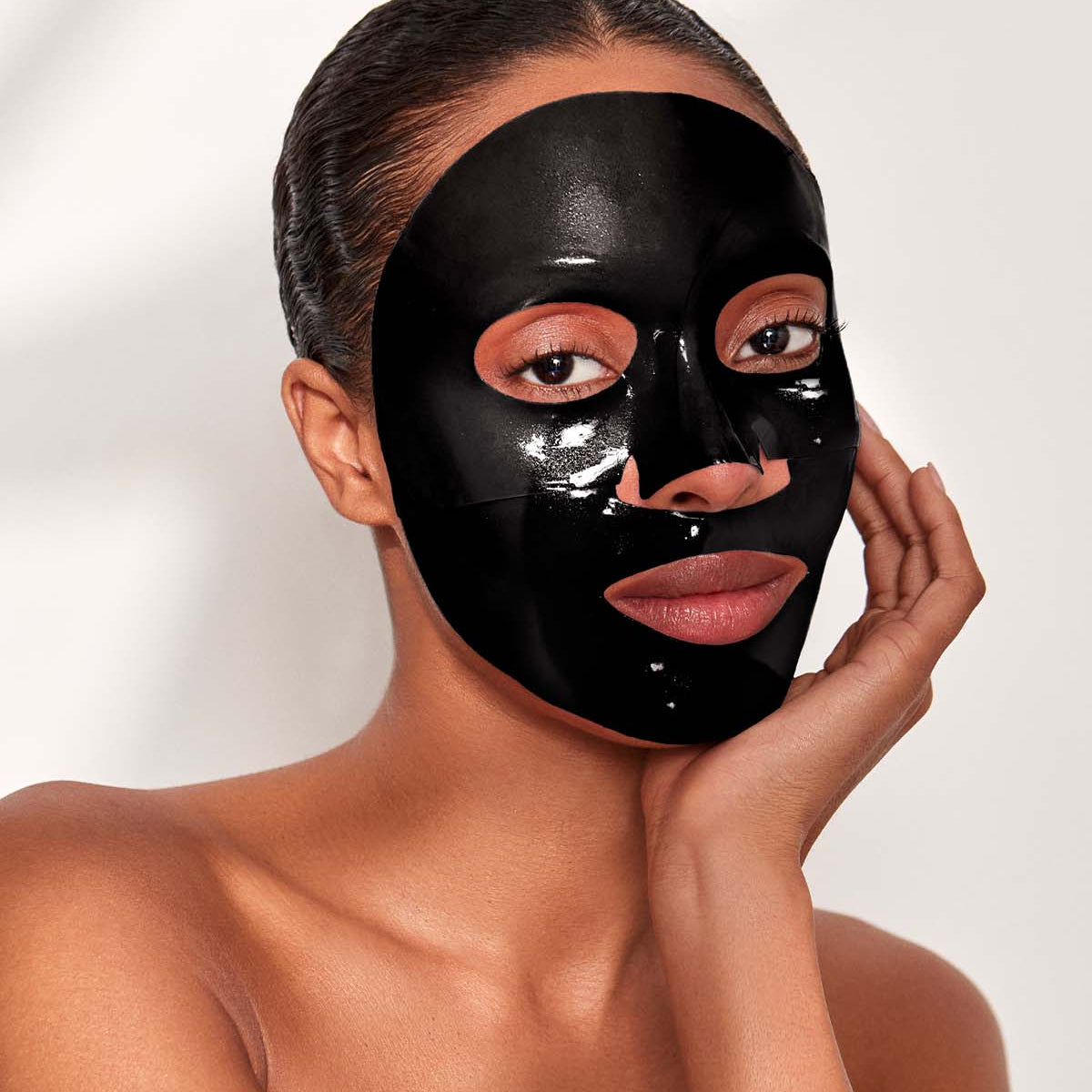
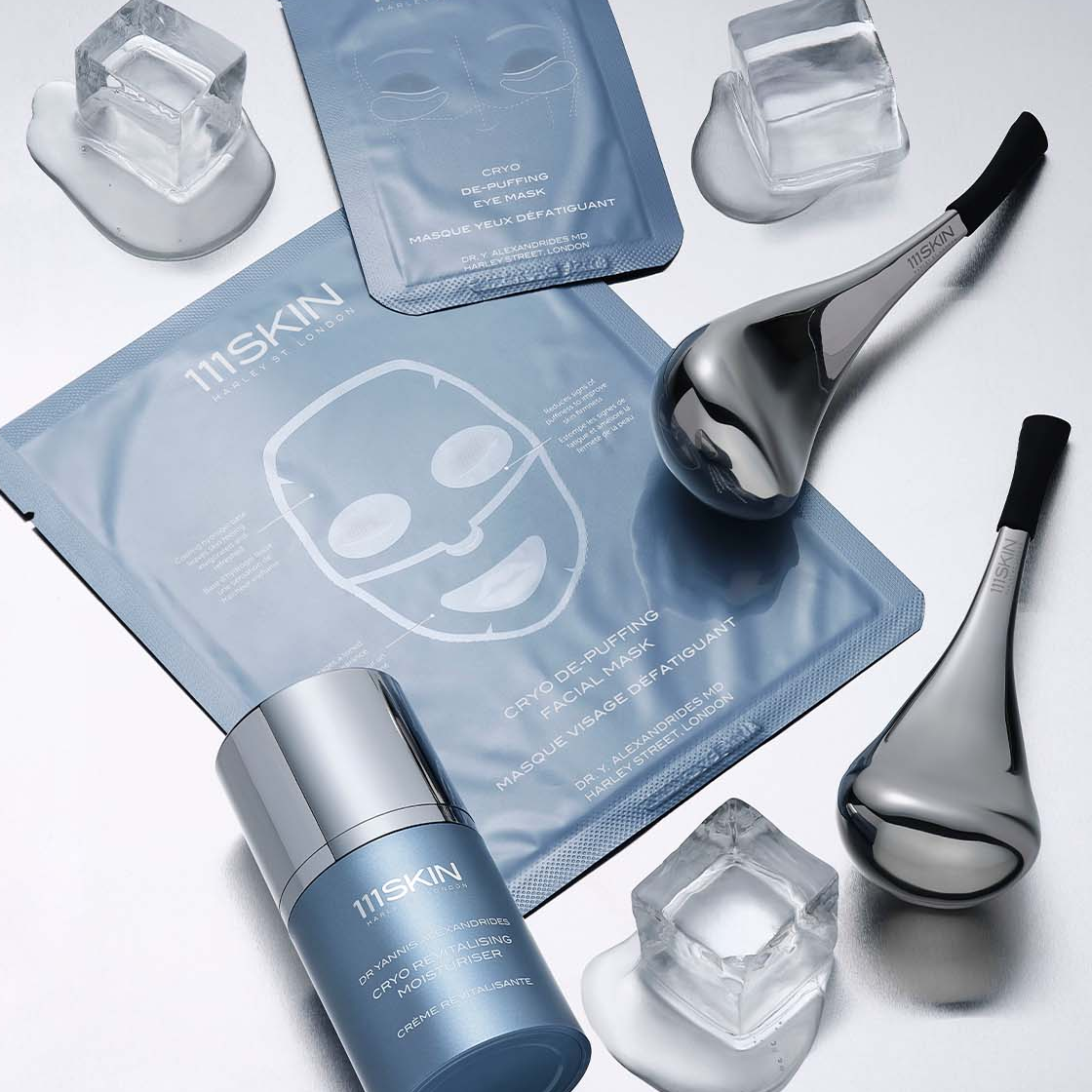
Cryo De-Puffing Facial Mask is a two-piece hydrogel mask for visibly puffy, tired-looking skin. It features Caffeine and peptides, making it a relevant full-face choice when de-puffing is the goal. Refrigeration before use is permitted for this mask, adding a chilled application experience.
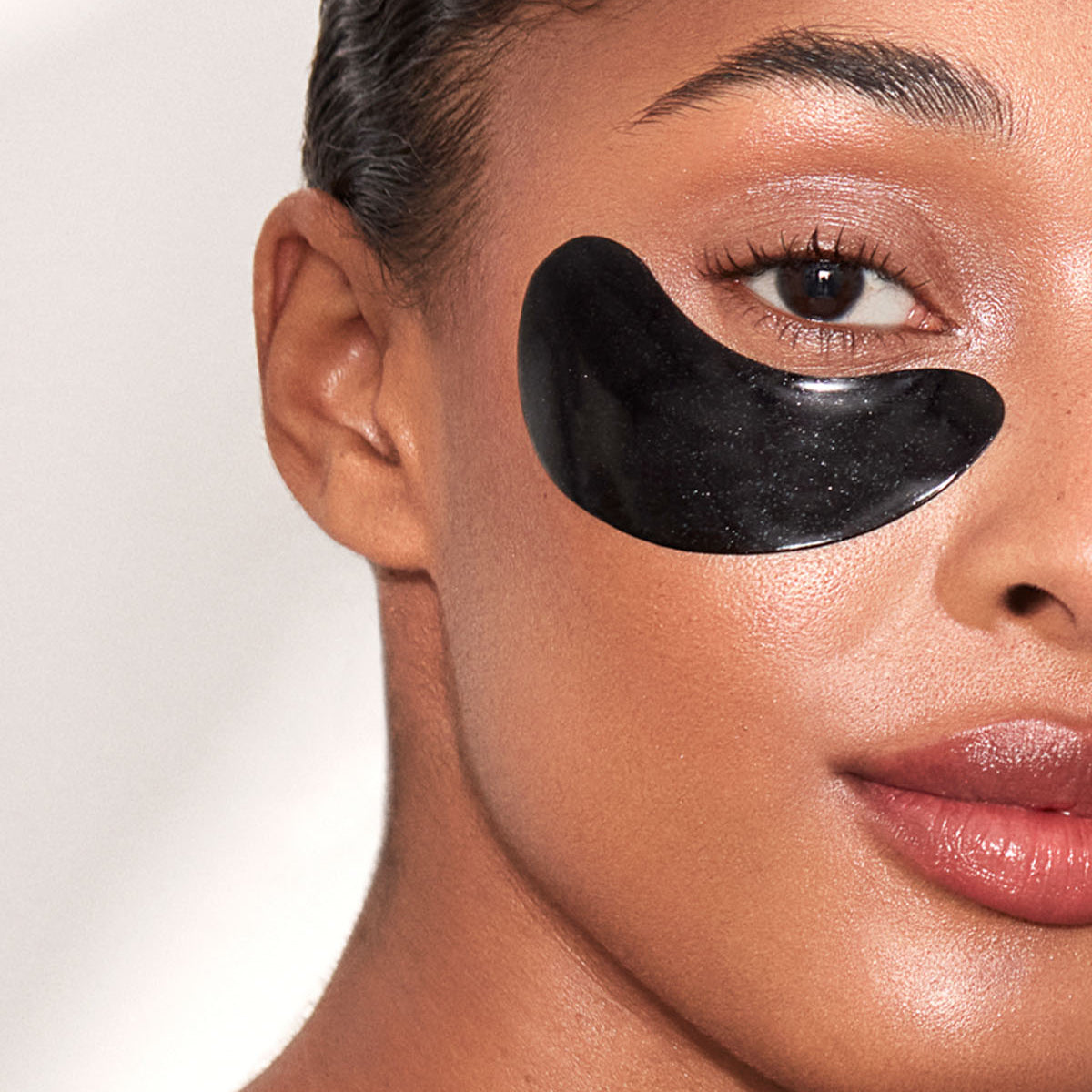
Cryo De-Puffing Eye Mask targets visible puffiness and tired eyes in a smaller hydrogel format. It features Seaweed Extract, Vitamin E and Peptide Complex, and may also be refrigerated before use. It received InStyle Best Eye Mask in the Best Beauty Buys Awards 2022.
Choose by where you see the concern:
- Full-face puffiness: the facial mask covers a broader treatment area.
- Tired-looking under-eyes: the eye mask concentrates the ritual beneath the eyes.
- Daily wrinkles, dark circles and puffiness: a leave-on eye product provides a regular care step between mask applications.
Chilling permission belongs to these particular masks. It should not be extended to every eye cream, gel or skincare product, and neither mask needs extreme cold to fulfil its cosmetic role.
Use each format correctly
Apply Cryo De-Puffing Facial Mask to clean, dry skin after cleansing, morning or evening. Wear it for 20 minutes, then remove it before applying subsequent leave-on skincare. Its hydrogel material and two-piece construction describe how it fits the face; it is not an overnight mask.
For Cryo De-Puffing Eye Mask, cleanse first, remove the protective films from both sides and place one mask beneath each eye. Wear for 20 minutes, remove, then gently pat in the remaining product. Use morning or evening.
Do not place the masks in a freezer or add direct ice to intensify the experience. If cooling is uncomfortable, remove the product. The aim is a refreshed appearance with comfortable skin, not the lowest possible temperature.
For home care, match the product to the concern and follow its application time. A de-puffing ritual does not need to imitate a clinic's machinery.
Build a routine that supports the refreshed finish
Cooling addresses only part of how skin looks and feels. Humectants attract water, emollients soften the surface, and moisture-loss-limiting ingredients help retain hydration. This explains why a de-puffing mask and a moisturising routine have complementary roles.
For an at-home morning ritual, keep the sequence clear:
- Cleanse. With dry hands, apply 2 to 3 pumps of Cleansing Oil to dry skin. Massage for 30 seconds, rinse with warm water and pat dry.
- Apply your chosen mask. Use the facial or under-eye mask as directed above, then remove it before continuing.
- Use daily eye care. Share half a pump of Eye Lift Gel NAC Y²™ between your ring fingers. Pat from the outer corner inwards, then move upwards and sweep over the brow bone back to the outer corner until absorbed. Avoid rubbing beneath the eyes.
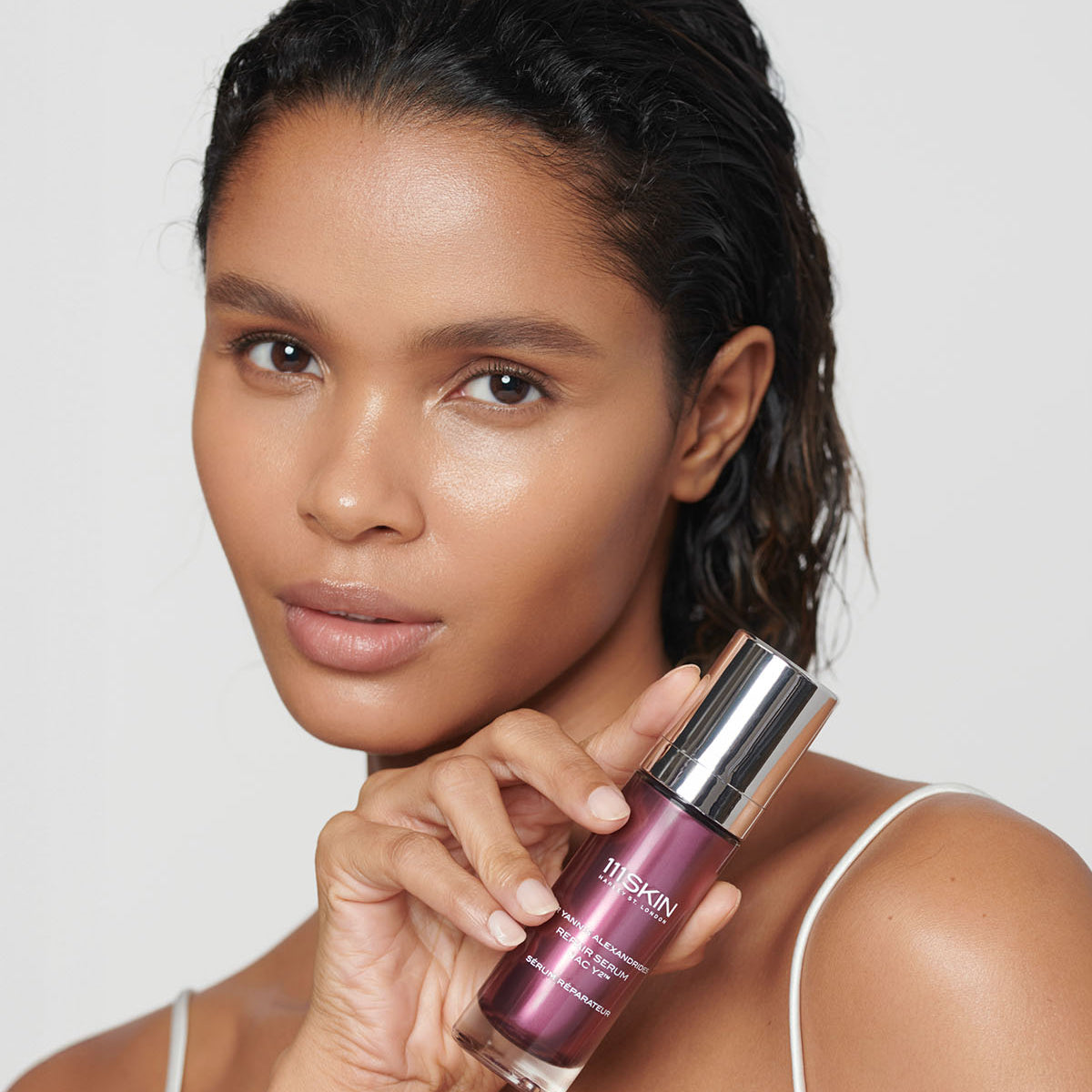
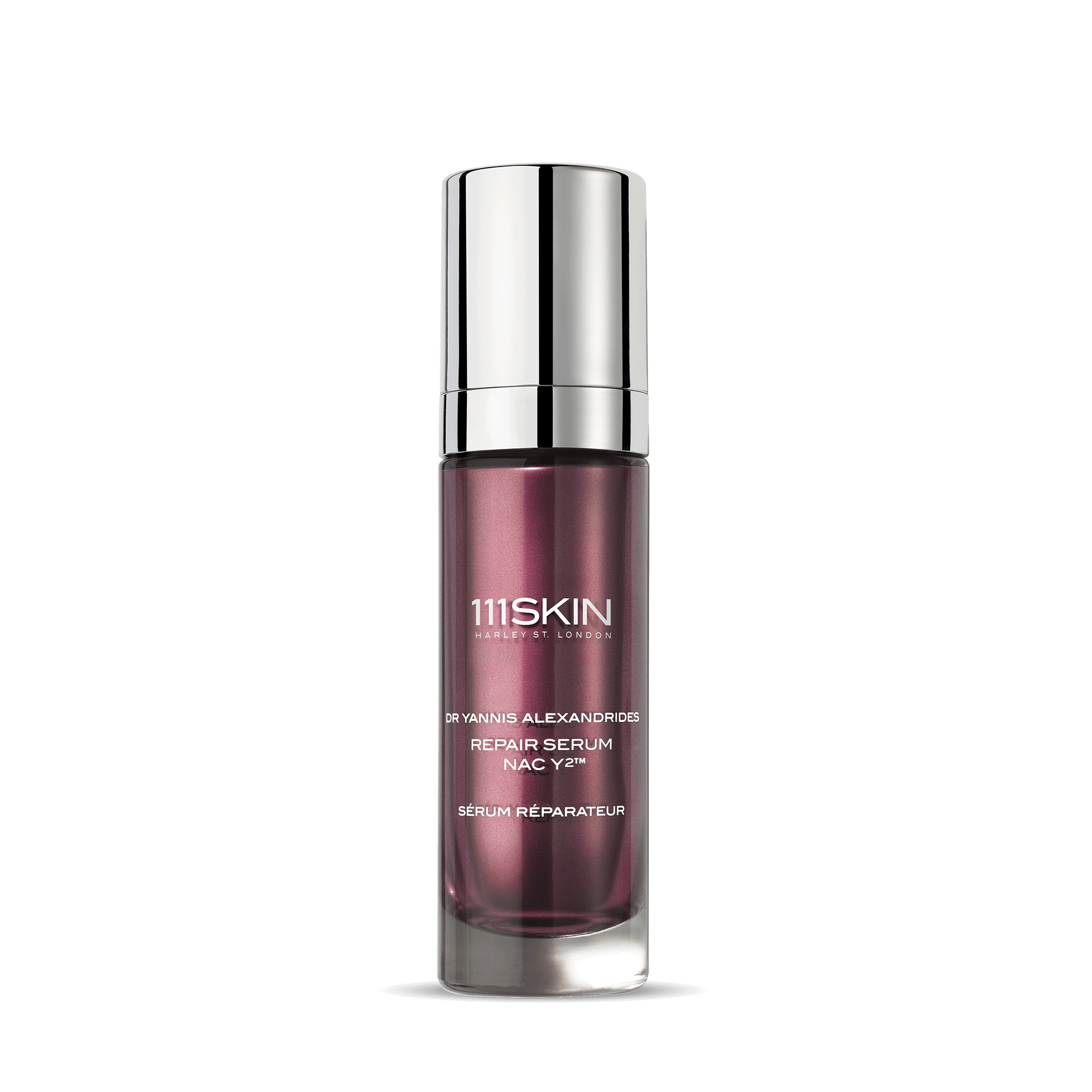
- Hydrate. Apply 1 to 2 pumps of Repair Serum NAC Y²™ to the face and neck. Its cooling, velvety texture provides hydration and smoother, plumper-looking skin.
- Moisturise. Apply a pea-sized amount of Repair Day Cream NAC Y²™ to the face, neck and décolletage after serum for nourishing hydration and skin-barrier support.
- Protect. Apply Repair Sunscreen SPF50+ generously and evenly after moisturiser, 15 to 20 minutes before sun exposure. Follow its exposure and reapplication instructions.
This is an at-home skincare sequence, not an automatic aftercare protocol for every professional cryofacial. After an appointment, follow the practitioner's procedure-specific guidance.
If uneven tone is the priority instead of puffiness, build that routine around Dark Spot Correcting Serum: apply 1 to 2 pumps evenly to the face and neck after cleansing, morning or evening, followed by moisturising care. Include daytime SPF. Consistent targeted care is more appropriate for dark spots than repeatedly seeking a temporary cold-induced glow.
Conclusion
A cryotherapy facial uses controlled cooling to offer a temporary cosmetic refresh, particularly for visible puffiness and tired-looking skin. Its value lies in a realistic short-term goal, careful screening and a practitioner who can explain the exact device and method. Lasting collagen rebuilding, permanent pore reduction and facial reshaping should not be assumed.
Start with the concern you actually want to address. For an at-home de-puffing ritual, explore Cryo De-Puffing Facial Mask or Cryo De-Puffing Eye Mask; for uncertainty about your everyday routine, the 111SKIN skincare quiz can help focus your product choices. If professional cooling still appeals, take that clearly defined goal into your consultation.
As with any skincare product, patch test before first use. If you are pregnant or breastfeeding, consult your doctor before using any skincare products.
FAQ
Is a cryotherapy facial the same as putting ice on your face?
No. A professional cryotherapy facial uses a device with a specific cooling protocol, while direct ice gives you much less control over exposure. Applying ice directly or holding it in place can injure skin, so it should not be used to imitate a professional treatment.
Does a cryotherapy facial permanently tighten skin?
A cryofacial may leave skin looking temporarily tighter or more refreshed. Strong evidence for lasting tightening or collagen rebuilding from cosmetic cryofacials remains limited. It does not permanently lift sagging skin or remove facial fat.
How often should you have a cryotherapy facial?
There is no universal schedule because devices, protocols and individual suitability differ. Ask the practitioner to explain the purpose and evidence behind any recommended course before committing. More frequent exposure does not automatically produce better or permanent results.
Can you refrigerate 111SKIN Cryo De-Puffing masks?
Yes, Cryo De-Puffing Facial Mask and Cryo De-Puffing Eye Mask may be refrigerated before use. Follow each mask's own application method and 20-minute wear time. This refrigeration option does not apply automatically to other masks, eye creams or gels.