


Table of Contents
- Introduction
- What a facial roller can realistically do
- Which type of facial roller is best?
- How to recognise a well-made facial roller
- How to use a facial roller comfortably
- Cleaning, cooling and keeping your roller in good condition
- Match the roller to the concern you actually see
- When a de-puffing mask is a useful alternative
- A compact skincare routine around facial massage
- Choose the tool for the ritual, and skincare for the concern
- FAQ
Introduction
For everyday facial massage, a smooth stainless-steel roller is a strong practical choice: it is durable, easy to inspect and straightforward to clean. Jade and rose quartz rollers also offer a comfortable massage experience when well made. The best facial roller should glide without dragging, feel manageable in your hand and come with clear care instructions.
A roller can help temporarily soften the appearance of puffiness and make your skincare ritual feel more relaxing. It will not permanently reshape your jawline or replace targeted skincare for wrinkles, dark spots or dehydration. Understanding that distinction helps you choose a tool for the benefit it can deliver, then build the right care around it.
What a facial roller can realistically do
Temporarily refresh puffy-looking skin
Gentle facial massage can temporarily reduce the appearance of mild puffiness. A cool roller can also feel refreshing, particularly when your face looks a little swollen on waking. The visible change is variable and should be understood as a short-term cosmetic effect.
Puffiness and facial structure are different concerns. When temporary swelling subsides, existing contours can look clearer, but the roller has not removed fat or changed bone structure. A tool described as "sculpting" should therefore be assessed for comfort and construction, not a promise of permanent contouring.
Persistent, painful or one-sided swelling needs medical advice. Increasing pressure or extending a massage is not an appropriate response to unexplained swelling.
Make massage comfortable and controlled
The rolling head moves across the skin, allowing a gentle massage without repeatedly repositioning your fingers. Some people find this easier to control than a flat massage stone, especially across the cheeks and forehead. A comfortable handle and freely moving head matter more here than decorative details.
The experience should feel soothing. You do not need to knead deeply, press until the skin reddens or create a strong pulling sensation to make the tool worthwhile. A roller that encourages a light, comfortable touch is a better purchase than one whose weight or shape makes pressure difficult to judge.
Massage can also make skincare application feel more considered. That sensory benefit has value in its own right, even when the visible change is subtle.
Recognise what rolling cannot replace
A roller does not supply water-attracting humectants, nourishing emollients or sun protection. It also does not establish that a serum will penetrate more deeply or work better. Spreading a product across the surface and increasing its biological delivery are different things.
Claims about "detoxing", permanently lifting facial muscles or erasing pigmentation go beyond what an ordinary smooth roller can reliably promise. Healthy skin does not need forceful massage to remove toxins.
Choose a roller for gentle massage and a temporarily refreshed appearance. Choose skincare for hydration, visible lines, uneven tone and daily protection.
Which type of facial roller is best?
Stainless steel: a practical everyday option
A well-made stainless-steel roller is a sensible starting point if you value durability and simple maintenance. Its smooth surface is easy to inspect for residue, and metal is less vulnerable to shattering than a stone head if accidentally dropped. The frame and moving parts still need careful handling.
Stainless steel often feels cool against the skin at room temperature. That sensation does not mean it needs to be frozen, nor does a colder tool automatically deliver a better result. Comfortable coolness is the aim.
Check the stated material carefully. A metallic finish does not necessarily mean the whole rolling head is stainless steel, and coatings can wear. If you have a known metal allergy, ask the manufacturer about the exact materials that will touch your skin.
Jade and rose quartz: choose workmanship over crystal claims
Jade and rose quartz rollers can both provide a smooth, pleasant massage. Their appeal includes their weight, appearance and cool initial touch. Neither stone needs to be credited with special healing energy to make it an enjoyable part of a routine.
There is no compelling reason to choose one crystal colour over another for wrinkles, dark spots or sensitive skin. Differences between individual tools, including surface finish and construction, are more useful buying criteria than broad claims about the stone.
Look closely at the head and its attachment to the handle. Chips, rough edges or a loose axle can compromise comfort. Natural variation in colour is a different issue from damage to the surface that contacts your face.
Ice rollers and powered tools: more features, different considerations
Ice rollers are designed around cooling, often with a larger head than a traditional dual-ended roller. They may suit someone who primarily enjoys a cool facial sensation, but temperature and storage instructions are specific to the device. Very cold contact can irritate or injure skin, so follow the manufacturer's directions and stop if the sensation becomes uncomfortable.
Powered massage tools introduce another set of variables. Vibration, electrical stimulation and LED features are distinct technologies, each requiring its own evidence, instructions and precautions. A device with several functions is not automatically more effective than a simple manual roller.
Microneedling rollers belong in a separate category altogether. Their needles puncture the skin, so they should not be selected or used as though they were smooth massage rollers. Do not apply a facial massage tutorial to a needling device.
| Your priority | A useful starting point | What to check |
|---|---|---|
| Simple everyday massage | Smooth manual stainless-steel roller | Manageable weight, clear material information and accessible cleaning |
| A traditional stone tool | Well-made jade or rose quartz roller | Unchipped surface, secure fittings and free rotation |
| A cooling sensation | Purpose-designed cooling roller | Temperature guidance, storage instructions and comfortable contact |
| Powered massage | A device with a clearly defined function | Device-specific evidence, contraindications and maintenance |
| Shine reduction | A dedicated oil-absorbing tool | This serves a different purpose from a massage roller |
An oil-absorbing roller should not be judged by massage claims. Its purpose is to pick up surface oil, while a smooth facial roller is intended to move across the skin. Decide which task you actually want the tool to perform before comparing products.
How to recognise a well-made facial roller
Prioritise contact, control and cleaning
The best facial roller is one you can use gently and maintain properly. A beautiful stone or substantial handle is of little benefit if the head catches, pinches or is awkward to clean.
Before buying, look for:
- A smooth, intact contact surface: no visible chips, sharp seams, peeling coatings or rough patches.
- A freely rotating head: it should roll without persistent sticking or scraping against its frame.
- A comfortable handle: you should be able to hold it securely without gripping hard.
- Clear material information: particularly important for coatings, stone authenticity and known allergies.
- Specific care instructions: including whether the head detaches and which parts can get wet.
- A useful returns policy: construction faults may only become apparent once you handle the tool.
Dual-ended rollers offer a larger head for broad areas and a smaller head for more precise contact. The smaller end is not permission to roll directly over the eyelids or close to the eye itself. Check the manufacturer's stated application areas.
Weight deserves attention too. A heavy tool may feel substantial, but it can also make it harder to maintain light contact. Comfort and control are better indicators of suitability than weight alone.
Spend on construction, not stronger promises
A higher price can reflect materials, engineering, design or presentation. It does not establish that a roller will produce a more lasting lift. Pay particular attention when a simple manual tool is marketed with claims about collagen production, deep drainage or permanent facial remodelling.
Useful product demonstrations show the grip, the movement of the head and realistic contact with the skin. Be cautious about before-and-after images taken in different lighting or with different facial expressions. Those differences can alter the apparent definition of the jaw and cheeks.
111SKIN was founded by plastic and reconstructive surgeon Dr Yannis Alexandrides and Eva Alexandridis, drawing on his practice at 111 Harley St. in London. That clinical inspiration encourages a clear distinction between an enjoyable at-home ritual and a treatment designed for a specific cosmetic concern. With a roller, the soundest investment is a comfortable, hygienic tool paired with realistic expectations.
How to use a facial roller comfortably
Prepare the skin and follow your tool's instructions
There is no single sequence that applies to every roller. Head shape, material and powered features can change the method, so use the instructions supplied with your exact tool. For an ordinary smooth manual roller, the central principles are clean contact, comfortable glide and light pressure.
A practical preparation sequence is:
- Wash your hands and inspect the roller. Check that the surface is intact and the head moves freely.
- Cleanse your face. Remove make-up and surface impurities before massage.
- Check the tool's product guidance. If it is intended for use with skincare, use a compatible product as directed, without changing that product's own application method.
- Use light contact in the stated areas. The head should roll smoothly without catching or pulling the skin.
- Finish and clean the tool. Follow the manufacturer's cleaning method and allow it to dry before storage.
Do not assume every serum, facial oil or mask is designed to be used with a roller. Some products absorb quickly and provide little glide; others have a specific application method that should remain unchanged. A treatment with an oil texture is not automatically a massage medium.
Rolling over sunscreen can disturb its even film. Keep any massage before sun protection, then apply sunscreen according to its own directions.
Let comfort determine when to stop
More pressure and more passes do not guarantee a better result. If the skin pulls noticeably, the tool catches or you feel stinging, stop and reassess. You should not need to endure discomfort to achieve a refreshed appearance.
Follow the device's stated duration and frequency instead of building an increasingly long routine. There is no universal number of strokes that makes every roller effective, and daily use is not necessary for everyone. If your skin feels comfortable and looks settled afterwards, that is more useful feedback than completing an arbitrary count.
Avoid rolling across broken skin, inflamed blemishes or an active irritation flare. If you have recently had injectables, surgery, a peel or another professional procedure, ask your treating clinician when massage is appropriate. Aftercare varies by procedure and treatment area.
A good rolling session leaves the skin comfortable. Dragging, pain and persistent redness are reasons to stop, not signs that the massage is working harder.
Cleaning, cooling and keeping your roller in good condition
A roller repeatedly touches both skin and skincare residue, so cleaning is part of using it correctly. Follow the manufacturer's method after use, paying attention to the ends of the rolling head and the areas around the axle. These can be harder to reach than the broad contact surface.
Do not assume an entire tool can be submerged. Water may be unsuitable for some handles, adhesives, bearings or powered components. Equally, alcohol and strong disinfectants are not universally compatible with every stone, coating or finish.
Let the tool dry as directed before storing it somewhere clean. Keep it for personal use, and inspect it regularly for cracks, corrosion, loosened fittings or peeling surfaces. Replace a damaged contact head or tool instead of trying to work around the defect.
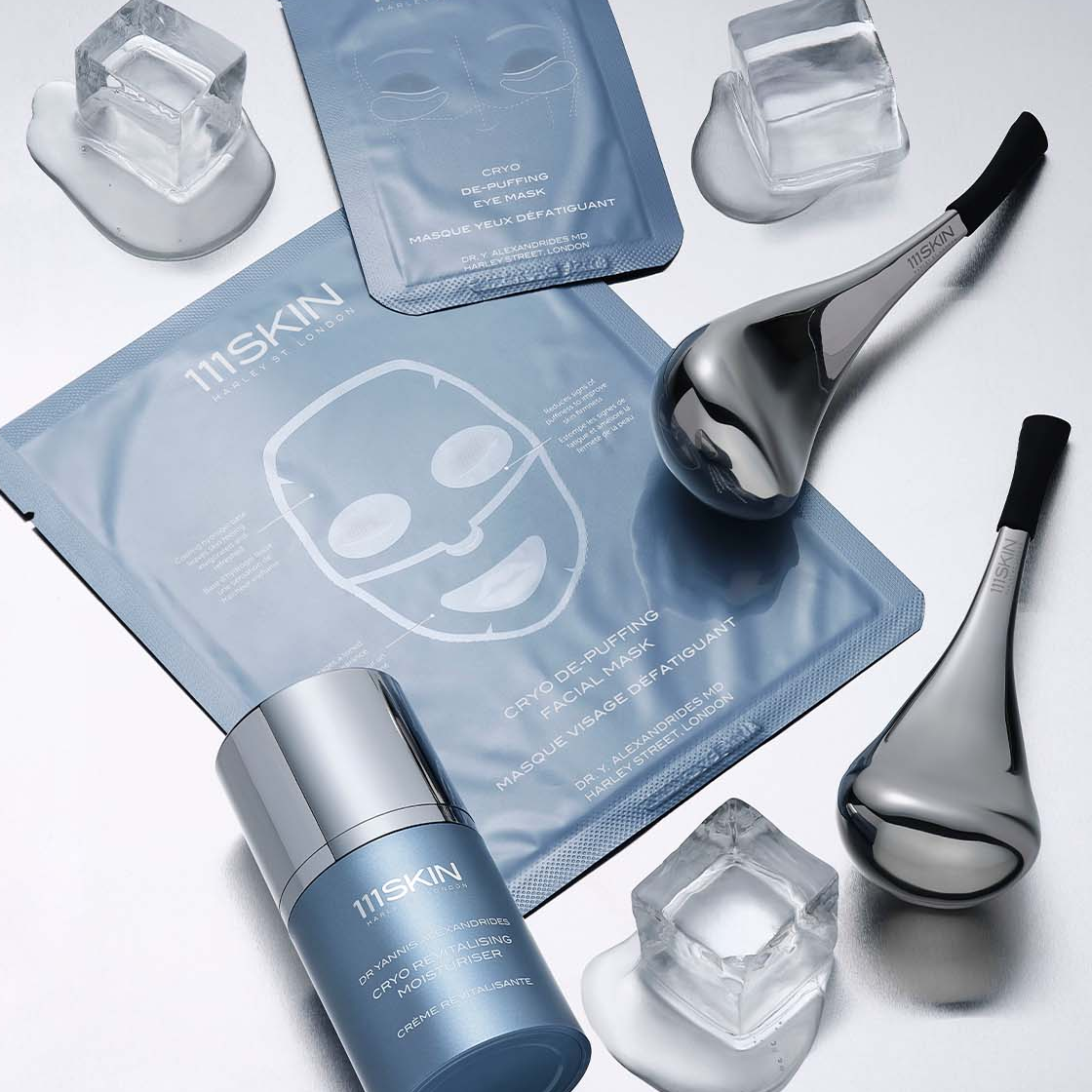
Cooling also needs a product-specific approach. Only refrigerate or freeze a roller when its manufacturer permits it, and follow the stated temperature guidance. A room-temperature tool can still provide a useful massage experience; extreme cold is not a measure of quality.
If cooling makes your skin sting, ache or become unusually pale, stop. People whose skin reacts poorly to cold should avoid deliberately chilled tools and seek advice where needed.
Match the roller to the concern you actually see
Puffiness, dark circles and lines need different decisions
A temporary change in puffiness may make the eye area look more rested, but it does not address every cause of dark circles. Shadows can relate to pigmentation, visible vessels or the contours beneath the eyes. Rolling more firmly will not resolve those differences.
For daily care addressing overlapping eye concerns, Eye Lift Gel NAC Y²™ offers a lightweight hydrating texture and targets visible wrinkles, dark circles and puffiness, with a lifted-looking finish. It contains NAC Y²™, Argireline and Caffeine. In 111SKIN's reported clinical trial of 30 participants using Primos CR, it delivered a 35% wrinkle reduction after two weeks.
Use it morning and evening before serum. Share half a pump between the ring fingers, pat from the outer corner inwards, then move upwards and sweep over the brow bone back to the outer corner until absorbed. Avoid rubbing beneath the eyes; its application is a gentle finger technique, not a roller protocol.
Dehydration and uneven tone need targeted skincare
If the face looks less smooth because it feels dry or tight, a roller alone will not replenish hydration. Humectants attract water, emollients soften the skin, and moisture-loss-limiting ingredients help retain hydration. A well-chosen serum and moisturiser address these needs directly.
Similarly, a temporary post-massage glow is different from improving uneven pigmentation. Dark Spot Correcting Serum targets visible dark spots and uneven tone with 2% Tranexamic Acid, 5% seven Swiss Alpine plant extracts and 1% Gluconolactone. In 111SKIN's reported clinical trial of 32 participants, hyperpigmentation reduced by 36% after 56 days.
Apply 1 to 2 pumps evenly to the face and neck after cleansing, morning or evening, followed by moisturising care, and include daytime SPF. Select targeted care for the concern that remains after temporary puffiness has settled; that is often more informative than judging your skin immediately after massage.
When a de-puffing mask is a useful alternative
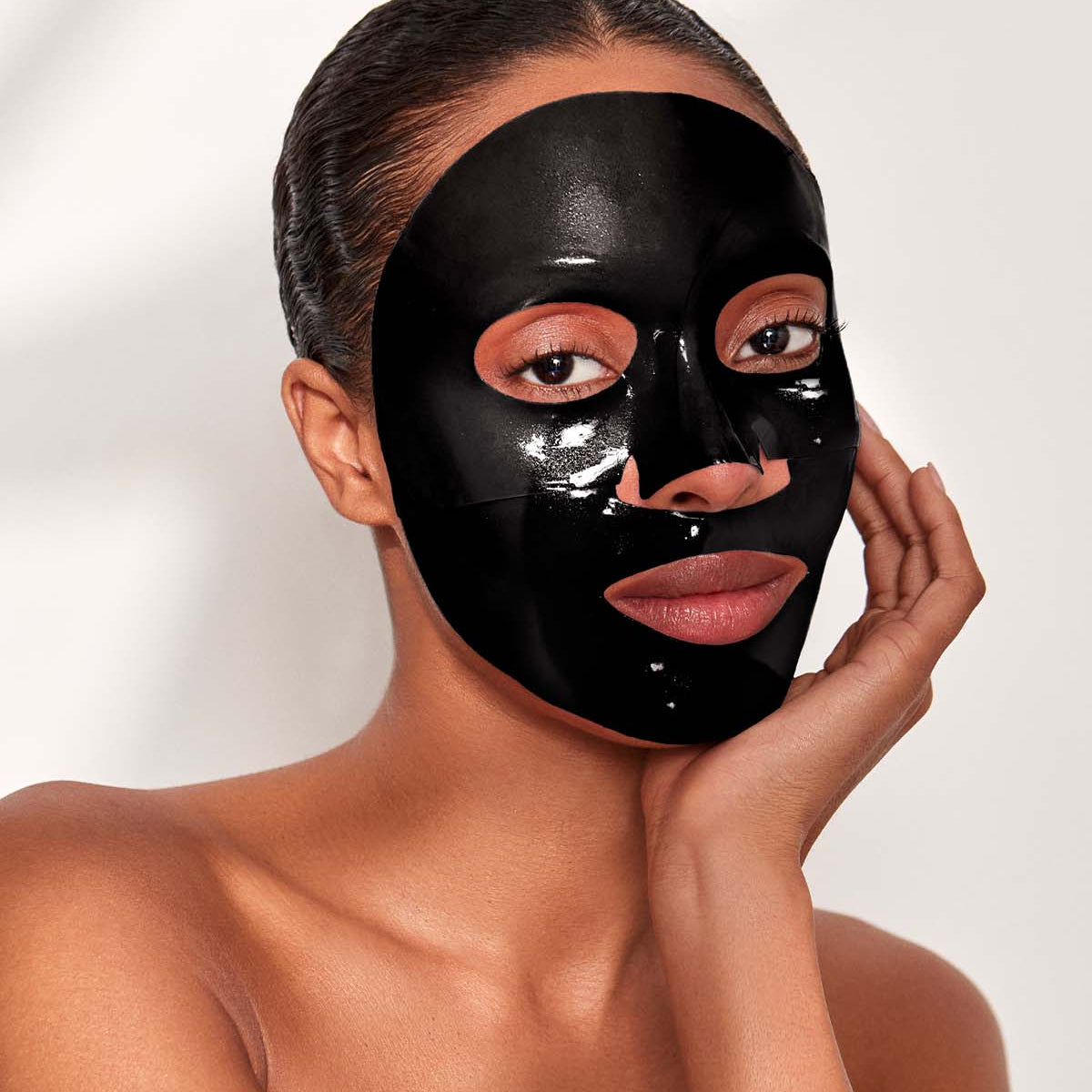
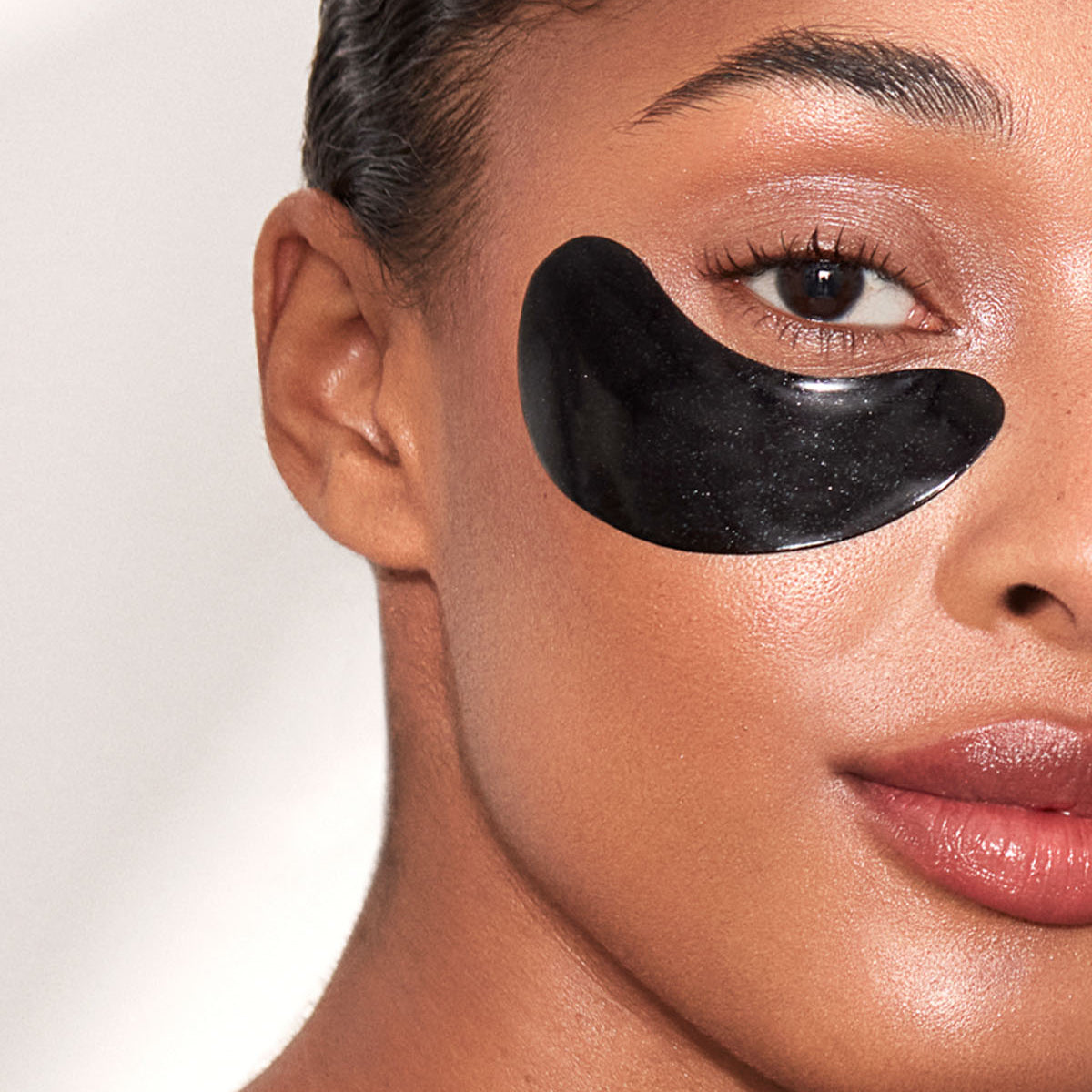
If your main aim is to refresh visibly puffy, tired-looking skin without learning a massage technique, Cryo De-Puffing Facial Mask offers a different format. This two-piece hydrogel mask features Caffeine and peptides and addresses the appearance of facial puffiness. Refrigeration before use is permitted for this mask.
Apply it to clean, dry skin after cleansing, morning or evening. Wear it for 20 minutes, remove it, then continue with leave-on skincare. Its two-piece construction describes the facial fit; it is not an overnight treatment.
The choice here is practical. A roller gives you a reusable massage tool that requires cleaning and controlled movement, while the mask provides a defined 20-minute treatment. Keep each method distinct instead of assuming that rolling over a mask will improve its performance.
A compact skincare routine around facial massage
Skincare should retain its own purpose and application order. A roller can sit within a routine when its instructions allow, but it should not turn every product into a massage product or add unnecessary layers.
For a straightforward hydrating morning routine:
- Cleanse with Cleansing Oil. With dry hands, apply 2 to 3 pumps to dry skin, massage for 30 seconds, rinse with warm water and pat dry. Use it alone or as the first step in a double cleanse.
- Complete any appropriate facial massage. Follow your roller's preparation and product instructions, keeping the session before sunscreen.
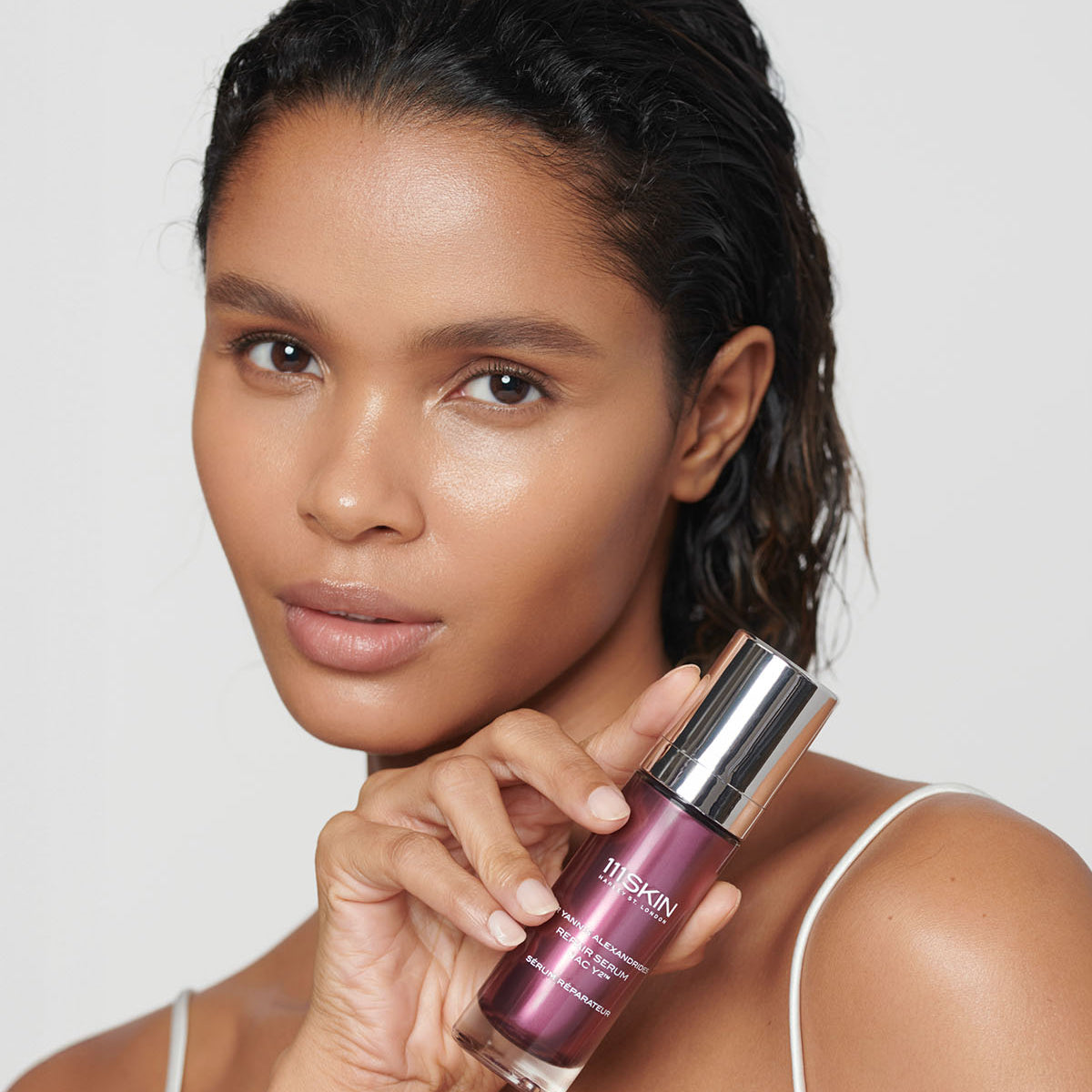
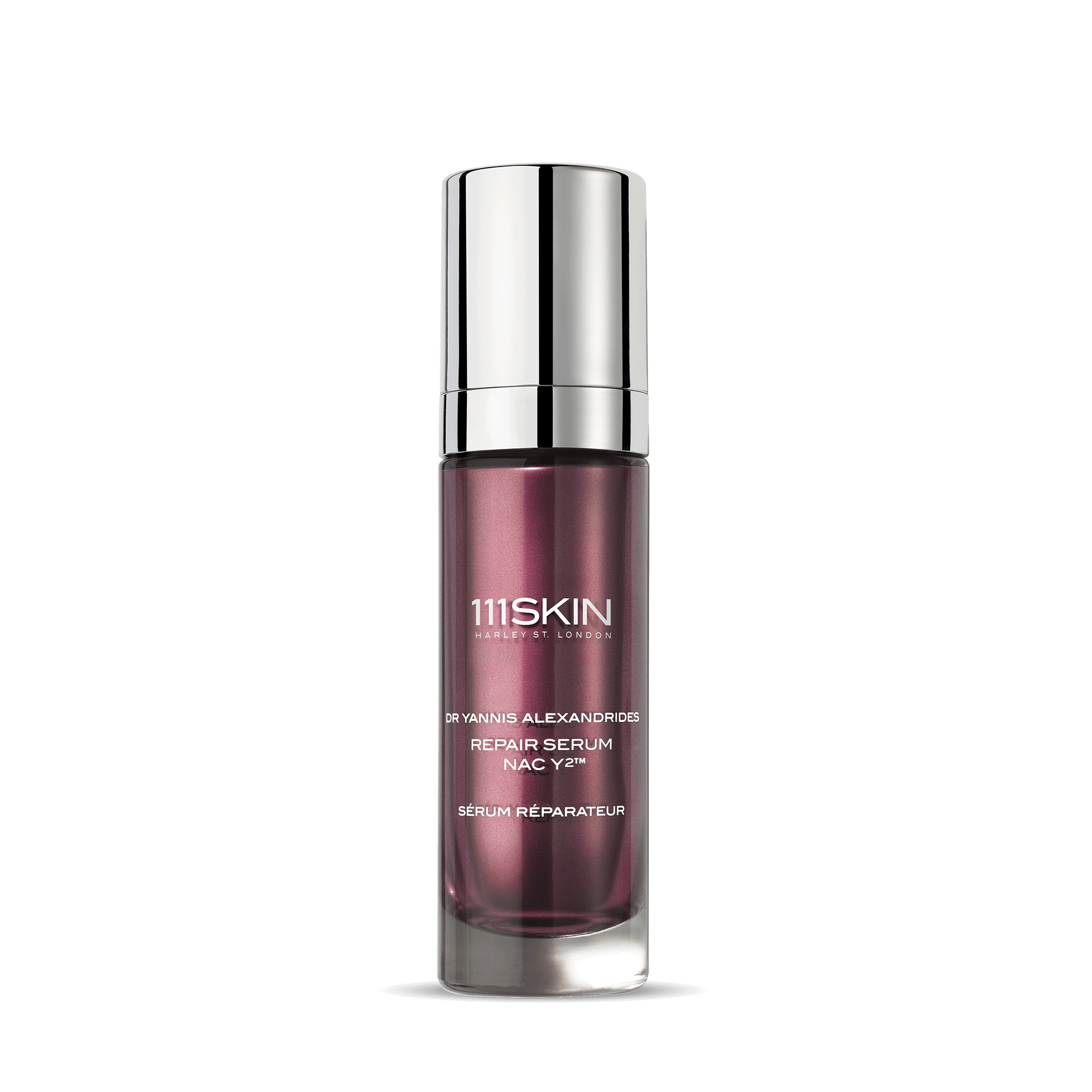
- Apply Repair Serum NAC Y²™. Use 1 to 2 pumps over the face and neck before moisturiser. Its cooling, velvety texture delivers hydration and smoother, plumper-looking skin while addressing visible redness and early signs of ageing.
- Moisturise with Repair Day Cream NAC Y²™. Apply a pea-sized amount to the face, neck and décolletage after serum for nourishing hydration and skin-barrier support.
- Finish with Repair Sunscreen SPF50+. Apply generously and evenly after moisturiser, 15 to 20 minutes before sun exposure, and follow its exposure and reapplication instructions.
If Eye Lift Gel NAC Y²™ is part of your routine, apply it before serum using the method above. When uneven tone is the priority, select Dark Spot Correcting Serum as your targeted serum step. Neither serum needs to be rolled into the skin to deliver its intended cosmetic benefits.
Choose the tool for the ritual, and skincare for the concern
For most shoppers seeking a simple facial roller, smooth stainless steel is a practical first choice, while a well-constructed stone roller remains a comfortable alternative. Prioritise an intact surface, free movement, manageable weight and clear cleaning instructions over crystal claims or promises of permanent sculpting.
Then identify what you want to improve beyond temporary puffiness. Hydration, visible eye concerns and uneven tone each benefit from focused care. Explore the relevant 111SKIN treatment or use the skincare quiz to refine that choice, keeping facial massage as a gentle addition to a routine with a clear purpose.
As with any skincare product, patch test before first use. If you are pregnant or breastfeeding, consult your doctor before using any skincare products.
FAQ
Is jade or stainless steel the best facial roller?
Stainless steel is a practical choice for durability and straightforward cleaning, while jade can offer a pleasant stone massage experience. Neither material guarantees better wrinkle reduction or permanent lifting. Prioritise surface quality, secure construction and comfort in your hand.
Can a facial roller make your jawline more defined?
A roller may temporarily soften the appearance of mild puffiness, making existing contours look clearer. It does not remove facial fat, change bone structure or permanently lift the jawline. Stronger pressure will not create a more lasting result.
Should you use a facial roller every day?
Follow the frequency recommended for your exact tool and pay attention to skin comfort. Daily rolling is not necessary for everyone, and longer sessions are not inherently better. Stop if you experience irritation, pain or persistent redness.
Should you put your facial roller in the fridge?
Only refrigerate a roller if its manufacturer permits it and supplies suitable storage guidance. Do not assume that freezing is safe or that colder contact gives better results. A smooth roller used at room temperature can still provide a comfortable massage.