


Table of Contents
- Introduction
- What can a gua sha device actually do?
- How to choose a gua sha device
- How to use a manual facial gua sha tool
- Avoiding irritation and keeping the tool clean
- Where gua sha fits into a 111SKIN routine
- When a mask is the more useful choice
- Choosing your next step
- FAQ
Introduction
A gua sha device can make facial massage easier and help temporarily soften the appearance of puffiness. For most beginners, the best choice is a simple manual tool with smooth edges, a comfortable grip and curves that sit easily against the face. Technique matters more than the colour of the stone or the number of electronic settings.
Used with light pressure and enough product for glide, facial gua sha offers a relaxing skincare ritual and a refreshed-looking finish. It does not permanently reshape the jaw or remove facial fat. Understanding that distinction helps you choose a tool for what it can realistically offer, then combine it with skincare that addresses hydration, visible lines or uneven tone.
What can a gua sha device actually do?
A refreshed appearance and temporary de-puffing
Gua sha has roots in traditional Chinese medicine. Contemporary cosmetic facial massage uses a much gentler approach than traditional body scraping techniques, which can deliberately produce visible marks. Marks and bruising are not the aim of an at-home facial routine.
Gentle massage may temporarily reduce the appearance of mild puffiness. When that puffiness settles, the cheekbones or jawline can look more defined, but this reflects a change in appearance, not a change to the underlying facial structure.
Results vary with the reason for the puffiness and the condition of the skin. A face that looks slightly puffy on waking is a different concern from persistent swelling, which should not be managed by pressing harder with a tool.
Treat descriptions such as "sculpting" as cosmetic language. A temporarily more rested-looking face is a reasonable expectation; permanent contouring is not.
Comfort, radiance and the role of skincare
The slow, repetitive movements of facial massage can feel relaxing, particularly around areas where you notice habitual tension. This sensory benefit is a valid reason to enjoy the ritual, even when visible changes are subtle. Persistent jaw pain or headaches, however, call for professional advice rather than more intensive massage.
Skin can also look more luminous after the combination of massage and moisturising care. The product used for glide contributes to that finish: emollients soften the skin surface, while humectants attract water and support hydration.
This distinction matters when assessing results. A smoother-looking surface after applying a nourishing cream does not establish that the tool has stimulated collagen or changed skin elasticity. Facial gua sha should sit alongside a consistent routine for fine lines and hydration, with each step serving a clear purpose.
What it cannot promise
There is not strong evidence that an at-home gua sha device permanently lifts sagging skin, eliminates wrinkles or reduces facial fat. Claims that a particular crystal "detoxifies" the face or that stronger scraping creates better results should not guide your purchase.
The lymphatic system is involved in normal fluid balance, but cosmetic facial massage is not a detoxification treatment. Nor does a short massage correct dark spots, replace sun protection or reproduce an in-clinic procedure.
Choose gua sha for gentle massage, a relaxing ritual and possible temporary de-puffing. Choose targeted skincare for concerns such as dehydration, uneven tone and visible lines.
How to choose a gua sha device
Stone or stainless steel?
Jade and rose quartz are familiar options, but the practical quality of the tool matters more than claims about the stone's energy. Look for an evenly polished surface without chips, cracks or rough edges. Natural variations in colour are less important than how comfortably the tool moves across the skin.
Stone tools can break if dropped, particularly onto a bathroom floor or basin. A storage pouch or protective case is therefore useful, especially if you travel with your skincare.
Stainless steel is durable and generally straightforward to clean. Its weight can feel reassuring in the hand, although a heavier tool still needs very light pressure on the face. Anyone with a known metal allergy should check the stated material composition before buying.
Neither material is automatically better for every skin type. Stainless steel should not be assumed to prevent breakouts or disinfect itself, and a stone tool is not inherently more effective because it is natural. Hygiene, surface quality and gentle handling matter with both.
Shape, size and grip
A broad curved edge can sit comfortably against the cheek or forehead, while a shallow notch may fit around the jawline. More complicated shapes offer additional contact points, but they also require you to understand what each edge is designed to do.
For a first purchase, prioritise control. A tool that fits securely between your fingers is more useful than one with numerous sculpting edges that feel awkward once your hands are slippery.
Before buying, consider:
- The contact surface: It should be smooth and rounded, with no sharp seams or damaged edges.
- The grip: You should be able to hold the tool securely without clenching your hand.
- The proportions: A facial tool should be manageable around the contours you intend to massage.
- The care instructions: Cleaning and storage should be clear and practical.
- The seller's information: Material, intended use and safety guidance should be easy to understand.
Photographs alone cannot tell you how comfortable a tool will feel. Clear dimensions, close-up images and a useful returns policy can help you assess the purchase without relying on dramatic before-and-after photographs.
Is an electric gua sha device worth it?
Some devices combine a curved massage surface with vibration, heat, LED light or electrical stimulation. These are separate technologies, not simply stronger versions of a manual stone. Each brings its own operating instructions, skincare requirements and precautions.
Do not assume that adding red light or vibration establishes a lifting benefit. Meaningful claims need evidence for the exact device, including how it was used. A description of LED technology in general does not tell you what a particular handheld device will achieve.
Check whether the device requires a specific conductive product, whether it can be used near the eyes, and how its treatment head must be cleaned. For powered devices, the manufacturer's contraindications and operating method take priority over a generic facial massage tutorial.
A manual tool is a sensible starting point if your main aim is gentle massage. An electronic model earns its place when you understand its additional function and are comfortable following the complete protocol, not simply because it has more settings.
How to use a manual facial gua sha tool
Prepare for glide, not friction
Start with clean hands, a clean tool and freshly cleansed skin. Apply a moisturiser or facial massage medium suitable for your skin, following its directions. The surface should allow the tool to slide without catching.
An oil is not essential. Some creams provide enough slip, while some fast-absorbing serums do not. Judge the movement on the skin instead of assuming that every product labelled "serum" or "oil" will work equally well.
Keep active treatments separate from your choice of massage medium. An exfoliating product or retinoid treatment is not automatically suitable for prolonged massage simply because it feels slippery. With an electric device, use only the type of product specified by its manufacturer.
If your skin feels tender, hot, irritated or unusually reactive before you begin, leave the tool aside. Massage should start on comfortable, intact skin.
Use a light, controlled technique
For a simple manual facial tool, keep the broad surface close to the skin instead of standing the edge upright. This spreads the contact and makes it easier to glide gently. Your face should not bunch up or visibly drag behind the tool.
Use the following sequence as a gentle facial starting point, alongside the tool's own instructions:
- Check the glide on the cheek. Make a slow, light stroke with the tool held nearly flat. If it catches, adjust the angle or restore slip before continuing.
- Move along the jaw. Glide from the chin towards the ear, keeping the pressure light and the movement comfortable. A notch should rest around the contour, not clamp it.
- Move across the cheeks. Sweep gently outwards towards the side of the face, avoiding inflamed spots and the delicate skin immediately beneath the eyes.
- Work across the forehead. Use a broad edge for slow outward strokes, without pressing into the temples or pulling at the brows.
- Finish when the skin feels comfortable. A few controlled passes are enough to begin. Clean the tool according to its care instructions and complete your skincare.
There is no need to chase a particular number of strokes or keep working until the skin becomes red. A short session with consistent control is preferable to a long one that gradually becomes firmer.
This basic routine stays on the face. Neck techniques, pressure-point work and under-eye massage require more specific guidance than a general beginner sequence.
Know when to stop
A good session feels smooth and comfortable. Pain, stinging, bruising, broken capillaries or lingering redness are reasons to stop, not signs that the treatment is working.
If the product begins to absorb and the tool starts dragging, pause. Restore glide with a suitable product if its directions allow, or end the massage. Do not compensate by pushing harder.
You also do not need to massage every day. Begin with brief, occasional sessions and observe how your skin responds before deciding whether you enjoy using the tool more regularly. There is no universal course or frequency that suits every face.
The useful checkpoint is how the tool moves: it should glide over the skin with light pressure, without pulling, scratching or leaving marks.
Avoiding irritation and keeping the tool clean
When to skip facial massage
Avoid passing a tool over broken skin, active inflamed breakouts, sunburn or an area experiencing an eczema or rosacea flare. Even a smooth edge adds friction, which can aggravate skin that is already uncomfortable.
A different tool material does not remove that concern. Buying stainless steel does not make it appropriate to scrape over inflamed acne, and using a cooling stone does not turn massage into treatment for redness.
If you bruise easily, take blood-thinning medication or have a condition affecting bleeding, ask your clinician before starting. After cosmetic injections, surgery or another facial procedure, follow the treating practitioner's advice about when massage can resume.
New, painful, persistent or one-sided facial swelling needs medical attention. Do not try to "drain" unexplained swelling with repeated strokes.
Cleaning and storage
Clean the tool after each use so that skincare residue does not accumulate on its surface. For many simple manual tools, mild soap and water are appropriate, but follow the stated care instructions for the material and finish. Rinse and dry thoroughly where washing is permitted.
Powered devices need a different approach. Do not immerse an electronic gua sha device unless its manufacturer explicitly identifies it as suitable for immersion.
Check the contact edge before every session, particularly after dropping a stone tool. A small chip can create a rough surface even when the rest of the tool looks intact. Replace a damaged tool instead of trying to massage around the defect.
Store it somewhere clean and protected, and avoid sharing it. Room-temperature use is a straightforward starting point; there is no need to add heating or refrigeration to make a basic facial massage effective.
Where gua sha fits into a 111SKIN routine
111SKIN was founded by plastic and reconstructive surgeon Dr Yannis Alexandrides and Eva Alexandridis, drawing on Dr Yannis' practice at 111 Harley St. in London. That clinical inspiration makes a useful distinction here: an enjoyable at-home massage ritual and targeted skincare have complementary, but different, roles.
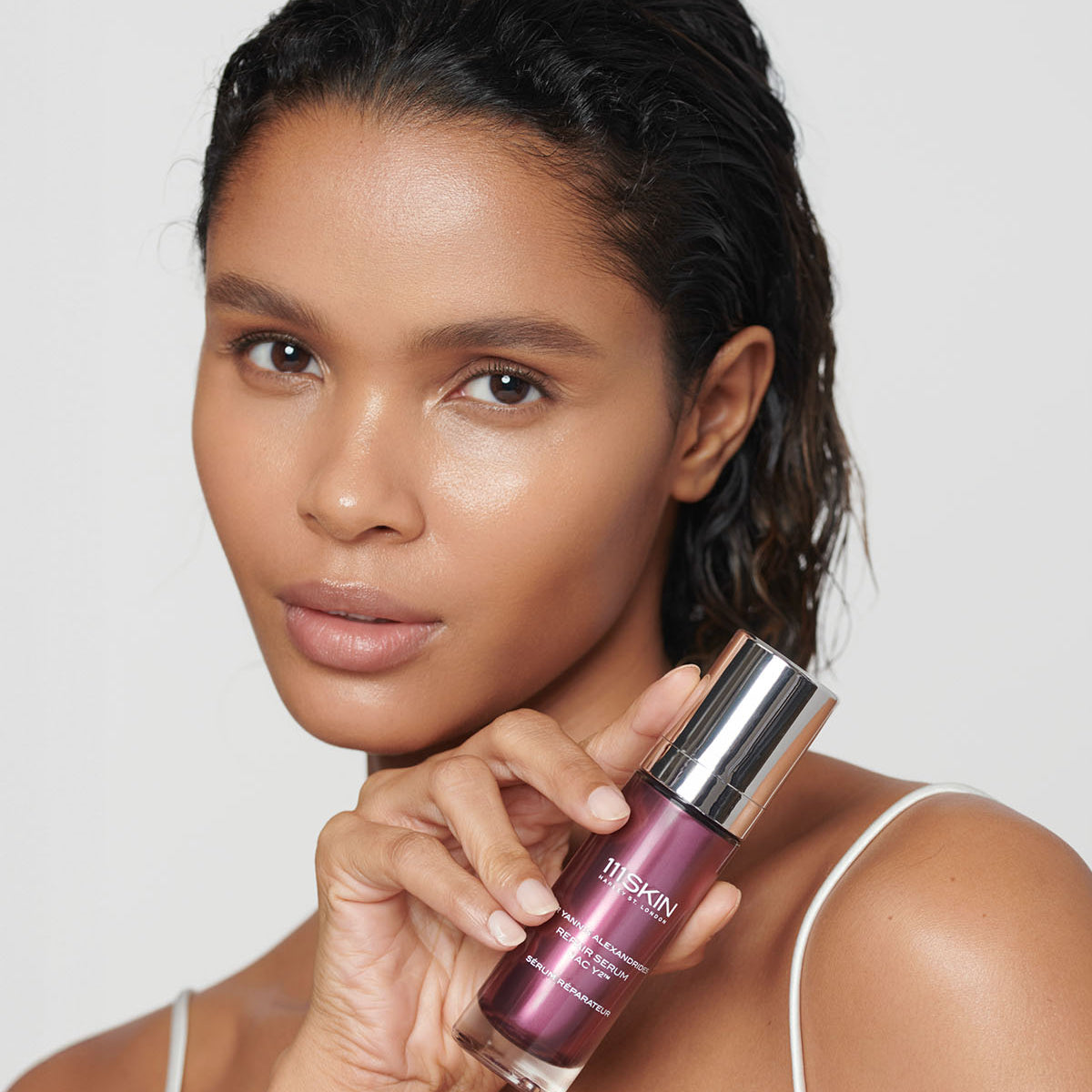
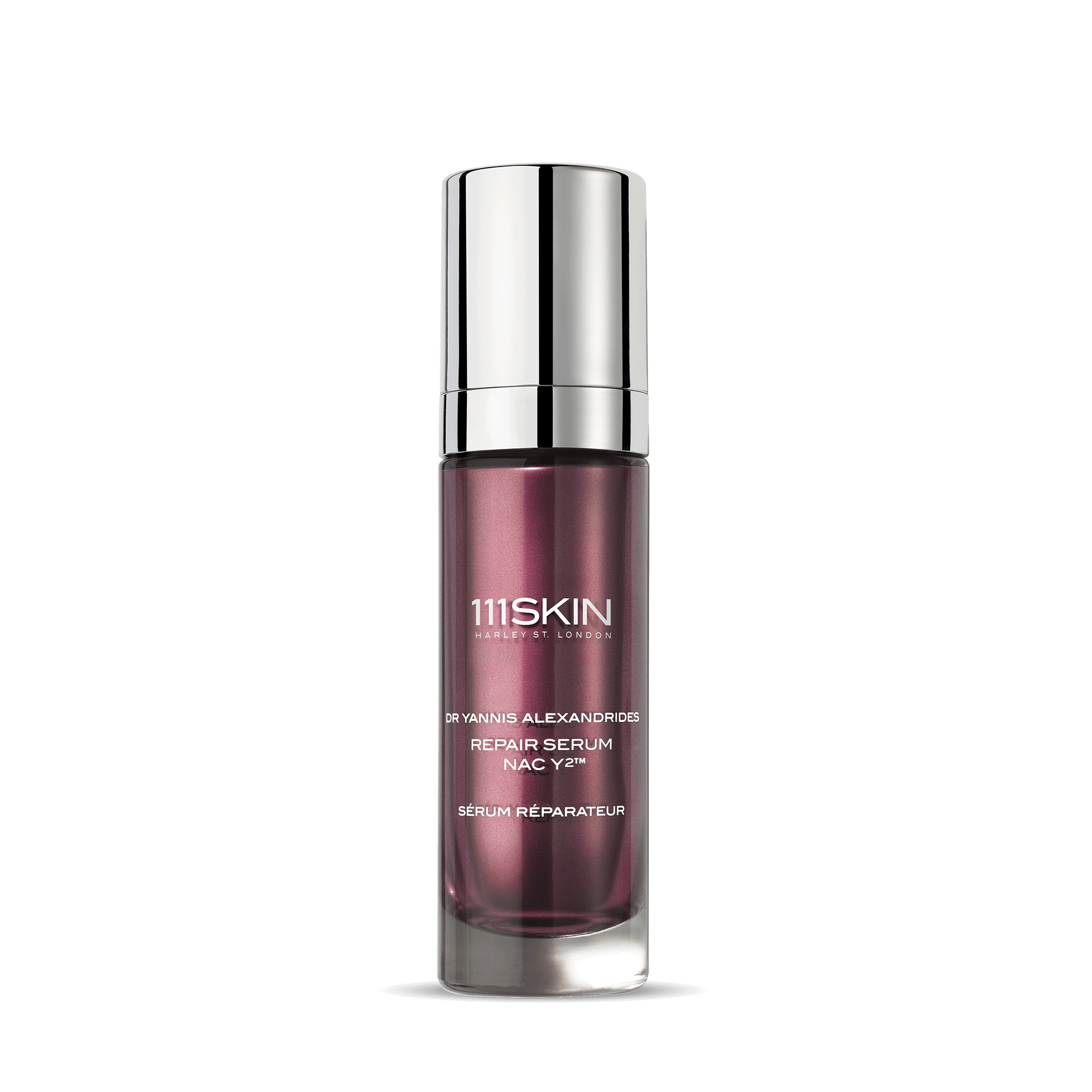
For skin that looks dehydrated or feels tight, prioritise consistent hydration and barrier-supporting care. Repair Serum NAC Y²™ provides hydration and a smoother, plumper-looking finish in a cooling, velvety texture. It also addresses visible redness and early signs of ageing, and received Tatler Best Serum for Repair, Beauty Awards 2025.
A simple morning routine can accommodate gentle manual massage without turning every skincare layer into a treatment:
- Cleanse: With dry hands, apply 2 to 3 pumps of Cleansing Oil to dry skin. Massage for 30 seconds, rinse with warm water and pat dry.
- Apply serum: Smooth 1 to 2 pumps of Repair Serum NAC Y²™ over the face and neck.
- Moisturise: Apply a pea-sized amount of Repair Day Cream NAC Y²™ to the face, neck and décolletage for nourishing hydration and skin-barrier support.
- Assess glide before massage: If the moisturised surface allows the manual tool to move freely, use the gentle facial method above. If it drags, use a suitable massage medium according to its instructions or leave massage for another time.
- Finish with sun protection: Apply Repair Sunscreen SPF50+ generously and evenly after moisturiser, 15 to 20 minutes before sun exposure. Follow its exposure and reapplication directions.
Keep facial massage before sunscreen so that subsequent strokes do not disturb an evenly applied protective layer. A powered device may require a different position in the routine and a dedicated product, so use its complete protocol.
If your main concern is visible dark spots, massage will not address the uneven pigment. Dark Spot Correcting Serum targets dark spots and uneven tone with 2% Tranexamic Acid, 5% seven Swiss Alpine plant extracts and 1% Gluconolactone. 111SKIN reports a 36% reduction in hyperpigmentation after 56 days in a clinical trial of 32 participants.
For a tone-focused routine, apply 1 to 2 pumps of that serum evenly to the face and neck after cleansing, morning or evening, then follow with moisturising care and daytime SPF. This is a targeted serum choice, not a massage lubricant.
When a mask is the more useful choice
A gua sha device is most relevant when you enjoy hands-on massage. If your priority is a defined treatment time with minimal technique, a removable facial mask offers a different approach.
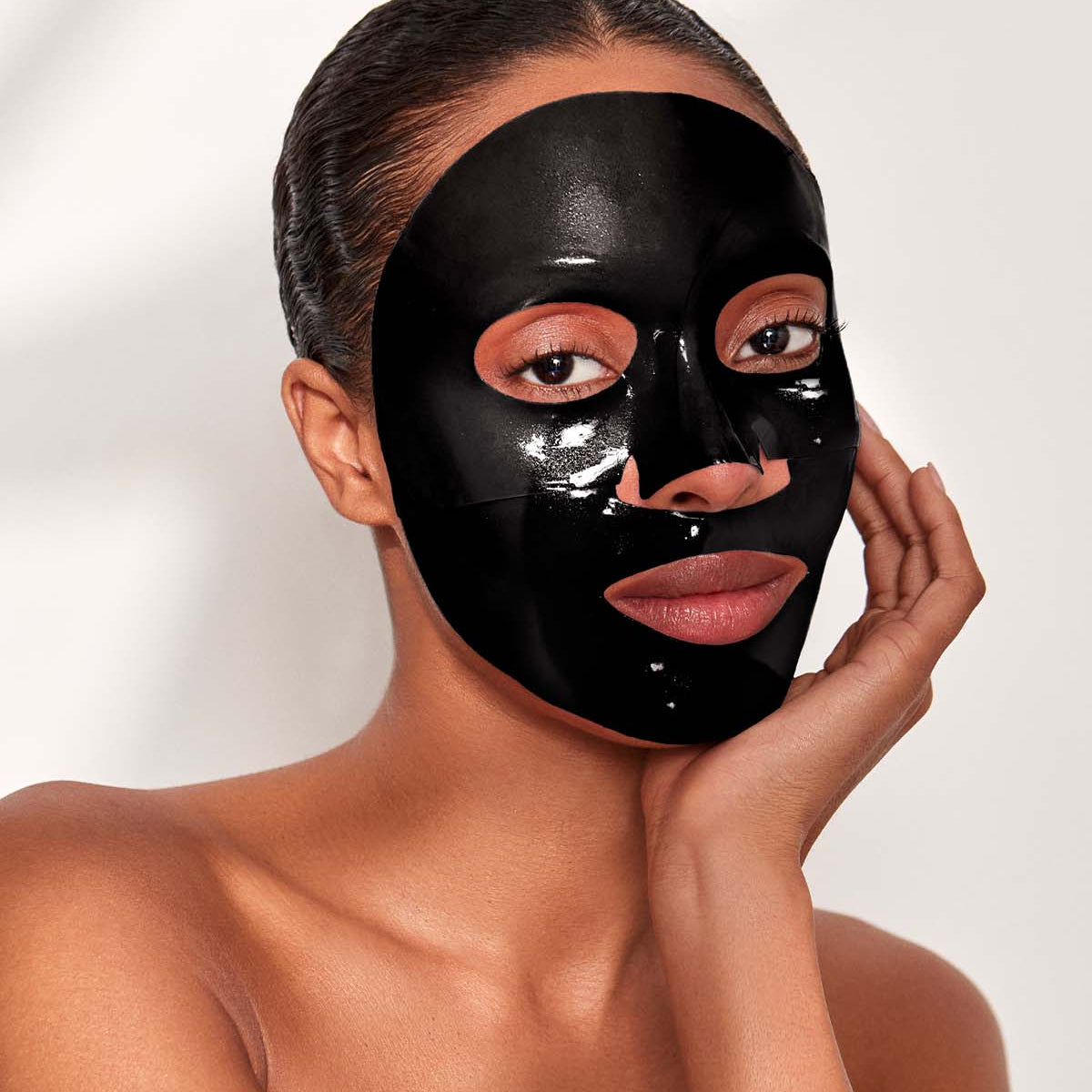
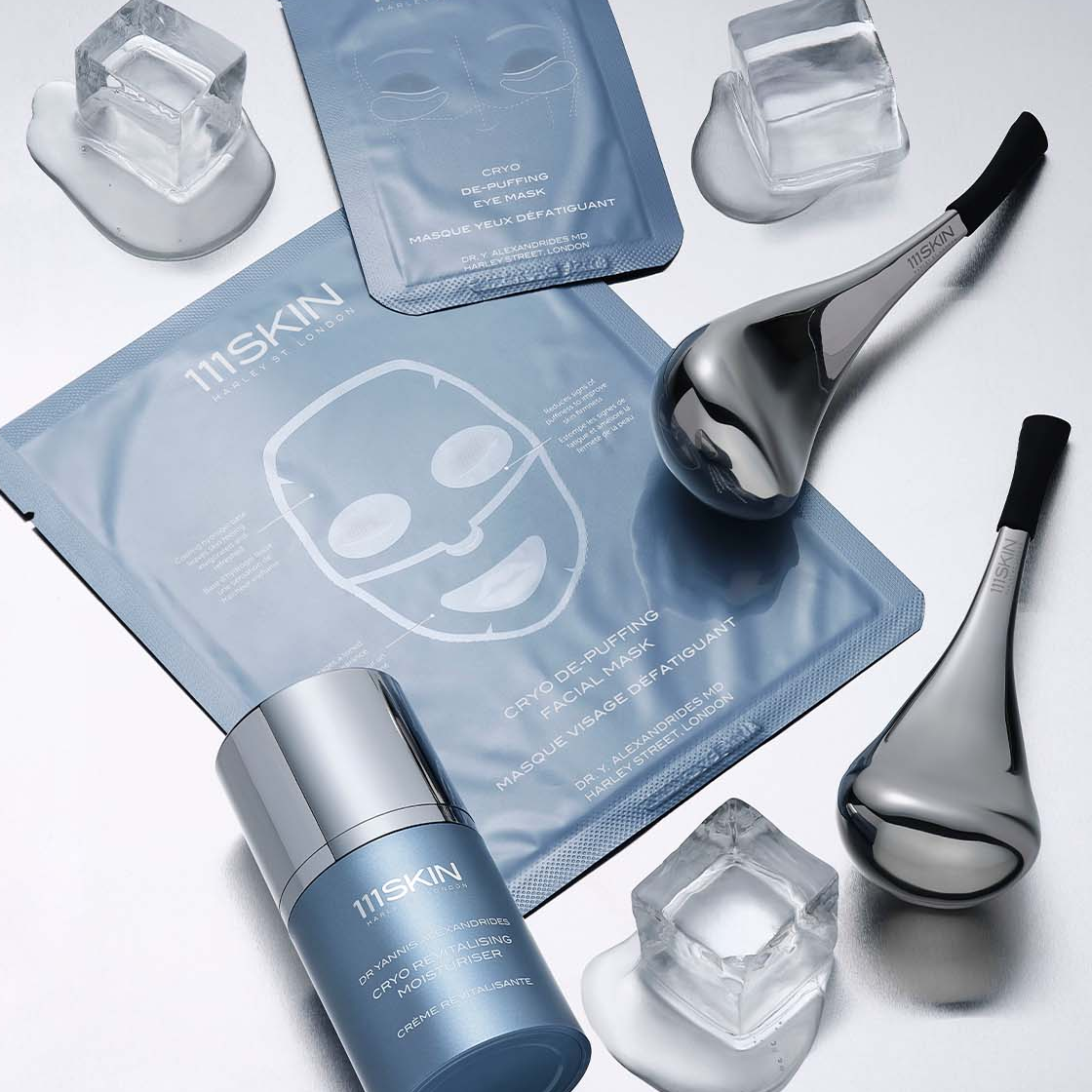
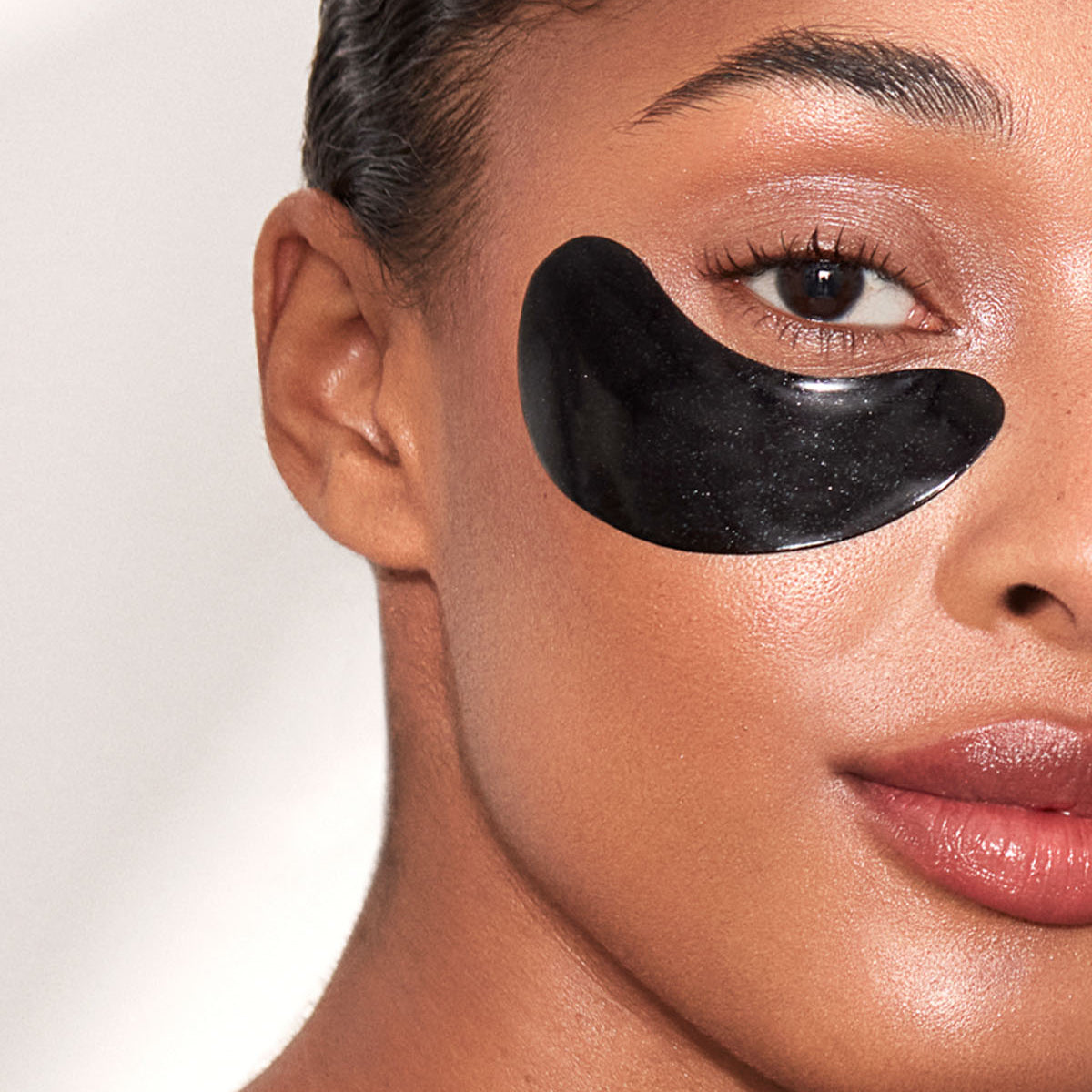
Cryo De-Puffing Facial Mask is a two-piece hydrogel mask for visibly puffy, tired-looking skin, featuring Caffeine and peptides. Rose Gold Brightening Facial Treatment Mask focuses on a hydrated, plumper, radiant finish and features Damask Rose and Gold.
These masks share a straightforward method:
- Apply to clean, dry skin after cleansing, morning or evening.
- Wear for 20 minutes, then remove before applying subsequent leave-on skincare.
The Cryo De-Puffing Facial Mask may be refrigerated before use. That is specific to this mask and does not create a storage rule for other skincare.
Choose the format that answers the immediate task: a tool for controlled massage, a de-puffing mask for a tired-looking face, or a radiance mask for a hydrated glow. They do not need to be combined into one elaborate session.
Choosing your next step
For a first gua sha device, focus on a smooth surface, secure grip and clear care instructions. A simple manual design is enough to explore whether you enjoy facial massage. Keep pressure light, maintain glide and regard any visible contouring as temporary.
Then identify what you want your skincare to do beyond the massage. Repair Serum NAC Y²™ and nourishing moisturising care address hydration and smoother-looking skin; Dark Spot Correcting Serum addresses uneven tone. If you are unsure which concern should lead your routine, the 111SKIN skincare quiz can help you make a more personalised selection.
As with any skincare product, patch test before first use. If you are pregnant or breastfeeding, consult your doctor before using any skincare products.
FAQ
Does a gua sha device really work?
Gentle facial massage may temporarily soften the appearance of mild puffiness and can feel relaxing. It does not permanently reshape facial structure, remove fat or provide a surgical lift. The most useful expectation is a refreshed-looking finish, with results varying between individuals.
Is stainless steel better than jade or rose quartz?
Stainless steel is durable and generally easy to clean, while polished stone offers a different weight and feel. Neither material is universally more effective. Prioritise smooth edges, a comfortable grip and care instructions you can follow consistently.
Can I use a gua sha device every day?
Daily use is not necessary, and there is no universal frequency for facial massage. Start with brief, occasional sessions and pay attention to comfort and skin response. Stop if you develop irritation, pain, bruising or persistent redness.
Do I need a facial oil for gua sha?
You need enough glide to prevent pulling, but that does not always require an oil. A suitable moisturiser or massage medium can work for a manual tool if it remains slippery throughout the session. Electric devices may require a specific product, so follow their manufacturer's instructions.