


Table of Contents
- Introduction
- What are the benefits of facial rolling?
- What facial rollers cannot change
- How to choose a facial roller
- How to use a facial roller gently
- Hygiene, cooling and when to pause
- Where a roller fits in a 111SKIN routine
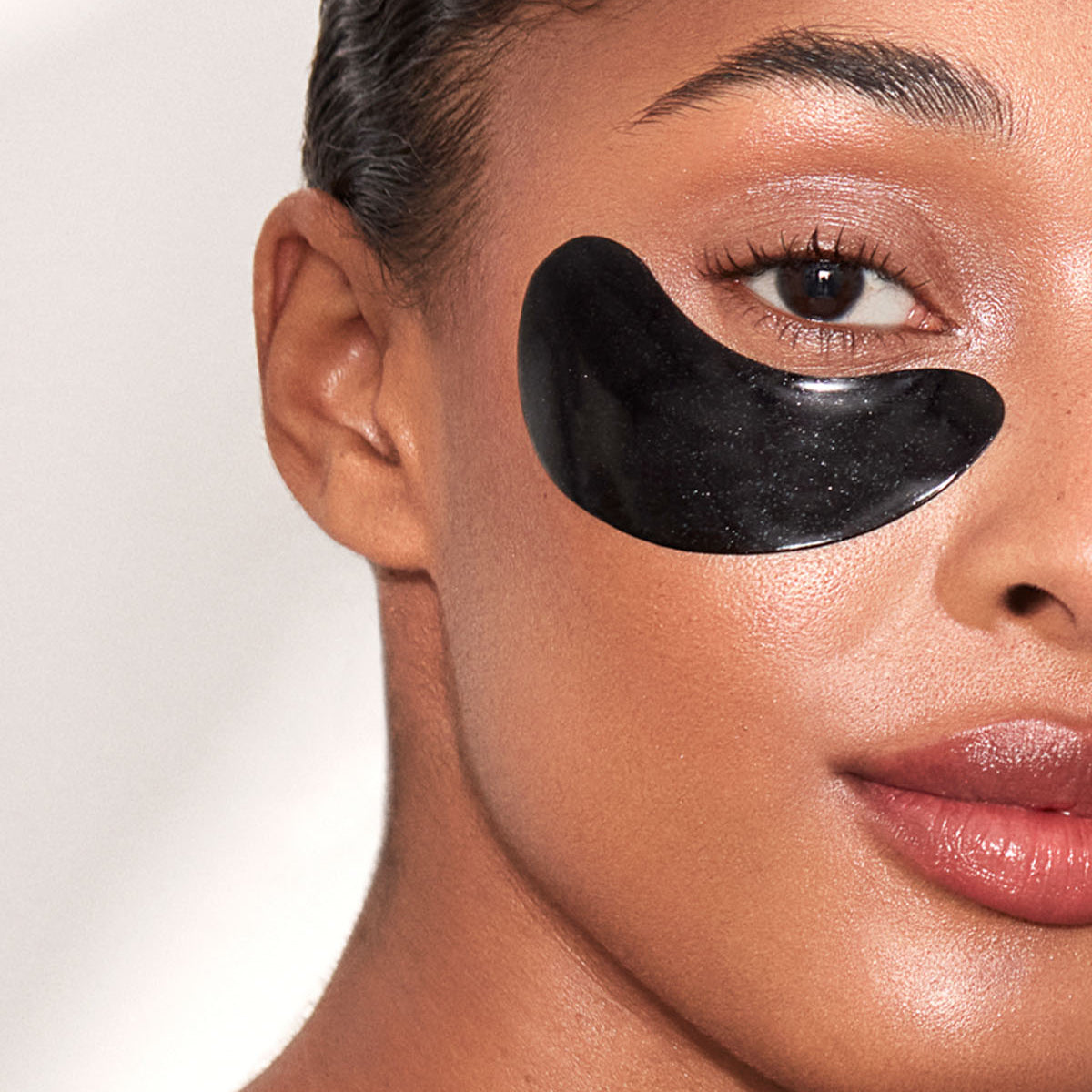
- When a de-puffing mask is a better fit
- Making facial rolling worthwhile
- FAQ
Introduction
Facial rollers can temporarily soften the look of mild puffiness, give skin a fresher-looking flush and make facial massage feel soothing. Their main value is a gentle, enjoyable ritual with short-term cosmetic benefits, not permanent lifting or face slimming. Used with light pressure on comfortable, well-prepared skin, a smooth roller can complement a considered skincare routine.
The distinction matters when deciding what deserves your time. A roller provides massage and, when cool, a refreshing sensation; your skincare supplies hydration, targeted ingredients and daily protection. Understanding those different roles helps you use the tool effectively without expecting it to correct every concern.
What are the benefits of facial rolling?
Here, facial rolling means using a smooth, non-needling massage roller, commonly made from stone or metal. It does not mean microneedling, which punctures the skin and requires different guidance. The benefits below concern gentle surface massage.
Temporary relief from mild puffiness
A face can look slightly fuller on some mornings than others. Gentle rolling may help move superficial fluid and temporarily reduce that puffy appearance, particularly when the tool feels cool against the skin.
This is different from changing facial fat or the underlying structure of the face. If the cheek or jaw looks more defined afterwards, the change reflects a short-term improvement in puffiness, not a newly sculpted contour. Under-eye fullness also has several possible contributors, so a roller will not address every type of under-eye bag.
For the eye area, daily skincare can address a broader combination of concerns. Eye Lift Gel NAC Y²™ is a lightweight hydrating gel that targets visible wrinkles, dark circles and puffiness, with a lifted-looking finish. Its texture makes it a relevant choice when you want refreshing eye care as well as help with visible lines.
A fresher-looking complexion
Facial massage can briefly increase blood flow near the skin's surface, producing a temporary flushed appearance. Skin may look more awake immediately afterwards, although the effect varies and fades.
A healthy-looking glow should not require vigorous pressure. Persistent redness, heat or stinging means the experience has moved beyond comfortable massage. Applying more force to create a stronger colour change does not make the treatment more effective.
It is also useful to distinguish a temporary flush from more even skin tone. Rolling cannot selectively fade a dark spot or correct the patchy colour left after a blemish. Those concerns need a different approach.
Cooling comfort and relaxation
The cool surface of a smooth roller can feel pleasant, particularly when skin feels warm but is otherwise comfortable and intact. The repetitive movement also creates an opportunity to slow down and relax the face.
Some people enjoy this sensation around the brow or along the jaw. That is a reasonable reason to use a roller, without turning a comforting ritual into a treatment for headaches, jaw disorders or persistent facial pain.
Temperature is a preference, not a measure of effectiveness. A room-temperature roller can still provide gentle massage. If you prefer a chilled tool, check that its manufacturer permits refrigeration and avoid a frozen surface.
Easier distribution of skincare
A roller can help spread a suitably cushioning moisturiser across the skin while giving the tool enough slip to move comfortably. This can make application feel more deliberate and enjoyable.
However, spreading a product is not the same as driving its ingredients deeper into the skin. There is no good basis for assuming that a smooth roller makes every serum absorb better or increases the effectiveness of any formula used underneath it. Follow each product's own directions and let the roller remain a massage tool.
The most realistic facial roller result is skin that looks temporarily fresher and feels comfortably massaged. More pressure, more passes and more redness do not improve that result.
What facial rollers cannot change
Knowing the limits makes it easier to decide whether rolling suits your concern. A tool can be worthwhile for its immediate experience without delivering the lasting changes sometimes attributed to it.
Wrinkles, firmness and facial shape
Evidence for lasting wrinkle reduction or skin tightening from ordinary smooth facial rollers is limited. Research involving other massage devices cannot automatically establish that a hand-held stone roller produces the same results.
A temporarily less puffy face may look more defined, but rolling does not remove facial fat, reshape bone or reproduce a surgical lift. Nor should a brief flushed appearance be interpreted as proof of increased collagen.
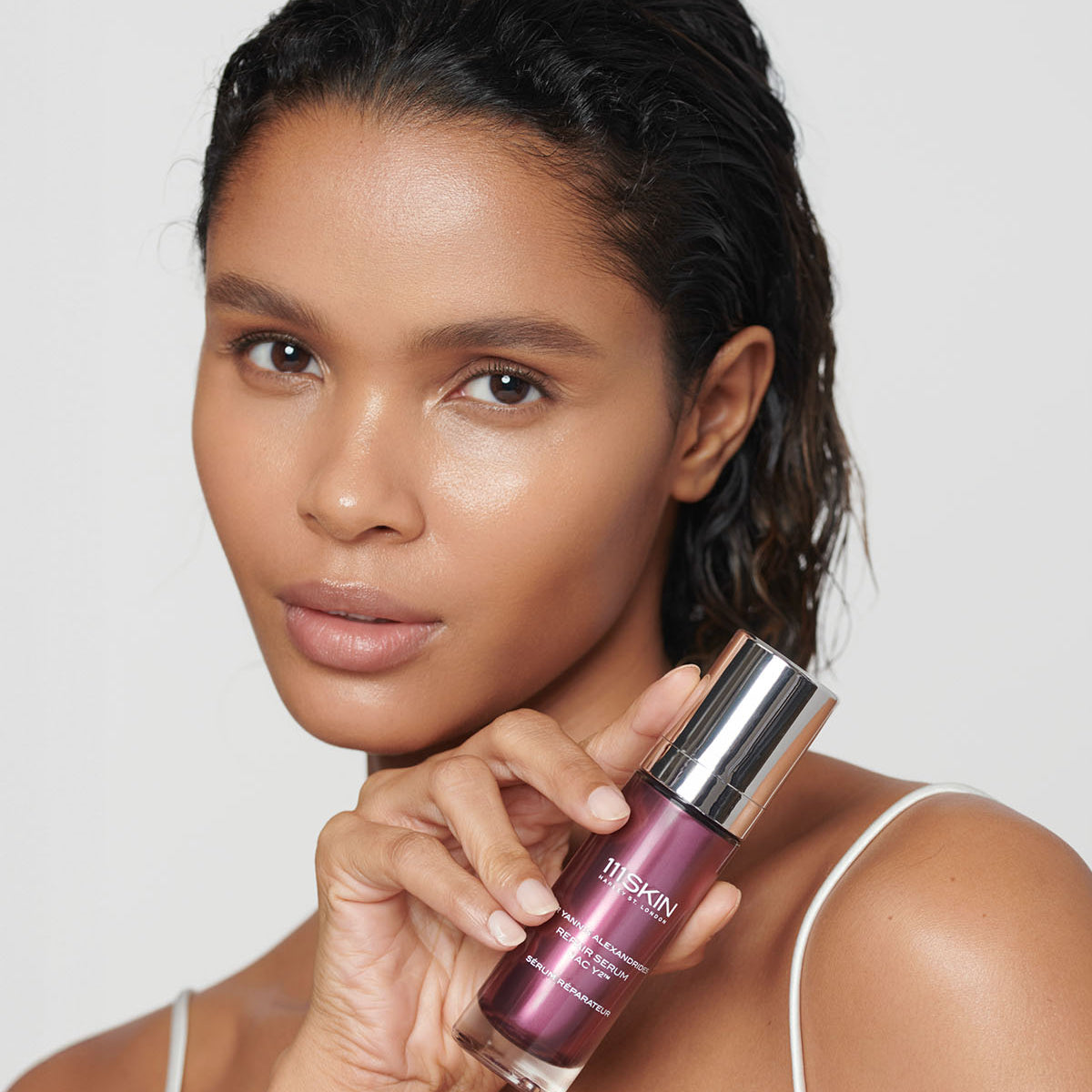
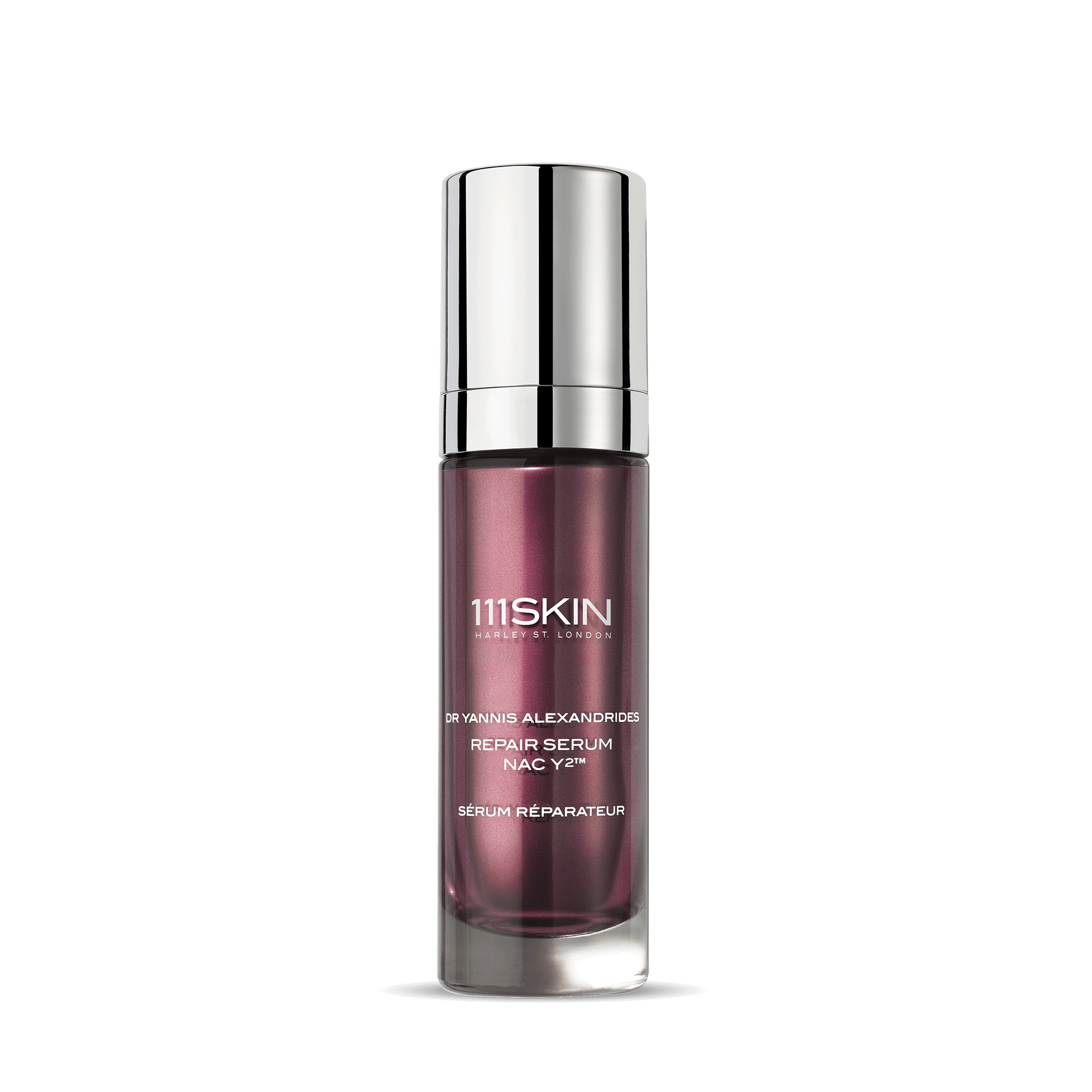
Visible fine lines can also look more pronounced when skin is dehydrated. Hydrating skincare addresses that aspect directly, while a roller contributes the massage experience. For example, Repair Serum NAC Y²™ provides hydration and helps skin look smoother and plumper, with a cooling, velvety texture.
Dark circles, pigmentation and uneven tone
Dark circles can involve shadows, visible colour and the contours around the eyes. A roller may help when temporary puffiness contributes to a tired appearance, but it cannot be expected to correct every source of darkness.
Likewise, rolling is not a targeted treatment for pigmentation. If your main concern is dark spots or uneven tone, Dark Spot Correcting Serum offers a more relevant approach, with 2% Tranexamic Acid, 5% seven Swiss Alpine plant extracts and 1% Gluconolactone. Apply 1 to 2 pumps evenly to the face and neck after cleansing, morning or evening, followed by moisturising care and daytime SPF.
111SKIN reports a 36% reduction in hyperpigmentation after 56 days in a clinical trial of 32 participants. That makes a useful distinction in your routine: a targeted serum addresses uneven tone over continued use, while rolling offers a short-lived cosmetic refresh.
"Detoxing" and pore-tightening claims
Facial rolling is often described as lymphatic drainage. Gentle massage may assist superficial fluid movement, but a home roller should not be presented as a way to remove toxins from the skin or treat a lymphatic condition.
It also does not permanently close or tighten pores. Pores are normal skin structures, not openings that can be mechanically rolled shut. If a tool leaves the surface looking briefly smoother, that does not establish a lasting change in pore size.
Persistent, painful or unexplained swelling needs medical advice, particularly if it appears suddenly or affects one side. It is not a reason to increase massage pressure.
How to choose a facial roller
The best roller is one you can control gently, keep clean and use without scratching or pulling the skin. Material matters less than the quality of the surface and the practicality of the design.
Jade, rose quartz or metal?
Stone and metal rollers can both provide a smooth massage surface and a cool sensation. There is no convincing reason to expect a particular crystal to treat acne, improve pigmentation or deliver a unique anti-ageing effect.
Natural stone is not automatically better for every skin type. Equally, the colour or price of a roller does not establish how well it will work. Clear material information and care instructions are more useful than claims about healing properties.
Consider these practical features:
- A smooth, intact surface: avoid chips, cracks, rough edges or seams that catch against the skin.
- A freely turning head: the roller should rotate without dragging or pinching.
- A comfortable handle: good control makes it easier to maintain light pressure.
- Clear cleaning instructions: the tool should be straightforward to care for after contact with skincare.
A small head may be easier to manoeuvre around facial contours, but it does not make pressure over the eyelids or eyeball appropriate. A larger head often suits the broad areas of the cheeks and forehead.
Smooth rollers versus textured tools
A textured surface can feel more stimulating, but stronger sensation does not necessarily mean greater cosmetic benefit. For a gentle home massage, a smooth roller is the simpler starting point.
Powered devices, ridged tools and rollers with needles have different functions and precautions. Do not use a general smooth-roller technique as instructions for those devices. In particular, microneedling is not a more intensive version of the same relaxing ritual.
If your skin reacts easily to rubbing or temperature changes, the tool that feels least stimulating is usually the more sensible choice. You can also decide that massage with clean hands suits you better.
How to use a facial roller gently
Technique should prioritise comfortable movement over a complicated map of the face. Different tools have different directions, so begin with the manufacturer's instructions and use the following principles for a conventional smooth massage roller.
Prepare the skin and tool
Start with clean hands, a clean roller and freshly cleansed skin. Check the roller head before use, especially if it has been dropped or stored loose in a bag.
Apply a simple moisturiser that gives enough slip for the head to move without catching. A watery serum that dries quickly may not provide sufficient cushioning throughout the massage. If the surface begins to feel tacky, stop instead of pulling the roller across it.
Avoid making your first attempt on a day when you are introducing several new skincare products. A familiar moisturiser makes it easier to judge how your skin responds to the massage itself.
Follow a short, controlled sequence
For a conventional smooth roller, keep the movement slow and the pressure light:
- Begin on the cheeks. Roll gently from the centre of the face outwards towards the ears, following the contours without pulling the skin.
- Move along the jaw. Use light outward passes from the chin towards the ear, avoiding any tender areas.
- Work across the forehead. Use controlled outward or upward passes towards the hairline, keeping the skin relaxed.
- Treat the eye area cautiously. If your tool is designed for this area, use its smaller head lightly along the surrounding bony contour. Keep clear of the eyelids and eyeball.
- Finish while the skin feels comfortable. A brief session of up to about five minutes is enough; there is no need to keep rolling to create a stronger effect.
Lift and reposition the roller between passes instead of repeatedly scrubbing back and forth. You do not need to count a precise number of strokes or press firmly to follow a facial contour.
The neck does not need to become part of every session. If you want to include it, follow the tool's specific directions and avoid pressure over the front of the throat.
Recognise the right stopping point
During rolling, the skin should remain comfortable, with no dragging, pinching or pain. A mild, brief colour change can occur, but pronounced redness is not a goal.
Stop if you notice burning, tenderness, discomfort from the cold or increased redness. Bruising is a sign that the pressure was excessive, not evidence that the massage was effective.
There is no compulsory daily schedule. Start with a short session, observe your skin and repeat only if it remains comfortable. Longer or more frequent sessions do not guarantee better de-puffing.
A useful technique check: the roller head should turn easily while the skin stays largely in place. If the skin bunches, stretches or follows the tool, reduce the pressure or stop.
Hygiene, cooling and when to pause
A roller touches both skincare and skin, so product residue builds up on its surface. Good cleaning is part of using it, not an occasional extra.
Clean according to the material
Follow the manufacturer's cleaning instructions after every use. For tools that permit it, gentle soap and water can remove residue, followed by thorough rinsing and drying before storage.
Do not assume that every stone, adhesive or metal fitting tolerates alcohol, soaking or very hot water. A cleaning method suitable for one tool may damage another. Store the clean, dry roller somewhere protected from bathroom debris and avoid sharing it.
If you refrigerate a roller, keep it in a clean container and only do so when the manufacturer allows it. The aim is a comfortably cool surface, not intense cold. Avoid freezing it.
Leave reactive or damaged skin alone
Pause rolling over sunburn, broken skin, inflamed spots or areas that sting with ordinary skincare. Friction can add discomfort when the skin is already irritated.
The same principle applies during a rosacea or eczema flare: do not try to massage away redness or sensitivity. If you have a diagnosed skin condition, ask your clinician whether facial massage is appropriate.
Be particularly attentive when your skin is adjusting to an active treatment. There is no universal rule requiring everyone to separate rolling from every active ingredient, but discomfort, flaking or tenderness is a clear reason to pause. After a professional treatment or procedure, follow the treating practitioner's aftercare instructions.
Where a roller fits in a 111SKIN routine
111SKIN was founded by plastic and reconstructive surgeon Dr Yannis Alexandrides and Eva Alexandridis, drawing on his practice at 111 Harley St. in London. That clinical inspiration sits alongside considered textures and at-home rituals: skincare should address a clear concern, while application remains comfortable and purposeful.
For facial rolling, a simple evening routine keeps the tool's role clear. The following approach places massage after moisturising care, when there is sufficient slip, and avoids moving a roller over freshly applied sunscreen.
- Cleanse with Cleansing Oil. With dry hands, apply 2 to 3 pumps to dry skin, massage for 30 seconds, rinse with warm water and pat dry.
- Apply Eye Lift Gel NAC Y²™. Share half a pump between ring fingers. Pat from the outer corner inwards, then move upwards and sweep over the brow bone back to the outer corner until absorbed. Avoid rubbing under the eyes.
- Apply Repair Serum NAC Y²™. Smooth 1 to 2 pumps over the face and neck before moisturiser.
- Apply Repair Night Cream NAC Y²™. Use a pea-sized amount over the face, neck and décolletage.
- Use your clean roller briefly if the moisturised surface provides comfortable slip. Follow the gentle technique above, then clean and dry the tool.
The roller does not need to touch every area where you have applied skincare. You can massage the cheeks, jaw and forehead while leaving the eye area to its dedicated product.
Hydration and massage make different contributions. Humectants help attract water, while emollients soften the skin and ingredients that limit moisture loss help retain comfort. A tool cannot supply those functions on its own.
In the morning, finish your skincare with sun protection. Apply Repair Sunscreen SPF50+ generously and evenly after moisturiser, 15 to 20 minutes before sun exposure, and follow its exposure and reapplication instructions. Keep any rolling before sunscreen so you are not mechanically redistributing the protective layer.
When a de-puffing mask is a better fit
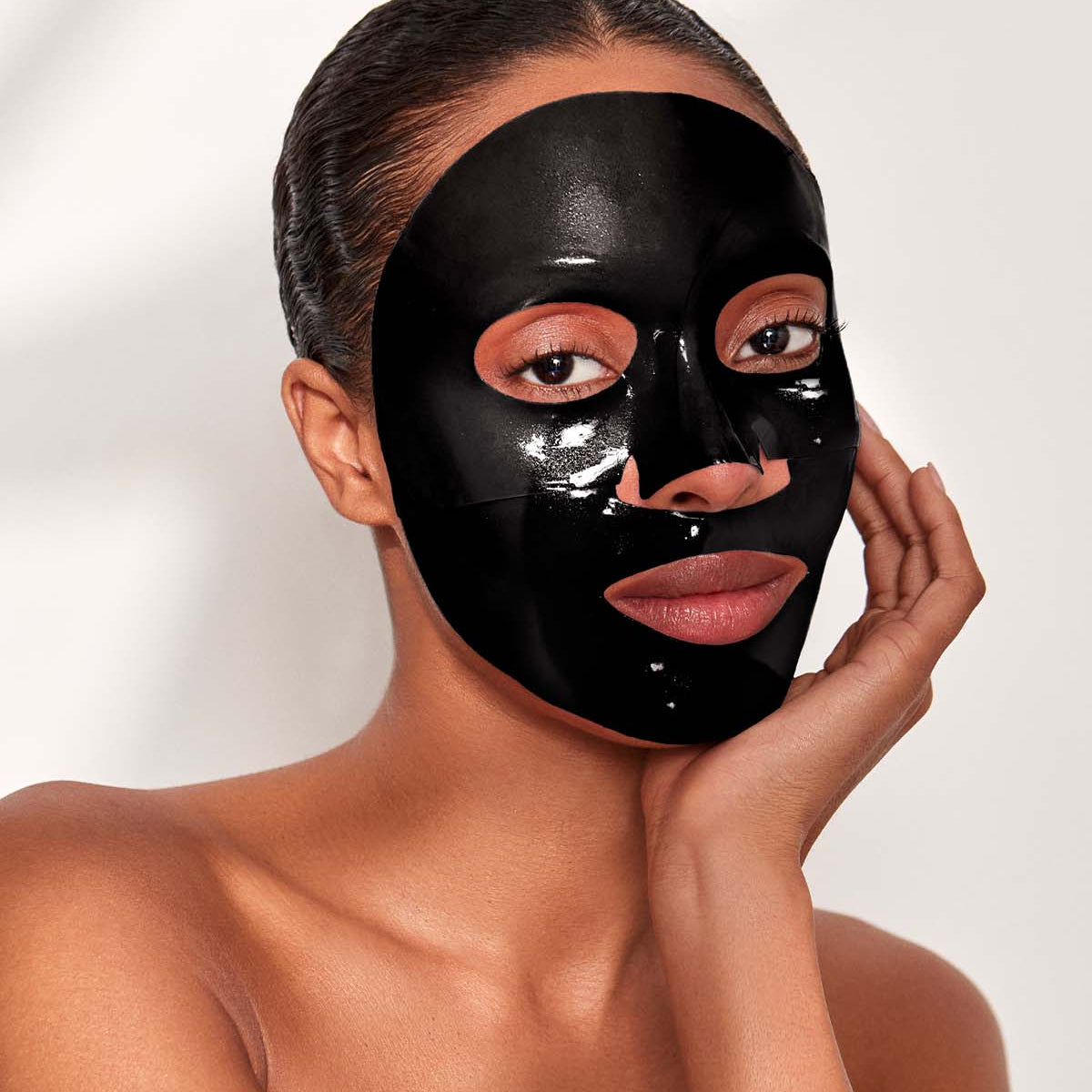
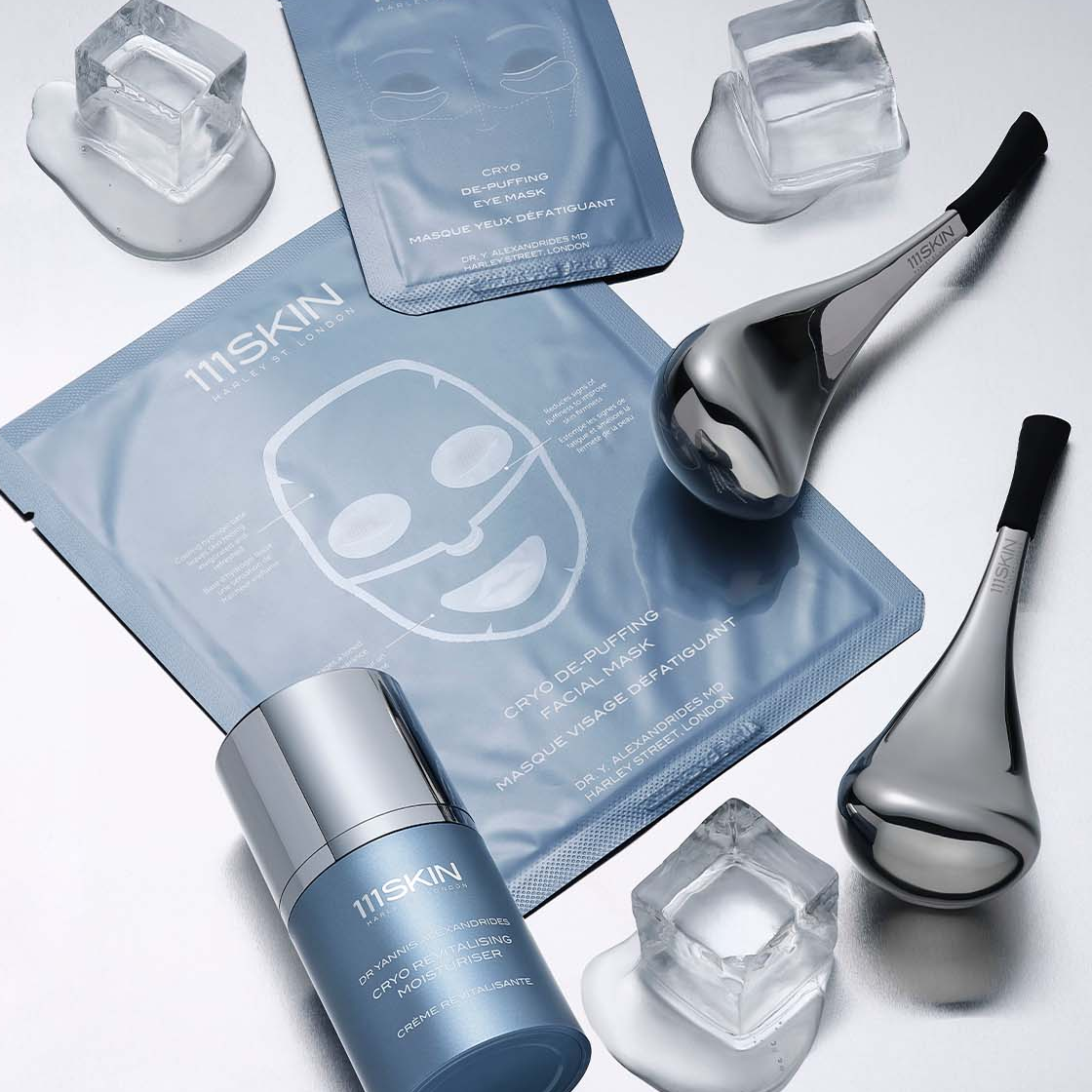
If your main aim is a refreshed appearance before an event, a mask offers a different experience without repeated massage. Cryo De-Puffing Facial Mask is a two-piece hydrogel mask for visibly puffy, tired-looking skin, featuring Caffeine and peptides.
Use it on clean, dry skin after cleansing, morning or evening, wear for 20 minutes and remove before subsequent leave-on skincare. Refrigeration before use is permitted for this mask. Its facial format makes it useful when you want to address the overall appearance of tiredness while leaving the skin undisturbed.
A roller is the more interactive choice: brief, tactile and easy to control across selected areas. A mask provides a defined pause with a formula designed for the concern. You do not need to combine both in the same session to make the ritual worthwhile.
Making facial rolling worthwhile
Facial roller benefits are most convincing when the goal is modest and specific: temporarily less puffiness, a fresher appearance and a soothing massage. Keep the surface clean, use light pressure and finish before the skin becomes uncomfortable.
Start by identifying what you actually want to change. If it is morning puffiness, a gentle roller or Cryo De-Puffing Facial Mask is relevant; if it is dehydration, visible lines or uneven tone, prioritise the skincare designed for that concern. Build the routine around that need, then keep rolling as the enjoyable finishing ritual it can be.
As with any skincare product, patch test before first use. If you are pregnant or breastfeeding, consult your doctor before using any skincare products.
FAQ
Do facial rollers really work?
They can provide temporary de-puffing, a fresher-looking flush and a soothing massage experience. Evidence for lasting wrinkle reduction, permanent tightening or face slimming from a smooth facial roller is limited.
How often should you use a facial roller?
There is no required schedule, and daily use is not necessary to enjoy the ritual. Begin with brief, gentle sessions and repeat only while your skin remains comfortable, pausing if it becomes red, tender or irritated.
Is it better to use a facial roller cold?
A cool roller can feel refreshing and may help temporarily soften the appearance of mild puffiness. Refrigerate it only if the manufacturer permits it, and avoid using a frozen tool; room-temperature rolling still provides massage.
Should you use a facial roller before or after skincare?
Cleanse first, then use a moisturiser that provides enough slip for comfortable rolling, following your tool's instructions. Complete any morning rolling before applying sunscreen, and do not assume the tool improves the absorption or effectiveness of products underneath it.