


Table of Contents
- Introduction
- What a mask can do for a puffy face
- Why choose Cryo De-Puffing Facial Mask?
- How to use a de-puffing facial mask correctly
- Which mask suits your main concern?
- When puffiness is concentrated beneath the eyes
- A compact routine around your mask
- Getting a better result without over-treating
- Choose a mask for the change you actually see
- FAQ
Introduction
A mask for a puffy face should target visible puffiness while leaving skin refreshed and comfortable. 111SKIN's Cryo De-Puffing Facial Mask is a two-piece hydrogel treatment for puffy, tired-looking skin, with Caffeine and peptides. Used for 20 minutes on clean, dry skin, it offers a focused treatment before your usual skincare, whether you are preparing for the day or an evening occasion.
The most useful choice starts with identifying what you see. Temporary puffiness, dehydration and a loss of firmness can all make the face look less rested, but they call for different treatment priorities. A de-puffing mask addresses the appearance of puffiness; hydrating, brightening and firming masks offer complementary benefits when another concern is more prominent.
What a mask can do for a puffy face
Recognising temporary puffiness
Puffiness describes a face that looks fuller or slightly swollen compared with its usual appearance. You may notice it around the cheeks or eyes, particularly on waking. Short nights, alcohol and salty meals can contribute to temporary fluid retention, although appearance alone cannot establish the cause.
The useful distinction is between a familiar, mild change that settles and swelling that is new, persistent or uncomfortable. Cosmetic de-puffing care is intended for the former. It helps refresh the appearance of tired-looking skin without treating the underlying medical causes of facial swelling.
Seek medical advice for persistent, painful or unexplained swelling. Sudden swelling involving the lips or tongue, or any difficulty breathing, needs urgent medical help.
Separating puffiness from dryness and firmness
A face can look puffy while its surface feels dry. Puffiness concerns fullness within the tissues; dehydration concerns a lack of water in the skin's outer layers. They can occur together, so a refreshed appearance and comfortable hydration are compatible goals.
Firmness is different again. If the concern is a gradual change in how taut the skin looks, with visible lines that remain throughout the day, a firming mask may be a closer match. A de-puffing treatment does not permanently reshape facial contours or remove facial fat.
Before choosing a mask, identify the most noticeable concern:
- Temporary fullness and a tired appearance: prioritise a mask formulated for visible puffiness.
- Tight-feeling skin and surface dehydration lines: prioritise hydration and a smoother, plumper-looking finish.
- Dullness without obvious puffiness: look for a brightening mask that enhances radiance.
- Visible lines and reduced firmness: choose a treatment that addresses hydration, firmness and lines together.
This is a way to set a treatment priority, not a requirement to place your skin in one fixed category. Your usual hydrating mask may suit one day, while a de-puffing mask is more useful after a disrupted night.
Why choose Cryo De-Puffing Facial Mask?
A targeted formula for tired-looking skin
Cryo De-Puffing Facial Mask addresses visible puffiness and a tired-looking complexion. Caffeine and peptides are featured ingredients in a formula designed around that concern. This makes it a direct choice when your skin looks fuller and less rested than usual.
Caffeine is a familiar ingredient in de-puffing skincare, but the complete formulation matters more than finding one ingredient on a label. Texture, application area and the finished product's intended benefits all contribute to the treatment choice. Here, the hydrogel facial format delivers a dedicated de-puffing ritual across the face.
111SKIN was founded by plastic and reconstructive surgeon Dr Yannis Alexandrides and Eva Alexandridis, drawing on Dr Yannis' practice at 111 Harley St. in London. That clinical inspiration informs an approach centred on specific cosmetic concerns and carefully considered at-home formats, including masks that fit into a manageable treatment window.
What the two-piece hydrogel format means
Hydrogel describes the mask's gel-based material. "Sheet mask" describes its removable format, while "two-piece" describes its construction. These terms can apply to the same product, so there is no need to choose between a hydrogel mask and a sheet mask as though they were opposing categories.
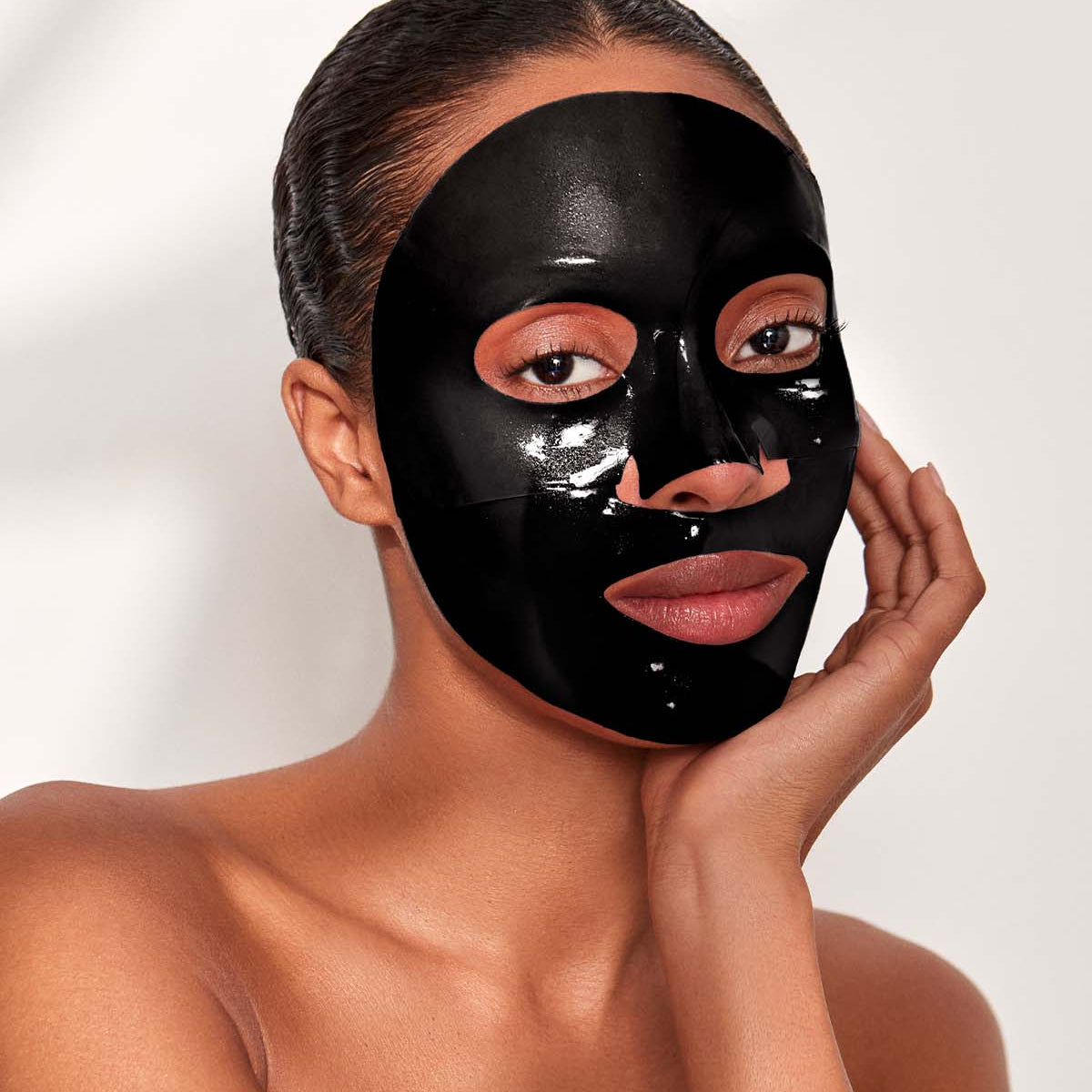
The two sections allow you to position the mask around the contours of your face separately. Smooth each section into comfortable contact without stretching it or pulling at the skin. The aim is an even fit, with the openings aligned appropriately.
This is a facial treatment, not a neck mask or an eye patch. Keep it within its intended application area and let the fit guide placement. A closer fit should come from adjusting the material gently, not from pressing hard.
Cooling without extremes
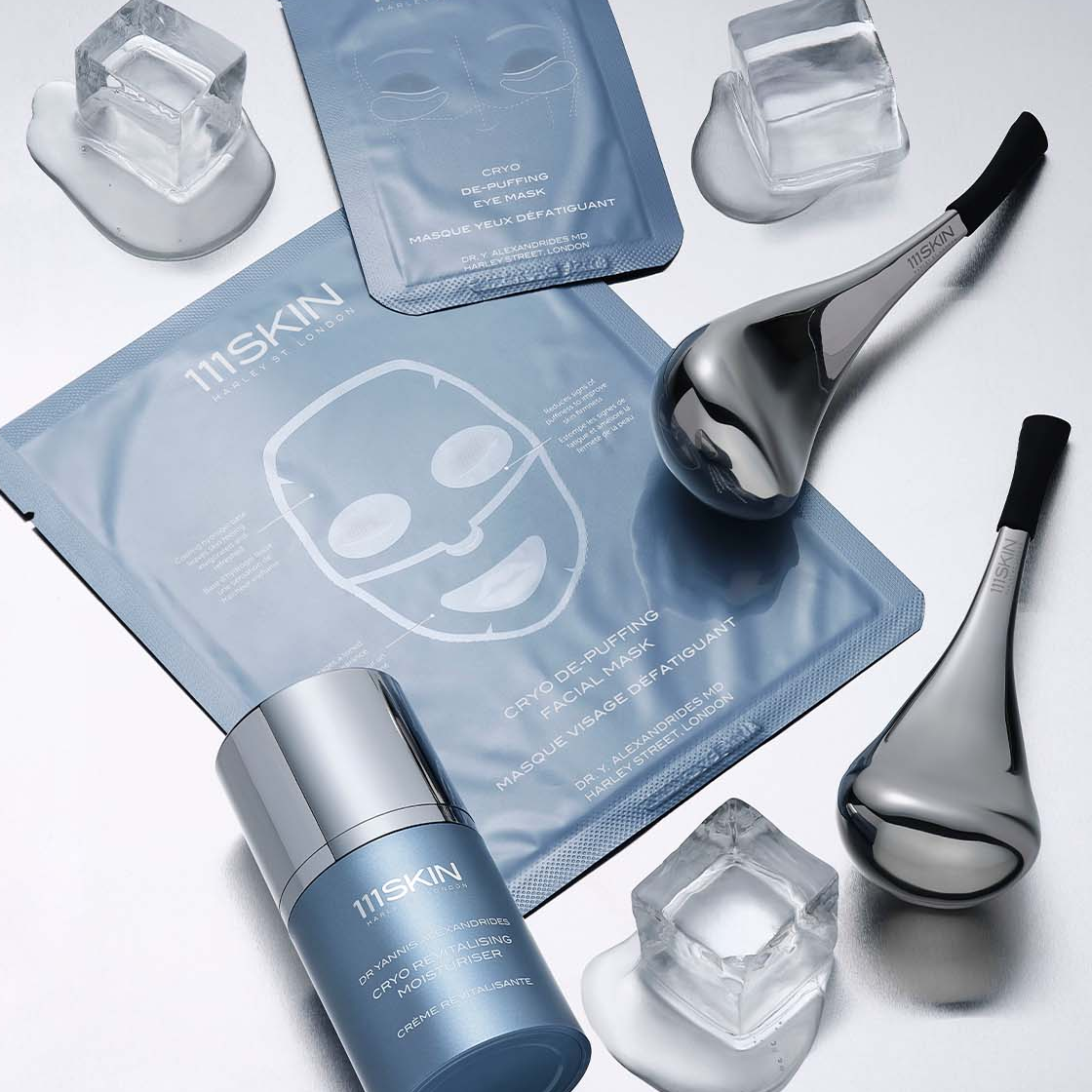
Cryo De-Puffing Facial Mask may be refrigerated before use. This offers a chilled treatment experience that can be particularly welcome when the face looks tired or feels warm.
Cool temperatures can temporarily reduce the appearance of mild puffiness, but colder does not mean better. There is no need to pursue an intense, uncomfortable sensation or apply ice directly to the skin. Refrigeration is the cooling option for this mask; freezing is not part of its application method.
For a puffy-looking face, focus on the right formula, comfortable contact and the full 20-minute application. Extra pressure and extreme cold do not make the treatment more effective.
The chilled option is useful when you enjoy that sensation, but it does not turn the mask into a medical cold treatment. Its role remains cosmetic: refreshing puffy, tired-looking skin.
How to use a de-puffing facial mask correctly
Prepare the skin and position the mask
Apply a removable facial mask after cleansing, before your leave-on skincare. Skin should be clean and dry so that the mask can sit evenly against it. Applying creams or oils underneath changes that starting surface and can make positioning less straightforward.
The following method applies to Cryo De-Puffing Facial Mask and the other removable facial masks discussed below:
- Cleanse and dry your skin. Remove make-up and impurities, then pat the face dry.
- Prepare and position the mask. Follow its individual preparation directions, then gently smooth it over the face. For a mask with separate sections, adjust each section for a comfortable fit.
- Leave it on for 20 minutes. Use it in the morning or evening, allowing the mask to remain in place for the treatment.
- Remove the mask. Continue with your subsequent leave-on skincare, including moisturiser and daytime sun protection where appropriate.
For Y Theorem Bio Cellulose Facial Mask, remove the protective gauze as directed during preparation. Mask construction varies, so follow each product's own preparation details instead of assuming every material has the same layers.
Make the treatment time work for you
Morning use makes sense when puffiness is most noticeable on waking. An evening application can suit preparation for dinner or another occasion. The important factor is having enough time for the complete application and the skincare that follows.
Set a timer once the mask is comfortably positioned. Keeping it on for longer is not a shortcut to a stronger result, and a removable mask should not become an overnight treatment. If you are preparing for make-up, allow time afterwards to finish skincare without rushing the layers.
A quiet 20-minute window also makes it easier to keep the mask in place. If a section shifts, gently reposition it. Repeatedly rubbing, lifting or manipulating the mask adds friction without improving its purpose.
What to look for afterwards
Assess the concern you intended to address. With a de-puffing mask, the useful checkpoint is a fresher, less puffy-looking appearance, not a permanently different face shape. With a hydrating mask, look for improved comfort and a smoother surface.
Lighting and facial expression can change how contours appear, so use a familiar mirror and ordinary conditions when judging the finish. This helps you understand whether the treatment suits your needs without expecting every application to look identical.
There is no single weekly schedule that suits every removable mask and every complexion. Fit treatment use around the particular product's guidance and your skin's response. Stop use if irritation occurs; persistent irritation deserves professional advice.
Which mask suits your main concern?
Several masks can leave skin looking more rested, and hydration can improve the appearance of fine surface lines. Their benefits overlap, but their main priorities differ. Choose the formula that most directly addresses what you want to change that day.
Puffiness: Cryo De-Puffing Facial Mask
Choose Cryo De-Puffing Facial Mask when visible puffiness is the main concern. Its Caffeine and peptide formula, two-piece hydrogel format and refrigeration option make it a focused choice for tired-looking skin.
This is particularly useful when a familiar change in facial fullness is more noticeable than dryness or dullness. You can still follow it with hydrating care, but the mask itself gives the treatment step a clear de-puffing purpose.
Dehydration and visibly stressed skin: Y Theorem Bio Cellulose Facial Mask
Y Theorem Bio Cellulose Facial Mask focuses on hydration and visibly stressed skin. It features NAC Y²™, Ectoin and Centella Asiatica in a biocellulose format. Choose it when the face feels tight or looks depleted and surface comfort is the priority.
Hydration and de-puffing should not be treated as opposites. A hydrating formula improves water content in the skin's outer layers; it does not aim to create unwanted facial swelling. If dryness is what makes your complexion look tired, a hydration-focused mask is a more direct response.
The practical distinction is the concern you are treating. Choose Y Theorem Bio Cellulose Facial Mask for hydration and visibly stressed skin, and Cryo De-Puffing Facial Mask when temporary puffiness dominates.
Dullness: Rose Gold Brightening Facial Treatment Mask
Rose Gold Brightening Facial Treatment Mask provides a hydrated, plumper and radiant finish. Its hydrogel formula features Damask Rose and Gold, making it a relevant choice when you want skin to look luminous before an occasion.
The mask was included in WWD Beauty Inc's 100 Greatest Skin Care Products of All Time in 2024. Its appeal here is the combination of hydration and radiance in a removable treatment that fits before your usual skincare.
A plumper-looking surface is different from a puffy-looking face. In skincare, plumping generally describes the smoothing effect of hydration on the surface, including dehydration lines. If your complexion looks flat and dry without unusual fullness, this finish may be closer to your goal.
Firmness and lines: Celestial Black Diamond Lifting And Firming Face Mask
Celestial Black Diamond Lifting And Firming Face Mask addresses hydration, visible firmness and lines. Its hydrogel construction has upper and lower facial sections, allowing you to position the treatment across the face.
Choose it when the concern is how firm and smooth the skin looks, especially when that concern remains consistent throughout the day. It received New Beauty Best Firming Sheet Mask at the Beauty Awards 2023.
Its sectioned construction may resemble other two-part masks, but construction alone does not determine benefits. The firming focus is what distinguishes this choice from a mask principally addressing puffiness.
When puffiness is concentrated beneath the eyes
A full-face mask makes sense when the cheeks and broader complexion look puffy. If the concern is concentrated beneath the eyes, a targeted eye mask offers a smaller application area and a focused treatment. This is the main reason to choose between the formats.
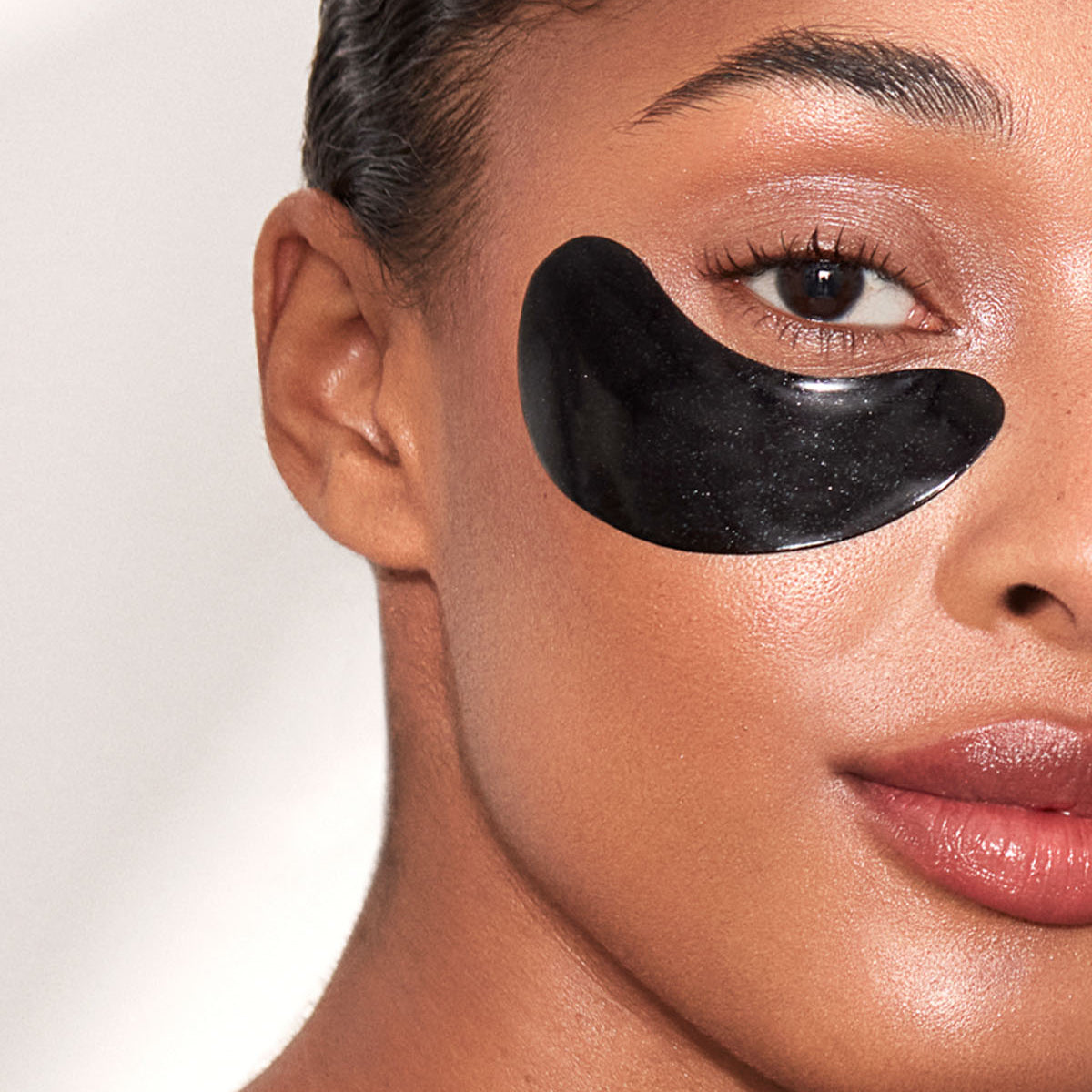
Cryo De-Puffing Eye Mask is a hydrogel treatment for visible puffiness and tired eyes. It features Seaweed Extract, Vitamin E and Peptide Complex, and may be refrigerated before use. It also received InStyle Best Eye Mask at the Best Beauty Buys Awards 2022.
Use it in the morning or evening after cleansing. Remove the protective films from both sides, place one mask beneath each eye and wear for 20 minutes. Remove the masks and gently pat in the remaining product.
The facial and eye masks are distinct products with different featured ingredients and intended application areas. Choose the format that reaches your concern directly; there is no need to move a facial mask onto the eyelids or double up on treatments simply because both address a tired appearance.
A compact routine around your mask
The mask should remain the focused treatment step. A straightforward supporting routine removes impurities first, then provides leave-on hydration and moisturising care afterwards. During the day, finish with sunscreen.
For a morning de-puffing routine:
- Cleanse with Cleansing Oil. With dry hands, massage 2 to 3 pumps onto dry skin for 30 seconds. Rinse with warm water and pat dry.
- Apply Cryo De-Puffing Facial Mask. Use the facial-mask method above, then remove it before continuing.
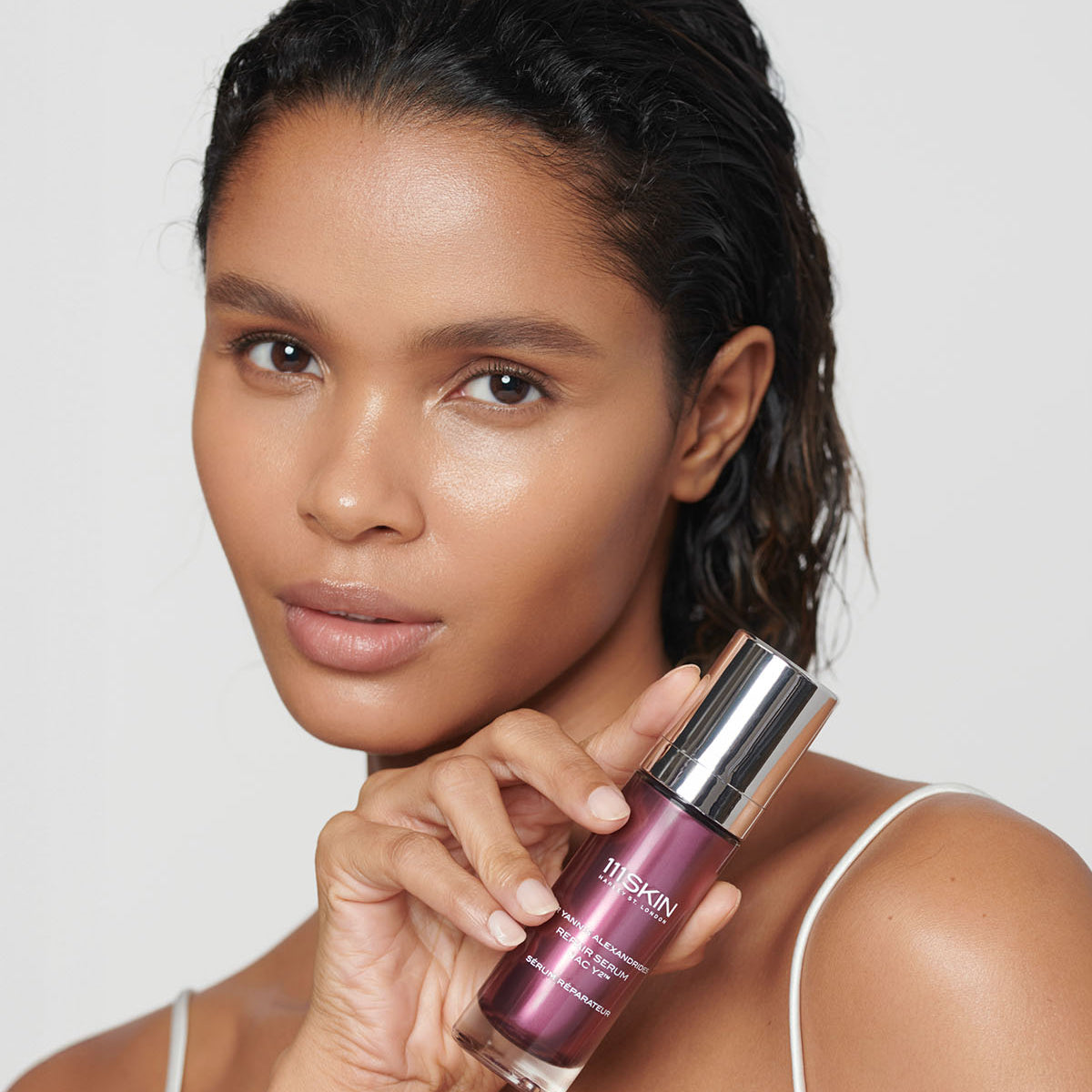
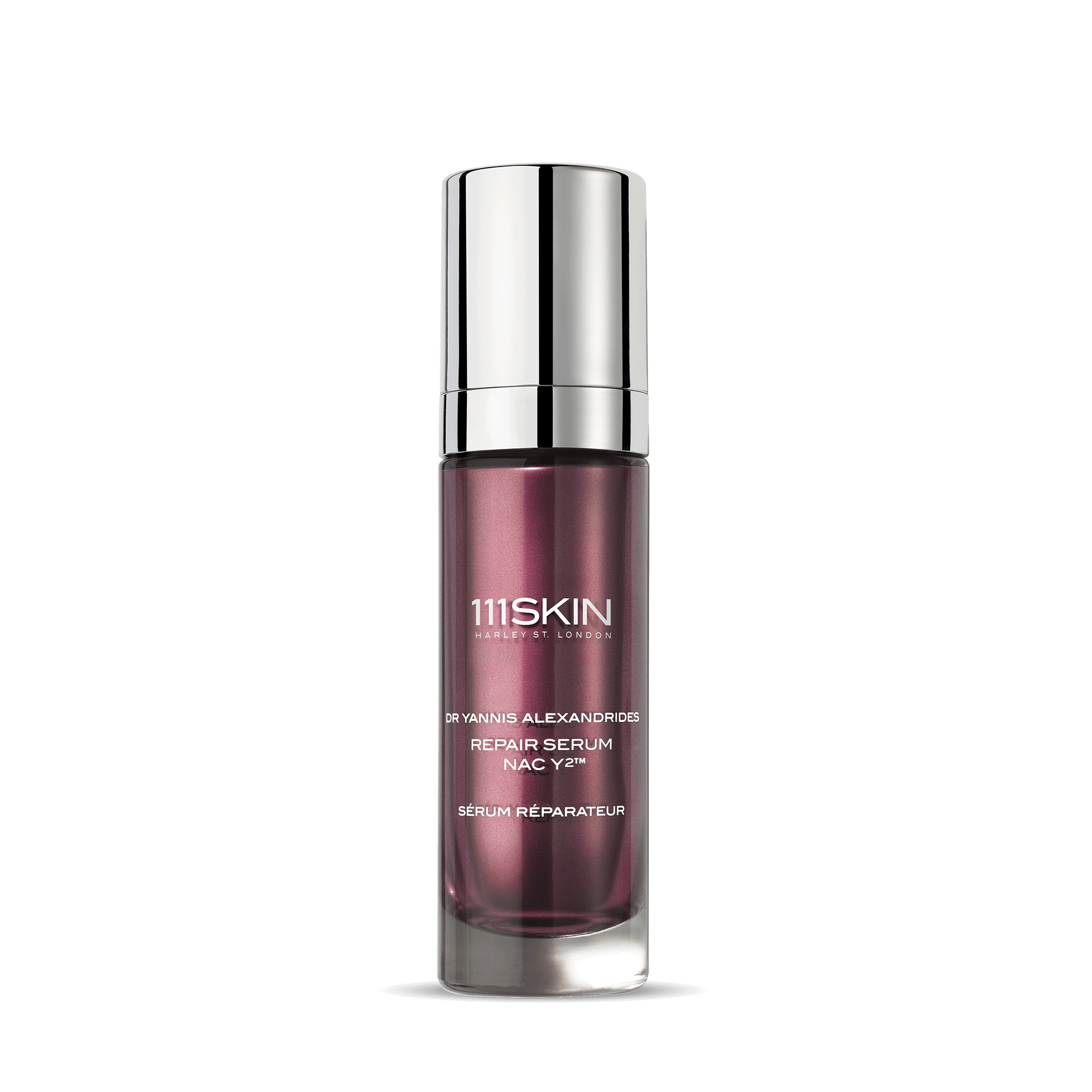
- Apply Repair Serum NAC Y²™. Smooth 1 to 2 pumps over the face and neck for hydration and smoother, plumper-looking skin. Its cooling, velvety texture makes it a comfortable follow-on step.
- Apply Repair Day Cream NAC Y²™. Use a pea-sized amount over the face, neck and décolletage after serum for nourishing hydration and skin-barrier support.
- Finish with Repair Sunscreen SPF50+. Apply generously and evenly after moisturiser, 15 to 20 minutes before sun exposure, following its exposure and reapplication directions.
For an evening application, the same cleanse, mask and serum sequence can be followed by Repair Night Cream NAC Y²™. Apply a pea-sized amount to the face, neck and décolletage after serum.
Hydration after masking is useful even when puffiness was your starting concern. Humectants attract water into the skin's outer layers, while moisturisers provide complementary skin-softening and moisture-loss-limiting care. These roles help explain why a mask and a moisturiser can belong in the same routine without doing the same job.
Place the mask between cleansing and leave-on skincare. Once it is removed, complete your routine instead of treating the mask as the final moisturising or sun-protection step.
Getting a better result without over-treating
Keep occasion preparation familiar
Before an important occasion, choose a mask you have already used comfortably. Introducing several unfamiliar products at once makes it harder to know what suits your skin and increases the chance that irritation will disrupt your preparation.
Allow enough time for the mask and your normal skincare, then apply make-up once those products have settled comfortably. You do not need to add vigorous massage, a facial tool or an exfoliating treatment to make a de-puffing mask worthwhile.
If cosmetics gather or roll on the surface, review how much leave-on product you applied and how heavily you are rubbing it in. Adding more layers is rarely the most useful first adjustment. Keep the supporting routine measured and let each product spread evenly.
Notice patterns without chasing every change
If your face repeatedly looks puffy after short nights or salty meals, noticing that pattern may be more helpful than continually changing masks. Regular sleep, ordinary hydration and moderating excess alcohol and salt can support a more rested appearance.
A mask is useful for the visible concern in front of you, but repeated swelling should not simply lead to more frequent masking. If the pattern changes, becomes persistent or brings discomfort, seek advice about the cause.
Keep expectations tied to the treatment's role. A comfortable, focused application can improve the look of tired skin; it cannot guarantee a particular duration of de-puffing or permanently alter your facial structure.
Choose a mask for the change you actually see
For a puffy-looking face, Cryo De-Puffing Facial Mask is the direct choice within 111SKIN's removable facial masks. Its two-piece hydrogel format targets visible puffiness and tired-looking skin, with the option of refrigeration before your 20-minute treatment.
Start by deciding whether puffiness affects the whole face or mainly the under-eye area. Then choose the corresponding Cryo De-Puffing treatment and keep the supporting routine simple. If dryness, dullness or reduced firmness is more prominent, select the mask built around that concern, using the 111SKIN skincare quiz if you would like help refining your choice.
As with any skincare product, patch test before first use. If you are pregnant or breastfeeding, consult your doctor before using any skincare products.
FAQ
What is the best type of mask for a puffy face?
Choose a mask specifically formulated for visible puffiness, such as Cryo De-Puffing Facial Mask. Its two-piece hydrogel format addresses puffy, tired-looking skin, while a targeted eye mask is more suitable when the concern is concentrated beneath the eyes.
Can I refrigerate Cryo De-Puffing Facial Mask?
Yes, Cryo De-Puffing Facial Mask may be refrigerated before use for a chilled treatment experience. Refrigeration is the cooling option for this mask; avoid applying ice directly to your skin.
How long should I leave a de-puffing facial mask on?
Wear Cryo De-Puffing Facial Mask for 20 minutes on clean, dry skin, in the morning or evening. Remove it before applying your subsequent leave-on skincare, and do not use it as an overnight mask.
Will a face mask permanently slim my face?
No, a cosmetic de-puffing mask addresses the appearance of temporary puffiness, not facial fat or permanent facial structure. If swelling is persistent, painful or unexplained, seek medical advice instead of relying on repeated mask treatments.