


Table of Contents
- Introduction
- Understand what your skin needs
- Choose products with complementary roles
- Apply your hydrating routine in the right order
- Adapt hydration to your skin and surroundings
- Refresh hydration without restarting your routine
- Use a facial mask for a focused hydration ritual
- Troubleshoot dryness without over-treating
- Conclusion
- FAQ
Introduction
A hydrating skincare routine combines gentle cleansing, water-replenishing skincare and a moisturiser that helps skin retain moisture, followed by sunscreen in the morning. This approach leaves skin feeling more comfortable and looking smoother, plumper and more radiant, whether your complexion is naturally dry or oily but feeling dehydrated.
The most useful routine addresses both sides of hydration: adding moisture and limiting its loss. A serum and cream have complementary roles, while a booster, facial mask or finishing mist can answer a more specific need. Getting those choices and their application right matters more than adding extra layers.
Understand what your skin needs
Dry skin and dehydrated skin can overlap
Dry skin generally produces less natural oil, so it often feels rough, lacks suppleness or develops flaky patches. Dehydration describes insufficient water in the skin's outer layers. It can affect any skin type, including a complexion that looks shiny by lunchtime.
The distinction matters because oiliness does not tell you how well hydrated your skin is. If your forehead is shiny but your cheeks feel tight, trying to remove more oil may leave those cheeks increasingly uncomfortable. Lightweight hydration and a suitable moisturiser make more sense than repeatedly cleansing away surface shine.
Dryness and dehydration frequently occur together. A complexion that lacks oil may also struggle to retain water, which is why a hydrating serum beneath a nourishing cream is a useful pairing. You are replenishing moisture while supporting a softer, more comfortable skin surface.
Look at patterns across the day, not just immediately after applying skincare. Tightness after washing, make-up catching on rough areas and fine lines looking more noticeable can all suggest that your routine needs more hydration. These observations are useful guides, but they do not diagnose the cause of persistent dryness or irritation.
Hydration and moisturising work together
Hydration concerns the water content of the skin. Humectants, including Hyaluronic Acid and Glycerin, attract and hold water, helping the outer layers look plumper and feel more supple. Their lightweight character makes them useful across different skin types.
Moisturising is broader. A moisturiser can supply humectants alongside emollients that soften the skin and ingredients that help limit moisture loss. These functions often coexist within one formula, so the distinction is not as simple as "serums add water and creams add oil".
The skin barrier also matters. The outermost layer helps control water loss, and repeated harsh cleansing or excessive exfoliation can undermine its function. A successful routine therefore needs to avoid removing more moisture than the products that follow can comfortably replenish.
Build hydration around two questions: does your skin feel sufficiently replenished, and does that comfort last between applications? The answer helps you decide whether to adjust your hydrating step, your moisturiser or your cleansing habits.
Choose products with complementary roles
111SKIN was founded by plastic and reconstructive surgeon Dr Yannis Alexandrides and Eva Alexandridis. Drawing on Dr Yannis' practice at 111 Harley St. in London, its approach combines clinical inspiration with considered textures and at-home rituals. For hydration, that translates into choosing formulas for both their cosmetic benefits and how comfortably they fit into daily care.
Use a serum for hydration and visible skin quality
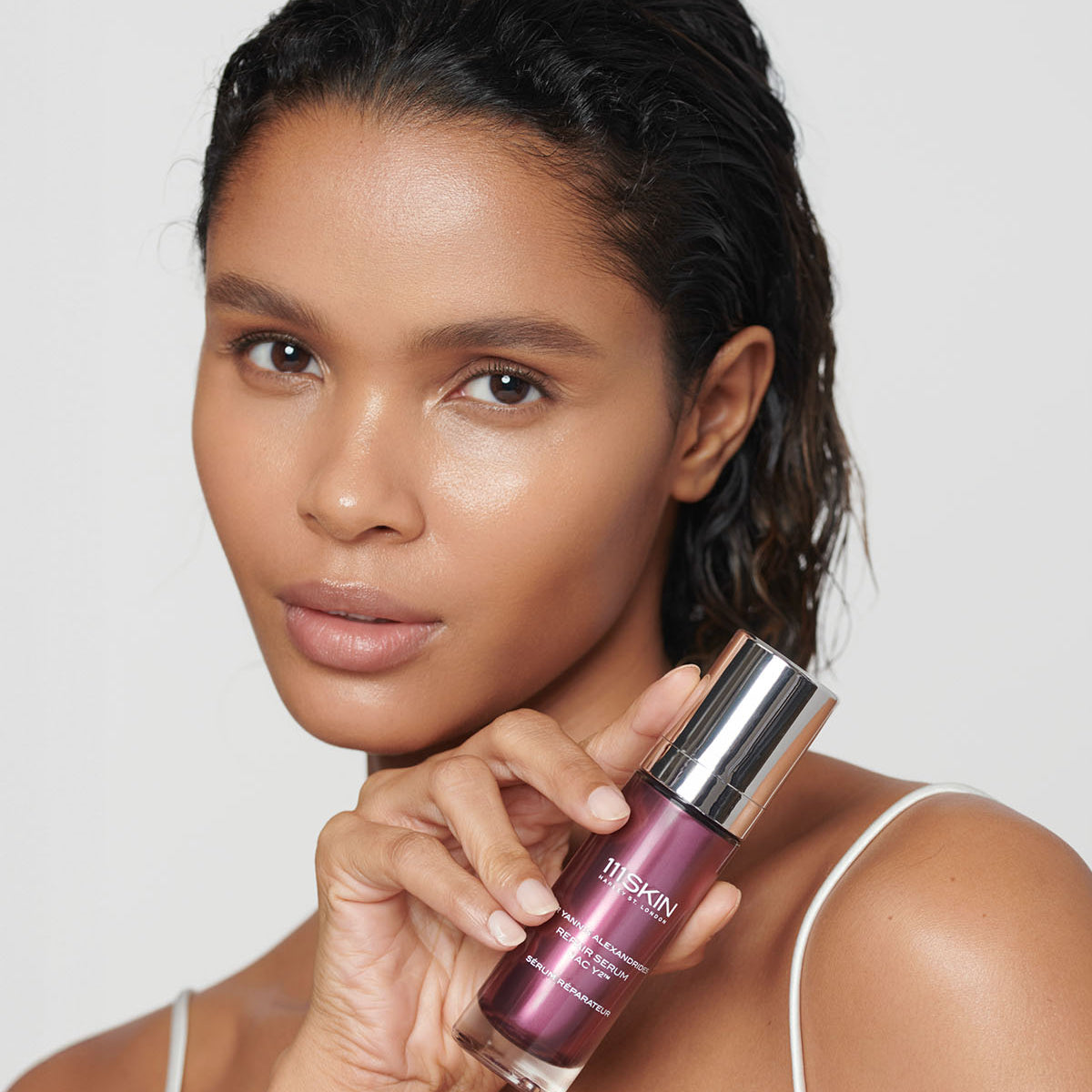
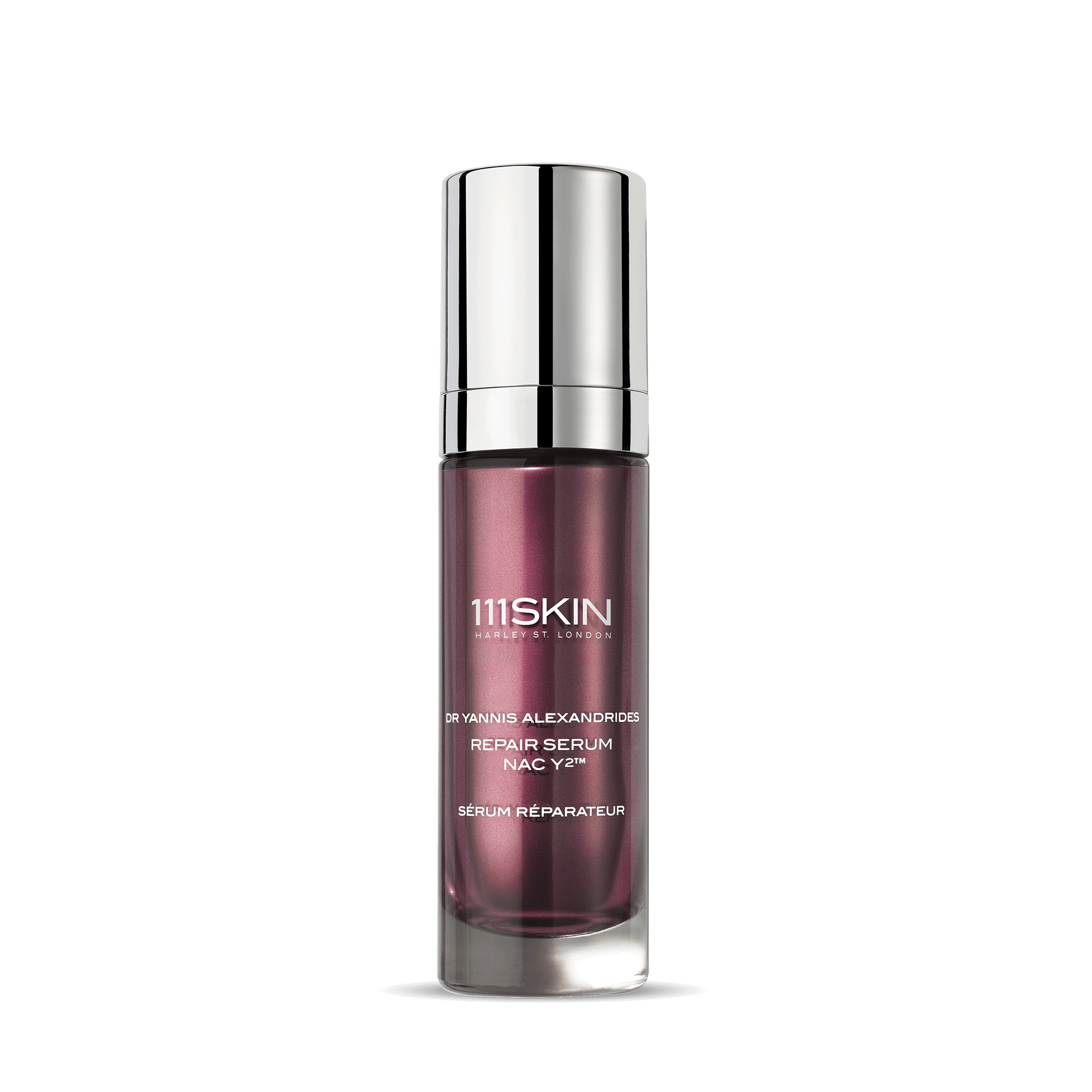
Repair Serum NAC Y²™ is a strong foundation when dehydration accompanies visible redness, early signs of ageing or a loss of surface smoothness. It delivers hydration and helps skin look smoother and plumper, with a cooling, velvety texture that makes the treatment step feel replenishing.
The formula features NAC Y²™, Pink Rock Rose Extract and Centella Asiatica. Its relevance is the combination of hydration with broader visible skin-quality benefits, particularly when you want one serum to address more than a dry-feeling complexion. It received Tatler Best Serum for Repair at the Beauty Awards 2025.
Think about the result you want beyond an immediately dewy finish. If skin feels tight and looks less supple, hydration and plumping are useful priorities. If visible redness is also part of the picture, this serum offers a more rounded choice than selecting a product solely because it contains a familiar humectant.
Add a booster when water replenishment is the priority
Hyaluronic Acid Aqua Booster provides a hydration-focused step featuring Hyaluronic Acid and Niacinamide. It is useful when your existing routine feels comfortable overall but you want additional hydration, for example when dry indoor air leaves skin feeling less supple.
A booster should have a clear job within the routine. Here, its purpose is to increase hydration without making a richer cream your only response. That can be especially appealing if you prefer lighter layers or have combination skin with dry-feeling cheeks and a shinier T-zone.
An essence is another preparation format, but it serves a different application preference. Antioxidant Essence NAC Y²™ offers a hydrating step pressed onto freshly cleansed skin: use 5 to 7 drops, morning or evening. It is not a cleanser or a finishing mist.
These additions are optional. Establish the cleanser, serum, moisturiser and morning sunscreen first, then add one hydration step if it answers an identifiable need. That makes it easier to understand what improves comfort and what simply adds another layer.
Choose a moisturiser for lasting comfort
Repair Day Cream NAC Y²™ supplies nourishing hydration and skin-barrier support. It is the morning partner to a hydrating serum, particularly when skin needs a more cushioned, comfortable finish before sunscreen.
Repair Night Cream NAC Y²™ is a replenishing evening moisturiser. Its role is to complete the hydration routine after serum, supporting a soft, nourished feel as you settle into your evening ritual.
A richer-feeling texture is not automatically the best choice for every complexion. What matters is how your skin feels once the full routine has settled and how comfortable it remains afterwards. Equally, a very light finish is not a benefit if your cheeks feel tight again soon after application.
Apply your hydrating routine in the right order
The following routine provides a consistent foundation for morning and evening. Keep the shared steps the same, then use the appropriate moisturiser and daytime protection to complete it. The booster belongs before serum when used as a separate layer.
Follow the shared cleansing and hydration steps
- Cleanse gently. Apply 2 to 3 pumps of Cleansing Oil with dry hands to dry skin. Massage for 30 seconds, then rinse with warm rather than hot water and pat dry. The oil emulsifies to remove make-up and impurities while leaving skin softer.
- Add targeted hydration if needed. Shake Hyaluronic Acid Aqua Booster, then pat 2 to 4 drops onto clean, dry skin before serum. Its directions also allow mixing with serum or moisturiser; use that as an alternative to the separate booster step.
- Apply your serum. Smooth 1 to 2 pumps of Repair Serum NAC Y²™ over the face and neck. This is the principal treatment layer for hydration, smoother and plumper-looking skin, visible redness and early signs of ageing.
- Complete with moisturiser. Follow with the morning or evening cream described below, then add sunscreen in the morning.
Cleansing Oil can be used alone or as the first step in a double cleanse. A second cleanse can be useful when you need further removal of make-up or residue, but a hydration routine does not require repeated washing simply to create a thoroughly "squeaky" finish. Skin should feel clean and comfortable.
Apply products evenly rather than repeatedly working them over the same area. Gentle smoothing and patting are sufficient for a hydrating routine, and they avoid unnecessary friction on skin that already feels dry.
Complete your morning routine with protection
After serum, apply a pea-sized amount of Repair Day Cream NAC Y²™ to the face, neck and décolletage. Distribute it evenly so that the drier areas receive care without concentrating the whole amount on the centre of the face.
Follow with Repair Sunscreen SPF50+, applying generously and evenly after moisturiser, 15 to 20 minutes before sun exposure. Follow its exposure and reapplication instructions, alongside protective clothing and shade where appropriate.
Sunscreen has a different purpose from a hydrating serum or cream. UV exposure contributes to skin damage and visible premature ageing, so daily protection belongs alongside hydration even when dryness is your main concern. Keep sunscreen as its own layer rather than mixing it with a booster or moisturiser.
Before make-up, check that your skincare is evenly distributed and has settled sufficiently for the next product to glide across it. There is no need to create a fixed waiting schedule between each hydration layer.
Complete your evening routine with replenishing care
After serum, apply a pea-sized amount of Repair Night Cream NAC Y²™ to the face, neck and décolletage. This completes the evening routine with replenishing moisture.
The evening is also an opportunity to assess how the daytime routine performed. If skin felt comfortable until cleansing, you may simply need to maintain the same approach. If tightness returned every afternoon, review the hydration and moisturising steps rather than immediately introducing several new treatments.
Do not judge the routine only by how glossy skin looks at bedtime. A wet or highly reflective finish is not a measurement of hydration. More useful signs are improved suppleness, less tightness and a smoother surface when applying skincare or make-up.
Adapt hydration to your skin and surroundings
For dry, combination or oily skin
Dry skin usually benefits from attention to both replenishment and retention. Keep the hydrating treatment layer, but also assess whether your moisturiser provides enough comfort between applications. If the skin feels soft initially and tight again shortly afterwards, adding more serum alone may not resolve the whole problem.
Combination skin often needs a more localised assessment. The cheeks may feel rough while the forehead remains shiny, so avoid treating surface oil as a reason to remove moisturiser from the entire face. Apply your routine evenly and observe how each area responds.
Oily skin can also benefit from humectant-led hydration. Hyaluronic Acid Aqua Booster offers a way to prioritise water replenishment, while the moisturiser should be selected for a comfortable finish. There is no need to pursue a completely matt complexion if achieving it leaves skin feeling taut.
Use these observations to guide adjustments:
- Tightness immediately after washing: review water temperature, cleansing intensity and whether you are washing more than necessary.
- Comfort after skincare, followed by dryness later: assess the moisturising step as well as the amount of hydration underneath.
- A heavy or sticky surface without improved comfort: simplify excess layers and check that you are using the directed quantities.
- Roughness that becomes more uncomfortable after exfoliation: stop treating the texture as a signal to exfoliate more and focus on gentle care.
Change one part of the routine at a time. This gives you a clearer sense of whether the problem was cleansing, insufficient moisturising or simply too many overlapping layers.
For heating, air conditioning and seasonal changes
Low humidity, cold weather and heated interiors can increase the challenge of maintaining skin comfort. Air conditioning can also leave skin feeling dry, even when the weather outside is warm. Your routine may need adjusting to the environment as well as your usual skin type.
Start by preserving the basics: warm water, gentle cleansing and consistent moisturising. If those habits are already in place, a hydration booster can provide a focused addition without changing the entire routine. A finishing mist can then refresh dry-feeling skin during the day.
A humidifier may help when indoor air is particularly dry, provided it is cleaned and maintained properly. Shorter, lukewarm showers also reduce unnecessary exposure to hot water. Drinking enough water supports general health, but drinking more than your body needs does not replace topical care or address every cause of facial dryness.
Refresh hydration without restarting your routine
All Day Radiance Face Mist adds hydration and radiance in a convenient spray format, leaving skin refreshed with a glowing finish. It is particularly useful when skin feels dry during the day or make-up needs a more luminous-looking finish.
The formula features rose water, humectants including Glycerin and Hyaluronic Acid, and a multi-peptide blend. Its practical advantage is accessibility: you can refresh the complexion without cleansing again or removing make-up to reapply a serum.
Use it after the completed routine, over make-up or for a daytime refresh. Hold it 8 to 10 inches from the face, close your eyes and spray 2 to 3 times, avoiding direct eye contact. It is a finishing step, not a product to insert between skincare layers.
The mist complements your moisturiser, which remains part of the underlying routine for sustained comfort. It also does not replace sunscreen or sunscreen reapplication. If you frequently reach for mist because skin feels persistently tight, revisit the morning routine rather than relying on repeated refreshing alone.
A finishing mist is ideal when you want hydration and glow without disturbing the rest of your skincare. Persistent tightness is a cue to review the routine underneath.
Use a facial mask for a focused hydration ritual
A removable facial mask offers a dedicated period of hydration when skin needs extra care or you want a more replenished finish before an occasion. It complements daily skincare, while its format creates time for an unhurried treatment.
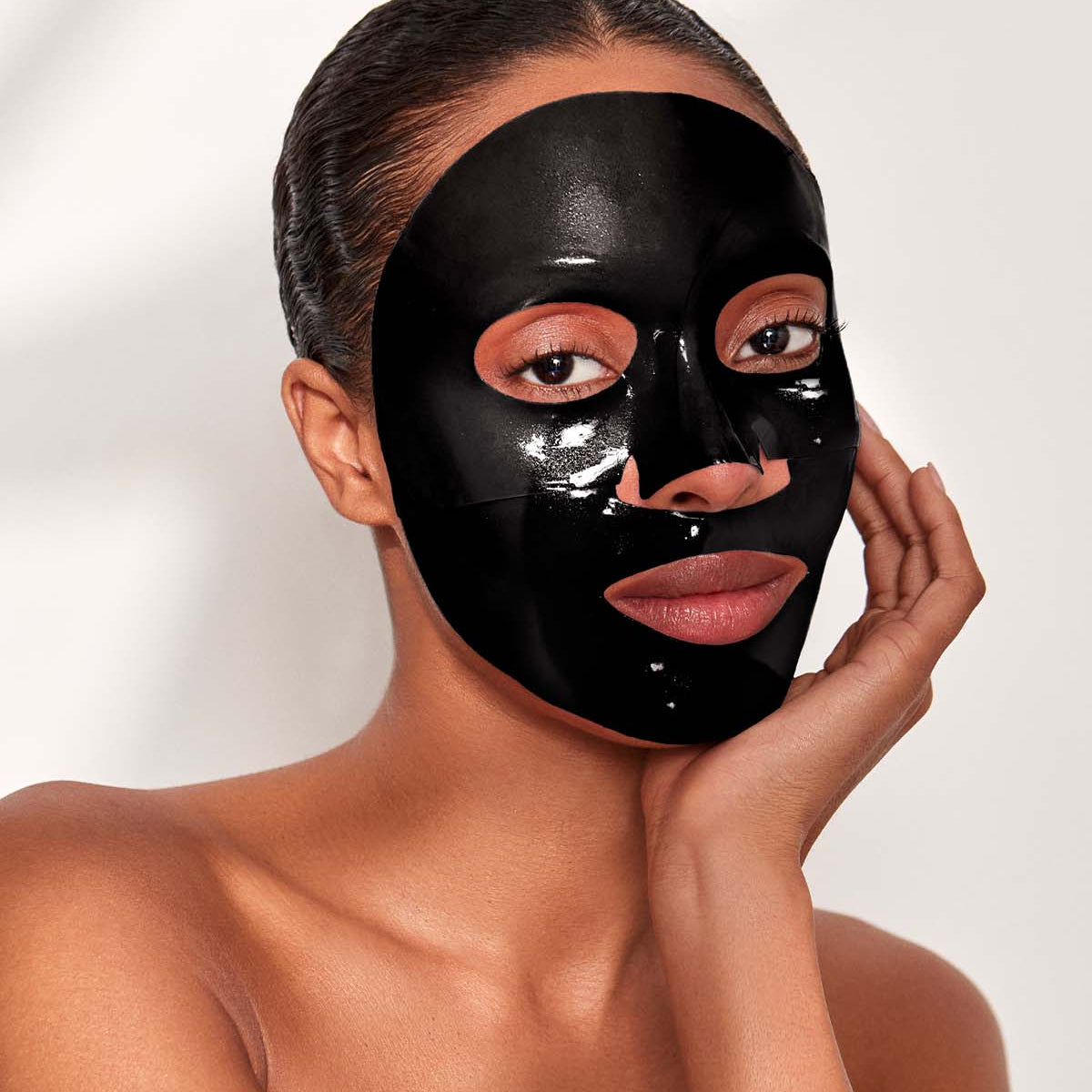
Y Theorem Bio Cellulose Facial Mask is designed for hydration and visibly stressed skin, featuring NAC Y²™, Ectoin and Centella Asiatica. Its biocellulose material makes it a useful choice when the priority is a replenishing ritual for a complexion that looks and feels under strain.
Rose Gold Brightening Facial Treatment Mask is a hydrogel option for a hydrated, plumper and radiant finish, featuring Damask Rose and Gold. It is particularly relevant when hydration and luminosity are equal priorities, such as before make-up. It was included in WWD Beauty Inc's 100 Greatest Skin Care Products of All Time in 2024.
Use either mask on clean, dry skin after cleansing, morning or evening. Remove the protective gauze from Y Theorem Bio Cellulose Facial Mask as directed, wear your chosen mask for 20 minutes, then remove it before continuing with subsequent leave-on skincare. These are removable masks, not overnight treatments.
The choice is about the finish and concern you want to prioritise, not a competition between materials. Both offer hydration; Y Theorem focuses on visibly stressed skin, while Rose Gold brings a particular emphasis on radiance and plumping. Use a mask when it serves your skin's needs and your schedule, without turning it into a rigid weekly obligation.
Troubleshoot dryness without over-treating
When hydration seems ineffective, first check the habits around it. Very hot water, vigorous towel drying and frequent scrubbing can work against a carefully selected serum and cream. A softer cleansing technique may improve comfort more usefully than adding another treatment.
Flaking is not automatically a sign that skin needs exfoliation. If rough patches also sting or feel tight, further exfoliation can increase discomfort. Dullness can improve with hydration and smoothing alone, so an exfoliating treatment is not a compulsory part of this routine.
Product pilling also deserves a practical response. Check the directed amounts, spread each layer evenly and reduce unnecessary rubbing. If several extra products have accumulated around your core routine, simplify them before reducing sunscreen or omitting moisturiser.
Stop using a product if irritation occurs. Persistent dryness, cracking, bleeding, significant itching or a rash merits advice from a doctor or dermatologist. Cosmetic hydration can improve comfort and appearance, but ongoing symptoms may need a different approach.
Conclusion
An effective hydrating skincare routine replenishes water, supports moisture retention and keeps cleansing gentle. Repair Serum NAC Y²™ and the appropriate day or night cream provide a clear foundation, with Repair Sunscreen SPF50+ completing morning protection.
Build from that foundation according to what you observe. Use Hyaluronic Acid Aqua Booster for additional water-focused hydration, All Day Radiance Face Mist for a refreshed daytime glow, or a facial mask for a focused treatment. The goal is skin that feels comfortably supple between applications, with a smoother, plumper and more radiant appearance.
As with any skincare product, patch test before first use. If you are pregnant or breastfeeding, consult your doctor before using any skincare products.
FAQ
What is the simplest hydrating skincare routine?
Start with gentle cleansing, a hydrating serum and moisturiser, followed by sunscreen in the morning. Repair Serum NAC Y²™ supports hydration and smoother, plumper-looking skin, while the appropriate day or night cream completes moisturising care. Add a booster or mask only when it answers a specific need.
Should I apply hydrating products to damp or dry skin?
Follow the instructions for the individual product rather than applying one rule to every hydrating formula. Hyaluronic Acid Aqua Booster is applied to clean, dry skin before serum, while Cleansing Oil begins on dry skin with dry hands. General advice about damp-skin application should not override those directions.
Can oily skin benefit from a hydrating skincare routine?
Yes, oily skin can still lack water and feel tight or uncomfortable. Humectants such as Hyaluronic Acid help replenish hydration without making oil removal the focus of the routine. Pair hydration with a moisturiser that feels comfortable on your skin, and avoid repeated harsh cleansing to control shine.
How quickly should a hydrating routine improve my skin?
Some products provide an immediately more hydrated feel or radiant finish, but there is no single timetable for resolving dryness. Look for less tightness, better suppleness and improved comfort between applications as you use the routine consistently. Persistent irritation, cracking or uncomfortable dryness should be assessed by a healthcare professional.