


Table of Contents
- Introduction
- Which foods are most likely to make your face puffy?
- Do dairy, carbohydrates and other foods cause facial puffiness?
- How to identify a useful food pattern
- When facial swelling needs medical attention
- What skincare can do for a puffy-looking face
- Targeted care for puffy-looking eyes
- A compact morning routine for mild puffiness
- Conclusion
- FAQ
Introduction
Very salty foods are the clearest dietary contributors to temporary facial puffiness. Instant noodles, processed meats, crisps, salty sauces and some takeaway meals can encourage your body to retain water, which may show around the eyes and cheeks. Alcohol can also contribute to a puffy-looking face, particularly alongside disrupted sleep and a salty evening meal.
The useful distinction is between mild, temporary puffiness and sudden swelling after eating. The latter can signal a food allergy and needs a different response. Understanding that difference, checking the salt in everyday meals and choosing targeted skincare for visible puffiness is more useful than cutting out entire food groups.
Which foods are most likely to make your face puffy?
Salty snacks, processed meats and convenience meals
Sodium, a component of salt, helps regulate the body's fluid balance. A high salt intake can encourage fluid retention, and in some people this becomes visible as facial puffiness. The response varies: a meal that leaves one person looking noticeably puffy may have little visible effect on another.
Common sources worth checking include:
- Salty snacks: crisps, pretzels, salted popcorn and heavily salted nuts.
- Processed meats: bacon, ham, salami and sausages.
- Convenience meals: instant noodles, some ready meals, packaged soups and takeaway dishes.
- Condiments and accompaniments: soy sauce, salty dressings, stock-based sauces, pickles and olives.
- Some cheeses: especially when combined with cured meats, bread and salty sauces in the same meal.
These foods do not need to become a permanent avoidance list. The amount you eat, the salt content of the particular product and the rest of your day's meals all matter. A small amount of a salty ingredient within an otherwise balanced meal is different from several high-salt foods eaten together.
Nor is all packaged food equally salty. Frozen vegetables, plain oats and tinned beans without added salt are convenient foods with very different nutritional profiles from instant noodles. Looking at the label is more informative than treating "processed" as a single category.
Sauces and restaurant meals can add salt unnoticed
A meal does not have to taste intensely salty to contain a substantial amount of salt. Bread, cheese, stock, marinades and dressings can each contribute, creating a larger combined intake than you might expect.
Sushi is often singled out as a cause of next-day puffiness, but the label is too broad. Soy sauce, seasoned ingredients, pickled accompaniments and the overall meal are more useful things to consider than assuming that fish or rice inevitably causes facial swelling.
The same principle applies to pizza, burgers and noodle dishes. Ask for sauces or dressings on the side, use a smaller amount and compare lower-salt alternatives where practical. These changes preserve the meal without requiring a restrictive diet.
When comparing labels, use the same measure, such as salt per 100 g, then consider your actual portion. A lower-salt sauce can still contribute a considerable amount if you use much more of it. "Reduced salt" also describes a comparison with another version, not necessarily a low-salt food.
Alcohol can contribute to next-morning puffiness
Alcohol is not a food, but it belongs in this discussion because it frequently accompanies the meals people associate with a puffy face. It increases urine production and can disrupt sleep, while salty snacks and takeaway food may add another influence.
It is too simplistic to describe every puffy morning after drinking as a direct dehydration reaction. Several factors can overlap, and the visible effect varies between people. Drinking less alcohol and maintaining regular sleep are more useful measures than trying to counteract an evening's drinking with a particular food.
Water helps replace lost fluid, but it does not cancel alcohol's effects. Avoid treating excessive water intake, sweating or a punishing workout as a way to "flush out" a puffy face.
Look at the whole meal and evening: salty ingredients, alcohol and poor sleep can overlap. One food does not always explain the change you see.
Do dairy, carbohydrates and other foods cause facial puffiness?
Dairy intolerance is different from milk allergy
Lactose intolerance commonly causes digestive symptoms such as abdominal bloating, wind and diarrhoea. It does not, by itself, explain sudden swelling of the lips, eyelids or face. Abdominal bloating and facial swelling are different symptoms, even when people use the same word for both.
Milk allergy is an immune reaction and can cause swelling, hives and other symptoms. Facial swelling after dairy should therefore not be casually dismissed as lactose intolerance. Seek medical advice if you suspect an allergic reaction.
Cheese can also contribute salt independently of any intolerance or allergy. If you notice puffiness after a cheese-heavy meal, consider the meal's salt content before assuming that all dairy is unsuitable for you. There is no general reason to remove milk or yoghurt solely because your face occasionally looks puffy.
Carbohydrates and sugar are not universal facial-swelling triggers
The body stores some carbohydrate as glycogen, and glycogen storage is associated with water. Changes in carbohydrate intake can therefore influence body water, but that does not establish that bread, rice or pasta predictably causes visible facial swelling.
Many meals blamed on carbohydrates also contain plenty of salt. Pizza includes dough, but its cheese, processed meat and sauces are important parts of the picture. Instant noodles are a carbohydrate food, yet the seasoning can be a substantial salt source.
Similarly, a sweet dessert is not enough to diagnose "sugar inflammation" from your reflection the following morning. Moderating added sugar can be part of a balanced diet, but it is not a guaranteed de-puffing treatment. Avoid skipping meals or sharply restricting carbohydrates to change your face before an event.
Gluten, tomatoes, nuts and fizzy drinks need context
Gluten is not a universal cause of facial puffiness. Coeliac disease, wheat allergy and other food-related symptoms require appropriate assessment, not a diagnosis based on appearance alone. If coeliac disease is suspected, speak to your GP before starting a gluten-free diet because removing gluten can affect testing.
There is also no sound reason to routinely avoid tomatoes because of claims that their natural compounds cause puffy eyes. Individual allergies can occur, but a nutritious food should not become a general swelling trigger on that basis.
Nuts deserve similar care. Salted nuts contribute salt; unsalted nuts are not inherently a facial-bloating food because they contain fat. Swelling after peanuts or tree nuts raises the possibility of allergy and should not be treated as ordinary dietary water retention.
Carbonation can cause gas and a bloated feeling in the abdomen. That gas does not travel into facial tissues. Coffee and tea are also not automatic causes of a puffy face, although caffeine late in the day may interfere with sleep in people who are sensitive to it.
How to identify a useful food pattern
Notice timing without diagnosing yourself
Mild puffiness on waking after a salty evening meal is a different pattern from lip swelling shortly after eating. Timing helps you describe what happened, but it cannot confirm a cause on its own.
For occasional, mild puffiness, a brief record can be useful. Note the meal, alcohol intake, sleep, where you noticed puffiness and whether it settled as the day progressed. Keep the record simple enough that it supports a practical decision rather than encouraging constant checking.
A photograph taken in similar lighting can be more informative than comparing different mirrors throughout the day. Shadows, camera angles and facial expression can all change how full the eye area looks. You are looking for a repeated pattern, not judging every small variation.
Do not deliberately eat a food again to test it if it previously caused sudden swelling, hives or breathing symptoms. Suspected allergy needs professional assessment.
Make one manageable adjustment
Changing several food groups at once makes it difficult to know what helped. Start with an obvious source of excess salt or alcohol while keeping regular, balanced meals.
A practical sequence is:
- Review the likely contributors. Check sauces, seasoning sachets, snacks and processed meats, not just salt added at the table.
- Make one straightforward change. Use less sauce, choose a lower-salt version or replace a salty snack with an unsalted alternative.
- Keep hydration and sleep reasonably consistent. This makes the pattern easier to interpret.
- Review what happens over several ordinary days. If puffiness continues or repeatedly returns, seek advice instead of progressively restricting your diet.
Useful swaps might include plain yoghurt with fruit instead of a salty late snack, or a home-prepared meal with herbs, lemon and a measured amount of seasoning. These are ways to reduce salt exposure, not foods that actively drain the face.
Fruit, vegetables, whole grains and suitable protein sources support a balanced diet. Potassium-rich foods can form part of that pattern, but potassium supplements and "water-loss" remedies are not appropriate cosmetic shortcuts. People with kidney conditions or prescribed dietary restrictions should follow their clinician's advice.
Drink normally, without trying to force a result
Regular fluid intake supports normal body function. Drinking steadily through the day is more sensible than consuming large amounts of water after noticing puffiness, and water needs vary with activity, weather and health.
Do not add salt to drinking water as a facial de-puffing strategy. Nor should you restrict water to make your face look less full. If you have been given a fluid limit for a medical condition, that guidance takes priority.
When facial swelling needs medical attention
Call 999 or your local emergency number if swelling after food involves the tongue or throat, difficulty breathing or swallowing, faintness or rapid deterioration. A serious allergic reaction can occur without a widespread rash. Use an adrenaline auto-injector if one has been prescribed, following your emergency plan.
New swelling of the lips, face or eyelids after eating also warrants prompt medical advice, even if breathing is normal. Do not cover it with a mask or assume it is simply the effect of a salty meal.
Persistent, worsening, painful or one-sided facial swelling needs assessment, particularly with redness, fever, dental pain or eye symptoms. Medicines, allergies, infections and other health conditions can cause swelling, so food is not always responsible. Do not stop a prescribed medicine without speaking to the prescriber.
These distinctions matter because cosmetic care is appropriate for familiar, mild, tired-looking puffiness, not unexplained acute swelling.
What skincare can do for a puffy-looking face
Separate visible puffiness from other skin concerns
A puffy face can also look dry or tired. These concerns can coexist: fullness from fluid in tissues is different from hydration in the skin's outer layers. Using moisturiser does not mean you are adding to dietary water retention.
Likewise, dark circles, visible lines and under-eye bags are not interchangeable. Shadows may reflect pigmentation or facial structure, while persistent bags can have structural components. A de-puffing routine can refresh the appearance of the eye area without changing every source of shadow or fullness.
111SKIN was founded by plastic and reconstructive surgeon Dr Yannis Alexandrides and Eva Alexandridis, drawing on his practice at 111 Harley St. in London. That clinical inspiration is useful here: identify the visible concern, then select a texture and format that addresses it without confusing cosmetic care with medical treatment.
Choose a facial mask for widespread tired-looking puffiness
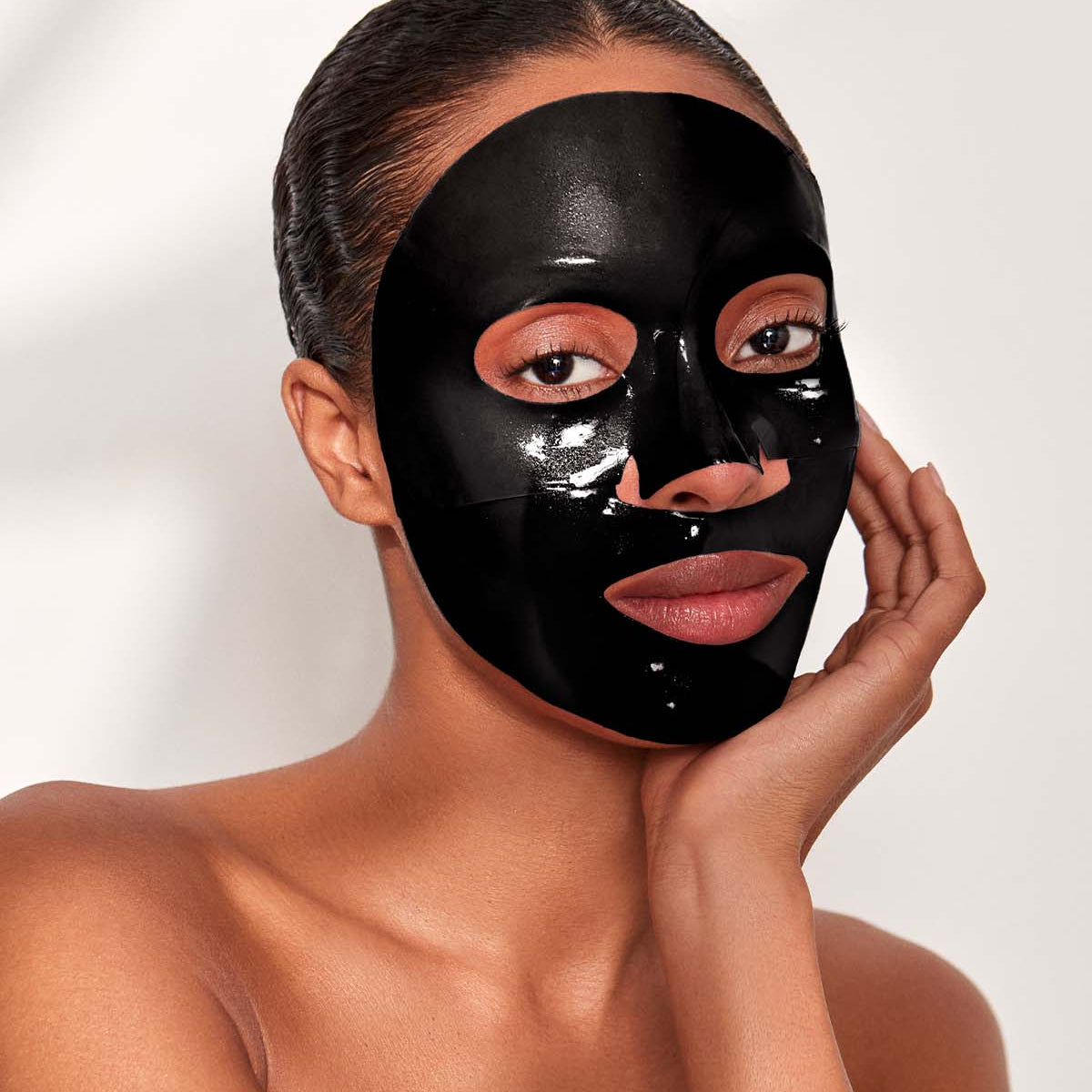
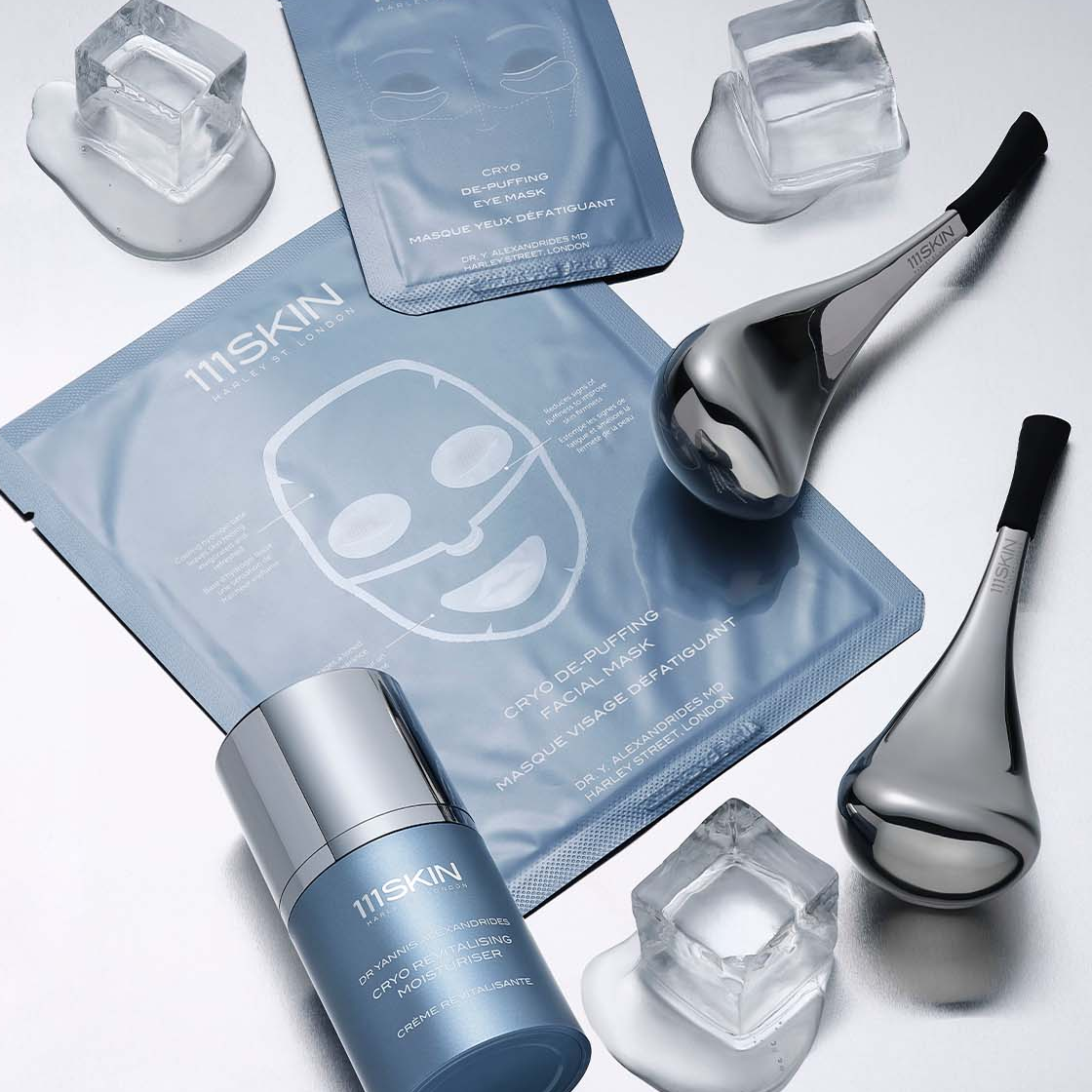
Cryo De-Puffing Facial Mask is a two-piece hydrogel mask for visibly puffy, tired-looking skin, featuring Caffeine and peptides. It is a relevant choice when the concern extends beyond the under-eyes and you want a refreshed-looking complexion. Refrigeration before use is permitted for this mask.
Use it on clean, dry skin after cleansing, morning or evening. Wear it for 20 minutes, then remove it before applying subsequent leave-on skincare. Its upper and lower facial sections provide a different coverage area from targeted eye patches.
The mask addresses appearance; it does not remove dietary sodium or treat an allergic reaction. Keep expectations focused on a fresher-looking face while you address any recurring lifestyle pattern separately.
Targeted care for puffy-looking eyes
For daily care, Eye Lift Gel NAC Y²™ offers lightweight hydration and addresses visible puffiness, dark circles and wrinkles, with a lifted-looking finish. Its formula contains NAC Y²™, Argireline and Caffeine, making it a useful choice when morning puffiness overlaps with dehydration and visible lines.
Its wrinkle benefits are also documented: 111SKIN reports a 35% wrinkle reduction after two weeks in a clinical trial of 30 participants using Primos CR. The gel texture does not limit it to puffiness alone.
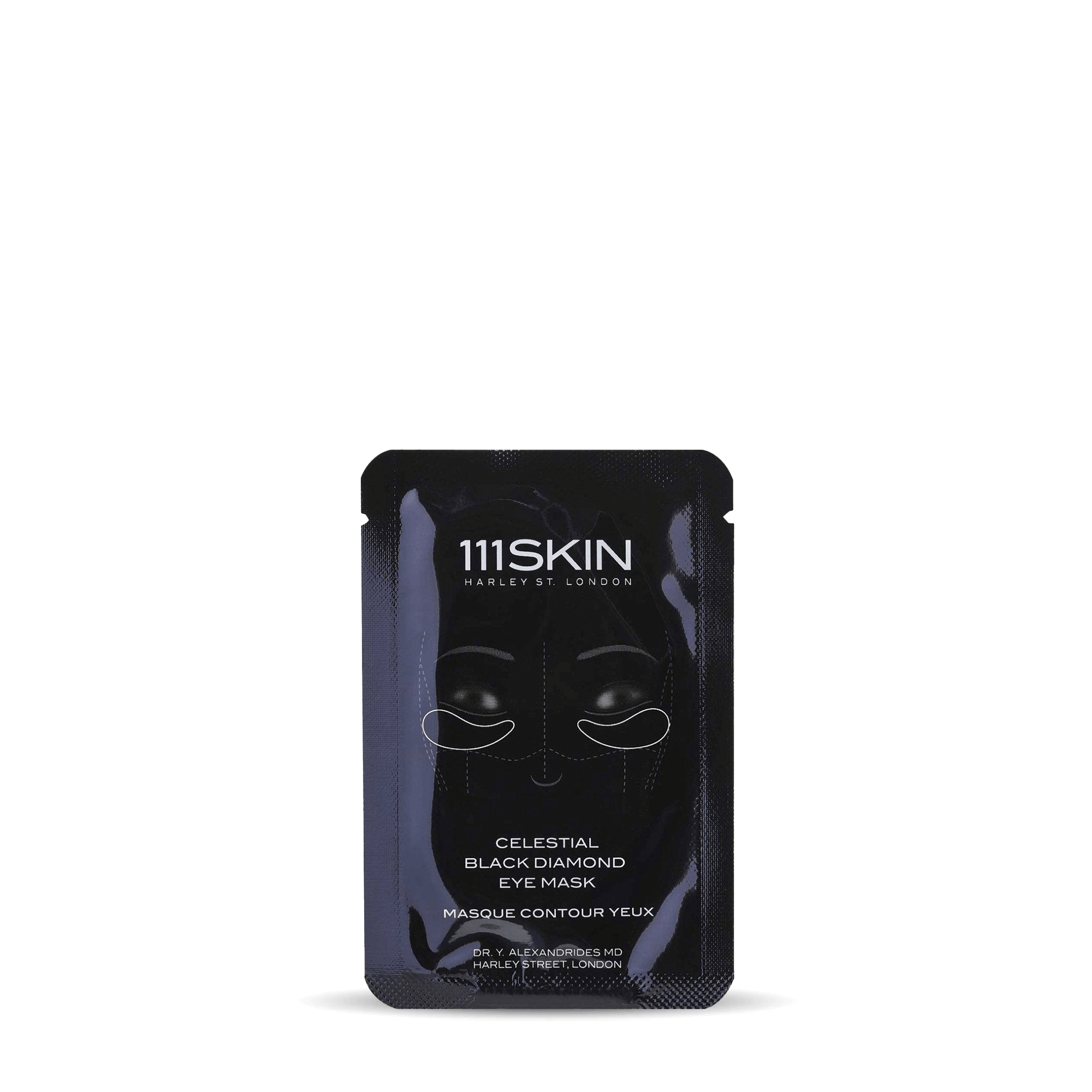
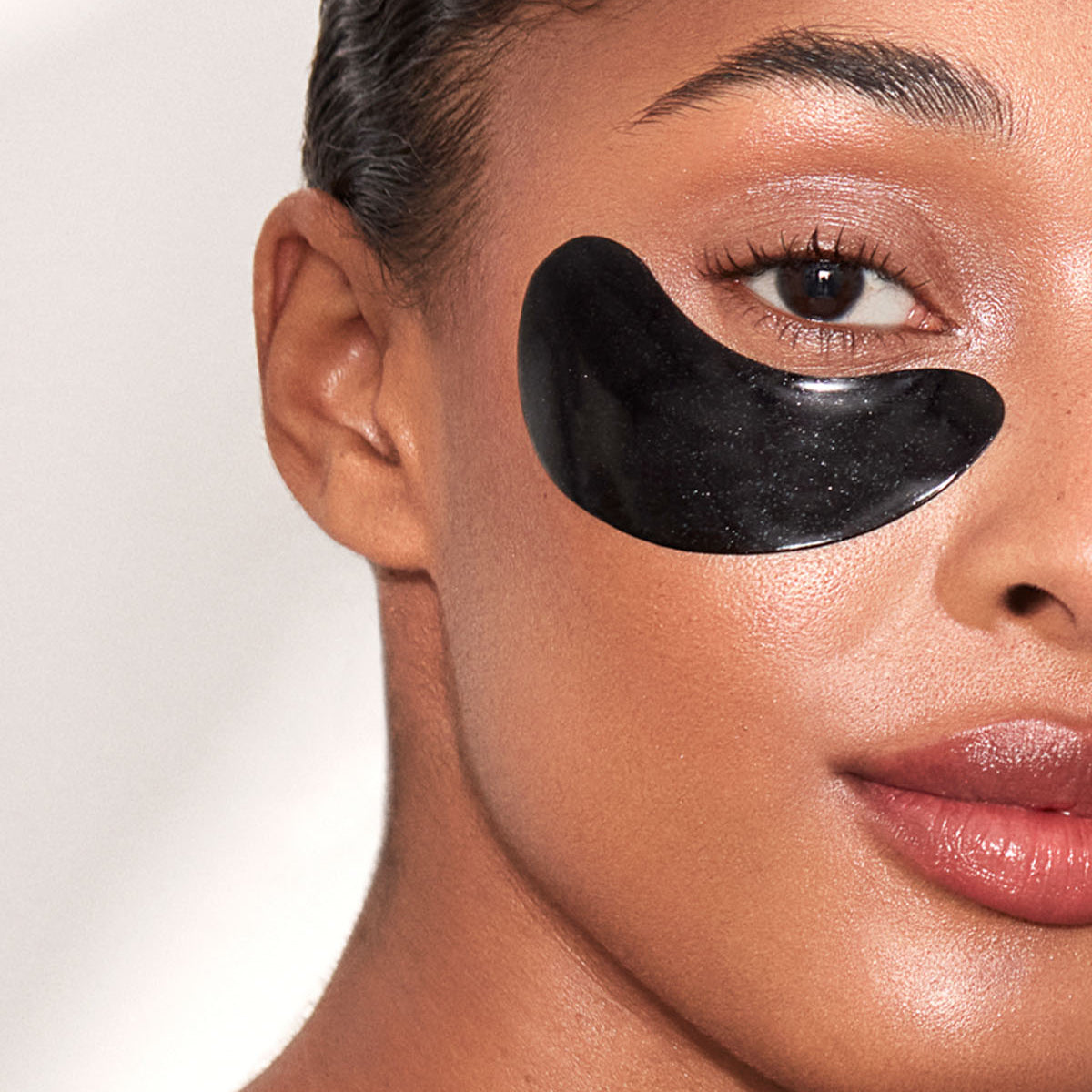
For a dedicated 20-minute treatment, Cryo De-Puffing Eye Mask targets visible puffiness and tired eyes. This hydrogel format features Seaweed Extract, Vitamin E and Peptide Complex, and can be refrigerated before use. It received InStyle Best Eye Mask, Best Beauty Buys Awards 2022.
After cleansing, remove the protective films from both sides and place one mask beneath each eye. Wear for 20 minutes, remove and gently pat in the remaining product, morning or evening. Choose this targeted format when the under-eye area is your main concern; choose the facial mask when broader coverage is more useful.
A compact morning routine for mild puffiness
Keep the rest of your routine comfortable and familiar. Aggressive rubbing, repeated exfoliation and layering several new products can leave skin irritated without resolving the reason it looks puffy.
- Cleanse gently. With dry hands, apply 2 to 3 pumps of Cleansing Oil to dry skin. Massage for 30 seconds, rinse with warm water and pat dry.
- Use a mask if wanted. Choose the facial or eye format above and follow its method before leave-on care.
- Apply Eye Lift Gel NAC Y²™ before serum. Share half a pump between ring fingers. Pat from the outer corner inwards, then move upwards and sweep over the brow bone back to the outer corner until absorbed. Avoid rubbing under the eyes.
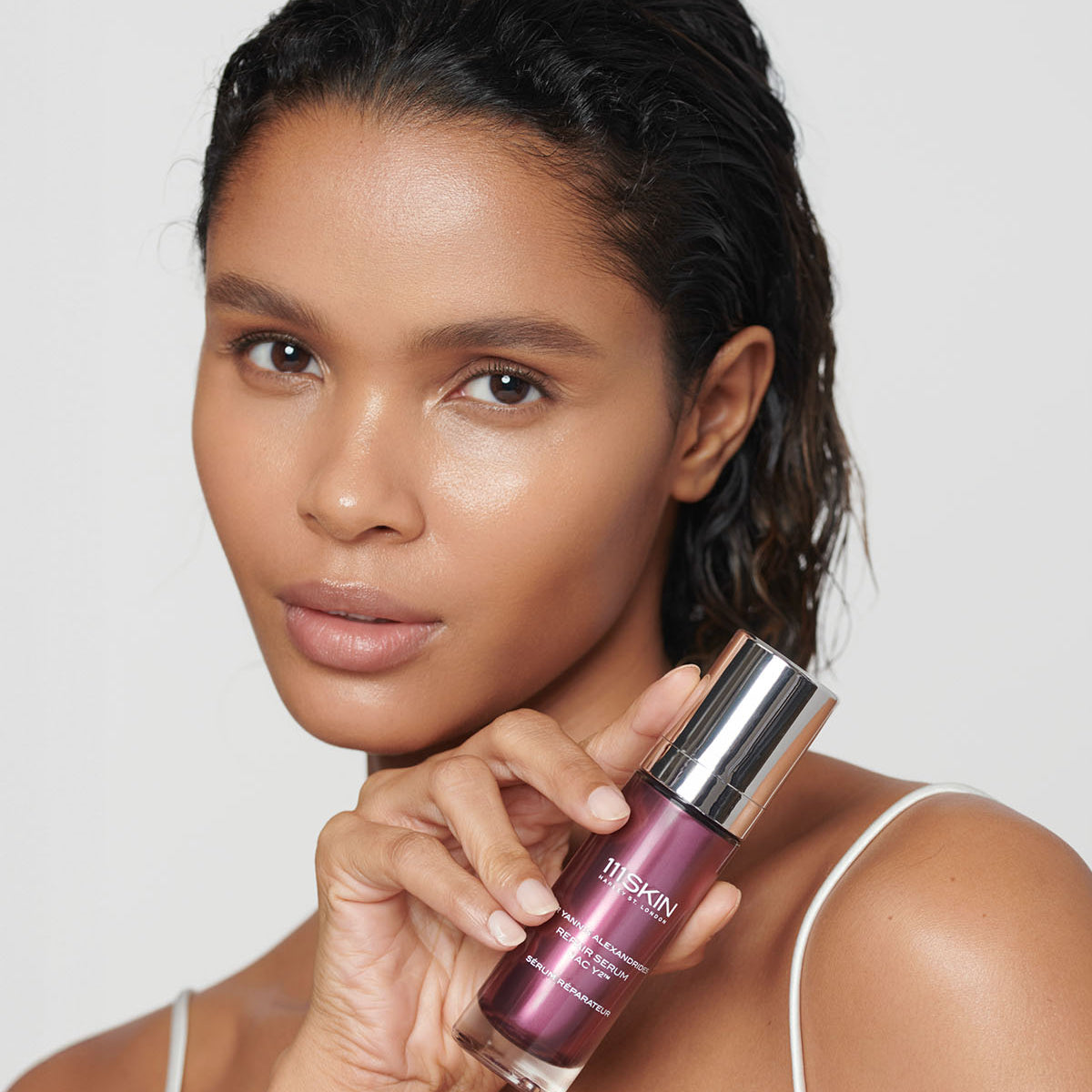
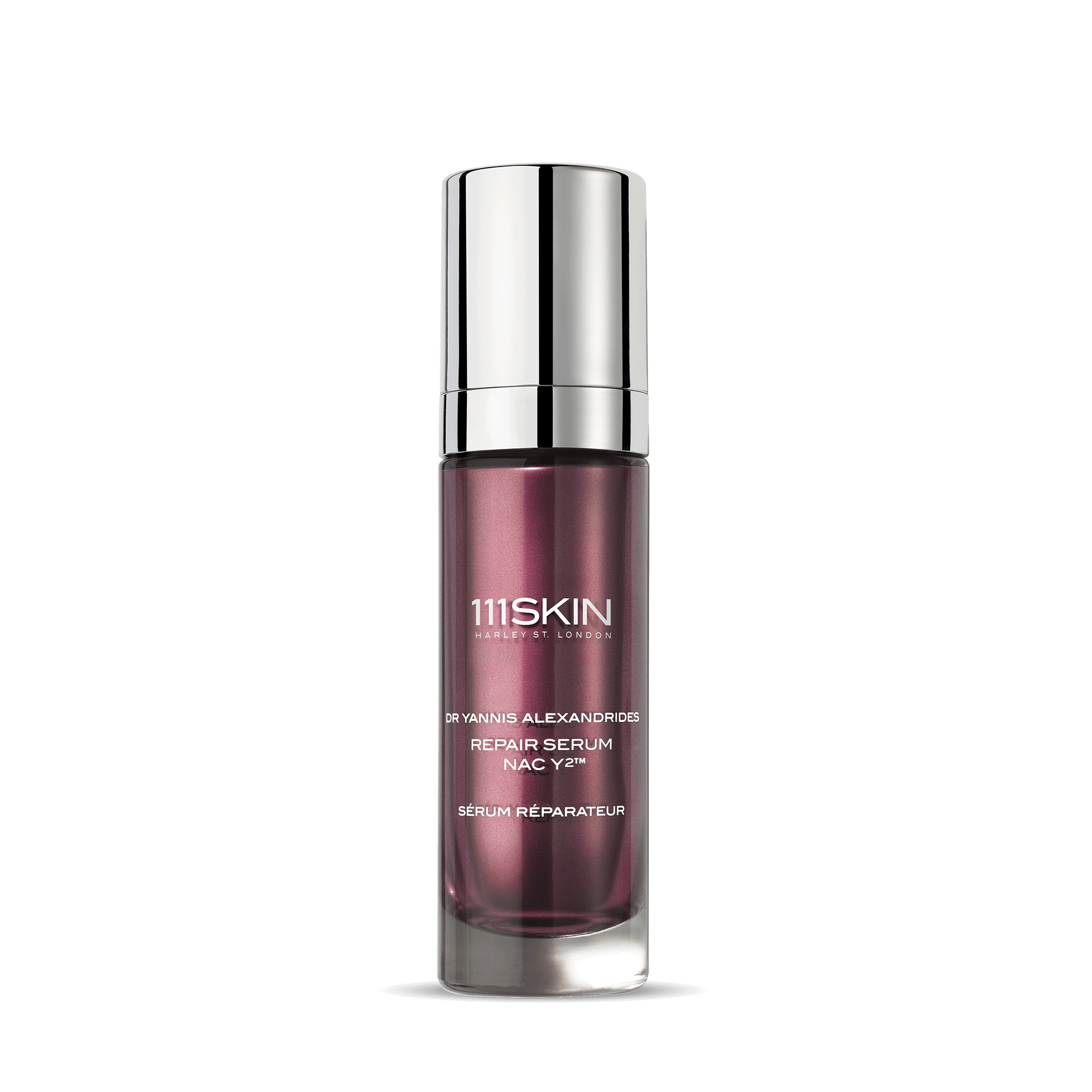
- Hydrate the face. Apply 1 to 2 pumps of Repair Serum NAC Y²™ to the face and neck. Its cooling, velvety texture delivers hydration and a smoother, plumper-looking finish while addressing visible redness and early signs of ageing.
- Moisturise. Apply a pea-sized amount of Repair Day Cream NAC Y²™ to the face, neck and décolletage after serum for nourishing hydration and skin-barrier support.
- Finish with sun protection. Apply Repair Sunscreen SPF50+ generously and evenly after moisturiser, 15 to 20 minutes before sun exposure. Follow its exposure and reapplication directions.
If you want a simple cooling measure before skincare, gently hold a clean, cool, damp cloth over closed eyes for a few minutes while sitting upright. Avoid direct ice contact and firm pressure. Stop any product that causes irritation; persistent irritation merits professional advice.
The practical goal is comfortable, hydrated skin and less visible puffiness. More pressure, more products or more intensive cooling does not make the routine better.
Conclusion
If you are wondering what foods make your face puffy, start with salt-heavy meals, snacks and sauces, then consider alcohol and sleep alongside them. Dairy, gluten and carbohydrates do not need to be removed automatically, and sudden swelling after eating belongs in a medical conversation.
For familiar, mild cosmetic puffiness, match the care to the area: Cryo De-Puffing Facial Mask for the face, Cryo De-Puffing Eye Mask for targeted treatment, or Eye Lift Gel NAC Y²™ for daily eye care. Pair that choice with one manageable dietary adjustment instead of a restrictive overhaul.
As with any skincare product, patch test before first use. If you are pregnant or breastfeeding, consult your doctor before using any skincare products.
FAQ
Can salty food make your face puffy the next morning?
Yes, a high salt intake can encourage fluid retention, which may become visible around the eyes and cheeks. The effect varies, and poor sleep or alcohol may contribute too. Reviewing the whole meal is more useful than blaming a single ingredient.
Does dairy cause a puffy face?
Dairy does not universally cause facial puffiness. Lactose intolerance usually causes digestive symptoms, while swelling after milk or other dairy can indicate an allergy and needs medical advice. Some cheeses also contribute substantial salt.
How long does food-related facial puffiness last?
Mild puffiness associated with a salty meal may settle as your body's fluid balance normalises, but there is no reliable deadline for everyone. Persistent, worsening or recurrent swelling should be assessed. Sudden swelling with breathing or swallowing difficulty requires emergency help.
Can skincare reduce puffiness caused by food?
Targeted skincare can reduce the appearance of mild puffiness, but it does not remove sodium from the body or treat food allergy. Eye Lift Gel NAC Y²™ and the Cryo De-Puffing masks address visible puffiness in their respective application areas. Combine cosmetic care with attention to any recurring food, alcohol or sleep pattern.