


Table of Contents
- Introduction
- Is a plastic gua sha worth buying?
- How to choose a well-made plastic gua sha
- How to use a plastic gua sha gently
- Cleaning, storage and troubleshooting
- Build skincare around the massage, not around stronger pressure
- When a targeted mask is the more useful choice
- The best plastic gua sha is one you can use gently
- FAQ
Introduction
A plastic gua sha can be a practical tool for gentle facial massage if it has a smooth, rounded edge, feels comfortable in your hand and is easy to clean. Plastic does not need to mimic jade or stainless steel to be useful. The priorities are a well-finished surface, light pressure and enough slip to avoid pulling the skin.
Facial massage may temporarily soften the appearance of puffiness and provide a relaxing ritual, but it will not permanently reshape the jawline or remove facial fat. Understanding that distinction helps you choose a tool for the experience and realistic cosmetic benefits it offers, then pair it with skincare that addresses hydration, visible lines or tired-looking skin.
Is a plastic gua sha worth buying?
What plastic can offer
Plastic facial tools are generally lightweight and often less expensive than stone alternatives. They can suit someone exploring facial massage or looking for a portable tool that is less vulnerable to shattering when dropped. They are not indestructible, however: plastic can still crack, develop scratches or acquire a rough edge.
The lightness can also make a tool easy to manoeuvre. You do not need to compensate for its lower weight by pressing harder. For facial use, control and comfort matter more than the weight of the material.
A good plastic tool should move smoothly over appropriately prepared skin. A catching or scraping sensation is a reason to stop and assess the edge, the amount of slip and your technique, not a sign that the massage is working more effectively.
What results should you expect?
Gentle facial massage may temporarily reduce the appearance of mild puffiness and leave the face looking refreshed. Some people also enjoy the sense of relaxation that comes from slow, controlled movements. These are reasonable reasons to use a tool, provided the skin remains comfortable.
A more defined-looking contour immediately afterwards does not mean that bone, fat or skin structure has permanently changed. Results can also vary with sleep, fluid retention, lighting and the angle of a photograph.
For visible fine lines, hydration and consistent targeted skincare have a different role from massage. Hydrating care plumps the appearance of dry skin and softens the look of dehydration lines; a tool does not deliver those ingredients. Similarly, uneven pigmentation needs care directed towards skin tone, not stronger scraping.
Facial massage is different from traditional body gua sha
Gua sha has roots in traditional Chinese practice. Traditional body techniques can involve stronger scraping and visible marks, while the gentle facial massage commonly discussed in beauty routines uses much lighter contact.
Do not use body-treatment intensity as a model for your face. Bruising, pinpoint bleeding and persistent redness are not goals for an at-home cosmetic facial ritual. A large body scraper with pronounced ridges may also be unsuitable for facial contours, even if it is made from the same material as a facial tool.
Judge a facial tool by how gently and smoothly it moves, not by how much redness it creates.
How to choose a well-made plastic gua sha
Look closely at the edge and surface
Material is only one part of quality. A carefully finished plastic tool can feel more comfortable than a poorly finished stone tool, while a moulding seam can make an otherwise attractive design unsuitable.
Before buying, look for clear photographs of the working edges and a description that identifies the material. When the tool arrives, inspect it in good light and run a clean fingertip gently along its perimeter before bringing it to your face.
A useful purchasing checklist is:
- Smooth, rounded working edges: no sharp corners, raised seams, chips or rough patches.
- A comfortable grip: enough surface to hold securely without squeezing tightly.
- A manageable facial shape: broad curves that sit comfortably against the cheeks and jaw.
- Clear care instructions: cleaning guidance that matches the exact material.
- An identifiable seller: accessible product information and a straightforward way to raise a quality concern.
Complex shapes are not necessarily more useful. A simple broad curve may be easier to control than a tool with numerous points, teeth and narrow projections.
Understand plastic, resin and acrylic descriptions
"Plastic" describes a broad family of materials. Acrylic is a type of plastic, while the word "resin" can be used loosely in product descriptions and does not, on its own, tell you exactly what a tool contains.
A translucent green or pink tool is not necessarily jade or rose quartz. Equally, a clearly labelled synthetic tool is not automatically unsuitable because it resembles stone. Accurate labelling helps you understand what you are buying and how to care for it.
Look for a tool specifically intended for skin contact. A decorative resin object, craft item or improvised household scraper is not an equivalent choice. If the seller cannot explain the material or cleaning method, choose a product with clearer information.
Compare materials by handling, not promised lifting power
Plastic, stone and stainless steel can all be shaped into facial massage tools. Their differences mainly affect weight, temperature sensation, durability and care; they do not establish a reliable ranking of facial lifting results.
| Material | Practical appeal | What to check |
|---|---|---|
| Plastic or acrylic | Lightweight and often accessible for beginners | Moulding seams, scratches, rigidity and cleaning instructions |
| Jade or rose quartz | A more substantial feel and a cool sensation on initial contact | Chips, cracks, a polished edge and accurate material labelling |
| Stainless steel | A smooth finish and a different weight in the hand | Rounded edges, a secure grip and the exact metal specification if you have a metal allergy |
Stone and metal may feel cooler on first contact because they transfer heat differently from plastic. That sensation does not prove that they create more lasting cosmetic results. Do not select a tool solely because its description promises "detoxification", permanent sculpting or a non-surgical facelift.
The most useful test is whether you can hold and move it comfortably with very little pressure. A heavier tool should not be allowed to press into the skin simply because its weight makes that easy.
How to use a plastic gua sha gently
Prepare the skin for glide
Start with clean hands, a clean tool and cleansed skin. Use a facial massage medium intended to provide slip, following its own directions and checking that the tool manufacturer allows contact with it.
The right texture stays mobile long enough for a gentle pass. A serum that absorbs quickly may be excellent skincare but an unsuitable massage medium once it becomes tacky. Do not keep dragging the tool across a product that has dried down.
More product is not always the answer to friction. If the edge is rough, the tool is held too upright or your pressure is excessive, adding oil will not correct the underlying problem.
Avoid using an active treatment as a massage oil simply because it has an oily texture. For example, a retinoid facial treatment has its own application method and purpose. Facial massage should not alter the dose, placement or directions of targeted skincare.
Use a shallow angle and light contact
Follow your tool's facial instructions where supplied. For a straightforward cosmetic massage, keep the broad surface close to the skin rather than pushing a narrow edge down into it.
A conservative sequence is:
- Check comfort first. Make a short, gentle pass over a small area of the cheek. The tool should glide without stinging, catching or leaving the skin tender.
- Work across the cheeks. Use slow outward movements from the centre of the face towards the sides, keeping pressure light.
- Follow the jaw gently. Guide a comfortable curve from the chin towards the ear without digging into the underside of the jaw.
- Move carefully over the forehead. Use a broad edge and short, controlled movements, avoiding any area that feels uncomfortable.
- Finish while the skin still feels comfortable. Follow the massage product's finishing directions, then complete your skincare.
Use your free hand to support the skin lightly where helpful. Keep the tool away from the eyeball, mobile eyelids and lips, and do not try to force a notch around a contour it does not fit.
There is no need to add forceful neck scraping, pressure over the front of the throat or intricate "drainage" sequences to make a simple facial ritual worthwhile. Anyone seeking treatment for lymphatic swelling should have professional assessment rather than rely on a beauty tutorial.
Let the skin determine the duration and frequency
There is no universal number of strokes or daily schedule that makes every facial tool effective. Start with a brief session and assess how your skin feels during use and afterwards.
You should not feel soreness, burning or lingering heat. If the skin starts to drag, stop or adjust the massage medium according to its directions. Repeated passes over the same area are not automatically more beneficial.
Daily massage is not a requirement. A comfortable occasional ritual is more useful than a rigid routine that leaves skin sensitive. Avoid using facial shape changes as a reason to increase pressure or extend each session.
The completion cue is comfortable skin and an easy glide. Stop before a relaxing massage becomes repeated friction.
Cleaning, storage and troubleshooting
Clean the tool after each use
Oil, skincare residue and handling can leave a film on the surface. Clean your tool after every session using its manufacturer's directions. For a washable plastic tool, this commonly means mild soap and warm water, followed by thorough rinsing and drying.
Pay attention to grooves and curved notches where residue can collect. Store the dry tool somewhere clean, protected from bathroom spills and abrasive objects.
Do not assume that a dishwasher, boiling water, alcohol soak or strong disinfectant is suitable for every plastic. These methods can affect some materials or finishes. The exact care instructions should determine how you clean it.
Avoid sharing a facial tool. If you take it travelling, place it in a clean protective case once dry, and inspect it again before use.
Replace a damaged tool
Check both the working edge and the flat surfaces regularly. A tool can look intact from a distance while developing a small rough patch that catches on skin.
Stop using it if you notice:
- A crack, chip, raised seam or edge that feels sharp.
- Deep scratches or surface deterioration that make cleaning difficult.
- A change in shape or texture.
- A coating that flakes, peels or transfers onto the skin.
Do not sand or file a damaged tool at home to keep using it. That can create an uneven finish and makes it harder to judge whether the surface remains suitable for facial contact.
Durability is therefore more useful than a claim that plastic "never breaks". A well-cared-for tool should remain smooth and cleanable throughout its use.
Know when to pause massage
Avoid passing a tool over broken skin, sunburn, inflamed blemishes, a rash or an area that is already irritated. Friction can add discomfort to skin that needs gentle care and barrier support.
If your face is unusually reactive, simplify the routine rather than trying to massage the redness away. Persistent irritation merits professional advice. Sudden, painful, one-sided or unexplained facial swelling also needs medical assessment, not a de-puffing ritual.
Ask your treating clinician before facial massage after injectables, surgery or another procedure. If you bruise easily, take blood-thinning medication or have a condition that affects the skin or circulation, seek personalised advice before starting.
Stop if massage causes pain, bruising or persistent redness. These effects are reasons to reassess the practice, not milestones to work through.
Build skincare around the massage, not around stronger pressure
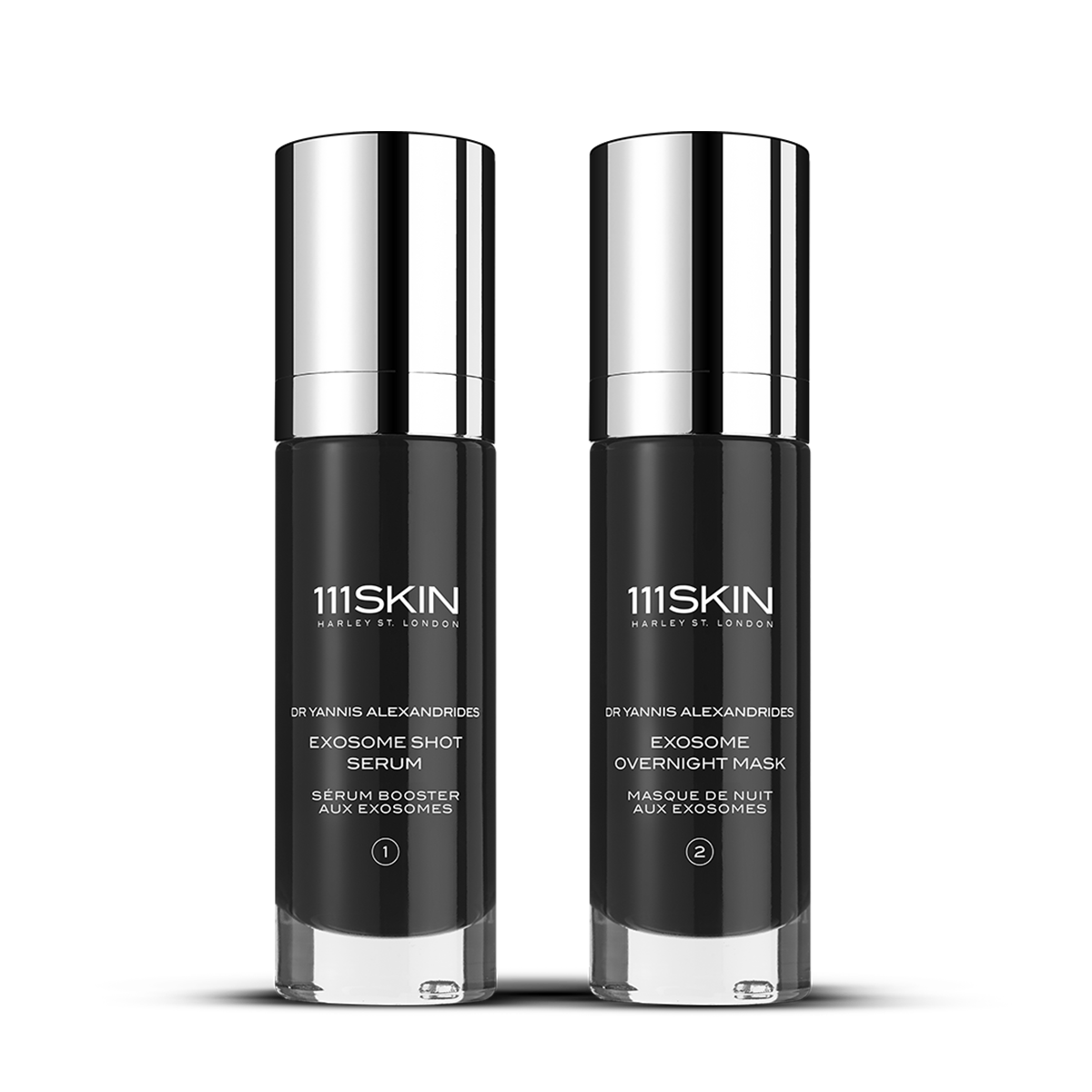
111SKIN was founded by plastic and reconstructive surgeon Dr Yannis Alexandrides and Eva Alexandridis, drawing on his practice at 111 Harley St. in London. That clinical inspiration translates into targeted skincare and considered at-home rituals, with a clear distinction between cosmetic care and structural change.
A plastic gua sha provides the massage experience. Your leave-on skincare supplies hydration and addresses concerns such as visible redness, dry-feeling skin and early signs of ageing. Keeping those roles separate makes the routine easier to use correctly.
For an evening routine that includes massage:
- Cleanse with Cleansing Oil. With dry hands, apply 2 to 3 pumps to dry skin, massage for 30 seconds, rinse with warm rather than hot water and pat dry. It removes make-up and impurities while leaving skin softer; this cleansing step is separate from your tool massage.
- Carry out the gentle facial massage. Use a suitable massage medium and the technique above, then follow that product's finishing instructions.
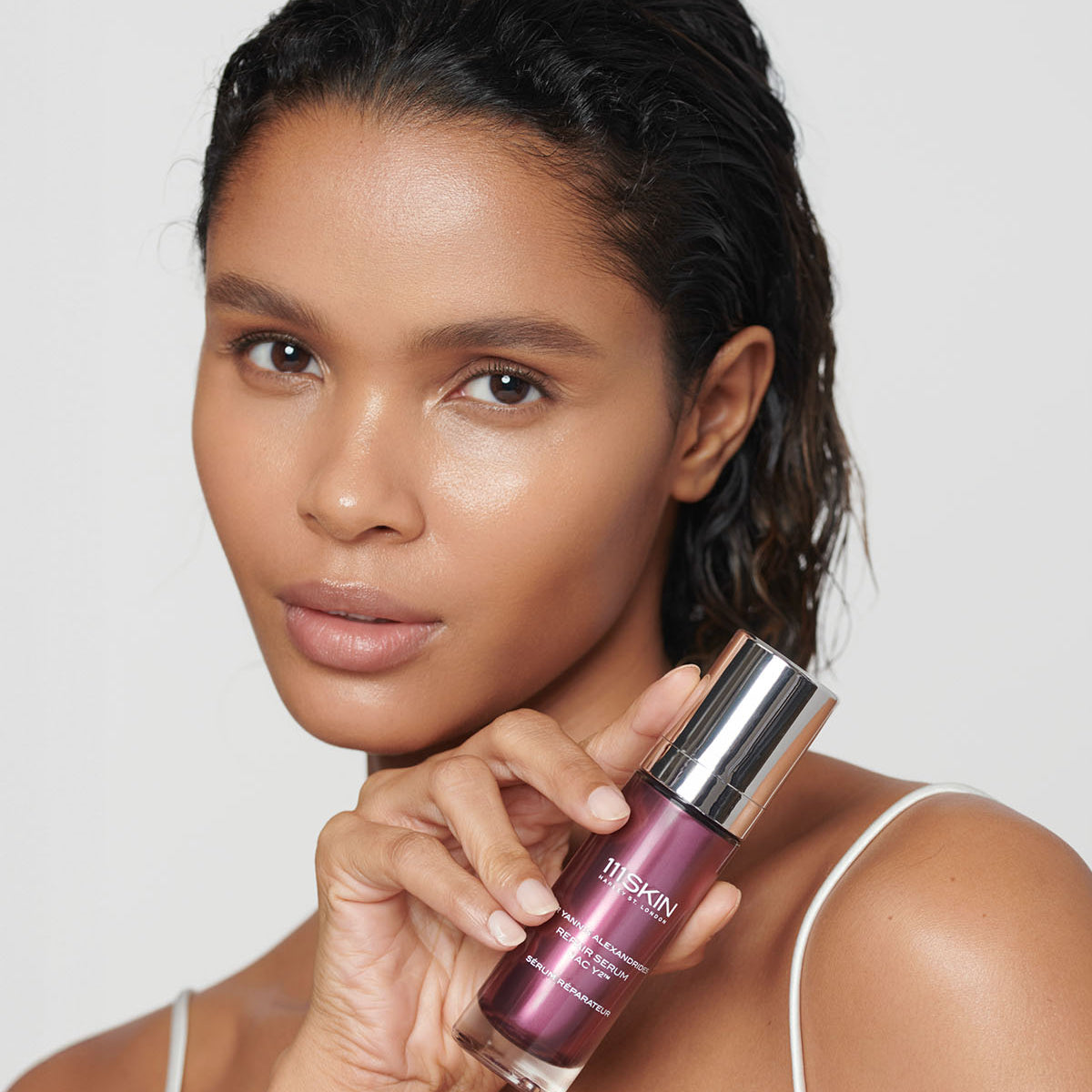
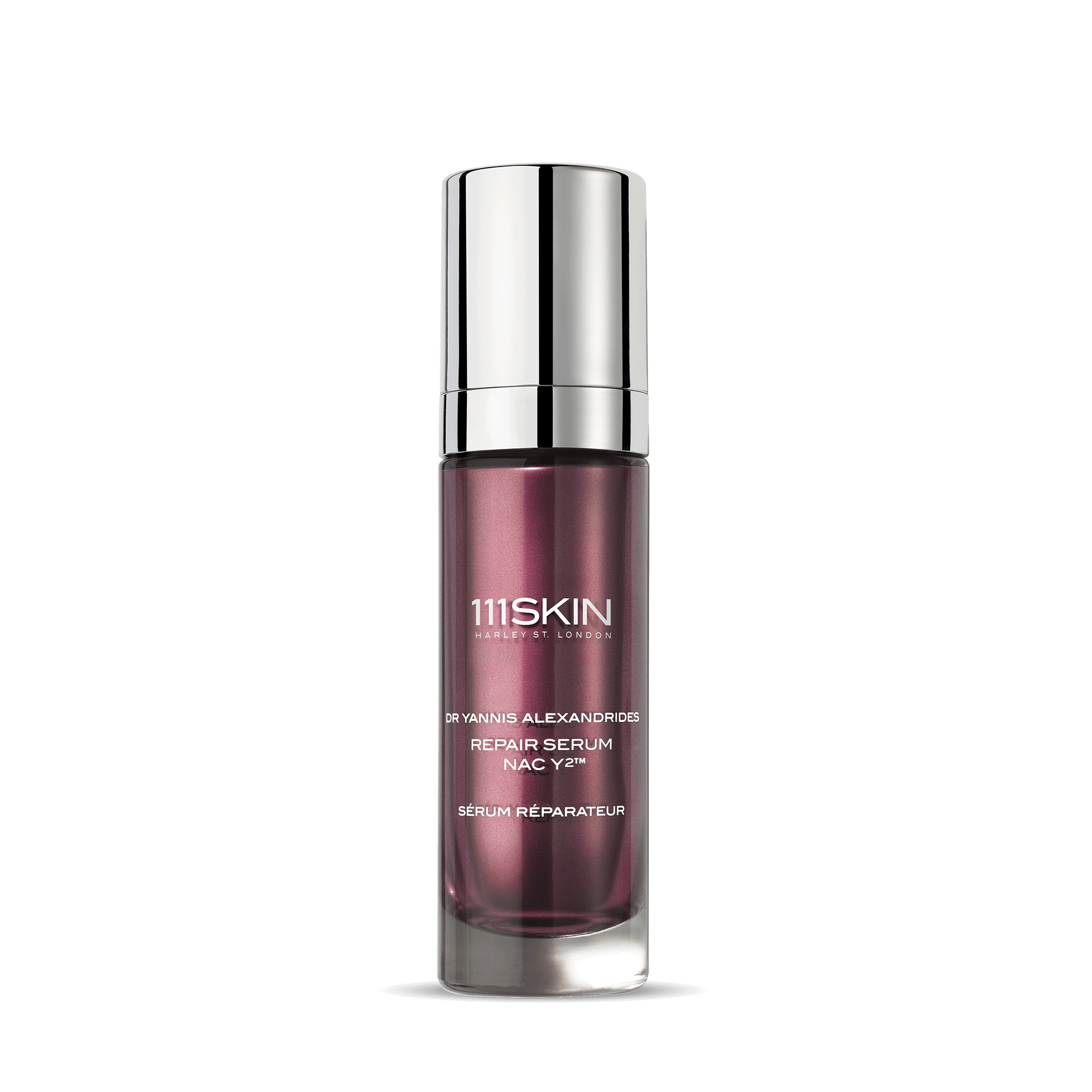
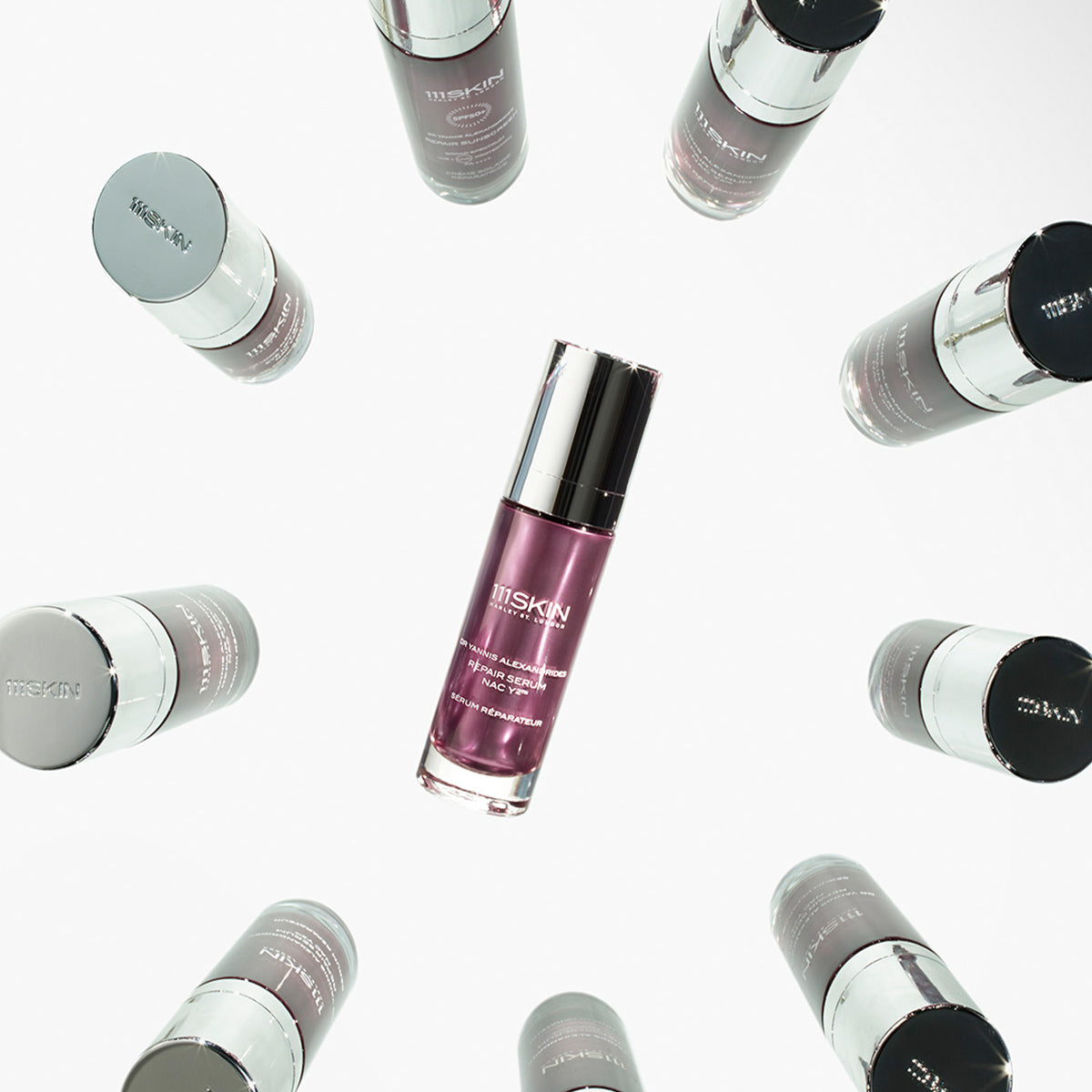
- Apply Repair Serum NAC Y²™. Smooth 1 to 2 pumps over the face and neck before moisturiser. Its cooling, velvety texture delivers hydration and helps skin look smoother and plumper, while addressing visible redness and early signs of ageing.
- Finish with Repair Night Cream NAC Y²™. Apply a pea-sized amount to the face, neck and décolletage after serum for replenishing evening moisture.
Repair Serum NAC Y²™ received Tatler Best Serum for Repair, Beauty Awards 2025. Its value here is the leave-on care it brings after the ritual, not a claim that massage increases its efficacy or drives it deeper into the skin.
If hydration is your main concern, understand the complementary roles of your products. Humectants attract water, while emollient and moisture-loss-limiting ingredients help soften skin and support lasting comfort. A massage tool cannot replace those functions, and more friction will not resolve dehydration.
Maintain daytime sun protection whether or not you massage. Apply Repair Sunscreen SPF50+ generously and evenly after moisturiser, 15 to 20 minutes before sun exposure, following its exposure and reapplication instructions. Facial massage does not protect against UV damage.
When a targeted mask is the more useful choice
If your main aim is to refresh visibly puffy, tired-looking eyes, a product designed for the under-eye area can be more practical than trying to manoeuvre a facial tool close to the eyes. This is especially relevant when you want a defined application time and no repeated massage movements.
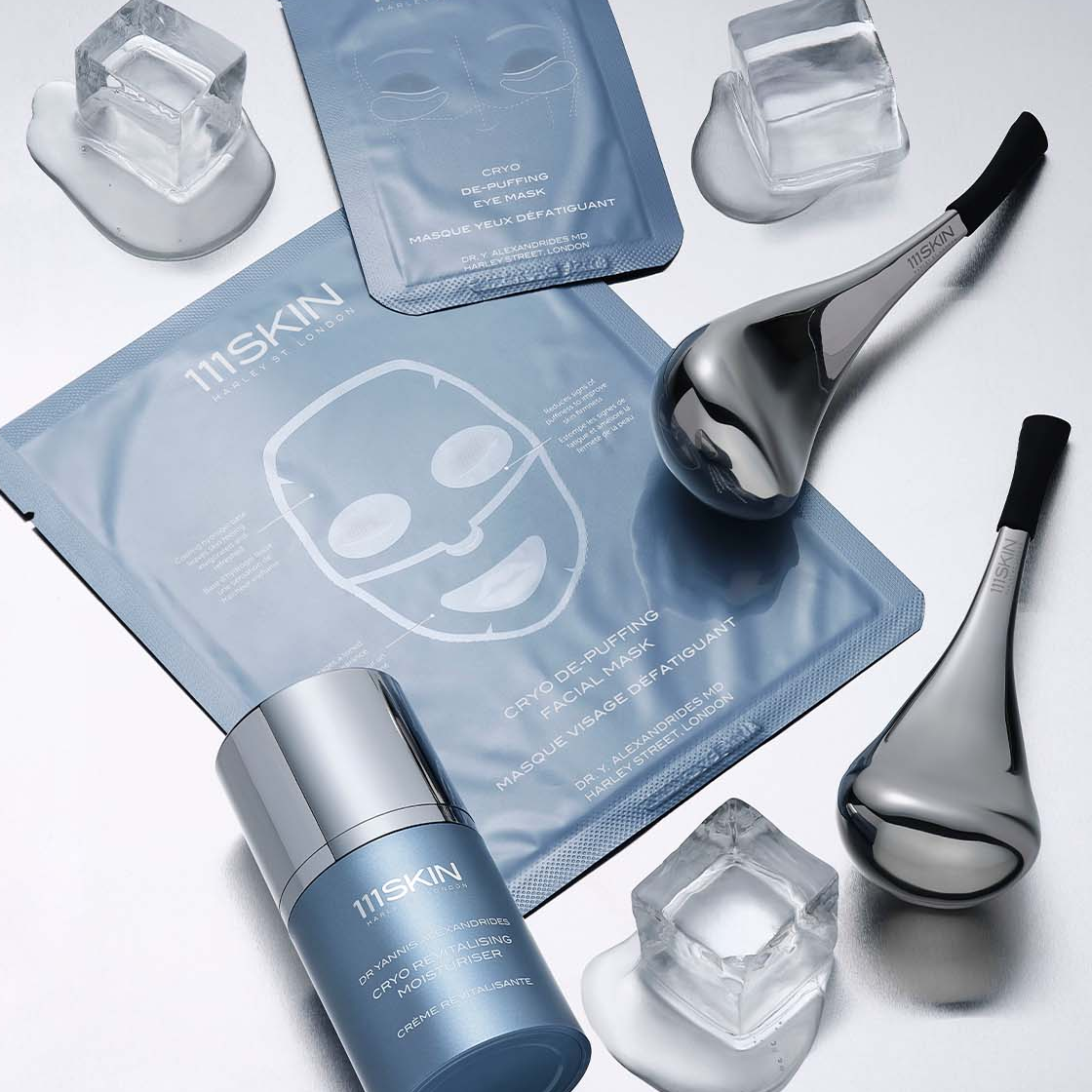
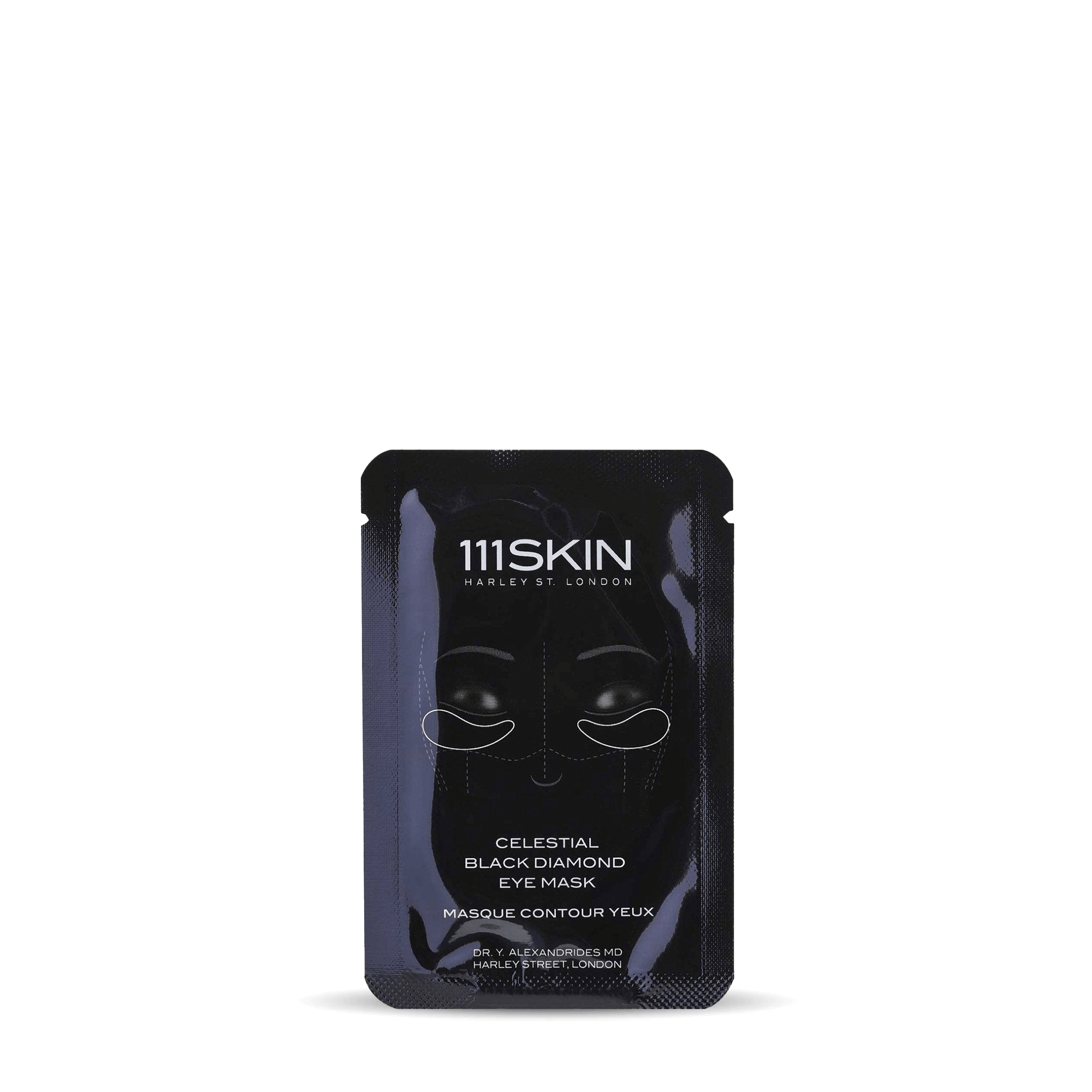
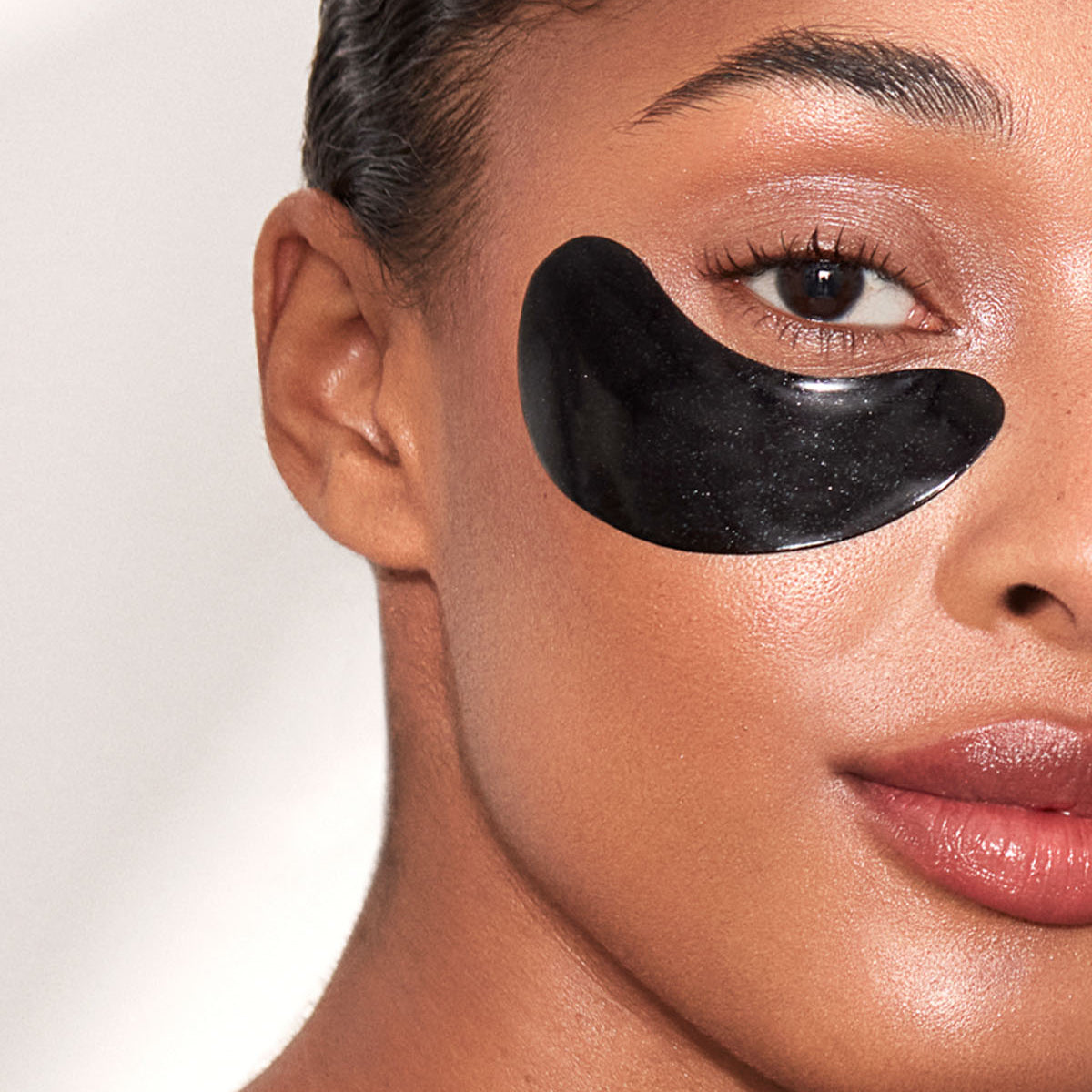
Cryo De-Puffing Eye Mask is a hydrogel treatment for visible puffiness and tired eyes, featuring Seaweed Extract, Vitamin E and Peptide Complex. It received InStyle Best Eye Mask, Best Beauty Buys Awards 2022, and can be refrigerated before use.
After cleansing, remove the protective films from both sides, place one mask beneath each eye and wear for 20 minutes. Remove and gently pat in the remaining product; use morning or evening. The refrigeration option belongs to this mask and should not be extended to every eye product or facial tool.
This approach also keeps expectations precise. A targeted eye mask addresses the appearance of the under-eye area, while a gua sha offers broader facial massage. Neither needs to promise permanent contour changes to provide a useful cosmetic benefit.
The best plastic gua sha is one you can use gently
Choose a clearly labelled facial tool with a smooth edge, a comfortable grip and straightforward cleaning instructions. Use it with appropriate slip, keep contact light and stop if skin becomes uncomfortable. There is no need to upgrade the material solely in pursuit of stronger lifting claims.
For the most useful next step, decide whether your priority is the massage experience, hydration or visible puffiness. Choose the tool for the first, build consistent replenishing care around the second, and consider a targeted treatment such as Cryo De-Puffing Eye Mask for the third. That gives each part of your routine a clear job.
As with any skincare product, patch test before first use. If you are pregnant or breastfeeding, consult your doctor before using any skincare products.
FAQ
Does a plastic gua sha work as well as jade?
Both can be used for gentle facial massage when their edges are smooth and their shape is comfortable. Jade and plastic feel different in weight and temperature, but those differences do not establish a reliable ranking of cosmetic results. Technique, surface quality and avoiding excessive pressure are more useful selection criteria.
Can a plastic gua sha permanently sculpt your jawline?
No, a plastic gua sha does not permanently reshape the jawbone or remove facial fat. Massage may temporarily soften the appearance of mild puffiness, which can make contours look more defined. Increasing pressure will not turn that temporary effect into structural change.
Should you press harder because plastic is lighter?
No, a lightweight tool does not require stronger pressure for facial use. Keep contact gentle and use enough appropriate slip for the tool to move without pulling. If it catches, reassess the edge, angle and massage medium instead of pressing down.
How often should you replace a plastic gua sha?
There is no single replacement timetable for every plastic tool. Inspect it regularly and replace it if it develops cracks, rough edges, deep scratches, peeling or a change in shape. Follow its cleaning and storage instructions to help preserve a smooth, cleanable surface.