




6 min to read
Table of content
Introduction
One of the clearest indicators of skin quality is not the presence of a particular concern, but its overall appearance. Skin appears brighter, smoother and more uniform when renewal is functioning efficiently. As this process slows, texture, tone and radiance can gradually become less consistent, even in otherwise healthy skin.
At 111 Harley St., chemical peels remain one of the most frequently requested treatments for addressing these concerns. Their ability to improve skin texture, clarity and radiance has made them a longstanding part of many clinical treatment plans.
Historically, chemical peels relied on high-strength acids to create visible exfoliation, often accompanied by redness, skin peeling and a period of recovery. Advances in formulation technology have transformed the category. Modern resurfacing treatments can combine multiple exfoliation technologies within a single formula, improving texture, tone and radiance through complementary mechanisms while remaining suitable for regular use.
Inspired by Dr Yannis Alexandrides' experience performing chemical peels at 111 Harley St., Precision Peel translates these professional resurfacing principles into a clinic-inspired at-home cosmetic treatment, bringing together multiple exfoliation methods within a formulation designed for regular use.
The Visible Signs Of Slower Skin Renewal
The skin is constantly renewing itself. New cells are formed in the lower layers of the epidermis before gradually moving towards the outermost surface, where they are eventually shed. In younger skin, this process occurs efficiently. As skin matures, renewal can slow, allowing ageing surface cells to accumulate for longer. The complexion may begin to appear duller, texture can feel rougher and pigmentation may become more noticeable. Daily environmental exposure can further influence this process. UV radiation, pollution and oxidative stress all contribute to visible changes in skin quality.
By accelerating the removal of accumulated surface cells, skin resurfacing can improve visible texture and clarity. This contribution to a smoother, brighter and more refined-looking complexion has made chemical peels a longstanding part of treatment protocols at 111 Harley St.
Depending on the formulation and protocol, chemical peels are frequently incorporated into treatment plans where improvements in the following concerns are desired:
- Uneven texture
- Surface dullness
- Congestion and pore visibility
- Visible pigmentation
- Fine lines
- Loss of radiance
For many patients, improving texture is one of the most noticeable changes. When the skin surface becomes smoother and more uniform, the complexion naturally appears brighter, healthier and more luminous.
What Inspired Precision Peel?
Throughout his career, Dr Yannis Alexandrides has seen the transformative effect chemical peels can have on skin texture, clarity and radiance. He has also seen how concerns around redness, sensitivity and recovery time can discourage some patients from incorporating resurfacing into their routine.
Precision Peel was developed to translate the principles behind professional chemical peels into an at-home treatment suitable for regular use.
As Dr Yannis explains: "Chemical peels have been one of the most transformative and popular treatments at 111 Harley St. Over the years, we have developed a deep understanding of how to maximise visible results. It's exciting to be able to translate these findings into an easy-to-use at-home solution with incredible immediate and long-term results while reducing the recovery time."
Throughout his career, Dr Yannis Alexandrides has seen the transformative effect chemical peels can have on skin texture, clarity and radiance. He has also seen how concerns around redness, sensitivity and recovery time can discourage some patients from incorporating resurfacing into their routine.
Precision Peel was developed to translate the principles behind professional chemical peels into an at-home treatment suitable for regular use.
As Dr Yannis explains: "Chemical peels have been one of the most transformative and popular treatments at 111 Harley St. Over the years, we have developed a deep understanding of how to maximise visible results. It's exciting to be able to translate these findings into an easy-to-use at-home solution with incredible immediate and long-term results while reducing the recovery time."
The Ingredients Behind Precision Peel
Precision Peel was formulated to deliver visible skin resurfacing through multiple complementary pathways. Rather than relying on a single exfoliating acid, the formula combines Alpha Hydroxy Acids (AHAs), Beta Hydroxy Acids (BHAs), Polyhydroxy Acids (PHAs), enzymes, antioxidants and advanced skin renewal technology.
Refining Texture And Tone With Mandelic Acid
Mandelic Acid forms the foundation of Precision Peel's resurfacing system. Unlike many AHAs, its larger molecular structure allows for a slower rate of penetration across the skin's surface. This controlled activity makes it particularly effective for addressing uneven texture and visible discolouration without the intensity typically associated with chemical peels.
Within the formula, Mandelic Acid helps remove surface cell build-up that can leave the complexion looking dull, uneven or rough, creating the conditions for smoother, more uniform-looking skin.

Clarifying Congested Skin With Salicylic Acid
Surface exfoliation alone cannot address every cause of uneven skin texture. Unlike AHAs, Salicylic Acid is oil soluble, allowing it to penetrate into the pore where surface congestion often develops. By dissolving excess sebum and debris, it complements the surface-refining activity of AHAs. This dual-action allows Precision Peel to refine both the surface of the skin and the appearance of pore congestion simultaneously.

Preserving Comfort With Lactobionic Acid
One of the longstanding challenges in skin resurfacing has been balancing efficacy with skin comfort. Lactobionic Acid, a Polyhydroxy Acid, brings a different function to the formula. Alongside gentle exfoliation, it acts as a humectant, attracting moisture to the skin throughout the resurfacing process. This moisture-binding activity helps preserve skin comfort while supporting effective exfoliation.

Enhancing Renewal With Papain
Exfoliation does not rely solely on acids. Papain, an enzyme derived from papaya, breaks down protein-based debris that accumulates on the skin's surface. This enzymatic activity introduces a second pathway for skin resurfacing, helping to refine texture through a mechanism distinct from traditional chemical exfoliation. Its inclusion allows Precision Peel to achieve a more thorough refinement of skin texture while maintaining a balanced approach to exfoliation.

Maintaining Skin Resilience With NAC Y²™
At the heart of Precision Peel sits NAC Y²™, Dr Yannis Alexandrides' proprietary complex and the technology that underpins every 111SKIN formulation. Originally developed following his work in reconstructive surgery, NAC Y²™ combines N-Acetyl Cysteine, Vitamin C and Escin to help optimise the skin's antioxidant defence network.
While resurfacing ingredients encourage renewal, NAC Y²™ reinforces skin resilience throughout treatment.
Advancing Skin Renewal With Milk Thistle Extract
Traditional chemical peels primarily work by removing accumulated surface cells to reveal fresher, smoother-looking skin beneath. Precision Peel incorporates an additional layer of skin renewal science through advanced Milk Thistle Extract technology.
While these cells remain present within the skin, they are increasingly associated with visible signs of skin ageing. By supporting renewal pathways, Milk Thistle Extract complements the formula's blend of acids, enzymes and antioxidants.

Clinically Tested Results
Clinical and consumer testing demonstrated measurable improvements in skin tone and texture after four weeks of use.
Skin tone improved by 19%*
92% agreed skin felt smoother**
92% agreed the formula felt gentle on the skin**
*Based on a clinical trial of 30 participants after four weeks of use.
**Based on a consumer trial of 63 participants after four weeks of use.
How To Use Precision Peel
Precision Peel is designed to be used two to three evenings per week as part of a clinically inspired skin renewal routine. Pairing resurfacing with recovery-focused skincare and daily SPF helps maintain skin resilience while enhancing visible results.
STEP 1: CLEANSE
Begin by cleansing thoroughly with our Exfoliating Cleanser to remove makeup, SPF and daily impurities. Preparing the skin in this way ensures Precision Peel can be applied evenly across the skin's surface.
STEP 2: RESURFACE
Apply a thin, even layer of Precision Peel to dry skin, avoiding the eye area. The blend of AHAs, BHAs, PHAs and enzymes works across multiple pathways to refine texture, improve visible tone irregularities and reveal a brighter-looking complexion.
STEP 3: RECOVER
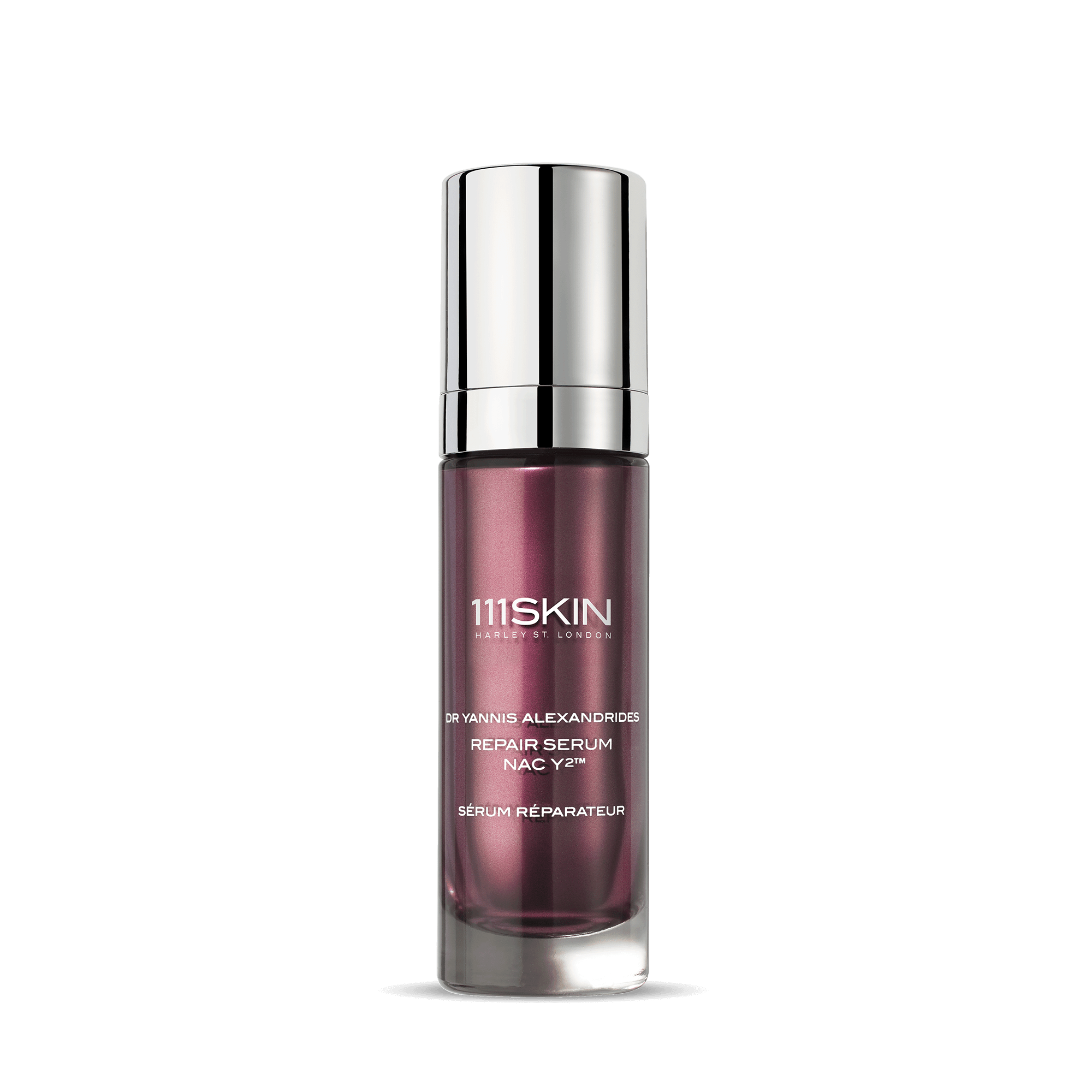
Once Precision Peel has been removed, apply our Repair Serum NAC Y²™ to replenish hydration and help maintain skin resilience following exfoliation. Formulated with our proprietary NAC Y²™ complex, it supports the skin throughout the renewal process.
STEP 4: REPLENISH
Follow with our Repair Night Cream NAC Y²™ to lock in moisture and reinforce the skin barrier. This step helps maintain optimal hydration levels while keeping skin feeling comfortable between resurfacing treatments.
STEP 5: HYDRATE
On non-peel evenings, incorporate our Y Theorem Bio Cellulose Facial Mask whenever skin requires additional hydration. The cooling bio-cellulose delivery system helps comfort the skin while enhancing radiance and overall skin quality.
STEP 6: PROTECT
The morning after using Precision Peel, apply our Repair Sunscreen SPF50+ as the final step in your routine. Daily UV protection is essential following exfoliation and helps preserve visible results while protecting against future pigmentation concerns.
Advice From 111 Harley St.
Avoid using retinol for two to three days before and after applying Precision Peel. Combining resurfacing with hydration and daily UV protection creates the ideal environment for healthy-looking skin renewal.
Your Precision Peel Questions, Answered
Do I need visible peeling for a chemical peel to work?
No. Visible peeling is not required for a chemical peel to be effective. Modern resurfacing cosmetic treatments can improve texture, tone and radiance without producing noticeable flaking.
Can I use Precision Peel during summer?
Yes. Precision Peel can be used year-round, provided daily broad-spectrum SPF is applied consistently.
Can I use Precision Peel with retinol?
Retinol should be avoided for two to three days before and after applying Precision Peel. Scheduling these treatments separately allows each to be used within its intended routine.
How long does it take to see results?
Clinical testing demonstrated a 19% improvement in skin tone after four weeks of use, while 92% of participants agreed their skin felt smoother after the same period.
Will Precision Peel help with dull-looking skin?
By removing accumulated surface cells and encouraging skin renewal, Precision Peel helps reveal a brighter, smoother and more refined-looking complexion.
FEATURED IN THIS BLOG

Words approved by: Dr Yannis Alexandrides
Dr. Yannis Alexandrides, founder of 111SKIN, is a renowned cosmetic surgeon and innovator in skincare. Informed by over 30 years of medical experience, his pioneering formulas merge science and luxury, delivering unparalleled results globally, redefining skincare standards.

Related readings


Ready to elevate your skincare game?