


Table of Contents
- Introduction
- What should "natural" mean in your skincare routine?
- Build the routine around your skin's basic needs
- Adapt your natural skincare routine to your skin
- A practical morning and evening routine
- Add targeted care for your main concern
- Avoid the common shortcuts in natural skincare
- A considered routine starts with the essentials
- FAQ
Introduction
A useful natural skincare routine starts with gentle cleansing, moisturising and daily sun protection. Plant-derived ingredients can have a valuable place within it, but the best guide is how the complete formula cares for your skin, not whether every ingredient comes from nature.
If your aim is softer, more comfortable, naturally radiant skin, focus on consistent care before adding more steps. You can favour botanical ingredients while benefiting from carefully formulated humectants, targeted treatments and sunscreen. The important distinction is between an ingredient's origin and what the finished product actually does.
111SKIN's approach combines clinical inspiration with considered textures and at-home rituals. Founded by plastic and reconstructive surgeon Dr Yannis Alexandrides and Eva Alexandridis, the brand draws on Dr Yannis' practice at 111 Harley St. in London.
What should "natural" mean in your skincare routine?
Separate ingredient origin from skin benefits
"Natural" is used in different ways across skincare. It may describe plant oils, botanical extracts, mineral ingredients or ingredients processed from natural raw materials. It does not, by itself, tell you whether a product will hydrate well, suit sensitive skin or improve visible uneven tone.
A botanical extract and a laboratory-produced ingredient can sit comfortably within the same formula. Each may contribute something different, from skin-softening properties to hydration, stability or preservation. A familiar plant name is not automatically more useful than an unfamiliar technical name.
For a practical routine, translate your preference into a clear priority. Perhaps you enjoy botanical textures, want fewer daily steps or wish to avoid a fragrance ingredient that has previously irritated your skin. Those are more useful selection criteria than expecting the word "natural" to answer every question.
The 111SKIN products discussed here are selected for their cosmetic benefits and application methods. They are not presented as an entirely natural or certified organic routine.
Keep natural, organic and gentle distinct
Natural origin, organic sourcing and gentleness describe different things. Organic certification concerns defined production and sourcing standards; it does not guarantee that a product will suit every complexion. Likewise, vegan status does not establish how hydrating or effective a formula will be.
Plant extracts and essential oils can irritate skin or trigger an allergy. A product that smells herbal or floral is not necessarily the best choice for someone whose skin reacts to fragrance. If that is your concern, look specifically for fragrance-free formulations and check the full ingredient list for known triggers.
Preservatives also have an important role, particularly in water-containing products, where they help protect against microbial contamination. A short ingredient list or a preservative-free claim is not a reliable measure of quality.
Build your routine around a job for each product: cleanse, hydrate, moisturise, protect, then address a specific concern if needed.
Build the routine around your skin's basic needs
Cleanse without chasing a squeaky finish
Cleansing removes make-up, sunscreen, excess oil and surface impurities. The aim is clean, comfortable skin, not a tight or squeaky sensation. Scrubbing harder does not make the next skincare step more effective.
A formulated cleansing oil offers a useful distinction from a plain kitchen or facial oil: it is designed to emulsify and rinse away. 111SKIN Cleansing Oil removes make-up and impurities while leaving skin softer. Its rinse-off format makes it a practical choice for those who enjoy the glide of an oil without wanting to leave it on the skin.
Double cleansing can be useful when removing substantial make-up or persistent sunscreen, but it is not an automatic requirement every evening. Cleansing Oil can be used alone or as the first step in a double cleanse. Let what you are removing, and how your skin feels afterwards, guide that choice.
Water temperature and handling matter too. Warm water and gentle fingertip movements are more considerate than hot water, repeated rubbing or abrasive cleansing tools.
Understand why hydration and moisturising work together
Many natural skincare routines rely heavily on plant oils. Oils can soften skin and help limit moisture loss, but they do not perform the same job as water-attracting ingredients.
Humectants, such as Glycerin and Hyaluronic Acid, attract and hold water. Emollients smooth and soften the skin's surface, while occlusive ingredients help reduce water loss. A well-rounded moisturiser can bring complementary functions together, which is why a face oil alone may leave some skin feeling insufficiently hydrated.
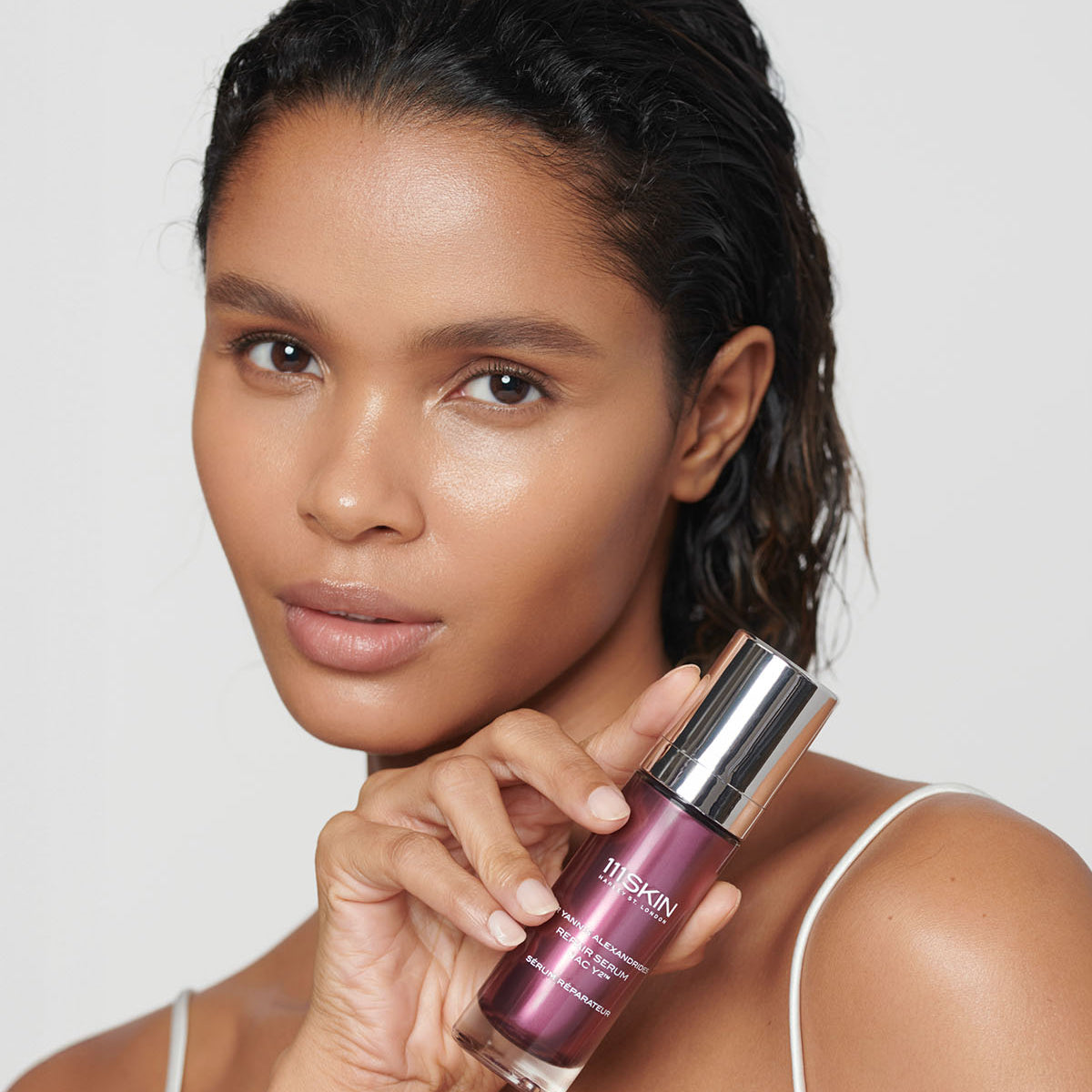
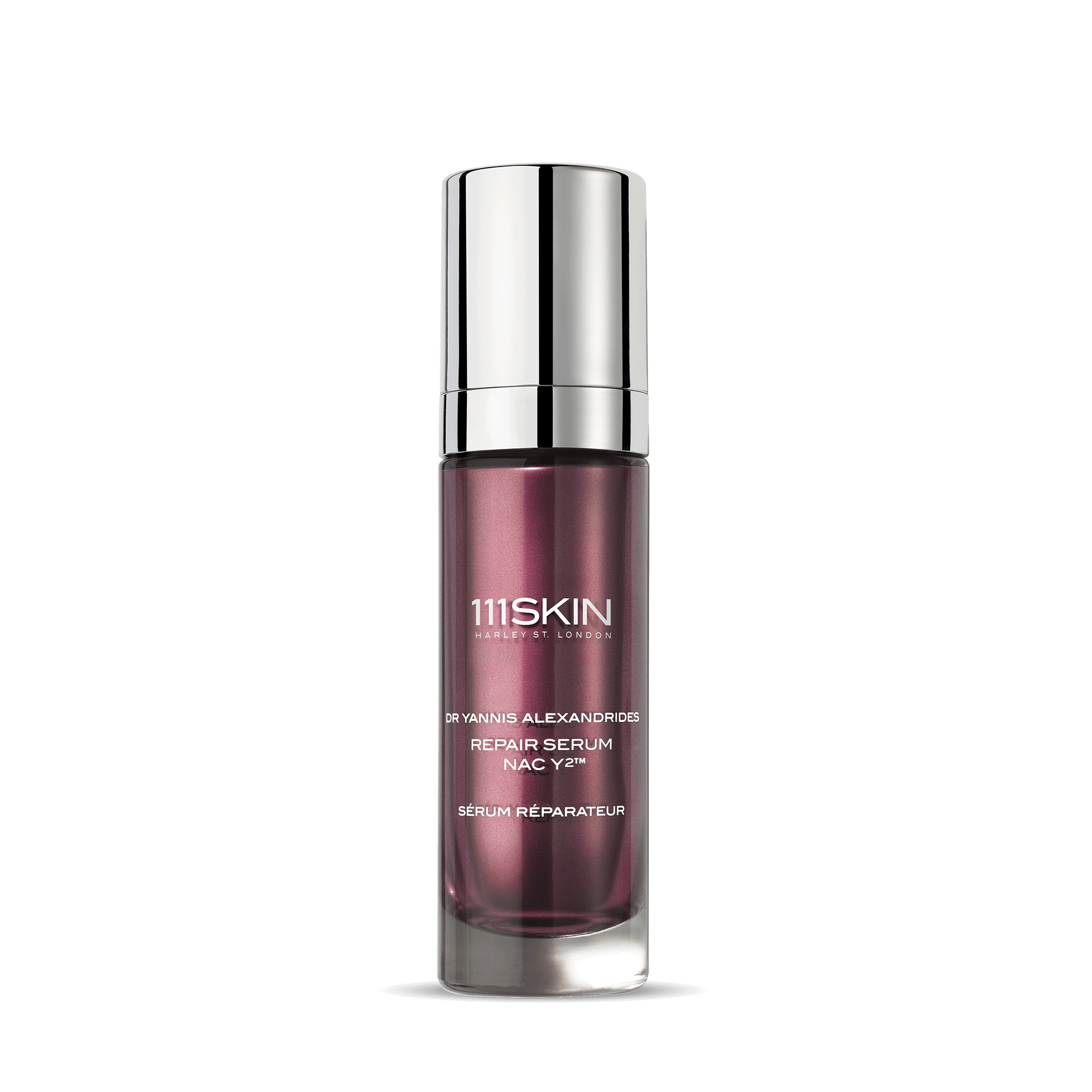
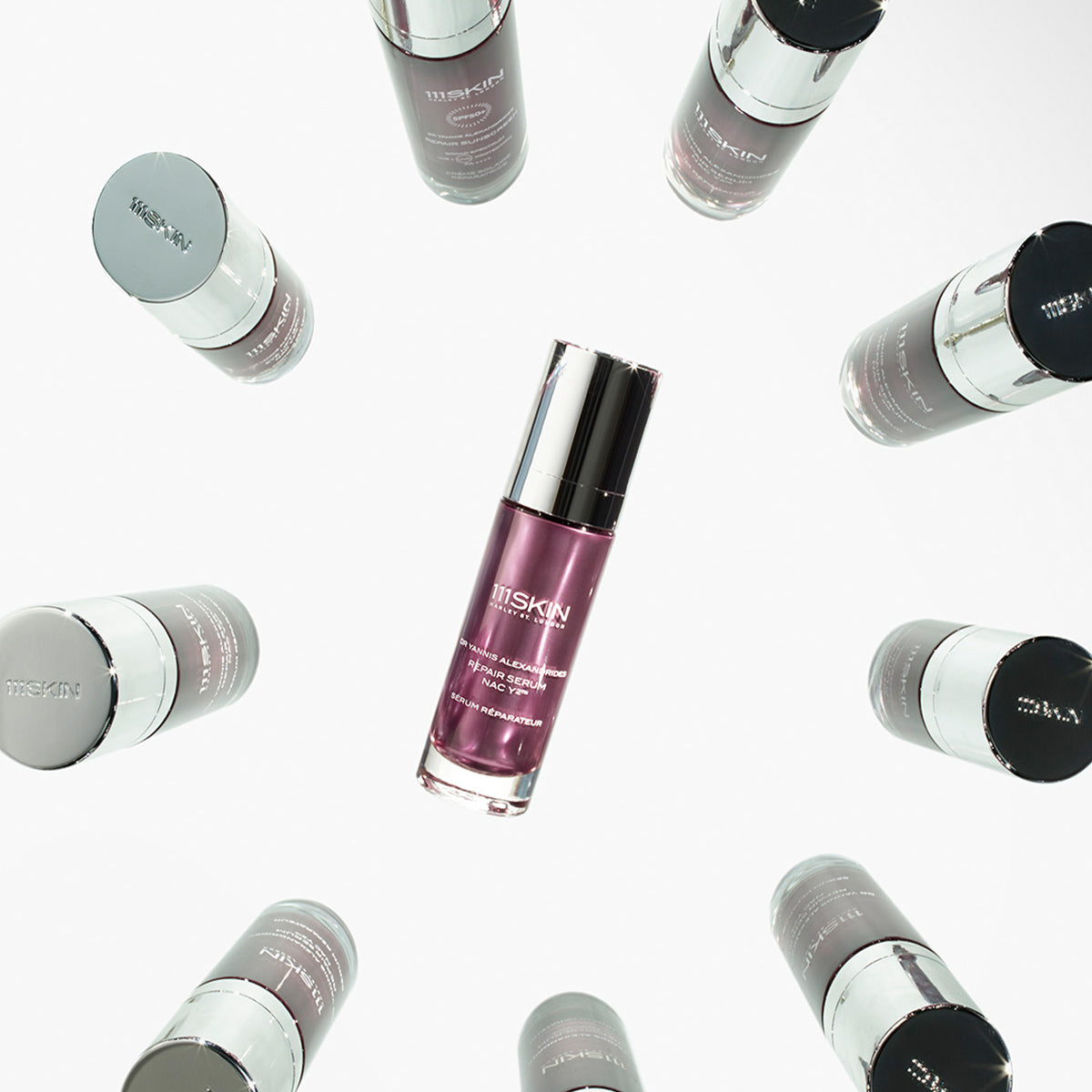
Repair Serum NAC Y²™ provides hydration and leaves skin looking smoother and plumper, while addressing visible redness and early signs of ageing. Its cooling, velvety texture makes it a considered treatment step for skin that feels thirsty or looks tired. The formula features NAC Y²™, Pink Rock Rose Extract and Centella Asiatica.
Follow serum with moisturising care. Repair Day Cream NAC Y²™ provides nourishing hydration and skin-barrier support, while Repair Night Cream NAC Y²™ is a replenishing evening moisturiser. The distinction is practical: a serum addresses selected concerns, and the cream completes the moisturising step.
Make sunscreen part of the foundation
A preference for natural ingredients should not leave a gap in sun protection. Botanical oils, homemade blends and antioxidant skincare do not provide reliable replacements for a tested sunscreen.
Choose a broad-spectrum sunscreen with at least SPF30 and a texture you can apply generously and consistently. Mineral filters may appeal to your preferences, but mineral origin alone does not tell you how comfortable a particular sunscreen will feel or how well you will use it.
Repair Sunscreen SPF50+ fits after moisturiser in a 111SKIN morning routine. Apply it generously and evenly 15 to 20 minutes before sun exposure, and follow its exposure and reapplication instructions. Include shade and protective clothing when appropriate, especially during prolonged outdoor time.
Sun protection is particularly important when uneven tone is a concern. A targeted serum and sunscreen have different roles: one addresses the appearance of existing pigmentation, while the other helps protect skin from further UV exposure.
Adapt your natural skincare routine to your skin
For dry or dehydrated-feeling skin
Dry skin often feels rough, flaky or uncomfortable, while dehydrated-feeling skin may look less plump or feel tight despite some surface shine. These observations can overlap. You do not need to establish a rigid label before improving hydration and moisturising care.
Start by checking the basics: whether cleansing leaves tightness, whether moisturiser feels comfortable through the day, and whether you are using several exfoliating products. Adding another oil may be less useful than improving the balance between water-attracting ingredients and moisturising care.
For a hydration-focused addition, Hyaluronic Acid Aqua Booster features Hyaluronic Acid and Niacinamide. Shake it, then pat 2 to 4 drops onto clean, dry skin before serum, morning or evening. This gives a clear place for extra hydration without turning the routine into a collection of overlapping oils.
Seasonal changes may also matter. If skin becomes less comfortable in cold weather or heated rooms, reassess cleansing and moisturising before assuming it needs stronger treatment.
For oily or combination skin
Oily skin still needs hydration. Removing every trace of surface oil can leave skin feeling uncomfortable without resolving the underlying reason for shine.
Choose textures that sit comfortably on your skin and allow sunscreen to form an even layer. A lighter-feeling hydrating step may be more appealing than several rich oils, especially around the forehead, nose and chin. Combination skin may need more attention to dry cheeks than to the central face.
Use these observations to refine your routine:
- Shine with comfortable skin: assess the finish of your moisturiser and sunscreen before adding oil-control steps.
- Shine with tightness: review harsh cleansing or frequent exfoliation, and retain hydrating care.
- Dry patches alongside an oily T-zone: give those patches particular attention when applying moisturiser, without repeatedly cleansing the whole face.
- Persistent inflamed blemishes: seek professional advice instead of relying on essential oils or homemade spot treatments.
A natural routine does not have to include a facial oil. The useful question is whether each texture helps your skin feel comfortable and works well with the rest of your care.
For sensitive or easily unsettled skin
When skin reacts readily, introduce products one at a time. This makes it easier to identify what suits you and what may be causing discomfort.
Avoid interpreting tingling, burning or marked redness as evidence that a botanical treatment is working. Fragrant plant extracts and essential oils deserve the same attention as any other potential trigger. If fragrance has caused problems before, prioritise fragrance-free choices rather than assuming a natural scent will be different.
Keep the routine steady while assessing a new product. Changing cleanser, serum and moisturiser together makes it difficult to understand a reaction, even when each product has an appealing ingredient story.
Stop using a product if irritation occurs. Persistent irritation, a worsening rash or another medical concern merits professional advice, rather than further experimentation.
A practical morning and evening routine
The foundation below keeps daily care coherent. Serum is the adaptable step: Repair Serum NAC Y²™ suits hydration, visible redness and early signs of ageing, while the targeted tone option discussed later is intended for visible dark spots and uneven tone. Start with one clear priority.
Morning: hydrate, moisturise and protect
- Cleanse gently. If using Cleansing Oil, apply 2 to 3 pumps with dry hands to dry skin. Massage for 30 seconds, rinse with warm water and pat dry.
- Apply serum. Smooth 1 to 2 pumps of Repair Serum NAC Y²™ over the face and neck before moisturiser.
- Moisturise. Apply a pea-sized amount of Repair Day Cream NAC Y²™ to the face, neck and décolletage.
- Apply sunscreen. Use Repair Sunscreen SPF50+ generously and evenly after moisturiser, 15 to 20 minutes before sun exposure. Follow its reapplication instructions.
The completion cue is an even, comfortable application, not a heavily coated feeling from multiple unnecessary layers. Use the stated quantities for your skincare, and take particular care not to underapply sunscreen.
Keep sunscreen separate from other products during application. Mixing it with moisturiser, facial oil or a radiance booster can interfere with the even application needed for reliable protection.
Evening: remove the day and replenish
- Cleanse. Use Cleansing Oil with the method above to remove make-up and impurities. It can stand alone or begin a double cleanse.
- Apply your chosen serum. For the hydration-led routine, use 1 to 2 pumps of Repair Serum NAC Y²™ on the face and neck.
- Complete moisturising care. Apply a pea-sized amount of Repair Night Cream NAC Y²™ to the face, neck and décolletage after serum.
Evening care does not need to recreate every morning step. Sunscreen is left out, while cleansing takes particular importance after a day of make-up and sun protection.
Follow individual directions when introducing a new product, including whether it belongs on clean, dry skin. A blanket rule to apply everything to damp skin, or always place oils last, is less useful than the method designed for the formula.
Add targeted care for your main concern
Uneven tone needs more than an immediate glow
A complexion can look dull because it lacks hydration, because surface texture looks uneven, or because dark spots interrupt an otherwise even tone. Those concerns can coexist, but a shimmering finish and a pigmentation-focused serum do different jobs.
Dark Spot Correcting Serum targets visible dark spots and uneven tone. It combines 2% Tranexamic Acid, 5% seven Swiss Alpine plant extracts and 1% Gluconolactone, illustrating how botanical ingredients and other targeted ingredients can work within one formula.
111SKIN reports a 36% reduction in hyperpigmentation after 56 days in a clinical trial of 32 participants. This makes it a relevant choice when your goal is a more even-looking complexion, beyond the temporary appearance of luminosity.
To make it your targeted serum step, apply 1 to 2 pumps evenly to the face and neck after cleansing, morning or evening, then follow with moisturising care. Include daytime SPF. Keeping this role clear helps you avoid buying several products that all promise "glow" while addressing different needs.
Immediate luminosity has a different role
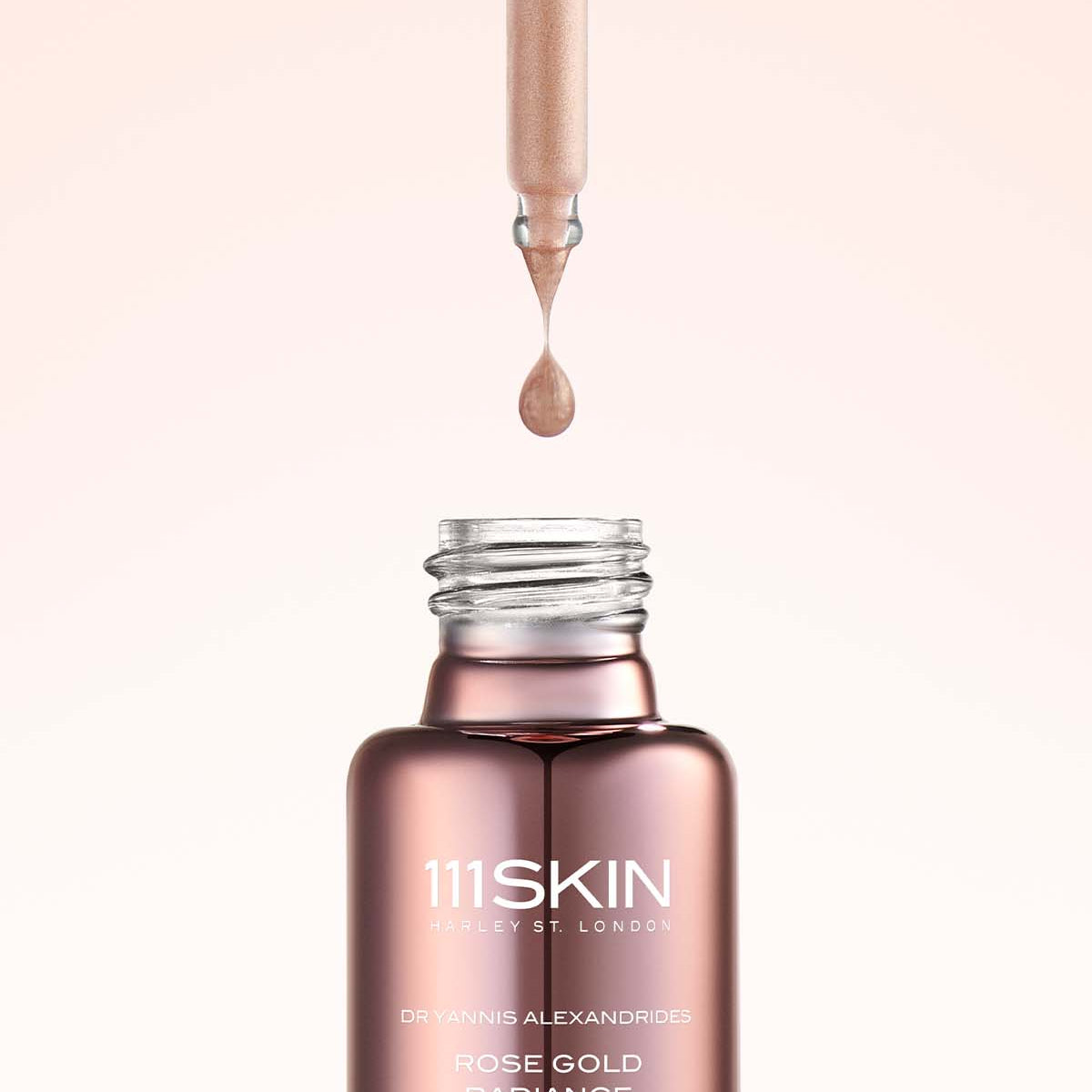
Rose Gold Radiance Booster provides immediate luminosity with a subtle shimmer, alongside hydration. It features Aloe-Moss Extract, Damascus Rose and Hyaluronic Acid. This is useful when you want a more luminous finish to your morning skincare or make-up preparation.
In the morning, shake and mix 1 to 2 drops with moisturiser for all-over radiance. If using it with Repair Day Cream NAC Y²™, this replaces the plain moisturiser application in the morning sequence; sunscreen still follows as a separate step.
A radiance booster does not need to compete with a dark spot serum. One gives an immediate finish, while the other targets uneven tone through consistent care. Start with the benefit that answers your main concern, then decide whether the additional finish would be useful.
Judge progress by the benefit you selected
Hydration, softness and an illuminated finish are different observations from a change in visible dark spots. Assessing them as though they should all appear at the same speed can encourage unnecessary product changes.
Look for practical improvements: less tightness after cleansing, more comfortable skin through the day, smoother-looking texture or a more even-looking complexion. For longer-term concerns, photographs taken in similar lighting can be more informative than checking your skin repeatedly under changing light.
Before adding another product, identify what is missing: water-based hydration, comfortable moisturising care, sun protection or treatment for one visible concern.
Avoid the common shortcuts in natural skincare
Keep kitchen ingredients out of your daily formula
Homemade skincare can look appealing because the ingredients are familiar. However, a food ingredient is not equivalent to a finished cosmetic formula with controlled texture, preservation and directions.
Avoid using lemon juice to brighten the face, baking soda to cleanse or coarse coffee and salt mixtures to scrub away dullness. These approaches can irritate skin, and vigorous friction can leave it feeling sore. Undiluted essential oils are also a poor shortcut for targeted treatment.
Plain plant oils deserve a more measured view. Some people enjoy their skin-softening feel, but a kitchen oil does not automatically emulsify, remove make-up efficiently or replace a moisturiser. A formulated cleansing oil and a leave-on facial oil have different purposes.
Never make sunscreen at home. Protection depends on the complete tested formula, not simply adding a mineral powder to a cream or oil.
Do not make toner or exfoliation compulsory
A natural skincare routine does not need a toner to be complete. Nor does every cleanser need to be followed by a product claiming to "rebalance" the skin.
If you enjoy a hydrating preparation step, select it for that benefit and follow its directions. It should earn its place through comfort or hydration, not through the assumption that cleansing has made another product mandatory.
Exfoliation is similarly a targeted choice, not the definition of good skincare. Begin with a comfortable daily routine before considering it, and follow the exact exfoliant's frequency and combination guidance. Persistent roughness, flaking or redness may call for a review of your routine rather than more exfoliation.
Keep a simple record of what works
A brief note can make product selection more personalised without making skincare complicated. Record what you introduced, where it sits in your routine and how your skin feels.
Review your routine when something changes, such as the weather, your make-up habits or a new product. If several layers begin to pill, simplify the sequence and check quantities before adding another preparation step. If cleansing leaves discomfort, address that first instead of trying to compensate with more treatment.
Use products within their stated period after opening or expiry guidance, and follow their storage instructions. Natural origin does not determine a universal shelf life, and refrigeration is not a general requirement for skincare.
A considered routine starts with the essentials
The most useful natural skincare routine respects your ingredient preferences while meeting your skin's everyday needs. Gentle cleansing, balanced hydration, moisturising care and reliable sunscreen create the foundation; a targeted serum then addresses the concern that matters most to you.
Start by assessing the products you already use against those roles. If hydration and comfort are your priorities, explore 111SKIN's reparative collection; if you are unsure which concern to address first, the skincare quiz offers a practical route towards a personalised selection.
As with any skincare product, patch test before first use. If you are pregnant or breastfeeding, consult your doctor before using any skincare products.
FAQ
What is the simplest natural skincare routine?
Start with a gentle cleanser, moisturiser and daily broad-spectrum sunscreen. A serum can be added for a specific concern, such as dehydration or visible dark spots, once the foundation feels comfortable.
Are natural skincare products better for sensitive skin?
Natural origin does not guarantee gentleness. Botanical extracts and essential oils can irritate skin or trigger allergies, so focus on your known triggers, fragrance preferences and response to the complete formula.
Can I use a plant oil instead of moisturiser?
A plant oil can soften skin and help limit moisture loss, but it does not perform the same role as water-attracting humectants. If your skin feels tight or insufficiently hydrated, a moisturiser that combines complementary functions may be more useful than oil alone.
Do I need toner and exfoliation in a natural skincare routine?
Neither is essential to a basic routine. Add a hydrating preparation step or an exfoliant only when it addresses a clear need, and follow the individual product's application and frequency instructions.