


Table of Contents
- Introduction
- What can diet do for glowing skin?
- Foods to include in a glowing skin diet
- How much water helps skin look hydrated?
- Build a practical meal plan for skin health
- What should you limit, and what need not be excluded?
- Pair nutrition with targeted radiance skincare
- When you want a more radiant finish today
- A sustainable approach to skin radiance
- FAQ
Introduction
A glowing skin diet is a varied, balanced way of eating that provides enough protein, essential fats, vitamins, minerals and fluids. No single fruit, juice or supplement guarantees radiance, but everyday meals can supply the nutrients your skin needs to function normally.
The most useful approach is to build satisfying meals around vegetables, fruit, wholegrains, protein and unsaturated fats, without cutting out entire food groups for cosmetic reasons. Nutrition supports skin health; skincare addresses concerns such as surface dehydration, uneven tone and dullness more directly. Understanding that distinction helps you make practical choices, whether you want a sustainable eating pattern or a brighter-looking finish today.
What can diet do for glowing skin?
Nutrition supports skin function, not a flawless finish
Skin needs a steady supply of nutrients for normal maintenance. Protein provides amino acids used to build structural proteins, vitamin C contributes to normal collagen formation, and essential fatty acids have roles in cell membranes and skin function. Getting enough matters more than finding an unusually concentrated “beauty food”.
A deficiency and an already adequate diet are different situations. Correcting a nutritional shortfall can be important for health, but adding more of a nutrient when you already have enough does not necessarily improve your complexion. That is why “contains vitamin C” and “visibly reduces wrinkles” are not interchangeable claims.
There is also no reliable dietary timetable for radiance. Studies examine different foods, supplements and outcomes, so a promise of glowing skin in seven days oversimplifies the evidence. A sustainable pattern is a better goal than a deadline.
Identify what you mean by glow
Radiance is an appearance, not a diagnosis or a single measure of health. A smooth, hydrated surface reflects light differently from a rough, dry surface, while uneven pigmentation can make the complexion look less uniform. Oiliness can create shine without resolving dehydration.
Fine lines, dark spots and dry-feeling skin also have different causes and care needs. Diet cannot reliably tell you which concern you have, and dullness alone does not establish a vitamin deficiency. Genetics, sun exposure, sleep, hormones and skincare can all influence what you see.
111SKIN was founded by plastic and reconstructive surgeon Dr Yannis Alexandrides and Eva Alexandridis, drawing on his practice at 111 Harley St. in London. That clinical inspiration informs a concern-led approach: support general wellbeing through food, then select topical care for the particular change you want to see.
Foods to include in a glowing skin diet
Vegetables and fruit: variety before superfoods
Vegetables and fruit provide fibre, vitamins and a range of plant compounds. Citrus fruit, kiwi, strawberries, peppers and broccoli are useful sources of vitamin C. Carrots, sweet potatoes and leafy greens provide carotenoids, including beta-carotene, which the body can convert to vitamin A.
Vitamin C is needed for normal collagen formation, but eating an orange does not deliver a targeted firming treatment to the face. Similarly, the presence of antioxidants in berries does not establish that a serving will remove pigmentation or prevent sun damage. These foods earn their place through their nutritional contribution.
Varying your choices is more useful than ranking fruits by supposed glow potential. Apples, oranges, frozen berries and seasonal vegetables can all fit; pomegranates and expensive powders are not essential. Frozen and tinned options make variety easier when fresh produce is less convenient.
Try building produce into meals you already enjoy:
- Add berries, chopped apple or kiwi to porridge or yoghurt.
- Stir frozen spinach, peas or mixed vegetables into soups, curries and pasta sauces.
- Serve peppers, tomatoes or broccoli alongside a protein source.
- Rotate vegetables across the week instead of relying on one daily green juice.
Whole fruit is a useful default because it retains fibre and is easy to eat as part of a meal or snack. A smoothie can fit too, but it does not need a long list of powders to become worthwhile.
Protein: provide the building blocks
Your body breaks dietary protein down into amino acids and uses them where needed, including in skin proteins. Fish, eggs, dairy, poultry, tofu, beans and lentils can all contribute. You do not need to eat collagen itself to provide material for normal collagen production.
Include a recognisable protein source in your main meals. That could mean yoghurt or fortified soya yoghurt at breakfast, chickpeas at lunch and tofu or fish at dinner. A plant-based diet can supply protein through varied foods, with appropriate planning for other nutrients.
Bone broth can be enjoyed as food, but it is not a necessary step in a glowing skin diet. Its composition varies, and drinking it does not direct collagen specifically to facial skin. A balanced meal containing protein and vegetables is a more dependable foundation than a single beauty drink.
Unsaturated fats: an important part of balanced meals
Very restrictive low-fat eating can make it harder to obtain essential fatty acids and fat-soluble vitamins. Olive oil, nuts, seeds and avocado are practical sources of unsaturated fats. These foods also make meals more satisfying and enjoyable.
Oily fish such as salmon, sardines and mackerel provide the omega-3 fats EPA and DHA. Walnuts, chia seeds and flaxseed provide ALA, a different omega-3 fat that the body converts to EPA and DHA only to a limited extent. Plant and fish sources therefore contribute differently, although both can belong in a balanced diet.
Use these foods in ordinary portions within meals: olive oil in a dressing, seeds stirred into porridge, or salmon with potatoes and greens. There is no established avocado portion that guarantees plumper skin. Nor does eating more fat replace moisturiser when the skin's surface feels dry.
Wholegrains, pulses and minerals: keep the foundation broad
Oats, wholegrain bread, brown rice, beans and lentils supply combinations of carbohydrate, fibre, protein and micronutrients. They help create substantial meals without making every choice revolve around a cosmetic outcome.
Zinc contributes to normal skin maintenance and is found in foods including meat, shellfish, dairy, beans, nuts and seeds. More is not automatically better: high-dose zinc supplements can cause problems, including interfering with copper balance. A varied diet is the sensible starting point unless a professional identifies a specific need.
If you eat vegan, plan for a reliable source of vitamin B12 through suitable fortified foods or supplementation. Other requirements depend on your diet and circumstances. A registered dietitian can help you cover these without turning eating into a restrictive skin regimen.
How much water helps skin look hydrated?
Meet your fluid needs without forcing excess
Adequate fluid intake supports normal body function. If you usually drink very little, increasing your intake may improve some measures of skin hydration, but the research is limited. Drinking extra water beyond your needs is not a reliable way to erase fine lines or clear breakouts.
Drink regularly and respond to thirst, allowing for activity, warm weather and your individual needs. Pale yellow urine is a useful everyday guide for many people, although medicines, supplements and health conditions can affect its colour. Follow any fluid advice given for a medical condition.
Water does not have to be your only source of fluid. Tea, coffee, milk and suitable alternatives contribute, while foods such as fruit, vegetables and soups also contain water. Lemon or cucumber can make water more enjoyable, but neither turns it into a detox treatment.
Drinking water and moisturising do different jobs
Your skin can feel dry even when you are drinking adequately. Its outer barrier helps limit water loss, and weather, cleansing habits and skincare can affect that surface. Increasing water intake alone does not address all of these factors.
Topical humectants attract water, emollients soften the surface, and moisture-loss-limiting ingredients help retain hydration. These roles explain why a hydrating serum and moisturiser can complement a balanced diet. They are different routes of care, not competing explanations for healthy-looking skin.
If you are drinking adequately but your skin still feels tight after cleansing, review your cleanser and moisturising care before simply adding more water.
Build a practical meal plan for skin health
A flexible day of balanced meals
A useful meal plan should fit your appetite, culture, budget and dietary preferences. It should also provide enough food. A small salad and juice may look like a wellness meal while leaving you short of energy and protein.
Use this example as a starting point, adjusting quantities to your needs:
- Breakfast: Porridge made with milk or a fortified soya alternative, topped with berries and walnuts. Add yoghurt or another protein source if needed.
- Lunch: A chickpea, tofu or chicken bowl with wholegrains, leafy vegetables, peppers and an olive oil dressing.
- Snack, if hungry: Fruit with yoghurt, nuts, or hummus with vegetables and wholegrain crackers.
- Dinner: Salmon, lentils or tofu with potatoes or brown rice and a generous serving of vegetables.
These combinations bring several food groups together without requiring specialist ingredients. They also show why carbohydrates do not need to disappear from a skin-supportive diet: oats, rice, potatoes and bread can all have a place.
Make consistency easier across the week
Begin with what is missing from your usual meals. If breakfast rarely contains protein, add yoghurt, eggs or a suitable plant alternative. If vegetables are difficult at lunchtime, frozen vegetables or a prepared bean salad may be more realistic than an elaborate recipe.
Keep a few dependable ingredients available: oats, tinned pulses, frozen vegetables, eggs or tofu, and a cooking oil you enjoy. Repeating a convenient meal is perfectly reasonable; vary one ingredient when you can. Nutritional variety does not require a completely different menu every day.
For a busy week, prepare a grain and a tray of vegetables, then add different proteins and dressings. This reduces the practical effort of eating well without creating a rigid “glow plan”. The goal is a pattern you can maintain when life is ordinary, not only before an event.
What should you limit, and what need not be excluded?
Added sugar and acne: avoid blanket rules
Some research suggests that lower-glycaemic eating patterns can help some people with acne. That is a specific concern, not evidence that everyone needs to eliminate carbohydrates for radiance. Diet is one influence among several and does not replace acne treatment.
A practical adjustment is to choose fibre-rich carbohydrates more often and have sugary drinks or sweets less frequently if they dominate your intake. Pairing carbohydrates with protein, vegetables and fats also creates a more balanced meal. There is no need to treat a dessert as a visible ageing event.
Whole fruit does not need to be removed because it contains sugar. Equally, one serving of white bread is not a diagnosis of a poor diet. Consider your overall pattern and seek professional help for persistent or distressing breakouts.
Dairy, gluten and fermented foods
Dairy is not a universal cause of dullness. Some studies associate milk intake with acne, but that does not mean every dairy product affects every person in the same way. Avoid removing a useful source of protein and calcium without considering how to replace it.
Gluten-free eating is necessary for certain diagnosed conditions, not a general requirement for glowing skin. If you suspect a food-related problem, speak to a healthcare professional before starting exclusions. Broad elimination diets can complicate nutrition and make it harder to identify what actually helps.
Yoghurt, kefir and fermented vegetables can add interest to meals, but “gut-friendly” does not automatically mean a proven skin treatment. Research into the gut-skin relationship is developing, and probiotic effects depend on the particular strain and context. There is no universal probiotic prescription for radiance.
Alcohol, detoxes and beauty supplements
Alcohol can contribute to dehydration, disrupt sleep and trigger flushing in some people. Reducing it can support wellbeing, but red wine should not be introduced as an antioxidant treatment. Plant foods offer nutrients without requiring alcohol.
Juice cleanses, fasting regimens and detox teas do not provide a dependable route to brighter skin. They can displace balanced meals, and some products contain laxatives or stimulants. Your liver and kidneys already perform the body's essential waste-processing functions.
Collagen supplements have been studied for outcomes including hydration and elasticity, but study quality, formulations and commercial funding vary. They are not essential for a balanced diet or guaranteed to improve your complexion. Discuss supplements with a doctor, pharmacist or dietitian if you take medicines, have a health condition or suspect a deficiency.
Pair nutrition with targeted radiance skincare
Match your serum to the visible concern
Once your meals and hydration are broadly balanced, identify what your complexion needs topically. Dry-feeling skin calls for hydration and barrier care; visible dark spots call for a more targeted approach to uneven tone. A dietary change cannot replace that distinction.
Dark Spot Correcting Serum targets visible dark spots and uneven tone with 2% Tranexamic Acid, 5% seven Swiss Alpine plant extracts and 1% Gluconolactone. In 111SKIN's reported clinical trial of 32 participants, hyperpigmentation reduced by 36% after 56 days. It is a relevant choice when a more even-looking complexion is your goal.
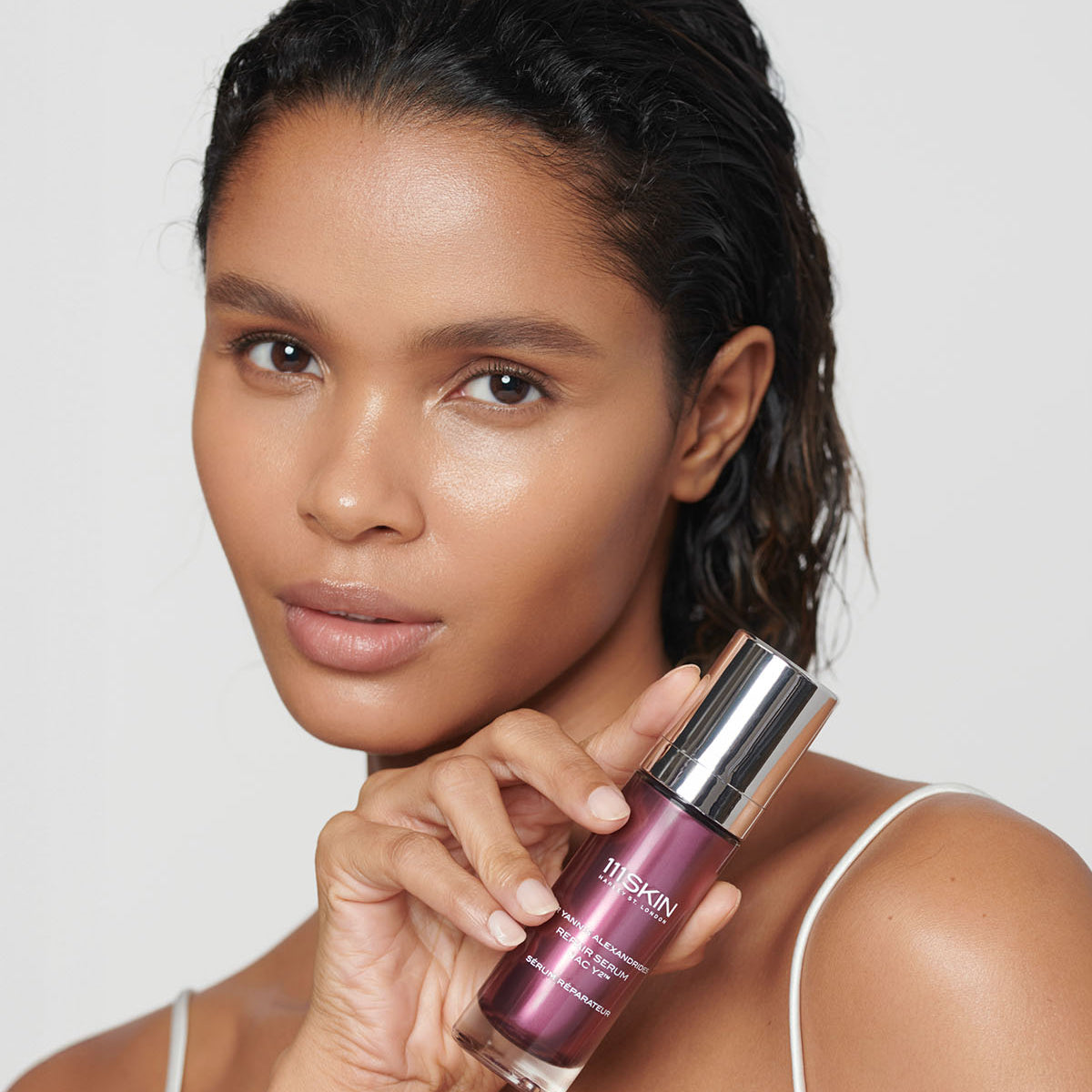
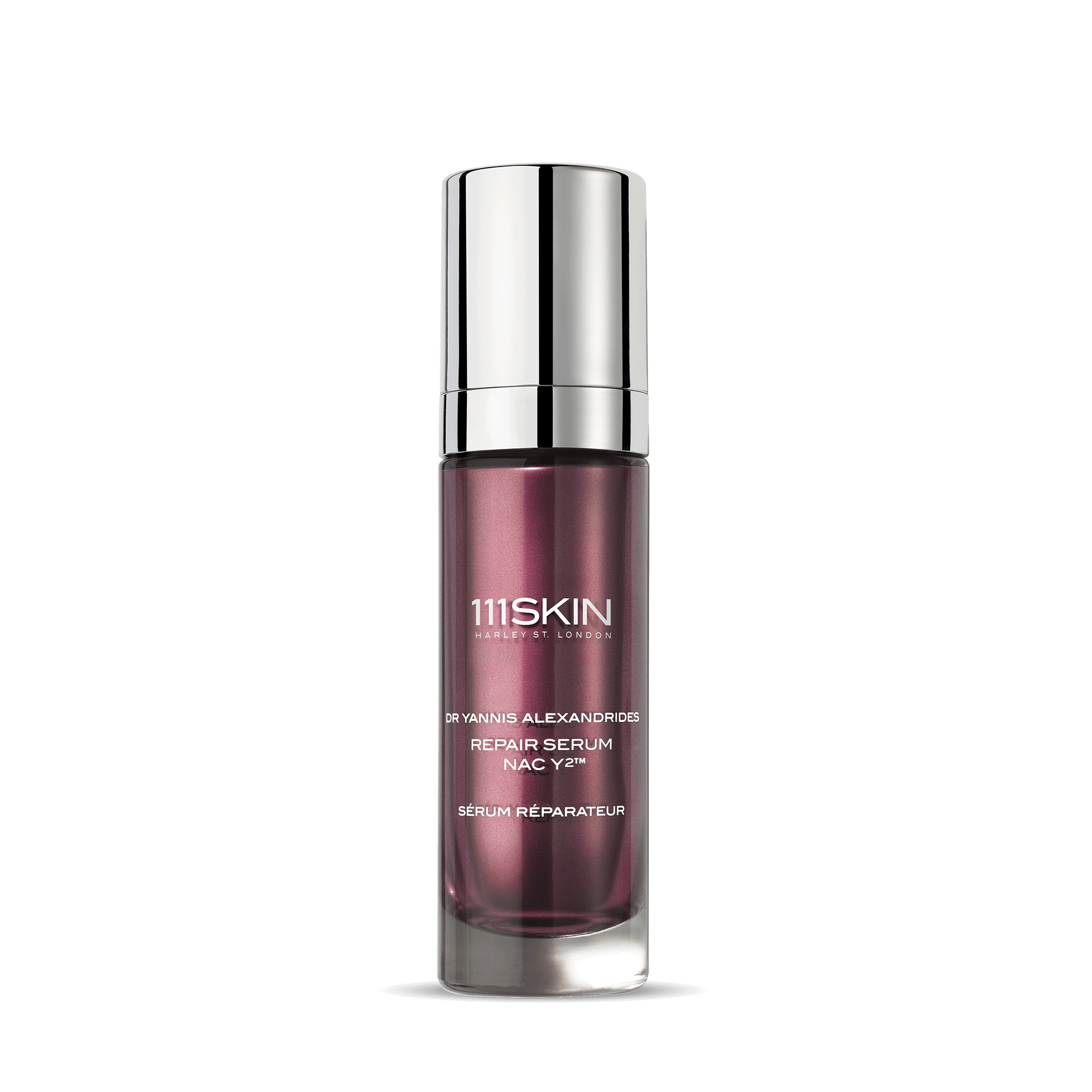
For hydration, smoother and plumper-looking skin, Repair Serum NAC Y²™ offers a cooling, velvety texture. It also addresses visible redness and early signs of ageing. Select your serum around the concern you see, rather than assuming all forms of dullness need the same treatment.
Keep the supporting routine straightforward
This compact morning routine brings targeted treatment together with moisturising care and sun protection. Use your chosen serum consistently, while keeping cleansing comfortable and avoiding unnecessarily hot water.
- Cleanse: With dry hands, massage 2 to 3 pumps of Cleansing Oil over dry skin for 30 seconds. Rinse with warm water and pat dry.
- Apply your chosen serum: Smooth 1 to 2 pumps of Dark Spot Correcting Serum evenly over the face and neck, or apply 1 to 2 pumps of Repair Serum NAC Y²™ to those areas.
- Moisturise: Apply a pea-sized amount of Repair Day Cream NAC Y²™ to the face, neck and décolletage after serum for nourishing hydration and skin-barrier support.
- Protect: Apply Repair Sunscreen SPF50+ generously and evenly after moisturiser, 15 to 20 minutes before sun exposure. Follow its exposure and reapplication directions.
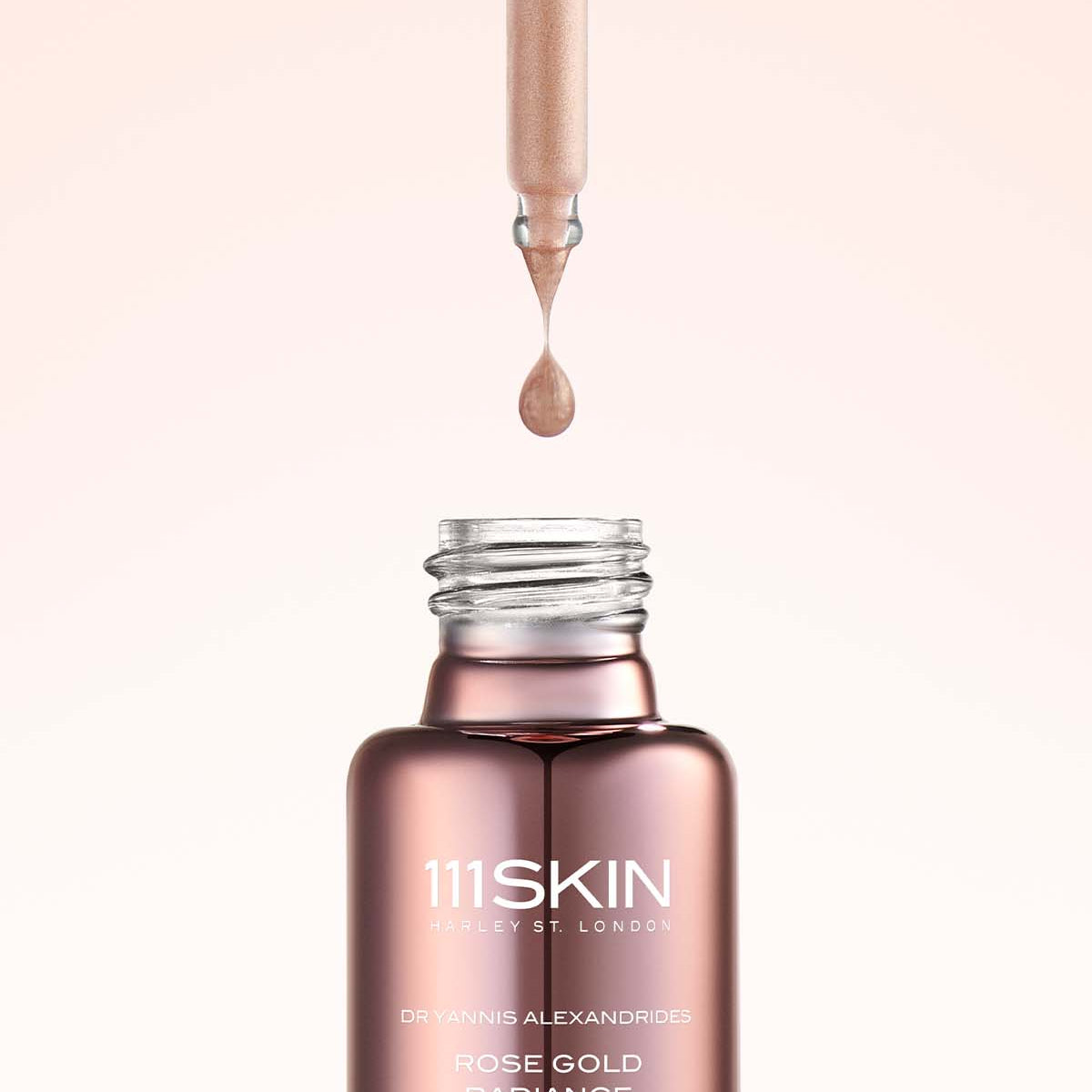
For immediate luminosity with a subtle shimmer, Rose Gold Radiance Booster can accompany the moisturising step. In the morning, shake and mix 1 to 2 drops with your moisturiser; keep sunscreen as its own separate layer. This creates a radiant finish, while the dark spot serum addresses a different, longer-term concern.
All Day Radiance Face Mist adds hydration and a refreshed, glowing finish after the completed routine, over make-up or during the day. Hold it 8 to 10 inches from the face, close your eyes and spray 2 to 3 times, avoiding direct eye contact. It offers a convenient refresh without restarting skincare.
When you want a more radiant finish today
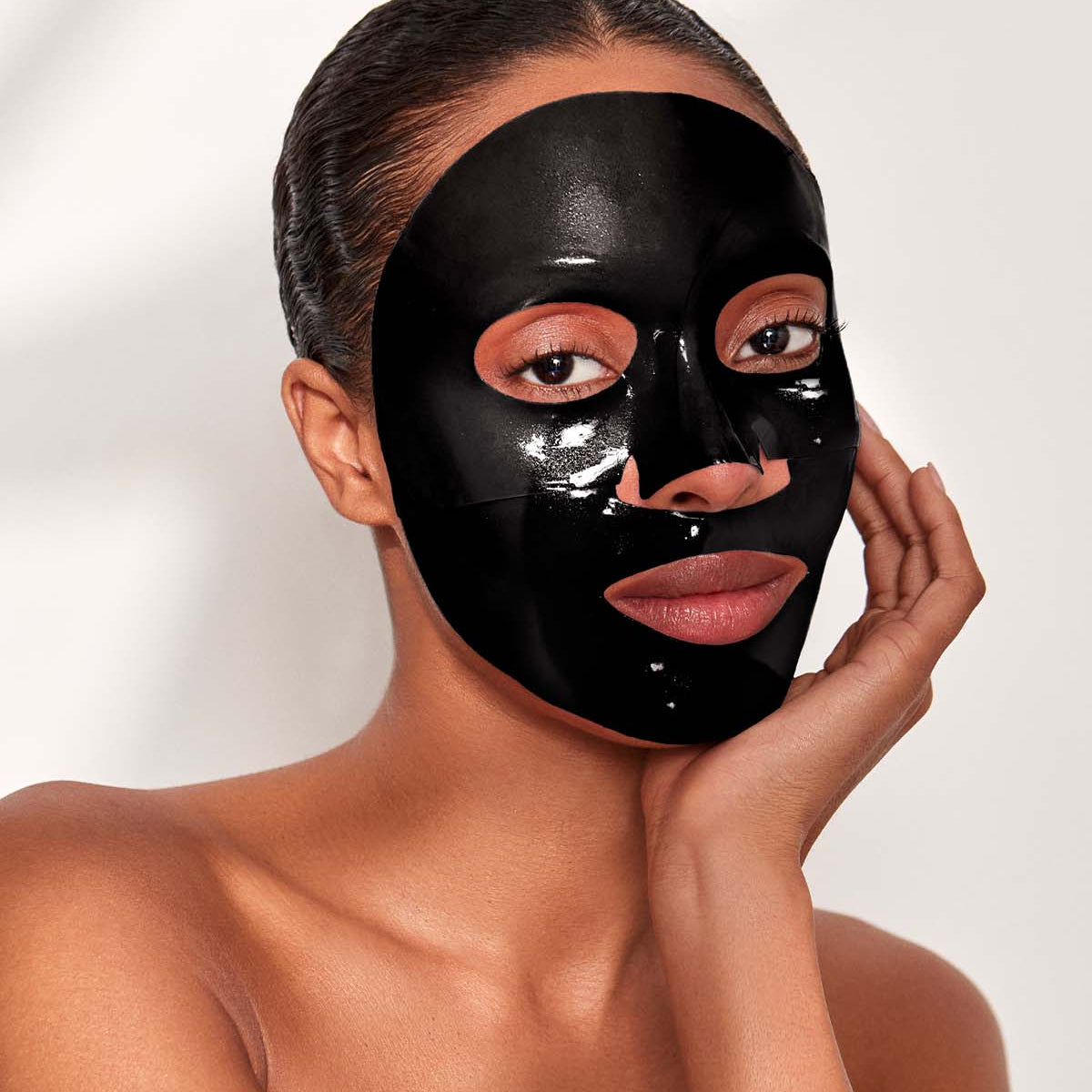
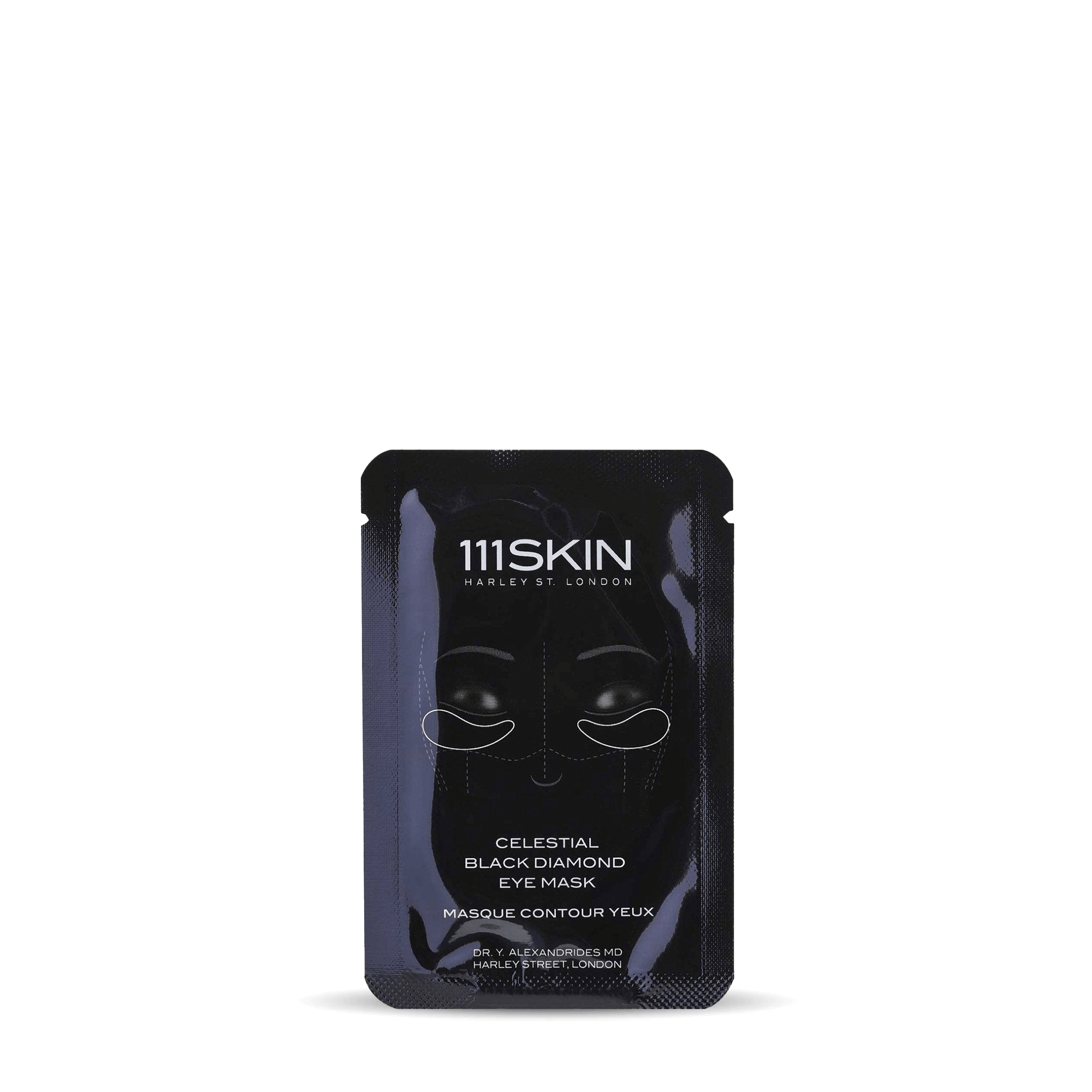
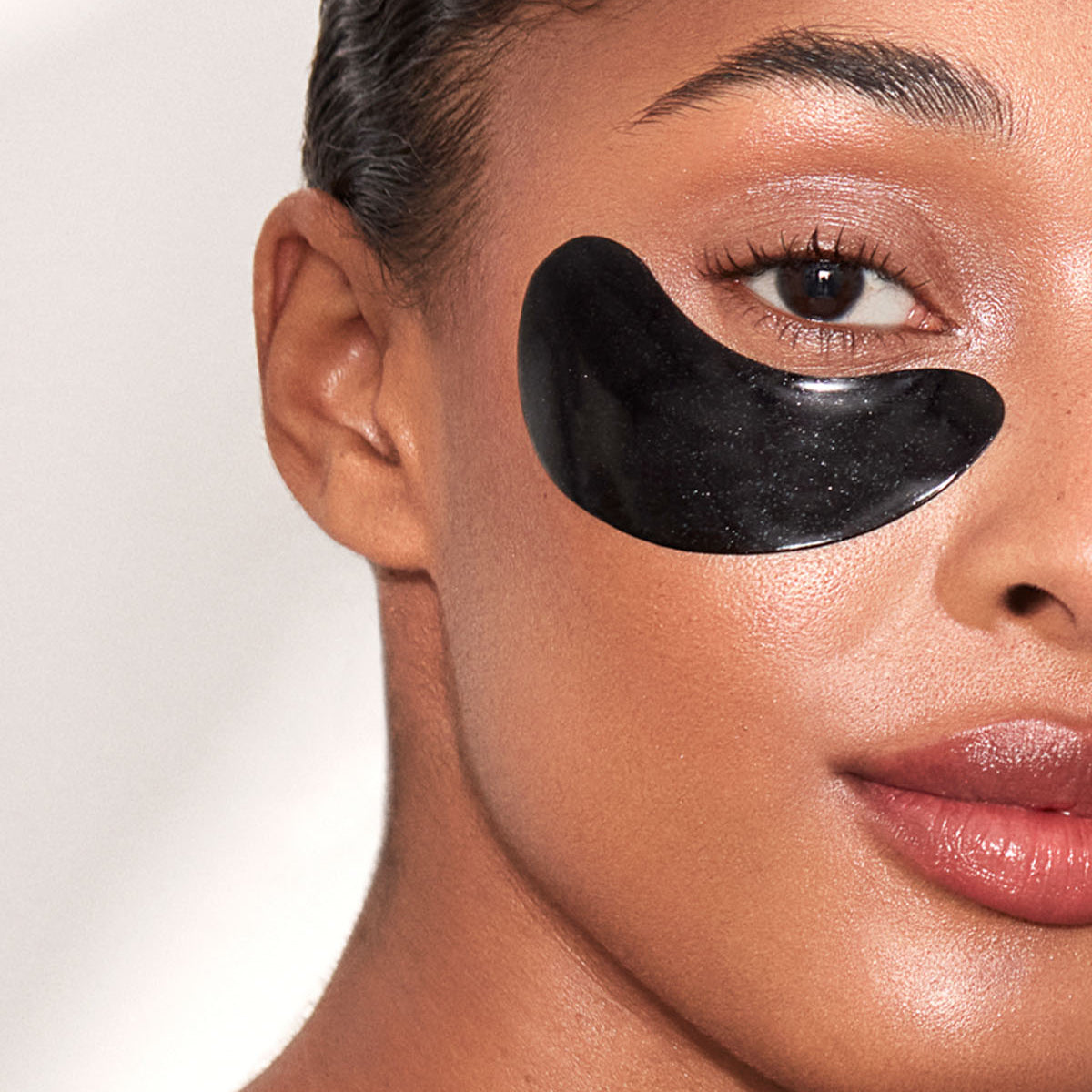
A meal plan is not an event-day treatment, but a hydrating facial mask can improve the appearance of the skin's surface. Rose Gold Brightening Facial Treatment Mask is a hydrogel mask for a hydrated, plumper and radiant finish, featuring Damask Rose and Gold.
Apply it to clean, dry skin after cleansing, morning or evening. Wear for 20 minutes, then remove before subsequent leave-on skincare. Its inclusion in WWD Beauty Inc's 100 Greatest Skin Care Products of All Time, 2024, recognises a format that fits neatly into occasion preparation.
For an occasion, keep meals familiar and satisfying, drink normally and use skincare your skin already tolerates. A last-minute restrictive diet adds little practical value.
A sustainable approach to skin radiance
The strongest glowing skin diet is one that nourishes you consistently: enough food, varied plants, regular protein, unsaturated fats and adequate fluids. Start with one useful change, such as adding protein to breakfast or keeping vegetables available for dinner, instead of adopting a restrictive overhaul.
Then match skincare to your actual concern. Explore targeted tone care if dark spots interrupt an otherwise radiant complexion, or hydrating care if tightness and roughness are more noticeable. The 111SKIN skincare quiz can help you refine that topical choice while your meals continue to support overall wellbeing.
As with any skincare product, patch test before first use. If you are pregnant or breastfeeding, consult your doctor before using any skincare products.
FAQ
What is the best diet for glowing skin?
A varied, balanced diet containing vegetables, fruit, wholegrains, protein and unsaturated fats is a sound foundation. No single dietary pattern guarantees visible radiance, and adequate nutrition matters more than a particular superfood. Adapt meals to your preferences and any medical dietary needs.
Which fruit is best for glowing skin?
There is no single best fruit for radiance. Kiwi, citrus fruit and strawberries provide vitamin C, while other fruits contribute different nutrients and fibre. Variety is more useful than relying on one fruit every day.
Can drinking more water make skin glow?
Drinking enough supports normal hydration, and increasing intake may help some skin hydration measures if you usually drink very little. Drinking beyond your needs does not reliably improve radiance or clear acne. Dry-feeling skin may also need topical hydration and barrier-supporting moisturiser.
How long does a glowing skin diet take to work?
There is no established timeline because diets, starting nutritional status and skin concerns differ. A balanced eating pattern supports health over time, but it cannot promise a visible change within seven days or a month. Seek professional advice if skin changes are persistent, sudden or accompanied by other symptoms.