


Table of Contents
- Introduction
- What makes a gua sha ring different?
- What can a gua sha ring realistically do?
- How to use a gua sha ring comfortably
- Choosing, cleaning and troubleshooting your ring
- Fit massage into a considered skincare routine
- When puffiness is concentrated around the eyes
- Make comfortable technique your measure of success
- FAQ
Introduction
A gua sha ring is a compact facial massage tool with a finger-sized opening that helps you hold and guide its smooth surface. Its appeal is practical: the ring-shaped grip can make a slippery tool easier to control, while gentle massage offers a relaxing ritual and may temporarily soften the appearance of puffiness. It will not permanently reshape the jawline or remove facial fat.
The best results begin with comfortable pressure, enough product slip and realistic expectations. The ring's shape changes how you hold the tool, not how much force your skin needs. Understanding that distinction helps you choose a well-finished tool, use it without dragging and fit massage into skincare without disrupting the products doing the work of hydration, smoothing and protection.
What makes a gua sha ring different?
A finger grip gives you another way to control the tool
Unlike a flat gua sha stone held between the fingers, a gua sha ring has an opening through which you can place a finger. You guide the rounded outer surface across the skin while the opening helps secure your hold. Many examples are made from smooth ceramic, although materials and finishes vary between manufacturers.
The useful feature is handling. If you find a flat tool awkward to manoeuvre with product on your hands, a ring design may feel more manageable. It can also be convenient for smaller movements across the cheeks or around the jaw.
A secure grip does not make the tool slip-proof, and it should not encourage a tighter hold or deeper pressure. Your hand should remain relaxed enough to adjust the tool as it follows the face. If the opening pinches your finger or forces an uncomfortable wrist position, the design is not a good fit.
The contact surface matters as much as the shape
Look beyond the ring opening to the part that actually touches your skin. A smoothly rounded surface distributes contact differently from a narrow ridge, which concentrates pressure into a smaller area. A small tool can therefore feel surprisingly intense even when the hand movement looks gentle.
Choose a tool with an even finish, no sharp seams and no chips or cracks. Ceramic can be smooth and comfortable, but the word "ceramic" alone does not establish the quality of its coating, durability or cleaning requirements. Those details belong to the individual tool.
The ring is a modern facial-massage format associated with gua sha, a practice with roots in traditional Chinese medicine. Gentle cosmetic facial massage should not be confused with more vigorous scraping techniques used on the body. Creating marks is not the aim of this at-home facial ritual.
What can a gua sha ring realistically do?
Temporary de-puffing and a more rested appearance
Gentle facial massage may temporarily reduce the appearance of mild puffiness. When a face looks less puffy, its natural contours can appear clearer, which helps explain descriptions such as "sculpted" or "defined". That visual change is different from altering the underlying facial structure.
The effect varies, and a ring-shaped tool has not been established as superior to other massage formats. Changes in lighting, facial expression and the angle of a photograph can also make a jawline look more prominent. Judge the experience by comfortable skin and a refreshed appearance, not by dramatic before-and-after images.
Persistent, painful or one-sided swelling needs medical attention rather than more massage. A cosmetic tool is appropriate for a gentle ritual on healthy skin, not for investigating unexplained changes.
A relaxing ritual, without promises of structural lifting
Slow, comfortable movements can feel soothing, particularly if you habitually hold tension around your jaw or temples. That sensory benefit is worthwhile in its own right. It does not establish that the tool treats jaw disorders, headaches or muscular pain.
Claims about "detoxing" the face, breaking down fat or permanently lifting tissue go beyond what a gua sha ring can reliably deliver. Likewise, a temporary flush is not proof that the tool has stimulated collagen. Pressing harder to obtain a visible reaction increases friction without establishing a better result.
A useful checkpoint: the tool should glide comfortably, your face should stay relaxed, and your skin should not need to recover from the massage.
Separate massage benefits from skincare benefits
A freshly moisturised face often looks smoother and more luminous before any tool touches it. Humectants attract water, emollients soften the skin, and moisture-loss-limiting ingredients help retain hydration. Those functions explain why product application and massage can feel complementary without making the tool responsible for every improvement.
Visible fine lines related to dryness can look softer with hydration. Established wrinkles, persistent dark spots and uneven texture require care selected for those concerns. A gua sha ring does not replace a targeted formula or make its ingredients work more deeply.
For example, Dark Spot Correcting Serum addresses visible dark spots and uneven tone, a different task from massage. 111SKIN reports a 36% reduction in hyperpigmentation after 56 days in a clinical trial of 32 participants. If pigmentation is the reason your complexion looks uneven, targeted tone care and daytime sun protection are more relevant than additional tool pressure.
How to use a gua sha ring comfortably
Prepare for glide, not grip
Start with clean hands, a clean tool and freshly cleansed skin. Choose a familiar serum, moisturiser or facial oil that your skin tolerates and that the tool manufacturer recommends for use with its material. The product should allow movement without pulling.
Texture matters more here than the word "serum" or "oil". A watery serum may absorb quickly and leave too little slip for massage; a richer texture may remain workable for longer. Neither category guarantees that every formula will suit the tool or your skin.
Do not increase the dose of a concentrated treatment simply to create a massage medium. A product with a specified application amount should retain that amount. If the surface begins to feel tacky, stop and reassess instead of repeatedly passing the tool over skin that has lost its glide.
Follow a simple, light-handed sequence
Different rings have different curves and contact points, so use the manufacturer's directions for your particular model. The following principles describe a gentle facial approach, not a specialist lymphatic-drainage treatment or a universal map for every tool.
- Check the surface and your grip. Inspect the tool for damage, place your finger comfortably through the opening and hold it without clenching. Use the smoothly rounded contact area intended for facial use.
- Establish light contact. Rest the tool against prepared skin and make a slow test movement. The skin should not bunch up ahead of the tool or feel caught beneath it.
- Work across the cheek. Gently guide the tool from the inner cheek outwards, following the cheek's natural contour. Avoid pressing into the side of the nose or pushing hard against the cheekbone.
- Follow the jaw comfortably. Move from the chin towards the ear along the jawline with light pressure. Keep your teeth unclenched and avoid digging the tool underneath the jaw.
- Reposition between movements. Lift and reset the tool instead of scrubbing back and forth. Stop when the product no longer provides glide or the skin feels uncomfortable.
- Finish and clean. Complete any remaining skincare steps appropriate to your routine, then clean and dry the tool according to its material-specific instructions.
There is no need to chase a fixed number of strokes. Facial size, tool shape and the working time of your skincare all differ. Controlled, comfortable movement is more useful than completing a count after the skin has become dry or tender.
Keep delicate areas genuinely gentle
A small ring may look well suited to every facial contour, but size is not permission to use it everywhere. The mobile eyelids and the area immediately around the eyes require particular care. Avoid pressure on the eyeball and do not draw a hard tool along the lash line.
For a beginner, concentrating on the cheeks and jaw keeps the technique straightforward. Temple massage should remain light, without sustained digging or forceful circular pressure. If your tool includes specific eye-area directions, follow those exact instructions rather than improvising with an unfamiliar edge.
The neck also deserves restraint. Avoid firm pressure over the front of the throat, and do not turn a facial tutorial into a deep neck or shoulder treatment. Pain, tenderness or recurring tension is a reason to seek appropriate advice, not a cue to use a smaller contact point.
Let skin response determine the frequency
There is no universal daily requirement for a gua sha ring. Begin with a brief, gentle session and observe how your skin feels afterwards and later that day. Comfortable skin is a better guide than an online challenge or an ambitious massage schedule.
Do not increase pressure or frequency because a visible effect seems subtle. Temporary cosmetic changes may be modest, and more massage does not necessarily produce more definition. If you notice lingering redness, tenderness, stinging or increased sensitivity, stop using the tool.
Choosing, cleaning and troubleshooting your ring
Use a practical buying checklist
The most useful purchase is a tool you can control and maintain, not the one with the strongest sculpting claim. Before choosing, consider how its shape will work in your hand and how clearly the manufacturer explains its use.
- Comfortable fit: the opening should support a relaxed grip without trapping or pinching your finger.
- Smooth contact area: check for rounded edges, an even finish and a surface free from chips, cracks or rough joins.
- Clear instructions: look for guidance on facial application, compatible products and cleaning.
- Manageable construction: consider weight, fragility and whether you can safely store it between uses.
- Realistic claims: prioritise usability over promises of permanent contour changes or guaranteed lifting.
A more expensive material does not automatically establish better cosmetic results. Equally, a compact design is only helpful if you can guide it without pressing excessively. If possible, assess the proportions and contact surface as carefully as the appearance.
Explore 111SKIN's skincare tools to compare available formats.
Clean according to the material, then store it dry
Product residue, skin oils and handling can leave a massage tool dirty even when it looks clean. Clean it after use according to the manufacturer's instructions and allow it to dry before storing. A quick tissue wipe may remove visible product without fully cleaning the surface.
Do not assume that every ceramic finish tolerates soaking, alcohol, boiling water or a dishwasher. Cleaning methods can differ with coatings and construction. Keep the ring in a clean, protected place where it will not knock against harder objects or develop unnoticed chips.
Inspect it again if you drop it. A damaged edge can scratch even when the rest of the tool feels smooth. A protective pouch or case is useful for travel, but the tool should be clean and dry before it goes inside.
Know when to pause or change the approach
Dragging is usually a sign to reassess slip, pressure or the contact angle. It is not something to overcome with a firmer grip. Pilling can occur when skincare layers roll into small particles under repeated movement; stop the massage and simplify the combination next time.
Avoid passing the tool over broken skin, sunburn, inflamed blemishes or an active irritation flare. If you have a condition that makes skin fragile or prone to flushing, ask a qualified professional whether massage suits you. After facial procedures, follow your treating practitioner's recovery guidance.
Do not heat, freeze or refrigerate a ring unless its manufacturer specifically permits it. Temperature changes can affect comfort and may be unsuitable for a particular material. Room-temperature use is a straightforward starting point.
Fit massage into a considered skincare routine
111SKIN was founded by plastic and reconstructive surgeon Dr Yannis Alexandrides and Eva Alexandridis, drawing on his practice at 111 Harley St. in London. That clinical inspiration is reflected in an approach that pairs targeted formulas with considered at-home rituals. A gua sha ring belongs in the ritual element: skincare still supplies the hydration, nourishment and daily protection.
Keep the supporting routine compact, and place massage before sunscreen and make-up so repeated tool movements do not disturb those finished layers.
The evening moisturiser in this routine is Repair Night Cream NAC Y²™.
- Cleanse. With dry hands, apply 2 to 3 pumps of Cleansing Oil to dry skin. Massage for 30 seconds, rinse with warm water and pat dry.
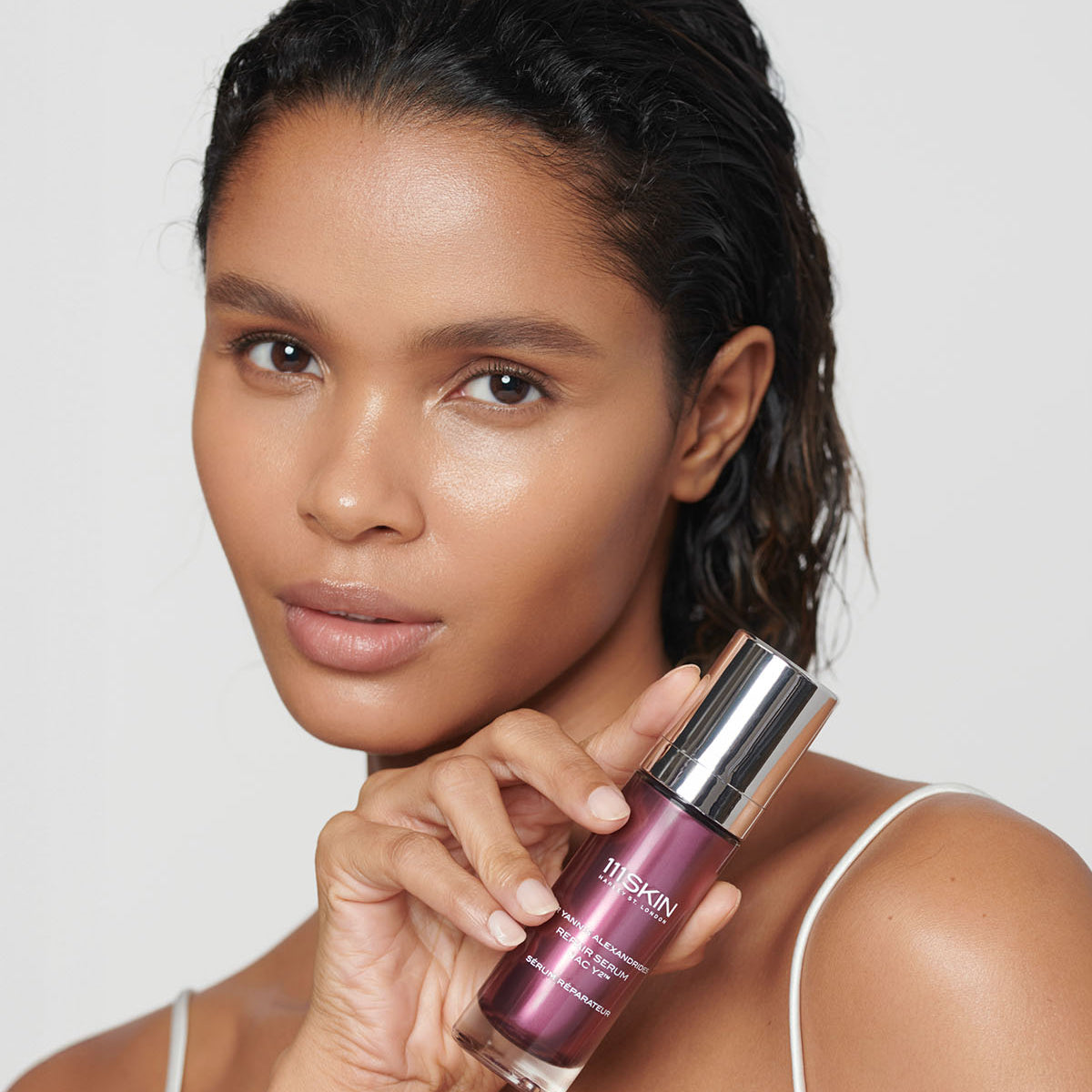
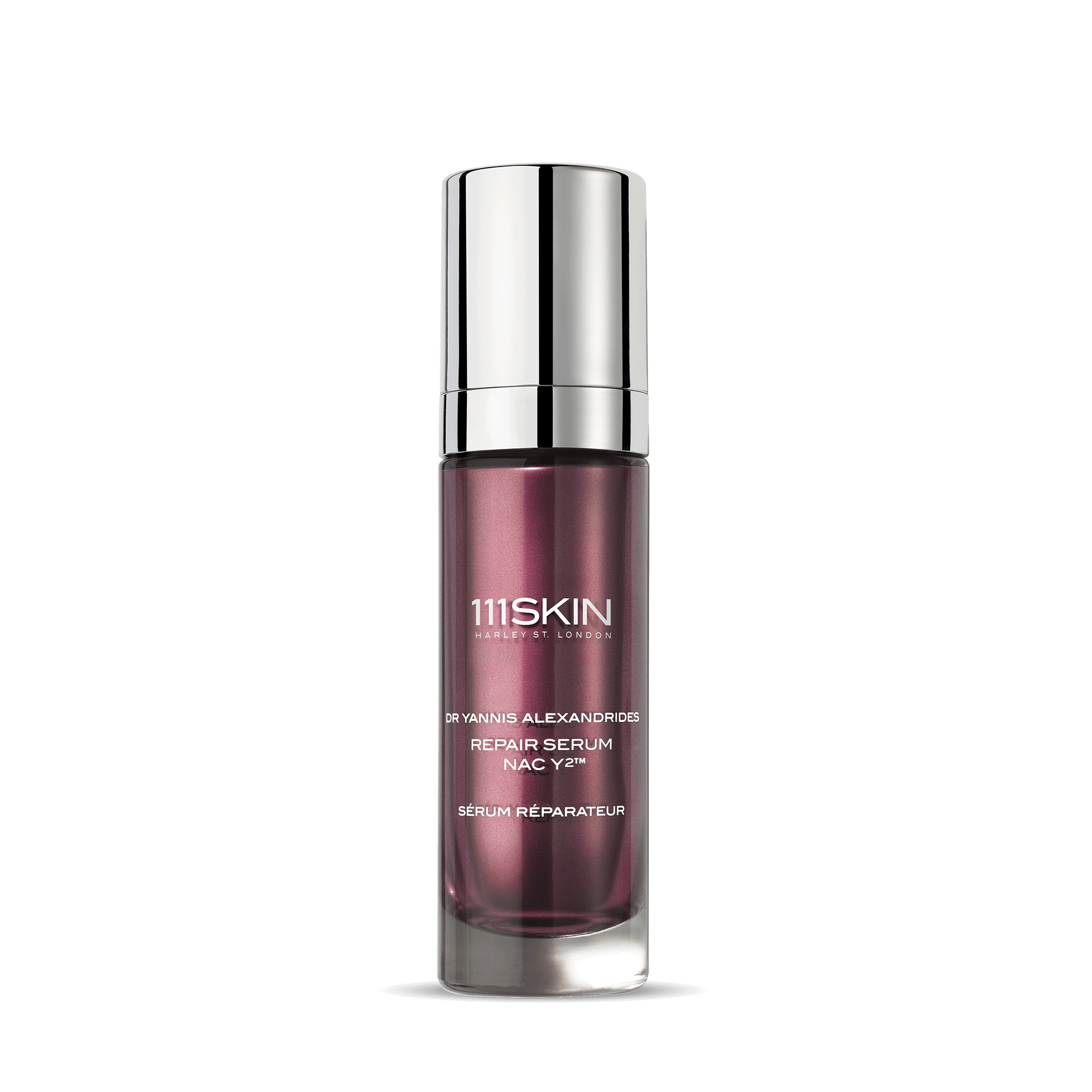
- Apply hydration. Use 1 to 2 pumps of Repair Serum NAC Y²™ on the face and neck. Its cooling, velvety texture delivers hydration and supports smoother, plumper-looking skin.
- Moisturise. In the morning, apply a pea-sized amount of Repair Day Cream NAC Y²™ to the face, neck and décolletage. In the evening, use Repair Night Cream NAC Y²™ after serum in the same amount and areas.
- Assess massage slip. Use the ring only if your chosen products and the tool's instructions allow comfortable glide. If the layers have absorbed and the surface drags, leave massage for another occasion with a suitable preparation.
- Complete morning protection. Apply Repair Sunscreen SPF50+ generously and evenly after moisturiser, 15 to 20 minutes before sun exposure. Follow its exposure and reapplication instructions.
This order keeps sun protection separate from massage. Do not mix sunscreen with a lubricant or keep working a ring across it after application. At night, there is more flexibility to enjoy the ritual without considering make-up application afterwards.
When puffiness is concentrated around the eyes
A facial ring is not always the most practical way to address tired-looking eyes. A dedicated eye product offers targeted care without needing to manoeuvre a hard tool close to the eye. This is especially useful when puffiness overlaps with dark circles or visible lines.
Eye Lift Gel NAC Y²™ is a lightweight hydrating gel addressing wrinkles, dark circles and puffiness, with a lifted-looking finish. It contains NAC Y²™, Argireline and Caffeine. 111SKIN reports a 35% wrinkle reduction after two weeks in a clinical trial of 30 participants using Primos CR.
Use it morning and evening before serum. Share half a pump between the ring fingers, pat from the outer corner inwards, then move upwards and sweep over the brow bone back to the outer corner until absorbed. Avoid rubbing beneath the eyes; using your ring fingers for application does not mean adding the gua sha ring to this step.
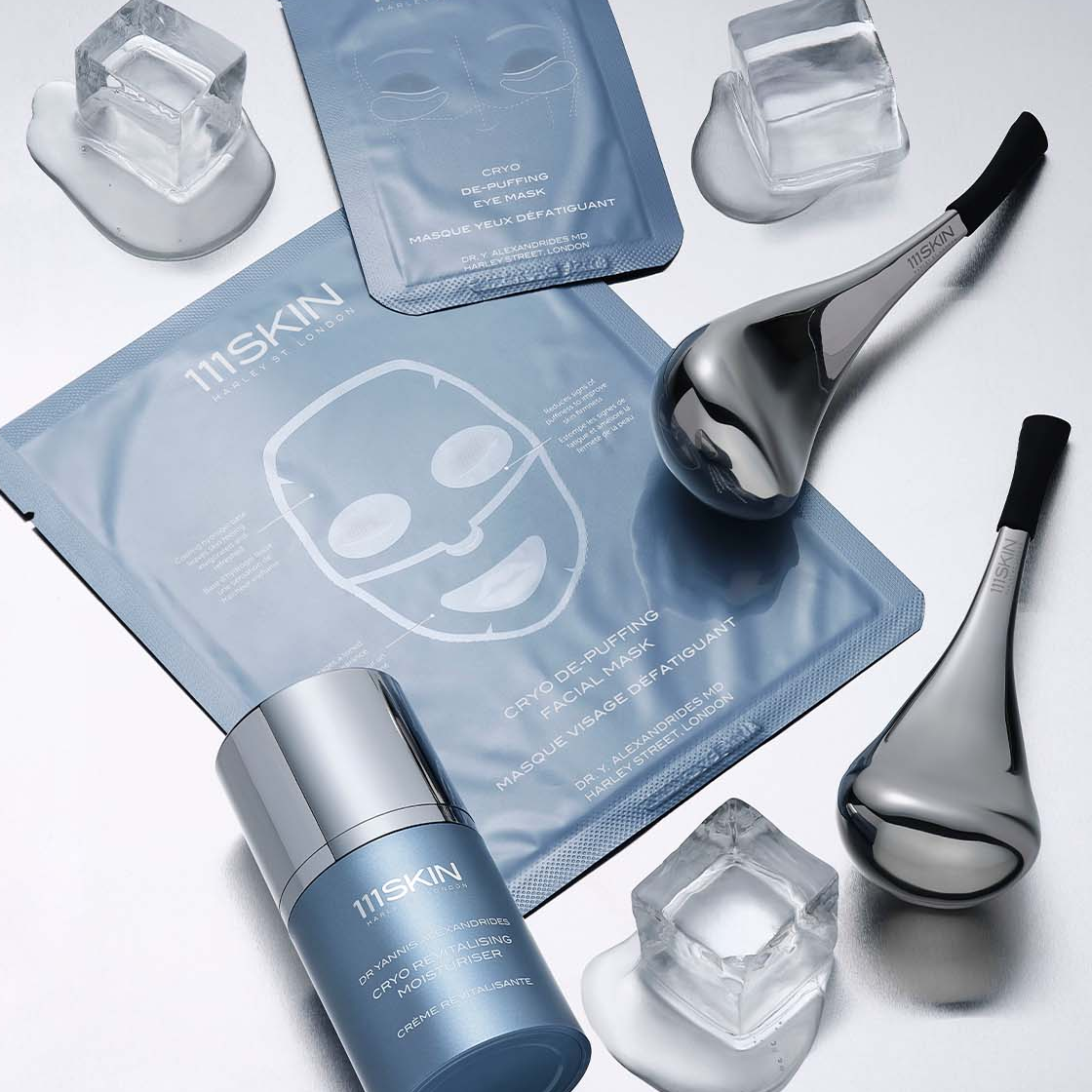
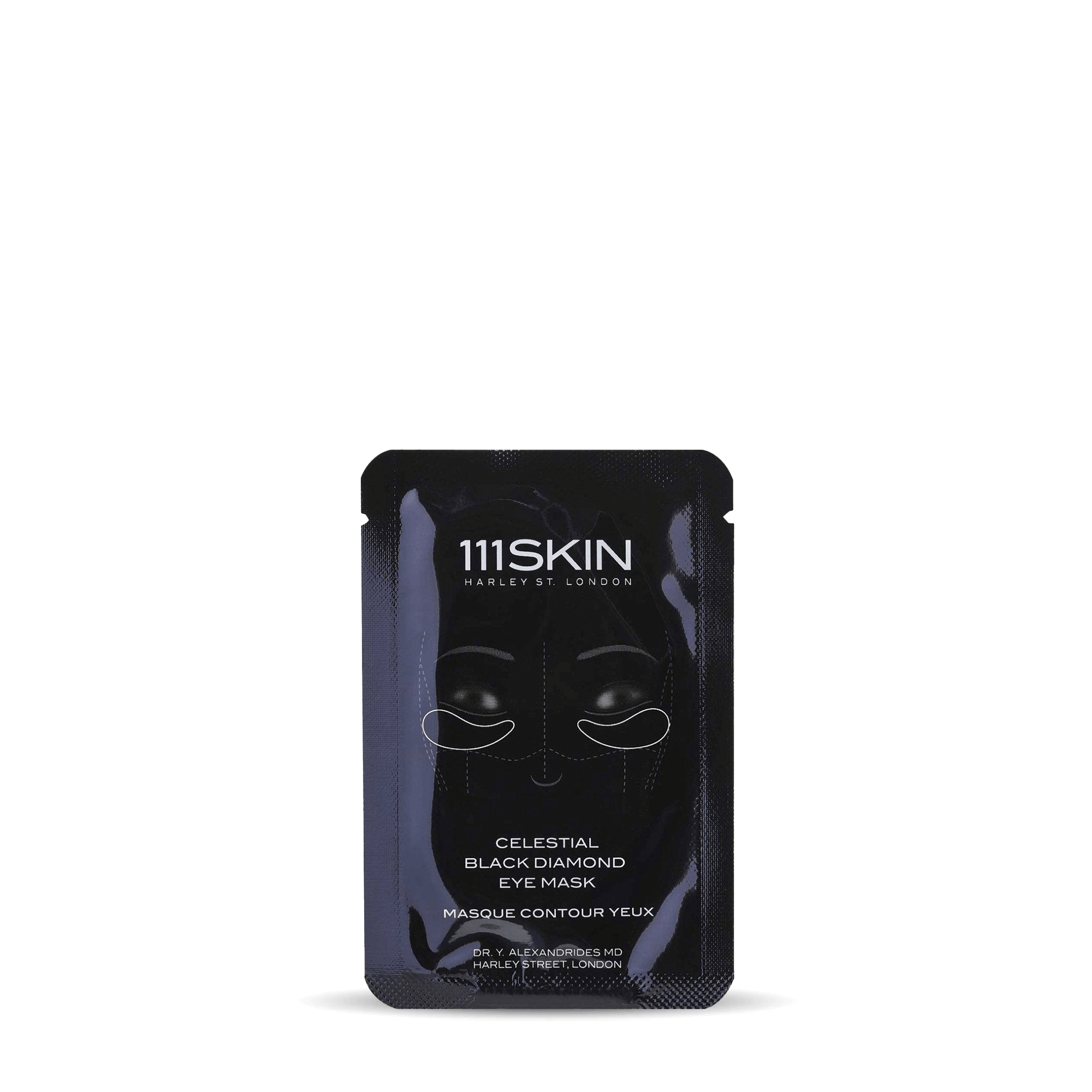
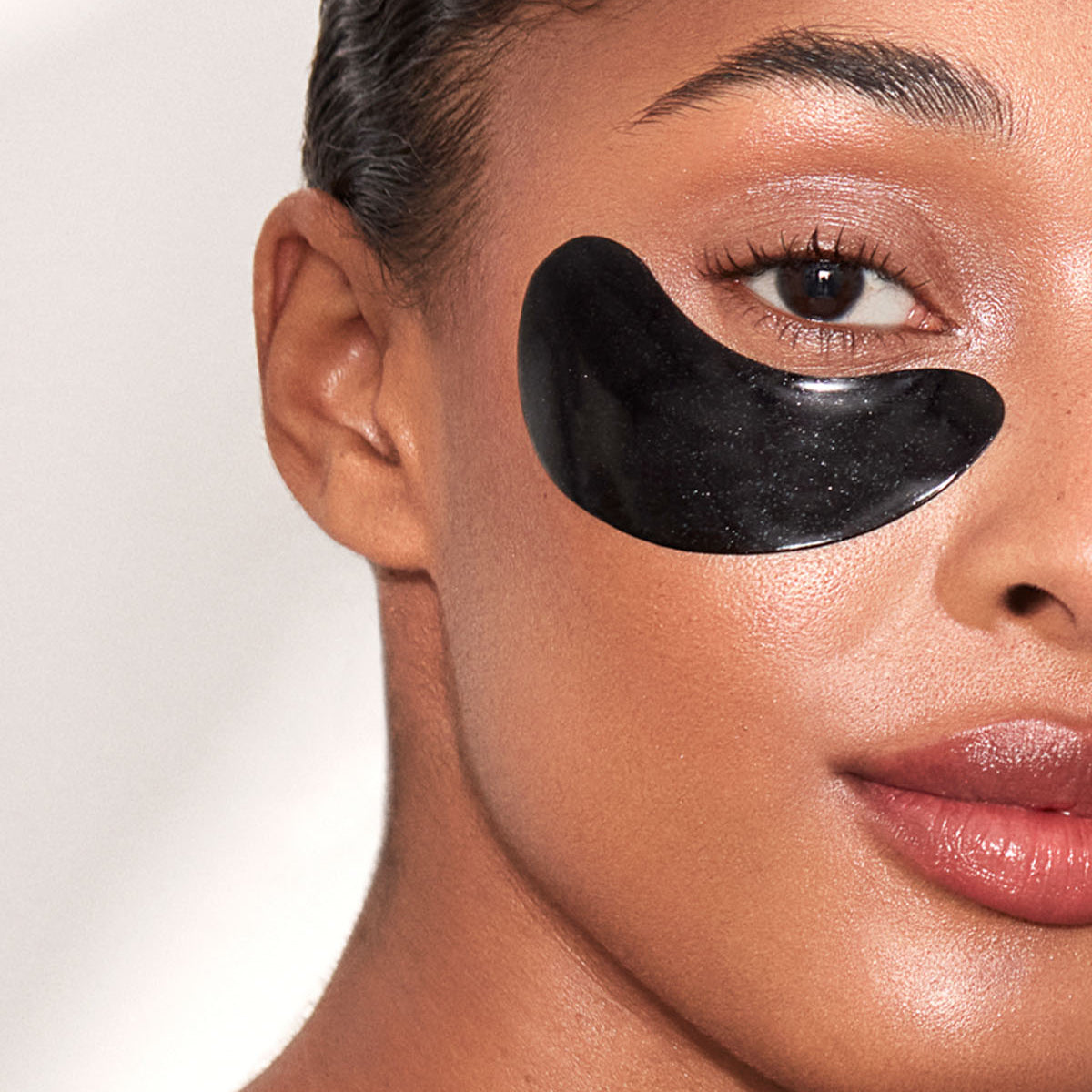
For a removable treatment, Cryo De-Puffing Eye Mask addresses visible puffiness and tired eyes. After cleansing, remove the protective films from both sides, place one mask beneath each eye and wear for 20 minutes, morning or evening. Remove and gently pat in the remaining product; refrigeration before use is permitted for this mask.
Match the format to the area: use controlled facial massage where it feels comfortable, and targeted eye care where precision and a light touch matter most.
Make comfortable technique your measure of success
A gua sha ring is worth considering if its finger grip makes gentle facial massage easier and more enjoyable. Choose a smooth, intact tool, follow its own directions and work only while there is enough slip. A relaxed face and comfortable skin are better measures of good technique than redness or a sharply posed jawline.
Build the rest of your care around the concern you actually want to address. Hydration calls for a well-chosen serum and moisturiser; persistent uneven tone calls for targeted care and SPF; eye puffiness may be better served by a dedicated eye format. If you are unsure which concern should lead your routine, the 111SKIN skincare quiz can help you identify a more focused starting point.
As with any skincare product, patch test before first use. If you are pregnant or breastfeeding, consult your doctor before using any skincare products.
FAQ
Is a gua sha ring better than a flat gua sha tool?
A ring can feel easier to hold, especially when your hands have skincare on them. There is no established reason to expect better cosmetic results simply because the tool has a finger opening. Choose the design that allows the most comfortable, controlled movement.
Can a gua sha ring permanently sculpt the jawline?
No, it does not remove facial fat or permanently change bone structure. A temporary reduction in the appearance of puffiness can make natural contours look clearer. Increasing pressure will not turn that effect into lasting structural lifting.
Can I use a gua sha ring every day?
There is no universal daily schedule that suits every tool and skin type. Follow the manufacturer's directions, begin gently and assess your skin's response. Stop if you develop discomfort, persistent redness or irritation.
Do I need facial oil to use a gua sha ring?
Not necessarily; some suitable serums or moisturisers provide enough slip. Follow the tool manufacturer's product guidance and use a formula your skin tolerates. If the tool catches or drags, stop rather than adding pressure or exceeding a treatment product's recommended dose.