


Table of Contents
- Introduction
- What kind of facial gel roller are you looking for?
- What a facial gel roller can realistically do
- How to choose a facial gel roller
- How to use a facial gel roller comfortably
- Match skincare to the concern behind the roller
- When a de-puffing mask is a useful alternative
- A compact routine around your roller
- Conclusion
- FAQ
Introduction
A facial gel roller offers a cooling massage that can temporarily soften the appearance of puffiness and leave skin feeling refreshed. It is best suited to someone who enjoys a brief, gentle facial ritual, with realistic expectations: cooling does not permanently sculpt the face, remove wrinkles or replace hydrating skincare.
The most useful buying distinction is between a reusable, gel-filled cooling tool and a roller applicator that dispenses a skincare formula. They may look similar in a shopping search, but they serve different purposes. Understanding the construction, cooling instructions and intended application area will help you choose well and use your roller comfortably.
What kind of facial gel roller are you looking for?
A gel-filled cooling tool
A gel-filled facial roller usually has a handle and a rotating head containing a sealed cooling material. The gel stays inside the tool; it is not a skincare ingredient applied to your face. Some designs have a metal outer surface, while others use a different casing.
Its principal appeal is the cool sensation combined with gentle movement over the skin. Depending on the model, the head may be removable for chilling and cleaning. The manufacturer's instructions should specify whether the tool belongs in the fridge, whether freezing is permitted and how to prepare it before skin contact.
Do not assume that every product described as an "ice roller" can be used straight from a freezer. Construction and cooling instructions vary, and an excessively cold surface can injure skin. A comfortable, controlled application matters more than achieving the lowest possible temperature.
A gel or serum with a roller applicator
A roller applicator attached to a skincare container has a different role: it distributes a formula. The gel or serum touches the skin, so its ingredients, intended application area and directions become central to the purchase.
For this format, consider the formula and applicator separately. A cool-feeling rollerball does not establish that the product treats dark circles, pigmentation or wrinkles. Those benefits depend on the exact skincare product, and an applicator designed for the face should not automatically be used around the eyes.
The word "gel" can therefore describe either the contents of a sealed tool or the texture of a cosmetic formula. Checking which one you are buying prevents disappointment, particularly if your main goal is hydration rather than a cooling massage.
How these differ from other facial tools
A smooth cooling roller is not the same as a microneedling roller. A microneedling device uses needles to puncture skin and requires its own safety guidance; cooling-roller advice does not apply to it.
Stone rollers and shaped massage tools also differ in their construction and handling. If your interest is simply a refreshing sensation and temporary de-puffing, a straightforward cooling tool is the relevant category. More elaborate equipment does not necessarily make that experience better.
What a facial gel roller can realistically do
Refresh skin and temporarily reduce visible puffiness
Cooling can temporarily narrow superficial blood vessels, and a chilled tool may make mild puffiness look less noticeable. The effect varies with the person, the cause of the puffiness and the tool's temperature. It should be understood as a short-lived cosmetic effect, not a lasting change to facial structure.
This distinction matters when comparing your face before and after rolling. A less puffy appearance can make contours look more defined without changing fat, muscle or skin laxity. The result may fade as the skin returns to its usual temperature.
The massage itself can also feel relaxing. That sensory benefit is a valid reason to enjoy a roller, even when the visible difference is subtle. You do not need to press harder or keep rolling until a dramatic change appears.
Persistent, painful, sudden or one-sided swelling needs medical advice. A cosmetic cooling tool is intended for an everyday skincare ritual, not for investigating or treating unexplained swelling.
Understand lines, pores and dark circles separately
A refreshed face can look smoother, but that does not mean a roller has corrected wrinkles. Fine-line care involves a different question: whether the skin needs hydration, targeted cosmetic ingredients or both. A temporary change in puffiness is not evidence of increased collagen or lasting firmness.
Pores do not open and close like doors, and cooling does not permanently shrink them. Similarly, dark circles can involve pigmentation, visible vessels or shadows from the shape of the eye area. Reducing nearby puffiness may change a shadow, but it will not resolve every cause of under-eye darkness.
Be cautious about claims that rolling "detoxifies" the face or guarantees lymphatic drainage. Everyday facial puffiness and medically significant fluid retention are not interchangeable. A home tool should not be presented as a treatment for either a lymphatic disorder or a skin condition.
Do not confuse glide with better absorption
A skincare product can make a tool move more easily, but comfortable glide does not prove that ingredients penetrate more deeply. Product absorption depends on the formula and the skin, not simply on whether a roller passes over it.
A sealed gel-filled tool also supplies no moisturising ingredients of its own. The cool sensation may feel refreshing on dry skin while doing little to address dryness. If tightness, roughness or dehydration lines are your main concern, hydration-focused skincare deserves priority.
Judge a facial gel roller by comfortable cooling and a refreshed appearance. Lasting changes to pigmentation, wrinkles or facial shape are not a realistic measure of its success.
How to choose a facial gel roller
Prioritise instructions, construction and control
The best choice is a tool you can handle gently, clean properly and cool exactly as directed. Clear instructions are especially important because a product photograph cannot tell you whether a head is freezer-safe or suitable for the eye area.
Use these checks before purchasing:
- Cooling guidance: Look for explicit instructions covering refrigeration or freezing, preparation before use and any limits on skin contact.
- Surface and seals: Choose a smooth, intact contact surface and a securely enclosed cooling core. Do not use a tool with cracks, damage or leakage.
- Head size: A larger head may be convenient across the cheeks and forehead. It can be less manoeuvrable around smaller contours.
- Handle and movement: A secure grip and freely rotating head help you control pressure without dragging the skin.
- Cleaning access: Check how the head, handle and joins should be cleaned, and whether any parts detach.
- Application area: Facial use does not automatically include eyelids or the delicate area immediately beneath the eyes.
The practical advantage of a well-designed tool is control. A heavy head or awkward handle can make light pressure harder to maintain, while a roller that catches can encourage tugging. Comfort in your hand is more useful than a promise of an unusually intense massage.
Look beyond "colder for longer"
Long cooling retention can sound desirable, but it is not a result in itself. Skin does not need to become numb for a roller to feel refreshing. A tool that remains extremely cold can demand more careful handling, not deliver better skincare.
Likewise, a metal exterior does not reveal the full construction or establish superior performance. The surface material, internal core, size and preparation all influence the experience. Buy for the documented method and ease of use rather than assuming one material guarantees stronger de-puffing.
Storage also deserves attention. If a tool needs chilling, consider whether its instructions include a protective cover or a particular storage method. Keep it protected from contamination and follow the manufacturer's care guidance instead of improvising with household cooling methods.
How to use a facial gel roller comfortably
Prepare the tool and your skin
There is no single chilling time, treatment duration or rolling pattern that fits every gel roller. Follow the instructions supplied with your particular model, including any preparation after removing it from cold storage. Do not borrow timings from a different tool because it looks similar.
Start with clean hands and a clean contact surface. Cleansed skin makes it easier to avoid moving make-up, sunscreen residue and impurities across the face. If the roller requires a skincare product for glide, use one permitted by its instructions and suitable for your skin.
A simple safety sequence is:
- Inspect the tool. Check that the surface is smooth, the head moves properly and the cooling core is securely sealed.
- Prepare it as directed. Use only the cooling method specified for that model.
- Check comfort before proceeding. Begin with brief, light contact on a small area. An intensely cold, painful or sticking surface is unsuitable for continued use.
- Use gentle movement. Keep pressure light and follow the tool's directions for the permitted areas and duration.
- Finish with appropriate skincare. Complete your routine, then clean and store the tool according to its care instructions.
The completion cue is comfortable, refreshed skin. Redness caused by repeated friction, stinging or numbness does not indicate that the treatment is working more effectively.
Keep pressure light and movement controlled
Let the roller move without forcing the skin to travel with it. If it pulls, catches or skips, pause and reassess the tool, the surface and any product used for glide. Adding pressure is not the answer to poor movement.
Avoid holding a very cold roller stationary against one spot. Cold exposure and friction can both become irritating, particularly when repeated. Follow the manufacturer's duration instead of extending the session to pursue a more defined jawline or a completely flat under-eye area.
A universal daily schedule is not necessary. Frequency should reflect the product instructions and how your skin responds. If your skin feels tender afterwards, reduce or stop use rather than treating tenderness as an expected stage of the ritual.
Take particular care around the eyes
The eye area is delicate and offers little room for error with a broad roller head. Only use a tool there if its instructions specifically allow it, and keep pressure away from the eyeball. A large facial roller should not be manoeuvred onto the eyelid simply to reach a puffy area.
Do not roll over broken skin, active irritation or painful blemishes. If you have a condition that makes cold exposure uncomfortable or affects skin sensation, seek personalised advice before using a chilled tool. After a cosmetic procedure, follow your treating clinician's aftercare instructions.
Stop if rolling causes irritation. Persistent irritation, unusual colour changes or a medical concern merits professional advice.
Clean the contact surface after use
A reusable roller needs routine cleaning, especially when used with skincare. Residue can collect around the moving head and joins, so follow the care instructions for the whole tool, not only the most visible surface.
Do not assume the handle can be submerged or that every material tolerates the same cleaning solution. Allow the tool to dry as directed before storage, and keep it for personal use. A roller that is damaged or no longer moves smoothly should be replaced, not pressed harder against the face.
Match skincare to the concern behind the roller
For puffiness with eye-area lines and dark circles
If your search for a facial gel roller is mainly about tired-looking eyes, a targeted eye product addresses more than cooling alone. Eye Lift Gel NAC Y²™ is a lightweight, hydrating gel that addresses visible wrinkles, dark circles and puffiness, with a lifted-looking finish. It contains NAC Y²™, Argireline and Caffeine.
111SKIN reports a 35% wrinkle reduction after two weeks in a clinical trial of 30 participants using Primos CR. This makes the gel relevant when visible lines accompany puffiness, rather than reserving gel textures only for hydration.
Use it morning and evening before serum. Share half a pump between ring fingers, pat from the outer corner inwards, then move upwards and sweep over the brow bone back to the outer corner until absorbed. Avoid rubbing under the eyes; the gel's application method does not require a roller.
For dry-feeling or dehydrated skin
A cooling sensation and hydration are different experiences. Humectants attract water, emollients soften the skin, and ingredients that limit moisture loss help maintain hydration. A sealed cooling tool does not perform those formula-based roles.
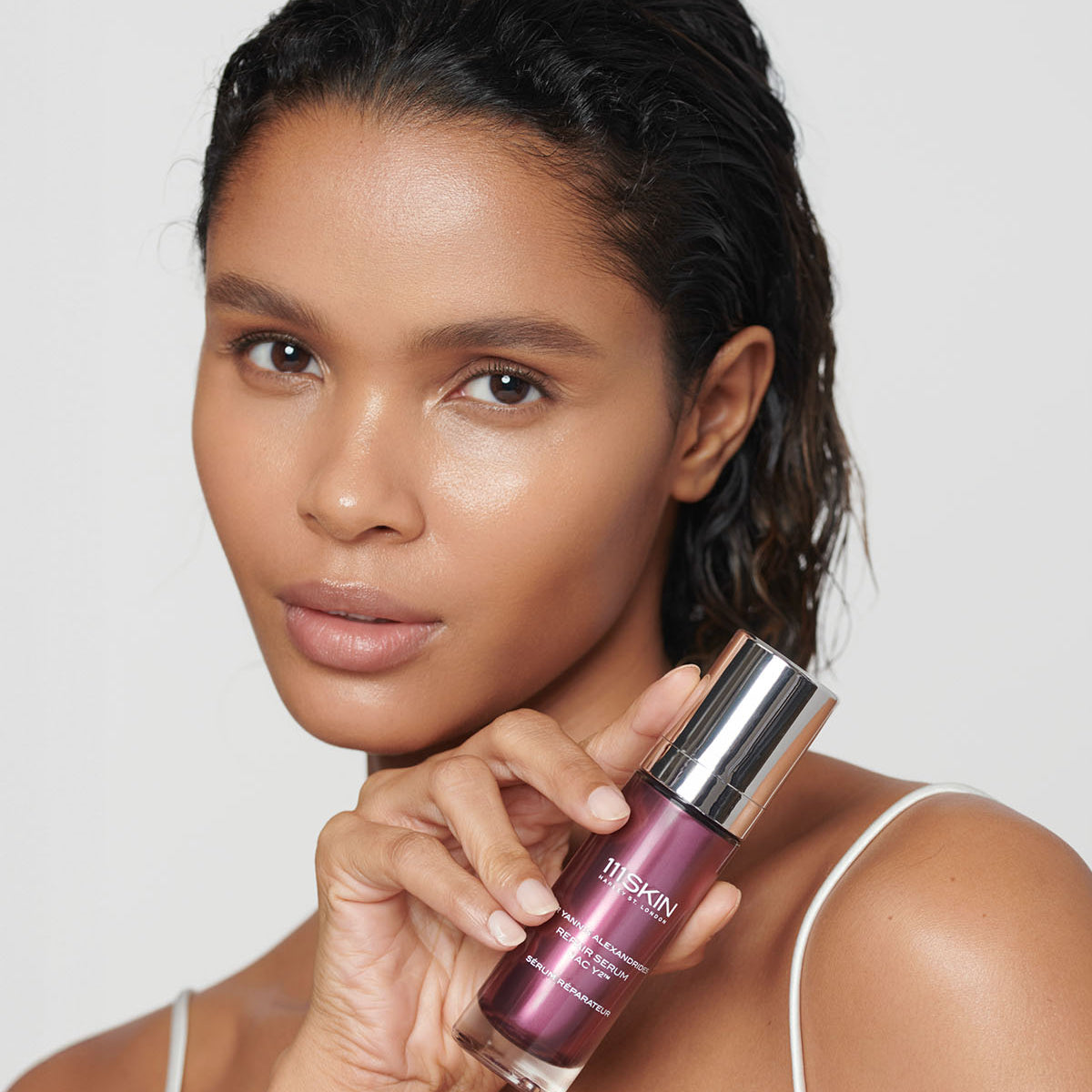
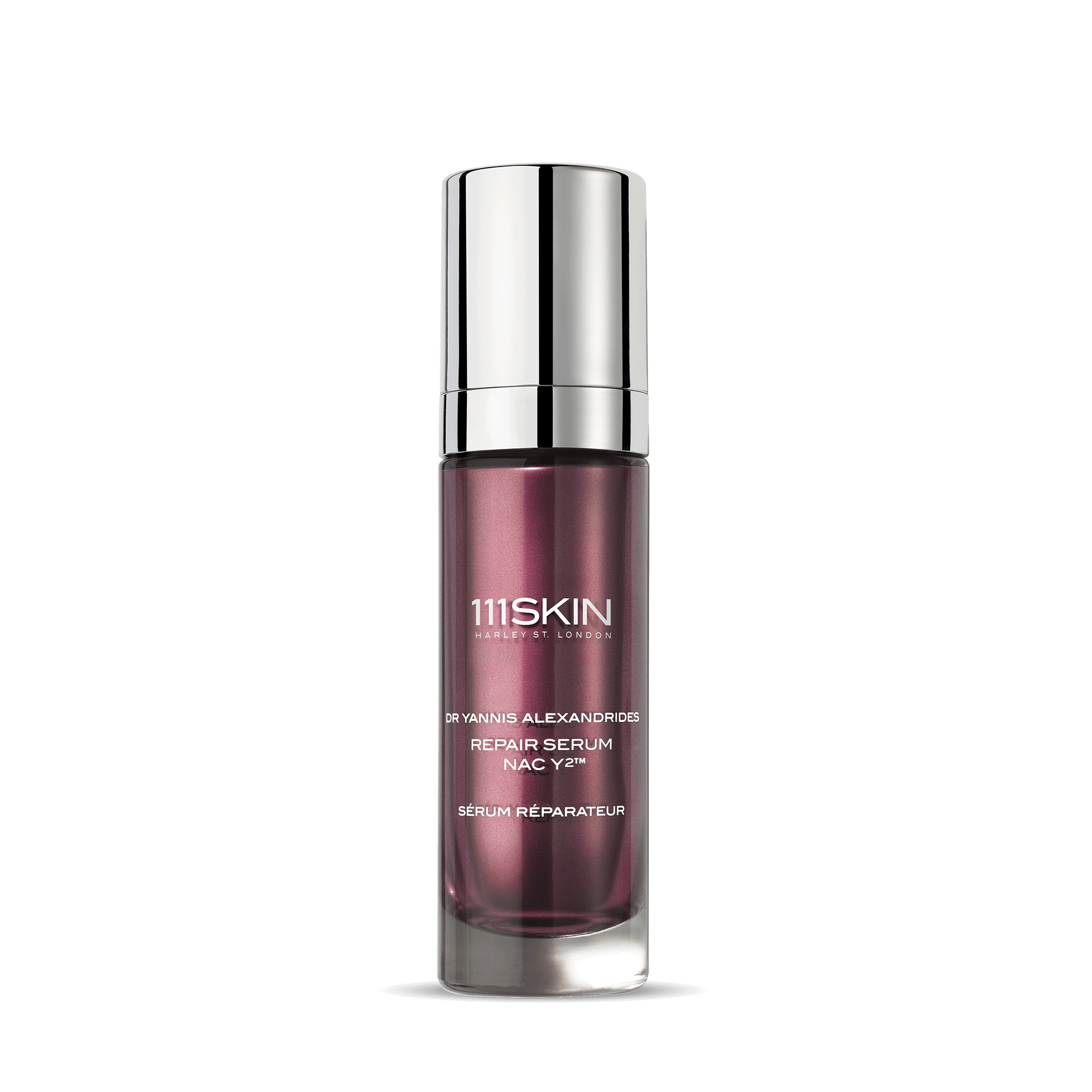
Repair Serum NAC Y²™ provides hydration and smoother, plumper-looking skin while addressing visible redness and early signs of ageing. Its cooling, velvety texture offers a sensorial connection with a refreshing roller ritual, while NAC Y²™, Pink Rock Rose Extract and Centella Asiatica are featured in the formula. It received Tatler Best Serum for Repair, Beauty Awards 2025.
For a more specifically hydration-focused step, Hyaluronic Acid Aqua Booster features Hyaluronic Acid and Niacinamide. Shake and pat 2 to 4 drops onto clean, dry skin before serum, morning or evening. Select this for hydration needs, not as a way to make a roller work harder.
111SKIN was founded in 2012 by plastic and reconstructive surgeon Dr Yannis Alexandrides and Eva Alexandridis. Drawing on Dr Yannis' practice at 111 Harley St. in London, its approach brings clinical inspiration together with considered textures and at-home rituals: the cosmetic concern guides the formula, while the experience makes consistent use enjoyable.
When a de-puffing mask is a useful alternative
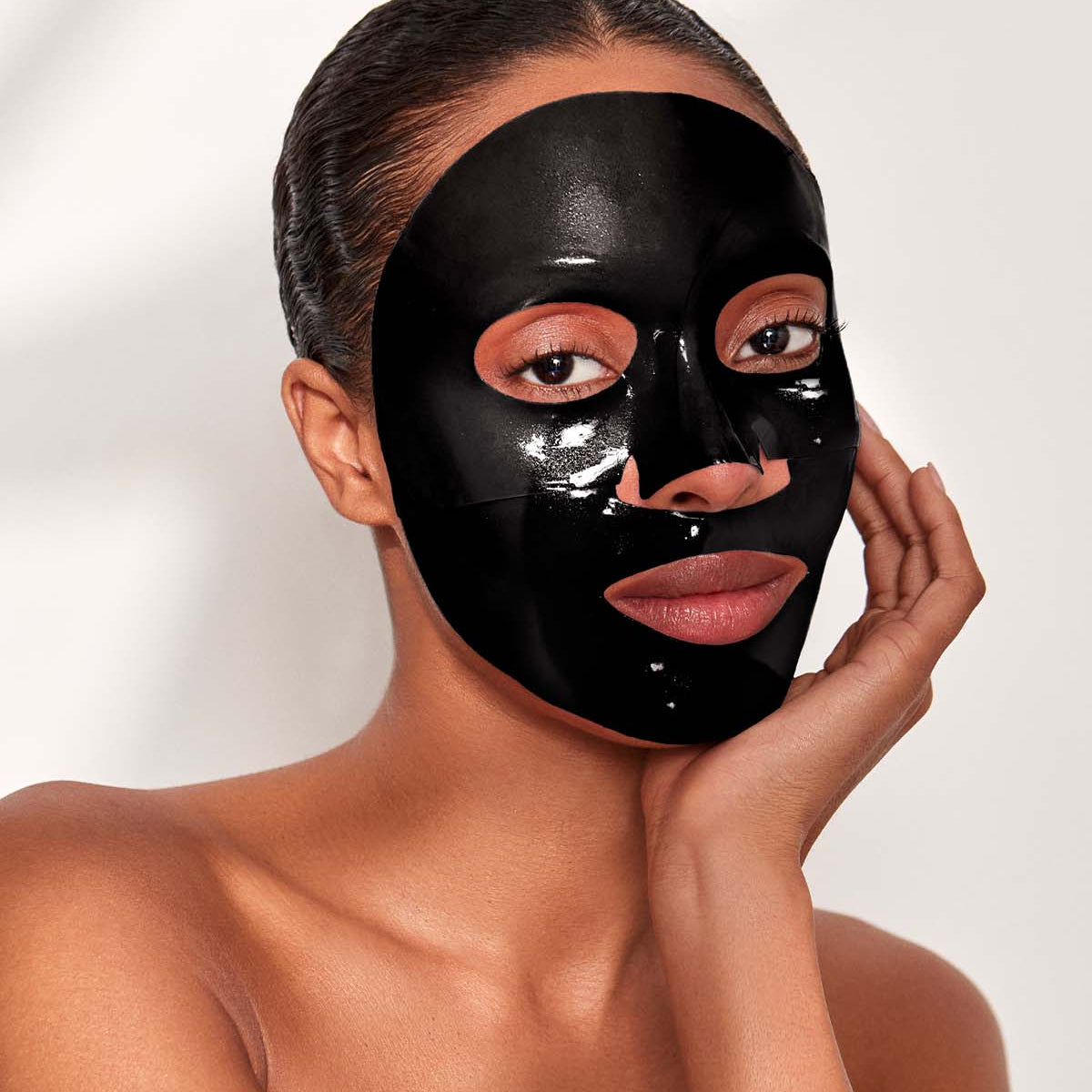
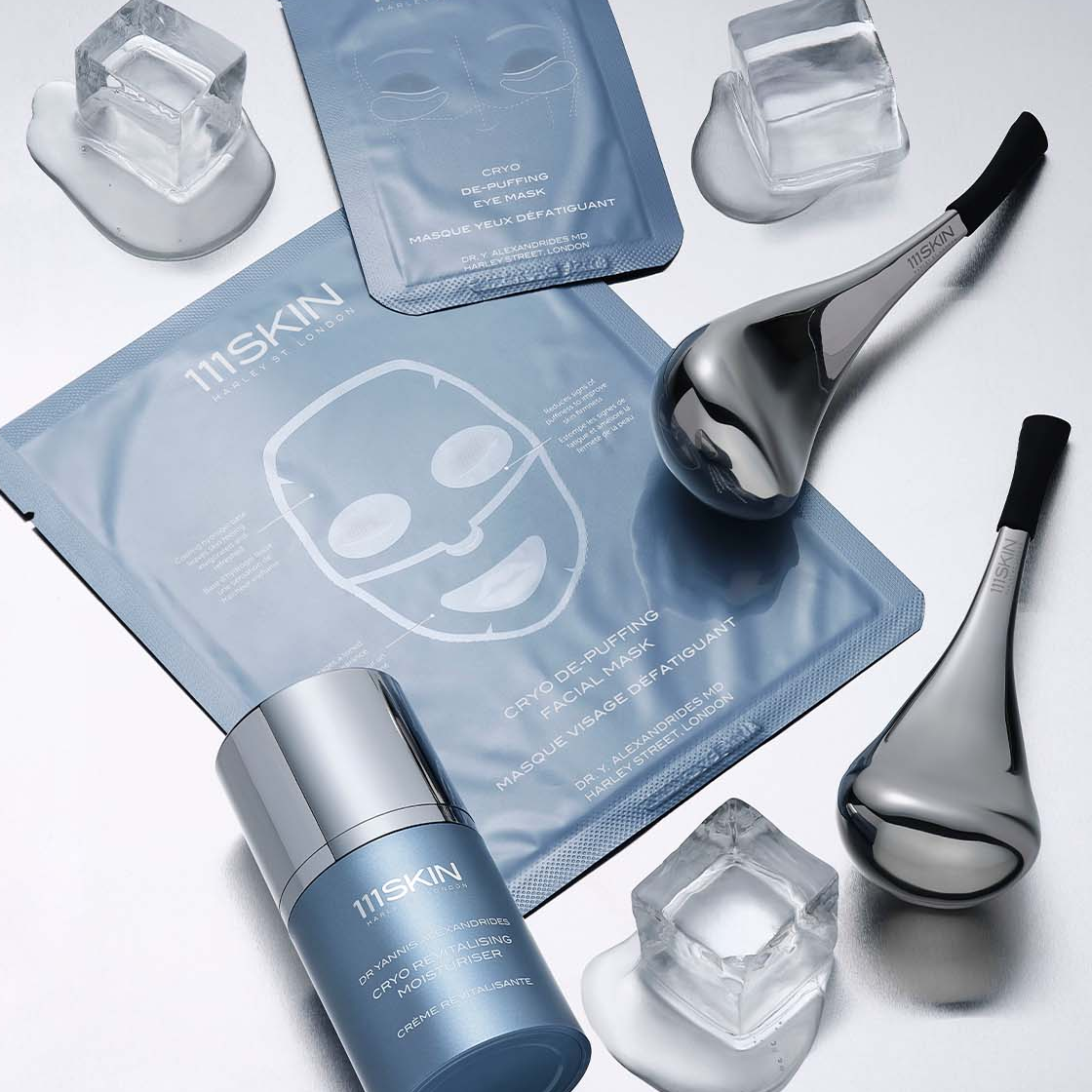
A removable mask is a different format for someone who wants targeted skincare without managing a moving tool. Cryo De-Puffing Facial Mask is a two-piece hydrogel mask for visibly puffy, tired-looking skin, featuring Caffeine and peptides. Refrigeration before use is permitted.
Use it on clean, dry skin after cleansing, morning or evening, wear for 20 minutes, then remove before subsequent leave-on skincare. Its hydrogel material and two-piece construction describe how the mask sits on the face; they do not make it a roller or an overnight treatment.
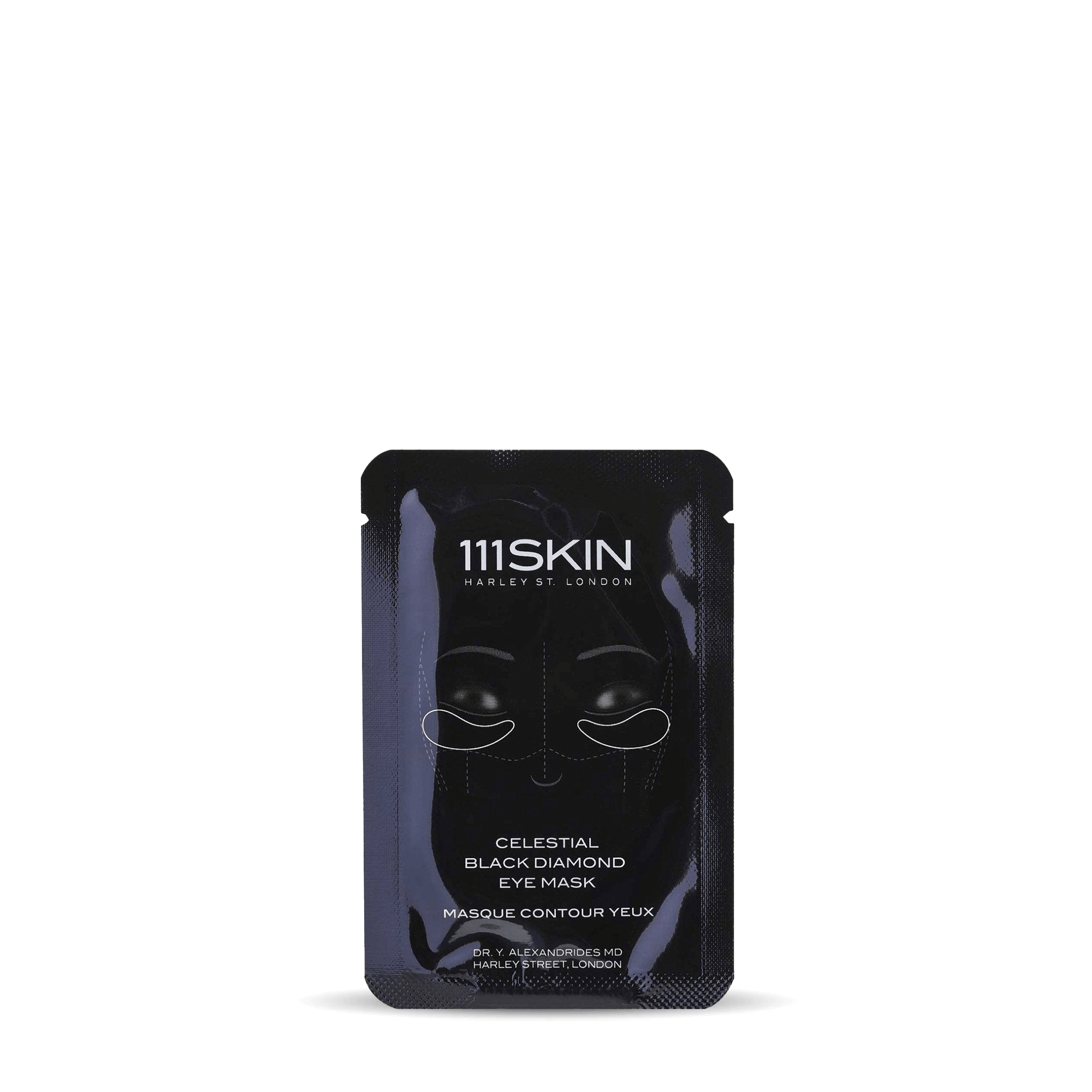
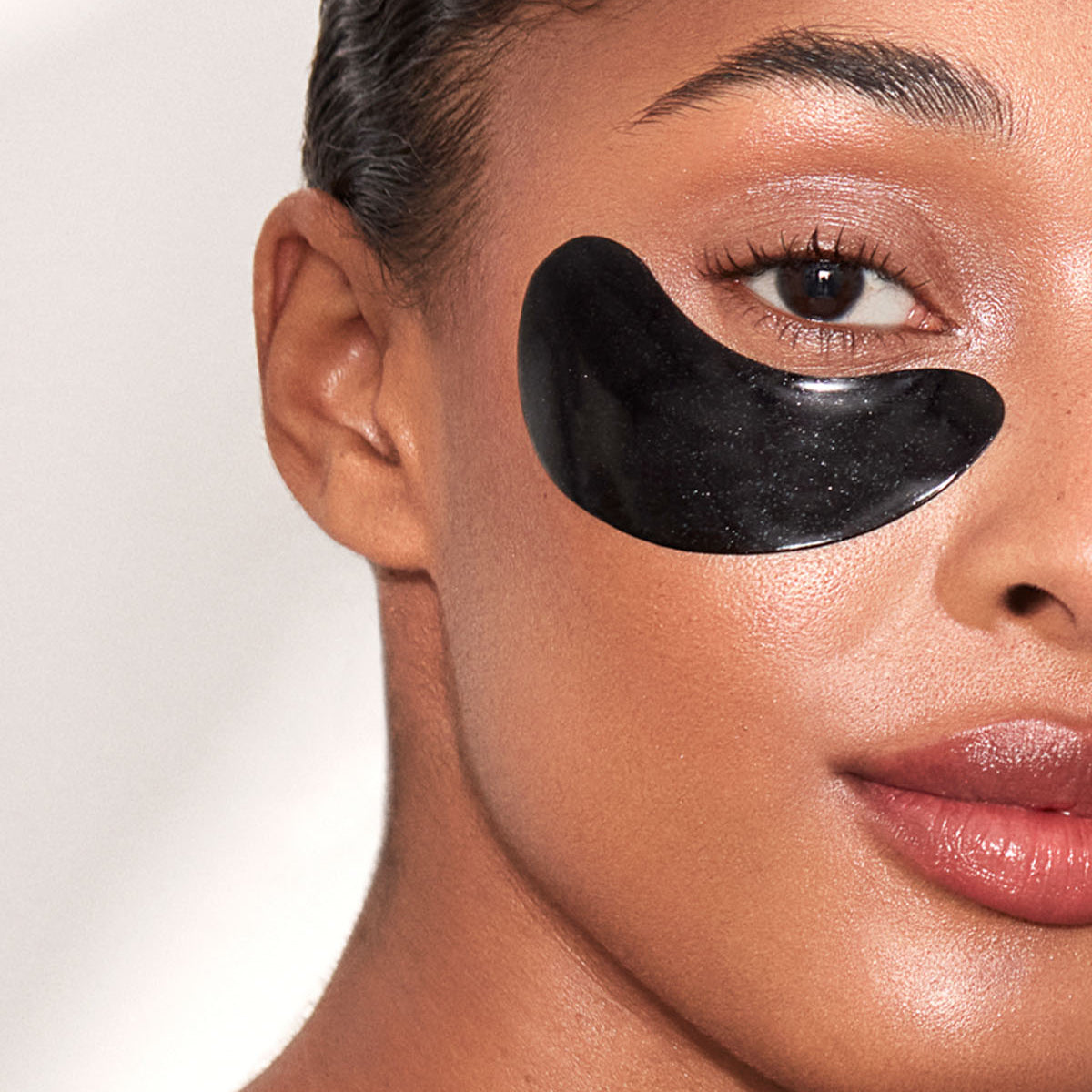
For a concern concentrated beneath the eyes, Cryo De-Puffing Eye Mask is a hydrogel option featuring Seaweed Extract, Vitamin E and Peptide Complex. After cleansing, remove the protective films from both sides, place one beneath each eye and wear for 20 minutes. Remove and gently pat in the remaining product, morning or evening; refrigeration before use is permitted for this mask.
Choose the facial format for broader visible puffiness and the eye format for the under-eye area. There is no need to add rolling over a mask: each product already has its own application method.
A compact routine around your roller
Keep the skincare sequence straightforward so the tool remains a manageable addition. The following morning routine places a suitable standalone cooling roller after cleansing, provided its own directions allow use at that stage. If it requires a different placement or a particular glide product, follow those directions.
- Cleanse with Cleansing Oil. With dry hands, apply 2 to 3 pumps to dry skin, massage for 30 seconds, rinse with warm rather than hot water and pat dry.
- Use your prepared roller as directed. Follow the safety sequence above and finish while skin feels comfortable.
- Apply Eye Lift Gel NAC Y²™. Use the half-pump, gentle patting method described above before serum.
- Apply Repair Serum NAC Y²™. Smooth 1 to 2 pumps over the face and neck.
- Moisturise with Repair Day Cream NAC Y²™. Apply a pea-sized amount to the face, neck and décolletage after serum for nourishing hydration and skin-barrier support.
- Apply Repair Sunscreen SPF50+. Apply generously and evenly after moisturiser, 15 to 20 minutes before sun exposure, following its exposure and reapplication instructions.
Avoid rolling over a finished sunscreen application, which can disturb its even coverage. The useful principle is to finish the massage before completing sun protection. A refreshing sensation does not indicate protection from ultraviolet exposure.
Keep the roles clear: the roller provides a cooling massage, targeted skincare addresses the cosmetic concern, moisturiser supports hydration, and sunscreen provides sun protection.
Conclusion
A facial gel roller is a worthwhile choice when you want a controlled, refreshing massage and understand that any visible de-puffing is temporary. Choose a model with clear cooling and cleaning instructions, use light pressure and judge success by comfort, not intensity.
Let the underlying concern guide your next skincare choice. Eye Lift Gel NAC Y²™ suits puffiness accompanied by visible eye-area lines and dark circles, while Repair Serum NAC Y²™ addresses hydration and smoother, plumper-looking skin. If you are unsure which concern to prioritise, the 111SKIN skincare quiz can help you explore a more personalised routine.
As with any skincare product, patch test before first use. If you are pregnant or breastfeeding, consult your doctor before using any skincare products.
FAQ
Does a facial gel roller reduce puffiness permanently?
No. Cooling may temporarily soften the appearance of mild puffiness, but it does not permanently change facial structure or prevent puffiness from returning. Persistent, painful or unexplained swelling should be assessed by a healthcare professional.
Should I put a facial gel roller in the fridge or freezer?
Follow the instructions for your exact tool. Some designs permit refrigeration, some permit freezing, and their preparation before skin contact can differ. Do not use a surface that feels painfully cold, sticks to skin or causes numbness.
Can I use a facial gel roller with serum?
Only combine them when the tool's instructions allow it and the serum is suitable for the intended area. Product can help glide, but rolling does not establish better ingredient absorption. Follow the skincare product's own quantity and application directions.
Can I use a facial gel roller under my eyes?
Use it there only if the manufacturer's instructions specifically permit eye-area application. Keep pressure away from the eyeball and do not assume facial-use directions include the eyelids. A targeted eye gel or under-eye mask offers a more area-specific skincare option.